

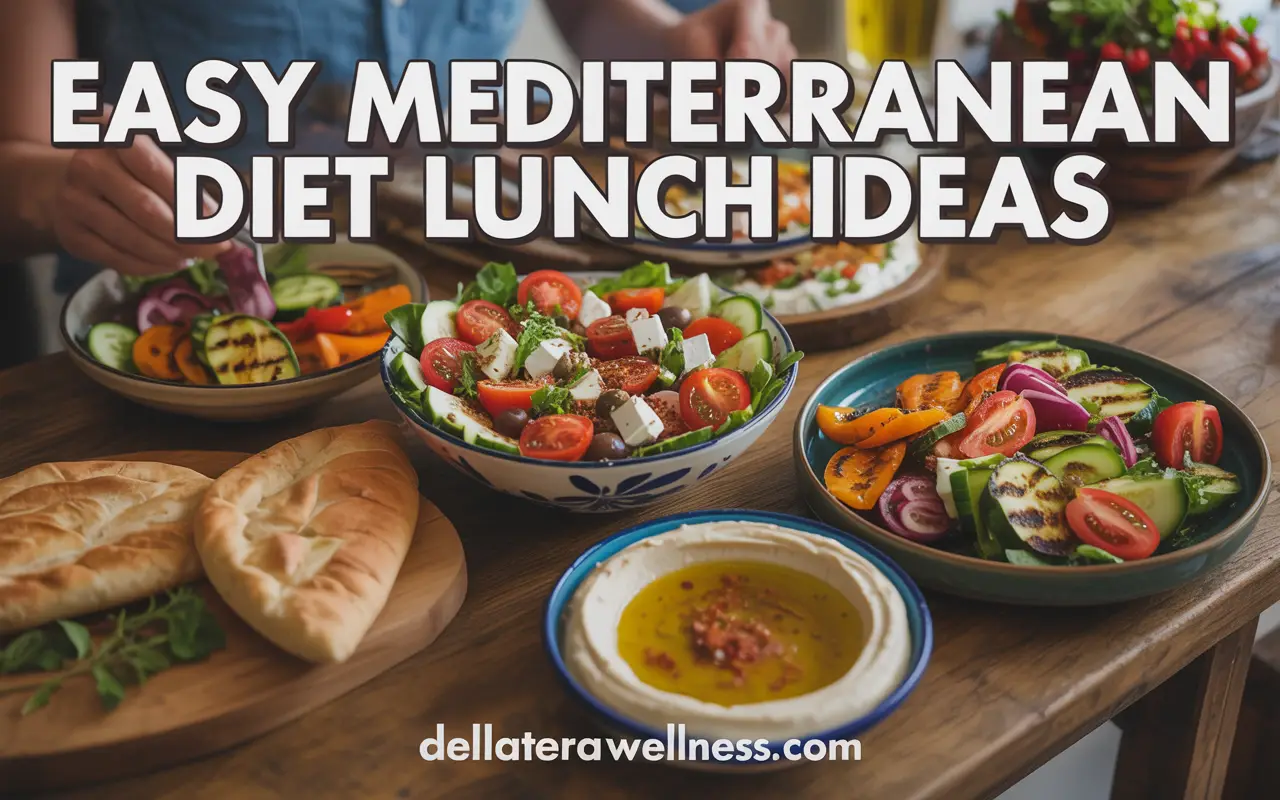
Searching for lunch inspiration that’s both delicious and nutritious? The Mediterranean diet offers a treasure trove of vibrant, satisfying meals that transform your midday break into a culinary adventure. From quick 15-minute assemblies to make-ahead masterpieces, these lunch ideas prove that eating well doesn’t require complicated recipes or exotic ingredients.
The Mediterranean approach to lunch emphasizes fresh vegetables, whole grains, lean proteins, and healthy fats—creating meals that energize rather than weigh you down. Whether you’re meal-prepping for a busy week, looking for weight-loss friendly options, or simply craving more variety in your lunch routine, this collection of Mediterranean-inspired ideas will revolutionize how you think about midday meals.
Get ready to discover portable wraps perfect for office lunches, colorful grain bowls that rival restaurant creations, and budget-friendly mezze platters that make every meal feel like a mini-vacation. Each idea balances nutrition with flavor, ensuring you’ll never face the “what’s for lunch?” dilemma again.
Why Choose the Mediterranean Diet for Lunch?
The Mediterranean diet stands out as one of the most sustainable and health-promoting eating patterns, making it particularly ideal for lunch meals. Research consistently shows that Mediterranean-style eating supports heart health, brain function, and longevity while helping maintain stable energy levels throughout the afternoon.
Unlike restrictive diets that leave you counting calories or feeling deprived, Mediterranean lunches focus on abundance—abundant flavors, colors, and nutrients. The emphasis on olive oil, fresh herbs, seasonal vegetables, and whole grains creates naturally satisfying meals that prevent the post-lunch energy crash many people experience.
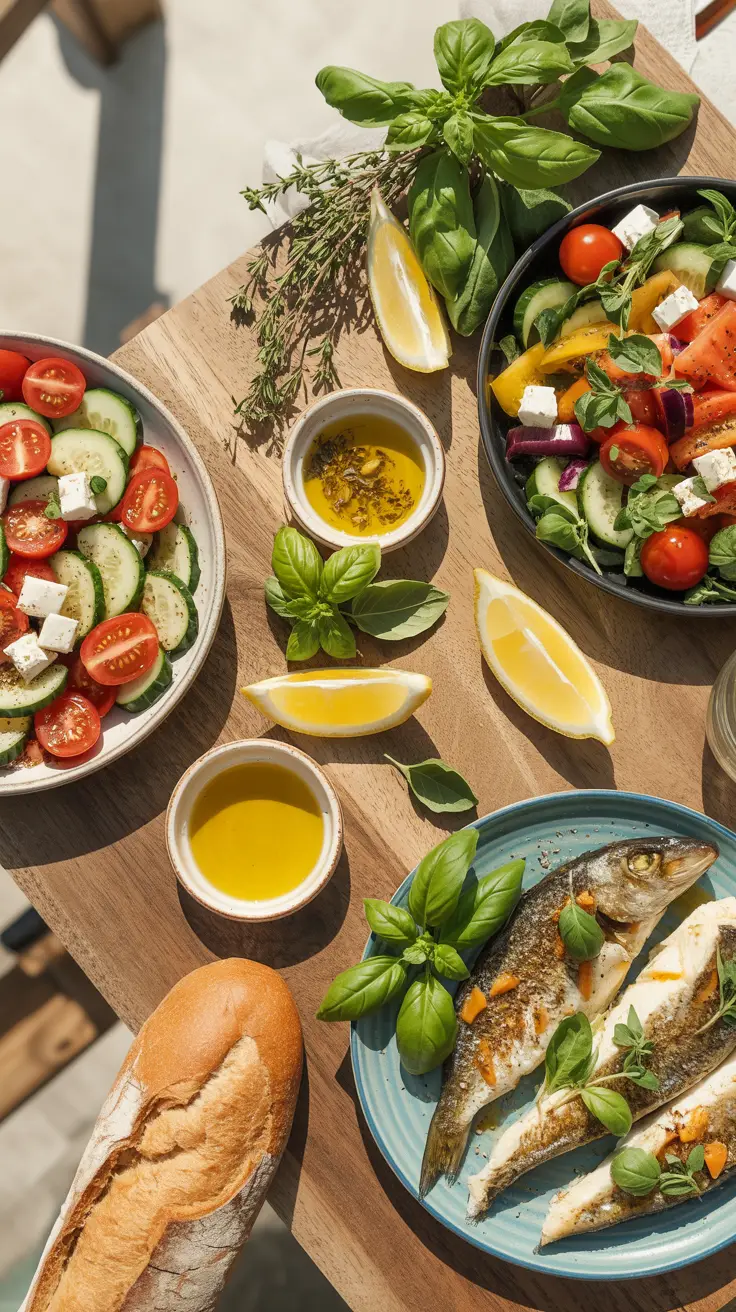
For busy professionals and families, Mediterranean lunches offer incredible versatility. The same basic ingredients—chickpeas, quinoa, tomatoes, cucumbers, and feta cheese—can be transformed into wraps, salads, grain bowls, or stuffed pitas depending on your mood and time constraints. This flexibility means less food waste and more creative freedom in the kitchen.
The anti-inflammatory properties of Mediterranean foods also make this approach particularly beneficial for lunch. Ingredients like olive oil, leafy greens, and omega-3 rich fish help combat afternoon inflammation that can contribute to brain fog and fatigue. Many people report feeling more alert and focused after adopting Mediterranean-style lunches compared to heavy, processed alternatives.
What Makes a Mediterranean Lunch Healthy and Satisfying
Mediterranean lunches achieve the perfect balance of macronutrients and micronutrients through time-tested ingredient combinations. The foundation typically includes complex carbohydrates from whole grains like quinoa, bulgur, or whole wheat bread, which provide sustained energy without blood sugar spikes.
Healthy fats play a starring role, primarily from extra virgin olive oil, nuts, seeds, and avocados. These fats enhance nutrient absorption, particularly fat-soluble vitamins A, D, E, and K found abundantly in Mediterranean vegetables. The combination of healthy fats with fiber-rich vegetables creates lasting satiety that prevents afternoon snacking on less nutritious options.
Protein sources in Mediterranean lunches are diverse and plant-forward, including legumes like chickpeas, lentils, and white beans alongside moderate portions of fish, chicken, or eggs. This variety ensures you get a complete amino acid profile while keeping meals light enough to avoid post-lunch sluggishness.
The Mediterranean palette of herbs and spices—basil, oregano, parsley, garlic, and lemon—does more than add flavor. These ingredients contain antioxidants and anti-inflammatory compounds that support overall health. Fresh lemon juice, a Mediterranean staple, enhances iron absorption from plant-based foods and adds brightness that makes vegetables more appealing.
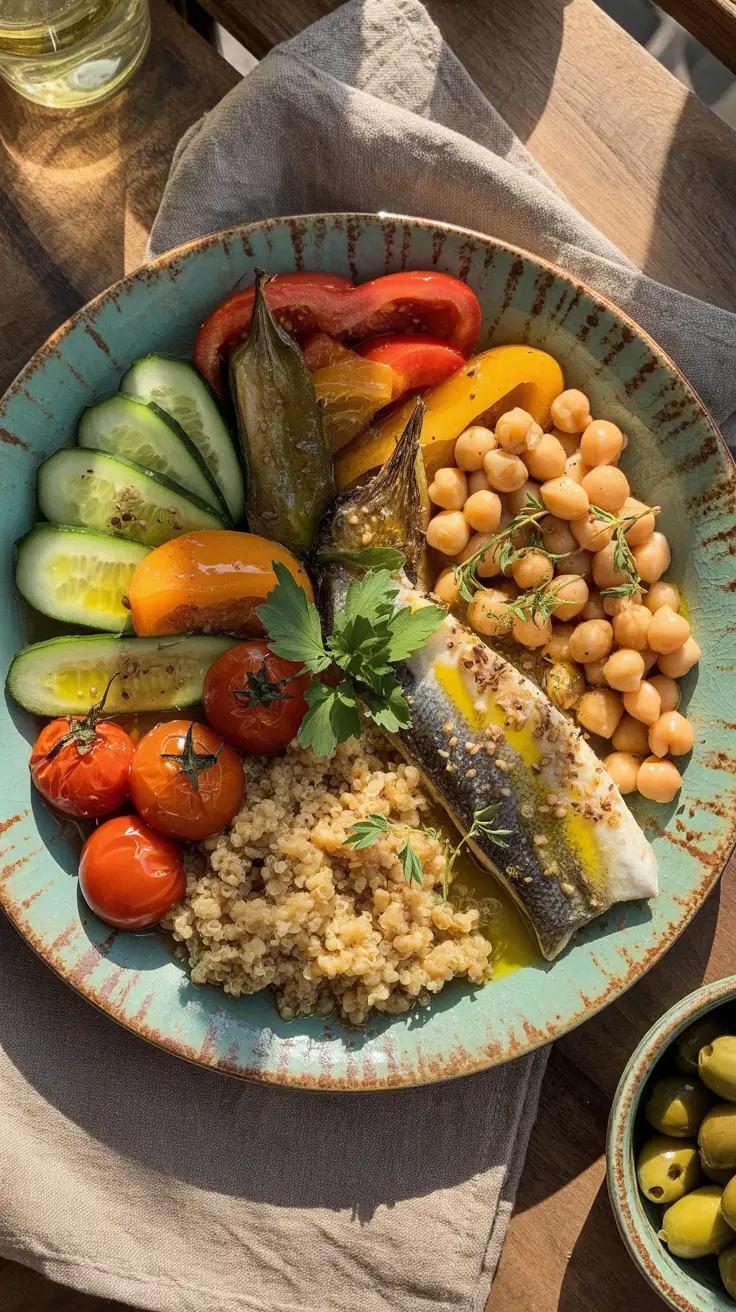
Portion control happens naturally in Mediterranean eating because the high fiber and healthy fat content signal fullness more effectively than processed foods. This means you can enjoy generous servings of vegetables and moderate portions of grains and proteins while naturally maintaining a healthy weight.
Quick Mediterranean Lunch Ideas for Busy Days
When time is limited, Mediterranean-inspired lunches can still deliver maximum flavor and nutrition. These quick options require minimal prep and can be assembled in under 20 minutes using pantry staples and fresh ingredients.
Start with a Mediterranean chickpea salad that combines canned chickpeas with diced cucumber, cherry tomatoes, red onion, and crumbled feta. Dress with olive oil, lemon juice, and dried oregano for an instant protein-packed meal. This combination keeps well and actually improves in flavor as it sits, making it perfect for rushed mornings.
Hummus and vegetable wraps offer another speedy solution. Spread store-bought or homemade hummus on whole wheat tortillas, add shredded lettuce, sliced tomatoes, cucumber, and bell peppers, then roll tightly. The creamy hummus acts as both flavor enhancer and protein source while the vegetables provide crunch and vitamins.
Greek-style scrambled eggs make an excellent quick lunch that breaks the breakfast-only egg rule. Scramble eggs with spinach, sun-dried tomatoes, and feta cheese, then serve with toasted pita bread. This protein-rich option takes less than 10 minutes and provides sustained energy for afternoon activities.
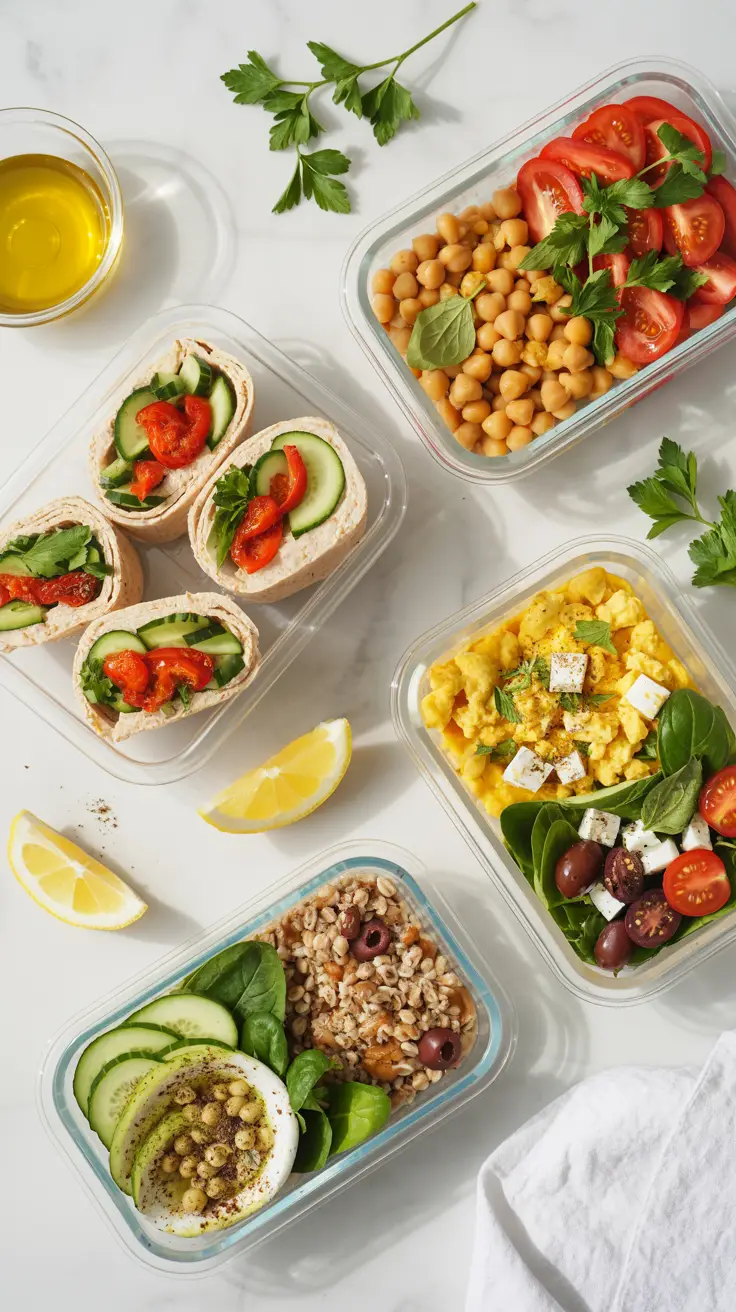
For the ultimate grab-and-go option, prepare Mediterranean mason jar salads by layering olive oil dressing at the bottom, followed by sturdy vegetables like chickpeas and peppers, then delicate greens at the top. When ready to eat, simply shake and enjoy. These portable meals stay fresh for days and eliminate the need for separate dressing containers.
Make-Ahead Mediterranean Lunches for Work or School
Meal prep becomes effortless with Mediterranean ingredients that actually improve with time. Many Mediterranean flavors develop and meld when given a chance to marry, making them perfect candidates for advance preparation.
Mediterranean pasta salad leads the make-ahead category because it tastes better after sitting overnight. Combine cooked whole grain pasta with halved cherry tomatoes, diced cucumber, kalamata olives, red onion, and cubes of feta cheese. The dressing of olive oil, red wine vinegar, garlic, and herbs penetrates the pasta and vegetables, creating deeper, more complex flavors than freshly made versions.
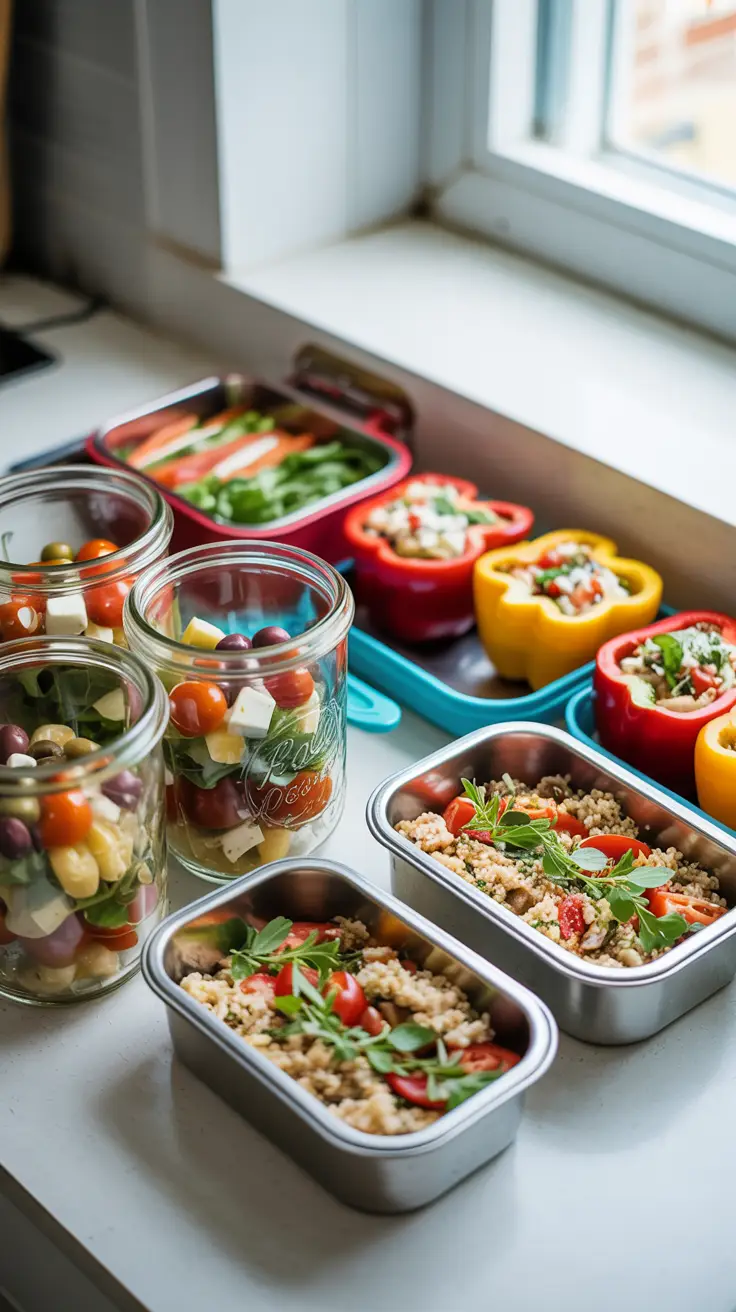
Quinoa tabbouleh offers another excellent prep-ahead option that stays fresh for up to five days. Traditional tabbouleh uses bulgur wheat, but quinoa provides complete protein and a lighter texture. Mix cooked, cooled quinoa with finely chopped parsley, mint, tomatoes, and scallions, then dress with lemon juice and olive oil. The grains absorb the citrus flavors while maintaining their texture.
Mediterranean grain bowls can be partially assembled in advance by cooking grains like farro or bulgur wheat, roasting vegetables such as zucchini and bell peppers, and preparing proteins like baked chicken or white beans. Store components separately and assemble when ready to eat, adding fresh elements like cucumber and herbs at serving time.
Stuffed bell peppers travel well and reheat beautifully, making them ideal for office lunches. Fill hollowed bell peppers with a mixture of cooked rice, diced tomatoes, herbs, and your choice of protein. These colorful vessels are naturally portion-controlled and provide a complete meal in an attractive package.
Fresh Salad Bowls Inspired by the Mediterranean Coast
Mediterranean salad bowls showcase the diet’s emphasis on fresh, seasonal produce while providing endless customization options. These nutrient-dense meals prove that salads can be both satisfying and exciting when constructed thoughtfully.
The classic Greek village salad (horiatiki) serves as inspiration for heartier lunch bowls. Layer mixed greens with chunks of ripe tomatoes, cucumber slices, thinly sliced red onion, and generous amounts of feta cheese. Add kalamata olives for brininess and dress simply with olive oil and red wine vinegar. The key is using the best quality tomatoes available and allowing them to release their juices into the dressing.
Warm grain salads bridge the gap between traditional cold salads and more substantial meals. Combine warm cooked farro or bulgur with roasted vegetables like eggplant, zucchini, and red peppers. Top with fresh herbs, toasted pine nuts, and a sprinkle of goat cheese. The contrast of temperatures and textures creates an engaging eating experience.
Fattoush-inspired bowls incorporate the Middle Eastern tradition of using toasted pita bread as a salad component. Mix torn lettuce, tomatoes, cucumber, and radishes with pieces of toasted pita bread that have been brushed with olive oil and seasoned with za’atar. The bread softens slightly from the vegetables’ moisture while maintaining some crunch.
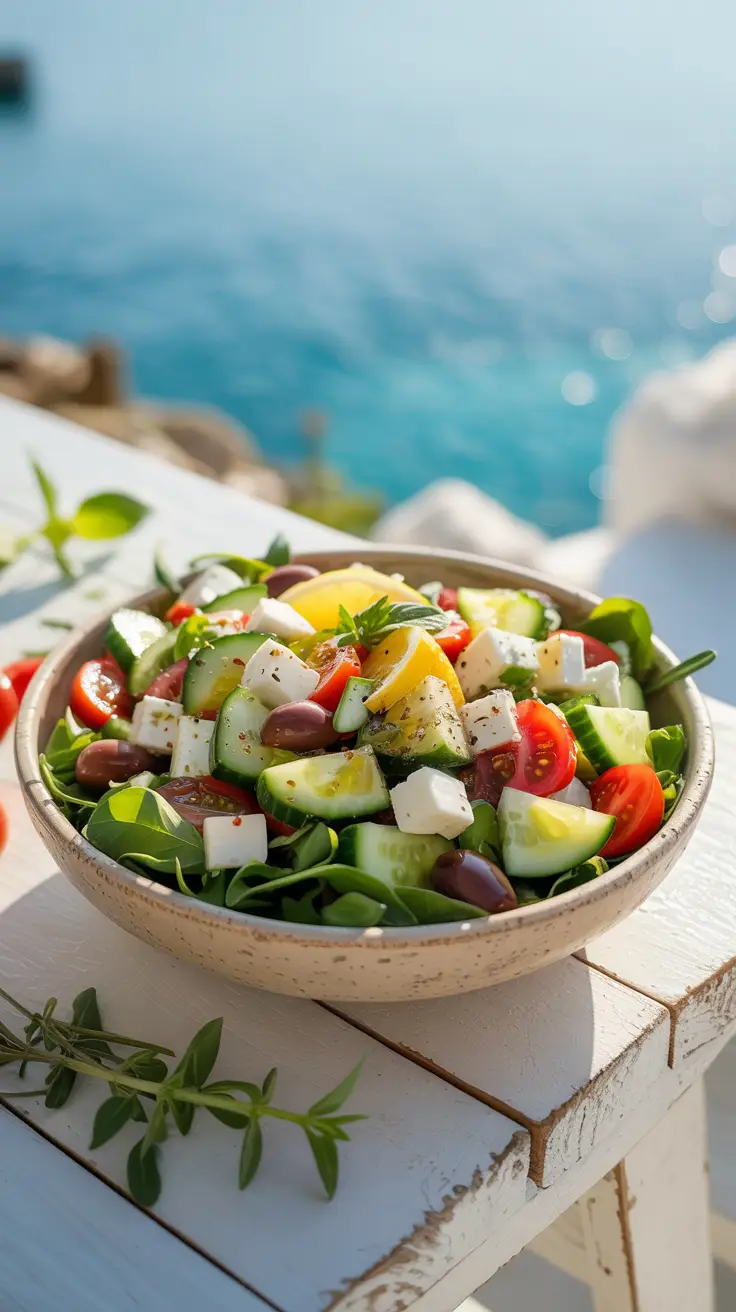
Seafood salad bowls celebrate the Mediterranean’s coastal influences. Combine mixed greens with flaked cooked salmon or canned tuna, white beans, cherry tomatoes, and thinly sliced fennel. The omega-3 rich fish provides heart-healthy fats while the fennel adds a subtle anise flavor that complements seafood perfectly.
High-Protein Mediterranean Lunch Options
Mediterranean cuisine offers numerous high-protein lunch options that support muscle maintenance and provide lasting satiety without relying heavily on red meat. These protein-rich meals demonstrate how plant-based and seafood proteins can be both satisfying and delicious.
Lentil-based dishes excel in the protein department while offering incredible versatility. Mediterranean lentil soup with vegetables like carrots, celery, and spinach provides approximately 18 grams of protein per serving. Enhance the flavor profile with bay leaves, thyme, and a splash of lemon juice at serving time. This soup freezes well and can be portioned into individual containers for easy reheating.
Greek-style baked fish offers restaurant-quality results with minimal effort. Season white fish fillets with olive oil, lemon juice, oregano, and garlic, then bake with sliced tomatoes and onions. Serve alongside Greek-style green beans or a simple cucumber salad. Fish cooks quickly and provides complete protein plus omega-3 fatty acids essential for brain health.
Bean and legume salads deliver impressive protein content while remaining budget-friendly and vegetarian. A three-bean salad combining cannellini beans, chickpeas, and kidney beans provides over 20 grams of protein per generous serving. Add diced bell peppers, red onion, and fresh parsley, then dress with a simple vinaigrette enhanced with Dijon mustard.
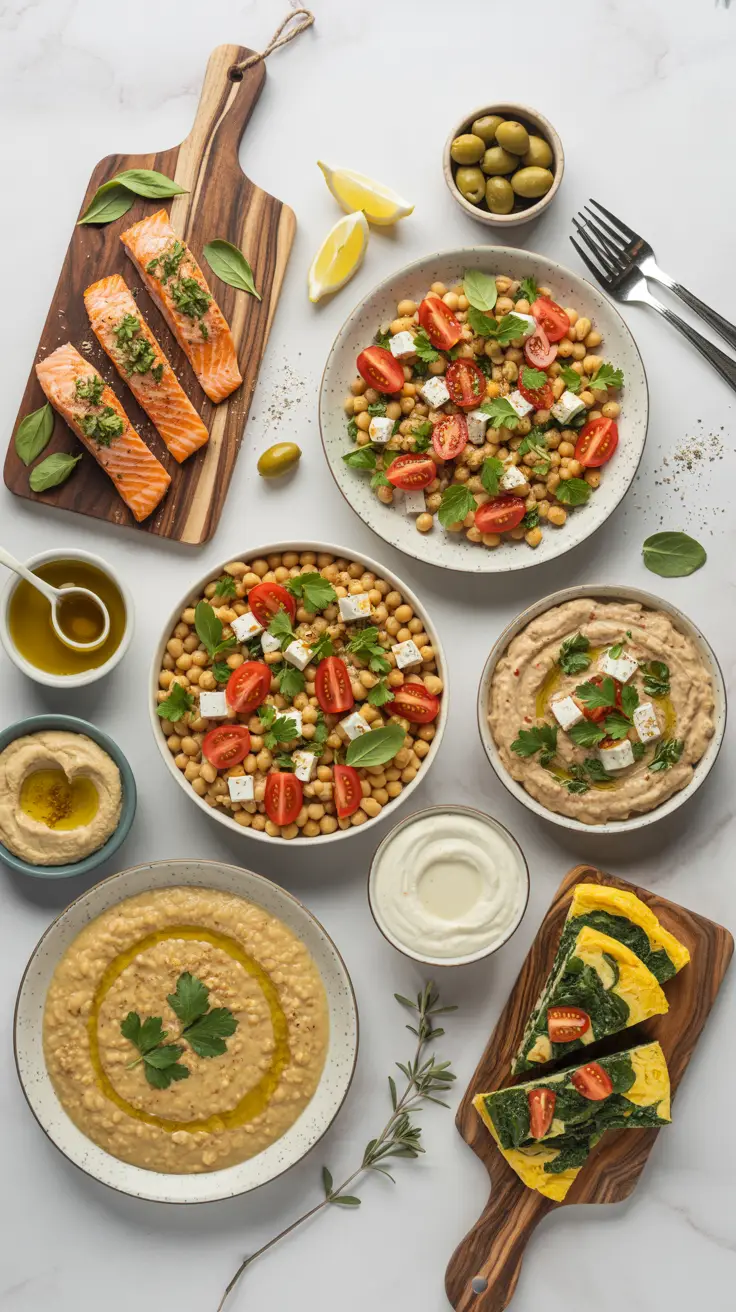
Egg-based dishes extend beyond breakfast into satisfying lunch territory. Mediterranean frittata loaded with spinach, sun-dried tomatoes, and feta can be made ahead and served at room temperature. Cut into wedges and pack with fresh fruit and whole grain crackers for a complete meal that travels well and provides sustained energy throughout the afternoon.
Vegetarian and Vegan Mediterranean Lunch Ideas
Plant-based Mediterranean lunches showcase the natural abundance of vegetables, grains, and legumes that form the foundation of this eating pattern. These meals prove that vegetarian and vegan options can be every bit as satisfying and flavorful as their meat-containing counterparts.
Stuffed vegetables represent a cornerstone of Mediterranean vegetarian cooking. Hollowed tomatoes, bell peppers, or zucchini can be filled with a mixture of rice, herbs, pine nuts, and currants. This combination provides complex carbohydrates, protein from nuts, and natural sweetness from the currants. Bake until the vegetables are tender and the filling is golden on top.
Mediterranean chickpea curry adapts traditional spices to create a warming, protein-rich lunch. Sauté onions, garlic, and bell peppers, add canned diced tomatoes, chickpeas, and spices like cumin, paprika, and a touch of cinnamon. Simmer until thick and serve over quinoa or bulgur wheat. This dish improves with time, making it perfect for meal prep.
Roasted vegetable and hummus bowls celebrate seasonal produce while providing complete nutrition. Roast a combination of eggplant, zucchini, bell peppers, and red onion with olive oil and herbs. Serve over a bed of greens or grains with a generous dollop of homemade or store-bought hummus. The roasted vegetables provide complex flavors while the hummus contributes protein and healthy fats.
Vegan Mediterranean pasta dishes use olive oil, garlic, and fresh herbs as the flavor base instead of cheese or cream. Toss whole grain pasta with sautéed cherry tomatoes, spinach, garlic, and olive oil, finishing with fresh basil and a sprinkle of nutritional yeast for umami depth. This simple combination allows the quality of individual ingredients to shine through.
Mediterranean Wraps, Sandwiches, and Pitas
Handheld Mediterranean lunches offer convenience without compromising nutrition or flavor. These portable options make it easy to enjoy Mediterranean eating even with the busiest schedules or when eating on the go.
Falafel wraps bring Middle Eastern flavors into the Mediterranean lunch rotation. While homemade falafel is ideal, high-quality frozen options can save time on busy days. Wrap warm falafel in whole wheat pita or lavash with lettuce, tomatoes, cucumber, and tahini sauce. The combination of plant-based protein from chickpeas and tahini creates a satisfying, complete meal.
Greek-style chicken pita pockets offer a lighter alternative to heavy sandwiches. Marinate chicken breast in olive oil, lemon juice, oregano, and garlic, then grill or bake until cooked through. Stuff warm pita pockets with sliced chicken, diced cucumber, tomatoes, red onion, and tzatziki sauce. The yogurt-based tzatziki provides probiotics and cooling contrast to the seasoned chicken.
Vegetarian Mediterranean panini utilize the panini press or grill pan to create warm, crispy exteriors while keeping fillings hot and melded. Layer whole grain bread with hummus, roasted red peppers, spinach, sun-dried tomatoes, and a sprinkle of feta cheese. Press until golden and the cheese is slightly melted. The heat intensifies the flavors while creating an appealing texture contrast.
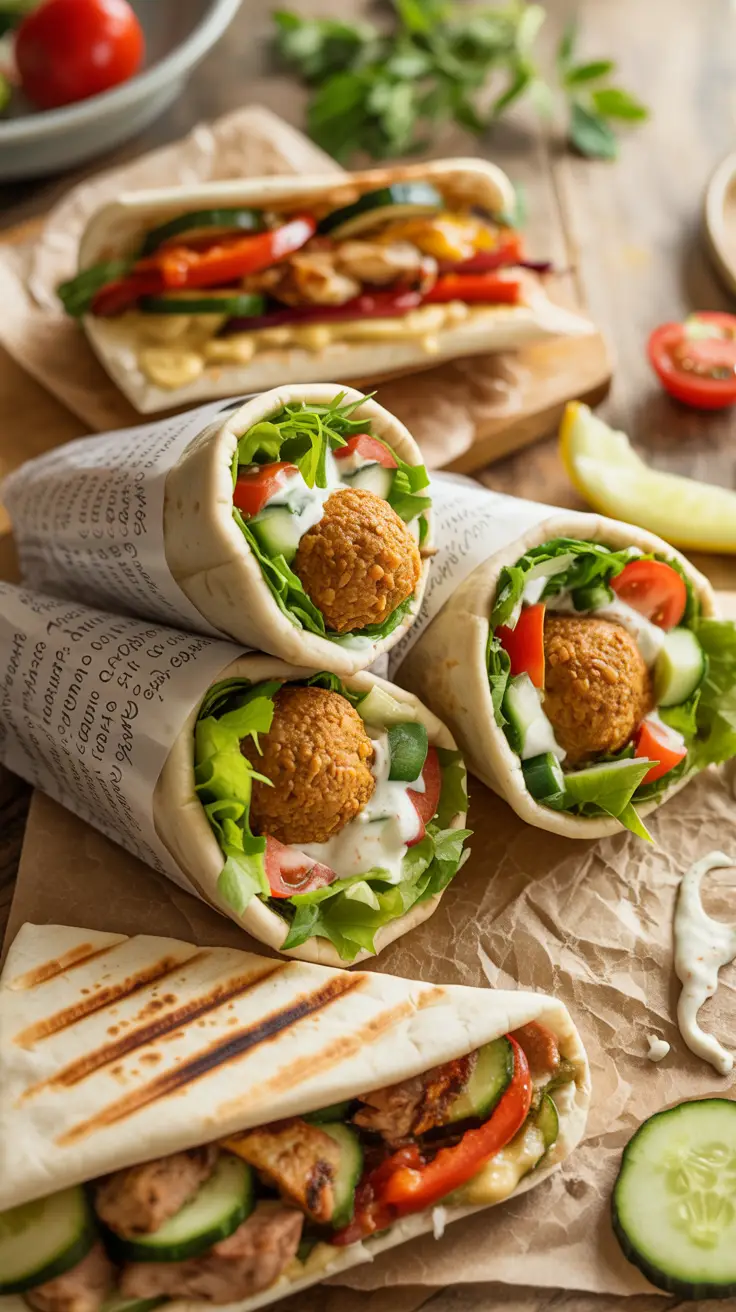
Open-faced Mediterranean toasts work well for lighter lunch appetites or when paired with soup or salad. Toast thick slices of whole grain bread, then top with mashed avocado, sliced tomatoes, a drizzle of olive oil, and finishing salt. Add crumbled feta and fresh herbs for extra Mediterranean flavor. These toasts provide healthy fats and fiber while remaining visually appealing and Instagram-worthy.
Also Read:
31 Mediterranean Diet Grocery List Ideas for Healthy Meals
7-Day Mediterranean Diet Meal Plan for Beginners
29 Easy Mediterranean Dessert Ideas You’ll Love
Warm Mediterranean Lunch Bowls for Cozy Days
When comfort food calls, warm Mediterranean lunch bowls deliver satisfaction without the heaviness of traditional comfort foods. These nourishing bowls combine warming spices, hearty grains, and cooked vegetables to create meals perfect for cooler weather or when you need extra comfort.
Mediterranean grain bowls with roasted vegetables showcase how cooking methods can transform simple ingredients into complex, satisfying meals. Roast a mixture of root vegetables like sweet potatoes, carrots, and beets with olive oil, salt, and herbs like rosemary or thyme. Serve over warm quinoa or farro, then top with crumbled goat cheese and toasted walnuts. The natural sweetness of roasted vegetables balances beautifully with tangy cheese and crunchy nuts.
Greek-style lemon rice soup (avgolemono) provides ultimate comfort while remaining light and nutritious. This traditional soup combines chicken broth, rice, eggs, and lemon juice in a silky, warming bowl that’s perfect for lunch. The eggs provide protein while the lemon adds brightness that prevents the soup from feeling heavy. Serve with crusty whole grain bread for added satisfaction.
Warm white bean and kale soup celebrates the Mediterranean tradition of combining legumes with dark leafy greens. Sauté garlic and onion in olive oil, add canned white beans, vegetable broth, and chopped kale. Season with rosemary and bay leaves, then simmer until the kale is tender. This protein-rich soup provides iron, fiber, and antioxidants while remaining budget-friendly and filling.
Mediterranean-style stuffed acorn squash makes an elegant single-serving lunch that’s naturally portion-controlled. Halve and roast acorn squash, then fill with a mixture of cooked bulgur wheat, dried cranberries, toasted pine nuts, and fresh herbs. The squash provides natural sweetness and vitamin A while the filling offers complex carbohydrates and healthy fats.
Simple Mediterranean Mezze Platters
Mezze-style lunches embrace the Mediterranean tradition of small plates and shared eating, making them perfect for those who prefer variety over single large portions. These mix-and-match meals can be as simple or elaborate as time and preferences allow.
Basic mezze components include hummus, olives, cheese, vegetables, and bread, but the beauty lies in endless customization possibilities. Start with store-bought hummus or make your own, add a selection of olives like kalamata, green, or mixed varieties, include chunks of feta or goat cheese, and arrange colorful raw vegetables like cherry tomatoes, cucumber slices, and bell pepper strips.
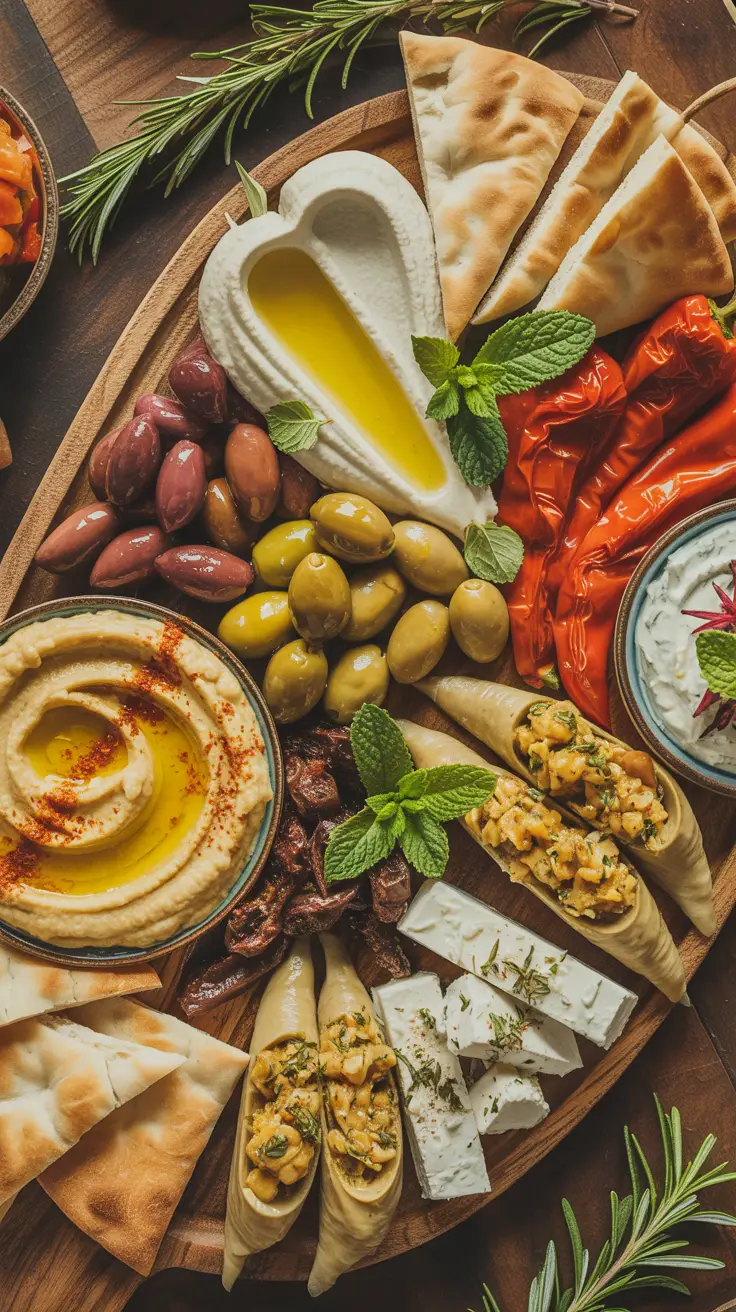
Upgraded mezze platters incorporate homemade elements that elevate the entire experience. Make your own tapenade by blending olives with capers, garlic, and olive oil, or prepare baba ganoush from roasted eggplant. These homemade components can be made ahead and actually improve in flavor after sitting, making them perfect for meal prep.
Warm mezze elements add temperature and textural variety to cold components. Include warm items like stuffed grape leaves (dolmas), roasted red peppers, or grilled halloumi cheese. The contrast between warm and cold, creamy and crunchy, creates an engaging eating experience that feels more like dining than simply eating lunch.
Protein-rich mezze additions ensure these small plate meals provide lasting satisfaction. Hard-boiled eggs, canned sardines or anchovies, and white beans all fit perfectly into the mezze concept while adding significant protein. These additions transform what might be a light snack into a complete, balanced meal suitable for lunch.
Tips for Packing Mediterranean Lunches That Stay Fresh
Successful Mediterranean lunch packing requires understanding which ingredients travel well and how to maintain food safety and quality from morning preparation to lunchtime consumption. These strategies ensure your Mediterranean lunches taste as good at noon as they did when you packed them.
Temperature control becomes crucial for Mediterranean lunches containing dairy products like feta cheese or yogurt-based sauces. Invest in a good quality insulated lunch bag and ice packs to maintain safe temperatures, especially during warmer months. Pack perishable items in the center of the lunch bag surrounded by ice packs for maximum cooling efficiency.
Preventing sogginess requires strategic packing techniques, particularly for salads and wraps. Pack wet ingredients like tomatoes separately from dry ingredients like lettuce, combining them just before eating. For wraps, spread hummus or other moisture barriers on the tortilla before adding wet ingredients, creating a protective layer that prevents soggy bread.
Mason jar layering techniques work particularly well for Mediterranean salads and grain bowls. Start with dressing at the bottom, add sturdy vegetables like chickpeas and bell peppers, then layer grains or pasta, and finish with delicate greens at the top. This method keeps ingredients separate until you’re ready to eat, ensuring optimal texture and freshness.
Portable protein solutions include hard-boiled eggs, individual containers of Greek yogurt, and single-serving packets of nuts or seeds. These protein sources don’t require heating and remain safe at room temperature for several hours, making them ideal for office lunches or school meals where refrigeration might not be available.
Healthy Mediterranean Lunch Ideas for Weight Loss
Mediterranean lunches naturally support weight management goals through their emphasis on fiber-rich vegetables, lean proteins, and healthy fats that promote satiety without excess calories. These meals prove that weight loss doesn’t require deprivation or bland food.
Vegetable-forward meals maximize nutrition while minimizing calories, making them perfect for weight loss goals. Build lunches around large portions of non-starchy vegetables like zucchini, bell peppers, cucumber, and leafy greens, then add moderate portions of protein and small amounts of healthy fats. A large Greek salad with grilled chicken provides substantial volume and satisfaction with relatively few calories.
Portion control happens naturally when you emphasize Mediterranean ingredients because their high fiber and healthy fat content trigger satiety signals more effectively than processed foods. A lunch featuring hummus, vegetables, and whole grain pita naturally stops feeling appealing when you’ve eaten enough, unlike processed snack foods that can be consumed mindlessly.
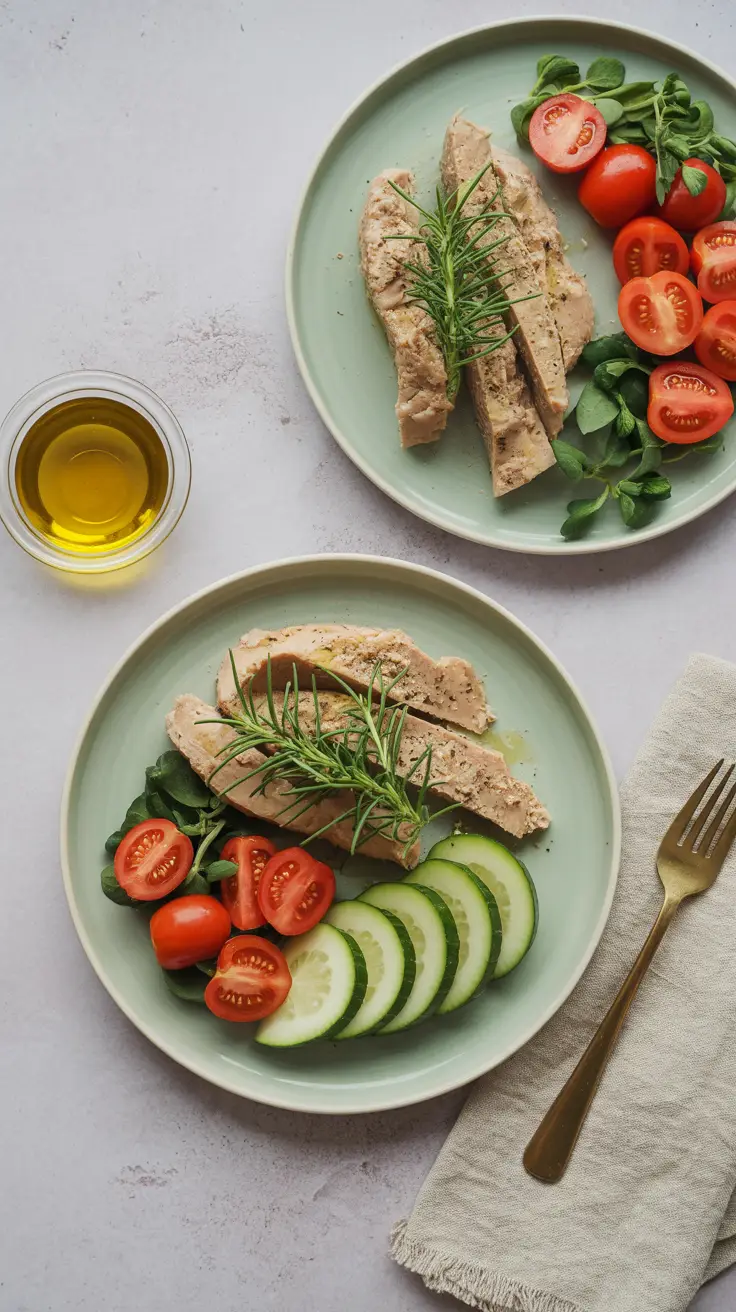
Protein timing strategies can enhance weight loss results by including adequate protein at lunch to maintain stable blood sugar and prevent afternoon cravings. Mediterranean options like Greek yogurt with vegetables, lentil soup, or grilled fish provide high-quality protein that supports muscle maintenance during weight loss.
Meal timing flexibility allows you to adapt Mediterranean eating patterns to support your natural hunger cues and lifestyle. Some people find that a larger Mediterranean lunch with a lighter dinner works better for their schedule and appetite, while others prefer moderate lunch portions with planned healthy snacks.
Budget-Friendly Mediterranean Lunch Recipes
Mediterranean eating doesn’t require expensive imported ingredients or specialty items to deliver authentic flavors and nutritional benefits. These budget-conscious approaches prove that healthy, delicious Mediterranean lunches can fit any food budget.
Pantry staples form the foundation of affordable Mediterranean cooking. Stock up on dried beans and lentils, canned tomatoes, olive oil, pasta, rice, and basic herbs and spices. These ingredients have long shelf lives and can be combined in countless ways to create satisfying meals. A simple pasta e fagioli (pasta and beans) requires only pasta, canned beans, canned tomatoes, garlic, and olive oil but delivers restaurant-quality flavor.
Seasonal shopping strategies maximize both flavor and affordability by choosing vegetables and fruits at their peak availability. Summer tomatoes cost less and taste better than winter imports, while winter root vegetables provide hearty, satisfying meals at budget-friendly prices. Build your Mediterranean lunch menu around what’s in season and on sale.
Batch cooking techniques stretch your food budget by allowing you to buy ingredients in larger, more economical quantities. Cook large batches of grains like quinoa or bulgur wheat, then use them throughout the week in different applications—salads, soups, stuffed vegetables, or grain bowls. Similarly, prepare large quantities of basic components like hummus or roasted vegetables for multiple meals.
Strategic protein choices help manage food costs while maintaining nutrition quality. Eggs, canned fish like sardines or tuna, dried beans and lentils, and occasional sales on chicken thighs provide high-quality protein at lower costs than premium items like fresh fish or organic meats. These affordable proteins work beautifully in Mediterranean preparations.
How to Build Your Own Mediterranean Lunch Bowl
Creating your own Mediterranean lunch bowl gives you complete control over flavors, portions, and nutritional content while ensuring you never get bored with the same meal twice. This modular approach makes meal planning easier and more sustainable.
Start with a base of complex carbohydrates that provide sustained energy and fiber. Choose from cooked quinoa, bulgur wheat, brown rice, farro, or even cauliflower rice for a lower-carb option. Aim for about ½ to ¾ cup of cooked grains per bowl, adjusting based on your hunger level and activity needs.
Add substantial vegetables to provide vitamins, minerals, and fiber while adding volume and visual appeal to your bowl. Include both raw elements like cucumber, cherry tomatoes, and bell peppers for crunch, and cooked elements like roasted eggplant, zucchini, or spinach for variety. Aim to fill about half your bowl with vegetables.
Include a protein source to make your bowl satisfying and nutritionally complete. Mediterranean-friendly options include chickpeas, white beans, lentils, grilled chicken, baked fish, hard-boiled eggs, or crumbled feta cheese. Most people need about 3-4 ounces of protein or ½ cup of legumes per meal.
Finish with healthy fats and flavor enhancers that tie all the components together. Drizzle with extra virgin olive oil, add sliced avocado, sprinkle with nuts or seeds, and include fresh herbs like parsley, basil, or mint. These finishing touches transform a collection of ingredients into a cohesive, restaurant-worthy meal.
Also Read:
How to Get More Protein in Your Diet: 14 Expert-Backed Strategies
How to Increase Protein Intake for Weight Loss
Making Mediterranean Eating Your Lifestyle
Adopting Mediterranean-style lunches represents more than just changing what you eat—it’s embracing a philosophy that prioritizes fresh, whole foods and mindful eating practices. This approach to lunch can serve as a gateway to broader lifestyle changes that support long-term health and well-being.
Sustainable habit formation happens gradually through small, consistent changes rather than dramatic overhauls. Start by incorporating one Mediterranean-inspired lunch per week, gradually increasing frequency as these flavors and preparations become more familiar and appealing. This gentle approach prevents overwhelm and increases the likelihood of long-term success.
Seasonal eating patterns naturally develop when you focus on Mediterranean principles, connecting you more closely with natural rhythms and local food systems. Summer Mediterranean lunches might feature abundant tomatoes, cucumbers, and fresh herbs, while winter versions emphasize hearty grains, stored vegetables, and warming spices.
Social aspects of Mediterranean eating can enhance your lunch experience even when eating alone. Take time to prepare and present your food attractively, eat without distractions when possible, and savor the flavors and textures. This mindful approach to lunch can provide a restorative break in busy days and help you maintain connection with your food choices.
The flexibility of Mediterranean eating principles means you can adapt them to your specific preferences, dietary restrictions, and lifestyle demands while maintaining the core benefits of this proven healthy eating pattern. Whether you’re vegetarian, gluten-free, or simply pressed for time, Mediterranean approaches offer solutions that work with your life rather than against it.