Losing weight can feel like a complex puzzle, with countless diets and strategies promising results. One approach that consistently stands out for its effectiveness is focusing on protein. A high-protein diet can help you feel fuller for longer, build lean muscle, and boost your metabolism, making it a powerful tool for sustainable weight loss.
This guide offers a comprehensive 7-day protein diet plan designed to help you lose weight without feeling deprived. We’ll explore the science behind how protein aids weight loss, detail what to eat for every meal, and offer practical tips to help you succeed. By the end of this post, you’ll have a clear, actionable plan to kickstart your weight loss journey and build healthier eating habits for the long term.
What Is a Protein Diet and How Does It Help You Lose Weight?
A protein diet prioritizes foods rich in protein, such as meat, fish, eggs, dairy, legumes, and nuts, while moderating carbohydrates and fats. The primary goal is to leverage protein’s unique properties to support weight loss. But how does it actually work? First, protein has a high thermic effect of food (TEF). This means your body burns more calories digesting and metabolizing protein compared to fats and carbohydrates. This metabolic boost can contribute to a greater daily calorie burn.
Second, protein is incredibly satiating. It helps you feel full and satisfied after meals, which naturally reduces your overall calorie intake by curbing hunger pangs and minimizing the urge to snack between meals. It works by influencing the hormones that regulate appetite, such as ghrelin (the “hunger hormone”) and peptide YY (a gut hormone that signals fullness). By keeping you satisfied, a high-protein diet makes it easier to adhere to a calorie deficit, which is crucial for weight loss. This combination of increased metabolism and reduced appetite makes a protein-focused approach a highly effective strategy for achieving and maintaining a healthy weight.
Benefits of a High-Protein Diet for Weight Loss
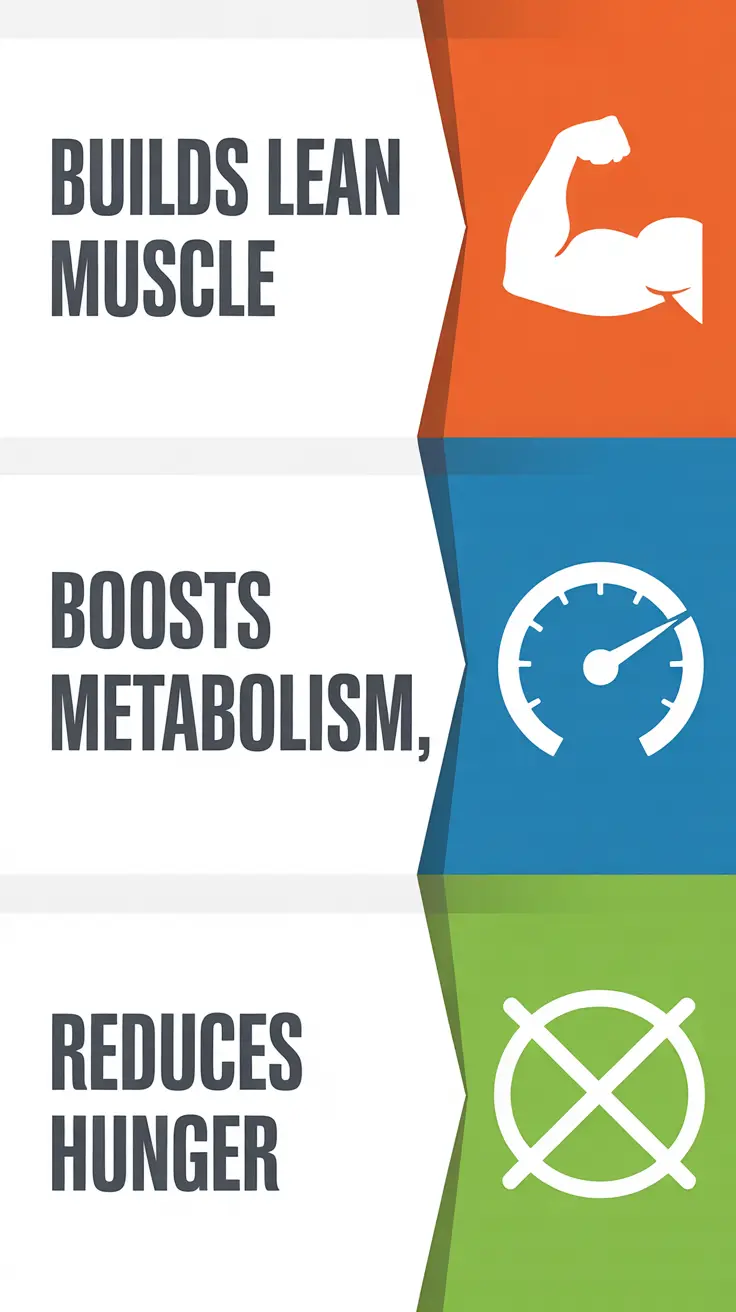
Beyond boosting metabolism and curbing hunger, a high-protein diet offers several other significant benefits for anyone looking to lose weight. One of the most important is the preservation of lean muscle mass. When you lose weight, you risk losing both fat and muscle. Since muscle burns more calories at rest than fat does, preserving it is crucial for maintaining a healthy metabolism. Consuming adequate protein provides the necessary amino acids to repair and maintain muscle tissue, ensuring that the weight you lose is primarily from fat.
Another key advantage is its role in blood sugar stabilization. Unlike refined carbohydrates, which can cause sharp spikes and crashes in blood glucose levels, protein has a minimal impact. Stable blood sugar levels help prevent energy slumps and reduce cravings for sugary, high-calorie foods. This makes it easier to make healthier food choices throughout the day. Furthermore, the sustained energy provided by a protein-rich diet supports consistent physical activity, which is another vital component of any successful weight loss plan. Together, these benefits create a powerful formula for effective and sustainable fat loss.
How Much Protein Do You Really Need Each Day?
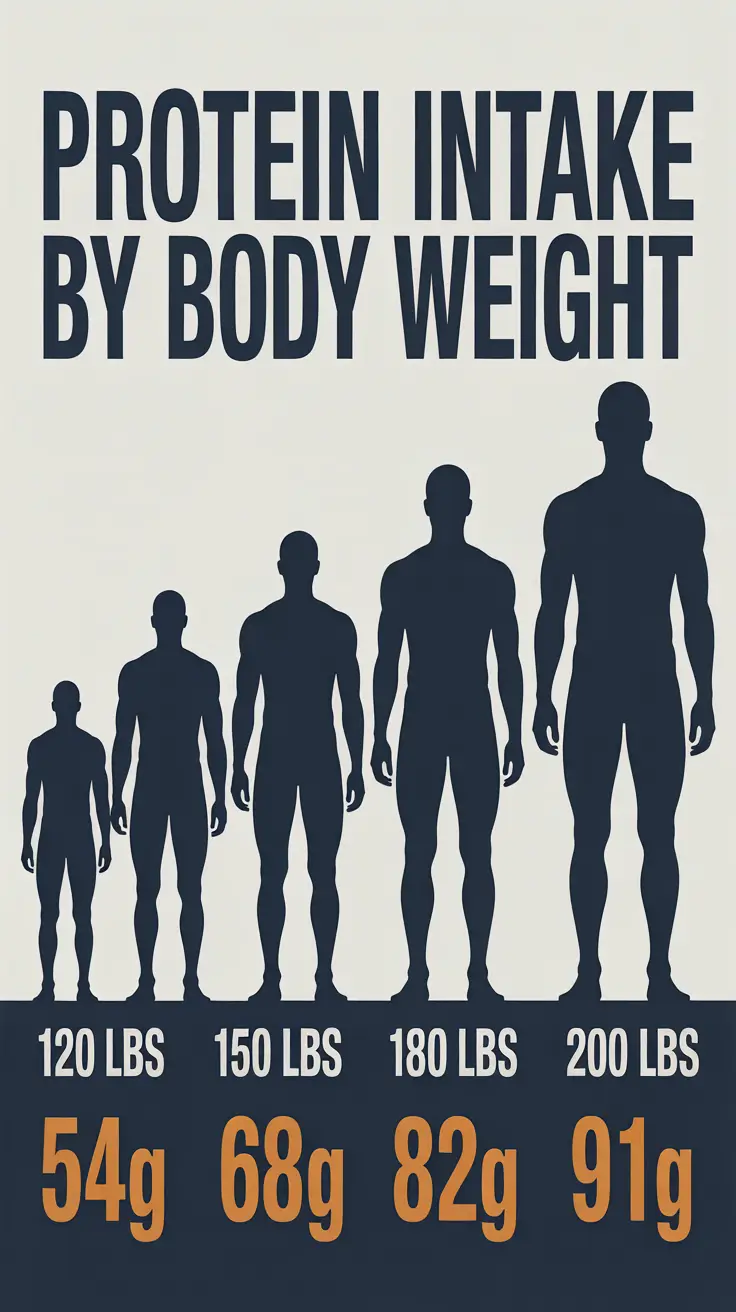
Determining your ideal daily protein intake is a crucial step for a successful weight loss journey, but the “right” amount can vary based on several factors. Your age, sex, weight, and activity level all play a role. The Recommended Dietary Allowance (RDA) for a sedentary adult is 0.8 grams of protein per kilogram of body weight (or about 0.36 grams per pound). However, for active individuals aiming for weight loss, this number should be significantly higher to support muscle preservation and satiety.
Most experts recommend a daily protein intake of between 1.2 to 1.6 grams per kilogram of body weight for effective weight loss. For example, a 150-pound (68 kg) person would aim for approximately 82 to 109 grams of protein per day. Some studies even suggest that consuming up to 2 grams per kilogram can be beneficial, especially for those engaging in intense strength training.
A practical approach is to aim for 25-30 grams of protein per meal. This distribution helps maximize muscle protein synthesis and keeps you feeling full throughout the day. Using a food tracking app can be helpful initially to ensure you’re meeting your targets without overthinking it.
7-Day Protein Diet Plan for Weight Loss (With Sample Menu)
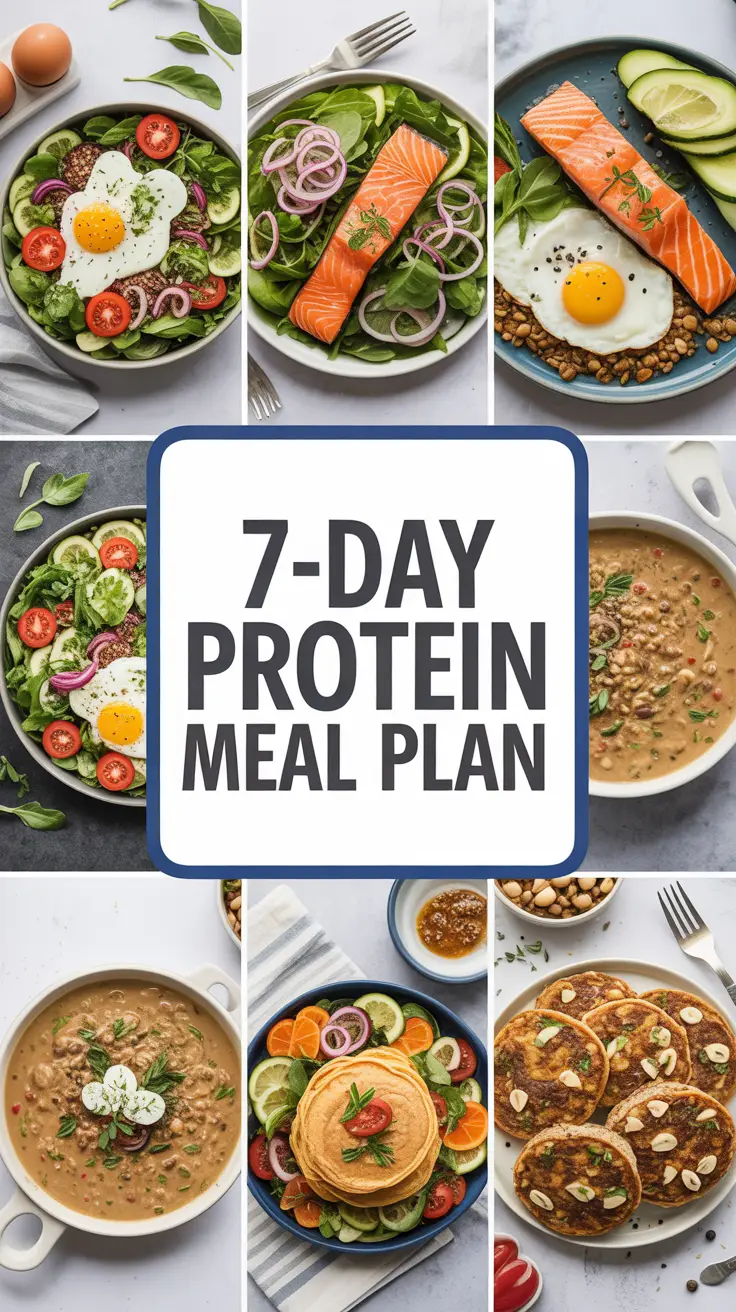
Embarking on a high-protein diet is much easier with a clear plan. This sample 7-day menu is designed to be delicious, satisfying, and packed with the protein you need to achieve your weight loss goals. Each day provides a balanced mix of lean proteins, healthy fats, and fiber-rich vegetables to keep you energized and full. This plan is a template, so feel free to swap meals based on your preferences or what you have available.
Remember to drink plenty of water throughout the day. The key is to consistently hit your protein targets while enjoying a variety of nutritious foods. This structured approach removes the guesswork, allowing you to focus on building healthy habits that last.
Day-by-Day Protein Meal Plan Breakdown
Here is a detailed breakdown of what to eat for each meal over the next seven days.
Day 1
Breakfast: Scrambled eggs (3) with spinach and a side of half an avocado.
Lunch: Grilled chicken breast salad with mixed greens, cherry tomatoes, cucumbers, and a light vinaigrette.
Dinner: Baked salmon with a side of steamed asparagus and quinoa.
Day 2
Breakfast: Greek yogurt (1 cup) with a handful of berries and a tablespoon of chia seeds.
Lunch: Tuna salad (made with Greek yogurt instead of mayo) in whole-wheat pita bread with lettuce.
Dinner: Lean ground turkey stir-fry with broccoli, bell peppers, and a low-sodium soy sauce.
Day 3
Breakfast: Protein smoothie with one scoop of protein powder, almond milk, a banana, and a spoonful of almond butter.
Lunch: Leftover turkey stir-fry.
Dinner: Pork chops with roasted Brussels sprouts and sweet potato wedges.
Day 4
Breakfast: Oatmeal made with milk, topped with sliced almonds and a sprinkle of cinnamon.
Lunch: Lentil soup with a side of whole-grain crackers.
Dinner: Grilled steak with a large side salad.
Day 5
Breakfast: Cottage cheese (1 cup) with sliced peaches.
Lunch: Leftover steak salad.
Dinner: Shrimp scampi with zucchini noodles instead of pasta.
Day 6
Breakfast: Protein pancakes made with protein powder and oats, topped with fresh fruit.
Lunch: Chicken and vegetable skewers.
Dinner: Black bean burgers on whole-wheat buns with a side of coleslaw.
Day 7
Breakfast: Omelet with cheese, mushrooms, and bell peppers.
Lunch: Leftover black bean burgers.
Dinner: Baked cod with a lemon-dill sauce, served with green beans and brown rice.
Also Read:
How to Get More Protein in Your Diet: 14 Expert-Backed Strategies
How to Increase Protein Intake for Weight Loss
Top Protein-Rich Foods to Include in Your Diet
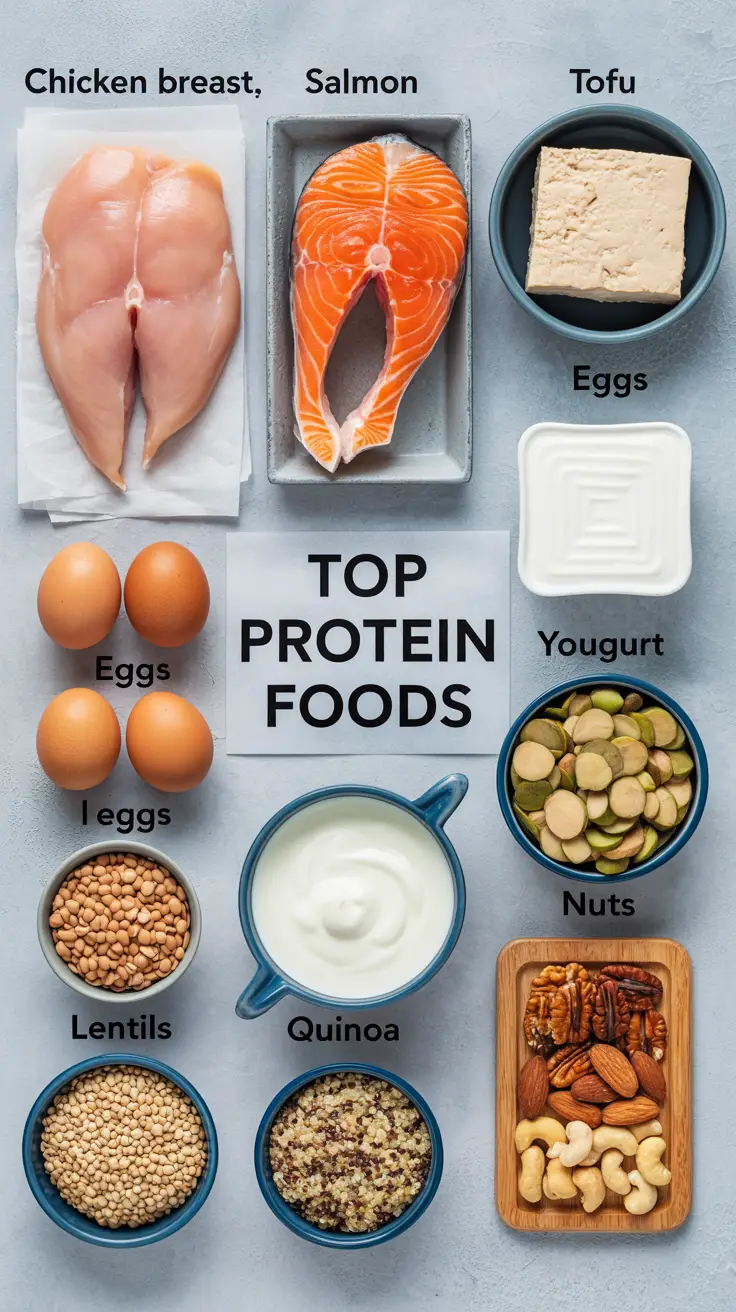
To build a sustainable and enjoyable high-protein diet, it’s essential to incorporate a wide variety of protein sources. Relying on just one or two options can lead to nutrient deficiencies and meal-time boredom. Lean meats are a great foundation; chicken breast, turkey, and lean cuts of beef and pork offer high-quality protein with minimal fat. Fish, especially fatty varieties like salmon, mackerel, and sardines, provide both protein and heart-healthy omega-3 fatty acids. Eggs are another powerhouse, offering a complete protein source that is both affordable and versatile.
Don’t forget dairy products. Greek yogurt, cottage cheese, and milk are excellent sources of protein and also provide calcium for bone health. Plant-based foods can also be packed with protein. Legumes like lentils, chickpeas, and black beans are fantastic additions to soups, salads, and main dishes. Soy products, including tofu, tempeh, and edamame, are complete proteins that work well in many recipes. Finally, nuts and seeds like almonds, peanuts, chia seeds, and hemp seeds are perfect for snacks or as toppings to boost the protein content of your meals.
Vegetarian and Vegan Protein Options
Following a high-protein diet is entirely achievable without consuming animal products. The plant kingdom offers a vast array of protein-rich foods that can help you meet your daily needs while enjoying a diverse and flavorful diet. Legumes are a cornerstone of any plant-based diet; lentils, chickpeas, black beans, and kidney beans are not only high in protein but also rich in fiber, which aids digestion and satiety. For example, one cup of cooked lentils provides about 18 grams of protein.
Soy products are another excellent option. Tofu, tempeh, and edamame are complete proteins, meaning they contain all nine essential amino acids. Tofu is incredibly versatile and can be baked, grilled, or scrambled, while tempeh offers a firmer texture and nutty flavor.
Nuts and seeds are also fantastic sources; almonds, walnuts, chia seeds, and hemp seeds can be added to smoothies, oatmeal, or eaten as a snack. Even whole grains like quinoa and certain vegetables like spinach and broccoli contribute to your daily protein intake. By combining these different plant-based sources, you can ensure you’re getting a full spectrum of amino acids and nutrients.
Healthy Protein Snacks to Keep You Full Between Meals
Snacking smartly is a secret weapon for succeeding on a high-protein diet. The right snacks can bridge the gap between meals, prevent overeating, and keep your energy levels stable. Instead of reaching for chips or candy, opt for protein-packed choices that will keep you satisfied. A handful of almonds or walnuts provides a great mix of protein, healthy fats, and fiber. Hard-boiled eggs are another convenient and portable option, with each egg offering about 6 grams of high-quality protein.
Greek yogurt is an excellent snack, especially when topped with a few berries for added antioxidants and fiber. For something savory, consider beef or turkey jerky—just be sure to choose a brand that is low in sodium and sugar. Cottage cheese is another fantastic choice, delivering a slow-digesting protein called casein that can keep you feeling full for hours. If you’re on the go, a quality protein bar or a simple protein shake can be a lifesaver. Even roasted chickpeas or edamame can provide that satisfying crunch you crave, along with a healthy dose of protein and fiber.
Common Mistakes to Avoid on a Protein Diet
While a high-protein diet can be highly effective for weight loss, a few common mistakes can hinder your progress. One of the biggest pitfalls is neglecting other essential nutrients, particularly fiber from fruits, vegetables, and whole grains. Focusing solely on protein can lead to constipation and nutrient deficiencies. It’s crucial to maintain a balanced plate that includes plenty of colorful produce to ensure you’re getting the vitamins, minerals, and antioxidants your body needs.
Another frequent error is choosing the wrong types of protein. Processed meats like bacon, sausage, and certain deli meats are often high in sodium, unhealthy fats, and preservatives, which can negatively impact your health. Prioritize lean, whole-food sources of protein instead.
Additionally, it’s easy to forget about hydration. Your body needs more water to metabolize protein, so failing to increase your fluid intake can strain your kidneys. Lastly, some people over-rely on protein supplements like shakes and bars. While convenient, these should complement, not replace, whole-food protein sources, which offer a broader range of nutrients.
Tips for Staying Consistent and Seeing Results
Consistency is the most critical factor for achieving lasting results on any diet plan. To stay on track with your high-protein diet, meal prepping is your best friend. Dedicate a few hours each weekend to plan your meals, shop for groceries, and prepare some of your food in advance. Having healthy, ready-to-eat meals and snacks makes it much easier to avoid impulsive, unhealthy choices when you’re busy or tired.
It’s also important to listen to your body. While the goal is to increase protein, don’t force yourself to eat when you’re not hungry. Pay attention to your body’s hunger and fullness cues. To keep things interesting and prevent “diet fatigue,” experiment with new recipes and different protein sources. Trying a new type of fish or a plant-based protein can make your meals more exciting. Finally, track your progress beyond the number on the scale. Take note of how your clothes fit, your energy levels, and your overall sense of well-being. These non-scale victories can be powerful motivators to keep you going.
How to Combine Protein with Exercise for Maximum Fat Loss
Pairing a high-protein diet with regular exercise creates a powerful synergy for fat loss and body composition improvement. The protein provides the building blocks to repair and grow muscle, while exercise burns calories and stimulates that muscle growth. For maximum fat loss, a combination of both cardiovascular exercise and strength training is ideal. Cardio, such as running, cycling, or brisk walking, helps create a calorie deficit by burning a significant number of calories during the activity.
Strength training, on the other hand, is essential for building and maintaining lean muscle mass. Lifting weights, using resistance bands, or doing bodyweight exercises like push-ups and squats tells your body to preserve muscle while it’s losing weight. This is crucial because more muscle means a higher resting metabolic rate, helping you burn more calories throughout the day. To optimize results, aim for at least 150 minutes of moderate cardio and two to three strength training sessions per week. Timing your protein intake around your workouts can also be beneficial. Consuming a protein-rich snack or meal within an hour or two after exercising can enhance muscle recovery and growth.
Hydration and Recovery While on a High-Protein Diet
Proper hydration and recovery are often overlooked but are vital components of a successful high-protein diet, especially when combined with exercise. When you increase your protein intake, your body needs more water to help the kidneys flush out the metabolic byproducts of protein digestion, such as urea. Dehydration can put unnecessary strain on your kidneys and hinder your overall progress. Aim to drink at least 8-10 glasses of water per day, and even more if you are active or live in a hot climate. Carrying a reusable water bottle can serve as a constant reminder to sip throughout the day.
Recovery is equally important. Your muscles don’t get stronger during your workout; they get stronger during the rest periods in between. Ensure you’re getting 7-9 hours of quality sleep per night. Sleep is when your body releases growth hormone, which is critical for muscle repair and fat metabolism. Active recovery techniques, such as stretching, foam rolling, or gentle yoga, can also help reduce muscle soreness and improve flexibility. Listening to your body and taking rest days when needed will prevent overtraining, reduce the risk of injury, and ensure you can consistently give your best effort in your workouts.
Can You Stay on a Protein Diet Long-Term?
The long-term sustainability of a high-protein diet is a common question, and the answer is yes—provided it is approached in a balanced and thoughtful way. A diet that is excessively high in protein and severely restrictive of other macronutrients may not be healthy or sustainable for the long haul. However, a moderately high-protein diet that includes a variety of lean protein sources, plenty of fruits and vegetables, healthy fats, and complex carbohydrates can absolutely be a healthy, lifelong eating pattern.
The key to long-term success is to view it not as a temporary “diet,” but as a permanent shift in your eating habits. This means finding a level of protein intake that feels right for your body and lifestyle, one that you can maintain without feeling overly restricted. As you reach your weight loss goals, you might adjust your protein and calorie intake to a maintenance level. Continuing to prioritize protein in your meals will help you maintain muscle mass and manage your appetite, making it easier to keep the weight off for good. Always consult with a healthcare provider or registered dietitian before making significant long-term changes to your diet.
Sample Grocery List for Your 7-Day Protein Plan
Proteins:
- Chicken breast (boneless, skinless)
- Salmon fillets
- Lean ground turkey
- Steak (lean cut, like sirloin)
- Eggs
- Canned tuna in water
- Pork chops
- Shrimp
- Cod fillets
- Dairy & Alternatives:
- Plain Greek yogurt
- Cottage cheese
- Almond milk (unsweetened)
- Cheese (feta or cheddar)
Plant-Based Proteins:
- Lentils (canned or dry)
- Black beans (canned)
- Quinoa
- Tofu or Tempeh
- Protein powder
Fruits & Vegetables:
- Spinach, mixed greens, lettuce
- Avocado
- Berries (fresh or frozen)
- Bananas
- Asparagus, broccoli, bell peppers, Brussels sprouts, green beans, mushrooms
- Cherry tomatoes, cucumbers
- Sweet potatoes
- Zucchini
Pantry & Grains:
- Oats (rolled or steel-cut)
- Brown rice
- Whole-wheat pita bread or buns
- Almonds, chia seeds
- Almond butter
- Olive oil, low-sodium soy sauce, vinaigrette
What to Expect After 7 Days
After completing your first week on a high-protein diet plan, you’re likely to notice several positive changes. One of the most immediate effects is often a reduction in water weight, which can result in a noticeable drop on the scale in the first few days. This initial loss is motivating and is a sign that your body is adapting to a lower-carbohydrate intake. Beyond the scale, you’ll probably feel less bloated and more energized. The satiating effect of protein means you’ll likely have experienced fewer hunger pangs and cravings, making it easier to stick to the plan.
You might also notice improvements in your energy levels. By stabilizing your blood sugar, a high-protein diet helps prevent the energy spikes and crashes associated with high-carb meals. This sustained energy can make your workouts feel more effective and your days more productive. While a single week isn’t enough time for significant fat loss, it is a fantastic start. It lays the foundation for building sustainable habits, proves that you can eat satisfying meals while losing weight, and provides the momentum you need to continue on your health journey.
Start Your Weight Loss Journey Today
A 7-day high-protein diet is more than just a week of healthy eating; it’s a powerful kickstart to a healthier lifestyle. By focusing on nutrient-dense foods that keep you full and energized, you set yourself up for sustainable weight loss success. This plan provides the structure and guidance you need to take control of your eating habits and see real results.
Remember that this is just the beginning. Use the knowledge and experience you’ve gained this week to continue making smart food choices. Listen to your body, stay consistent, and celebrate the small victories along the way. Your journey to a healthier, leaner you has already begun.