
There’s something magical about eating a warm, satisfying meal in the middle of the wilderness — the smell of woodsmoke in the air, pine trees overhead, and a sky full of stars beginning to appear. But great camp food doesn’t happen by accident. It happens because someone thought ahead.
Whether you’re a seasoned backpacker or heading out for your first family campout, smart meal prep can make the difference between a trip you’ll rave about and one you’ll want to forget. The good news? Camping food has come a long way from sad hot dogs on sticks. With a little planning, you can eat like royalty at 6,000 feet.
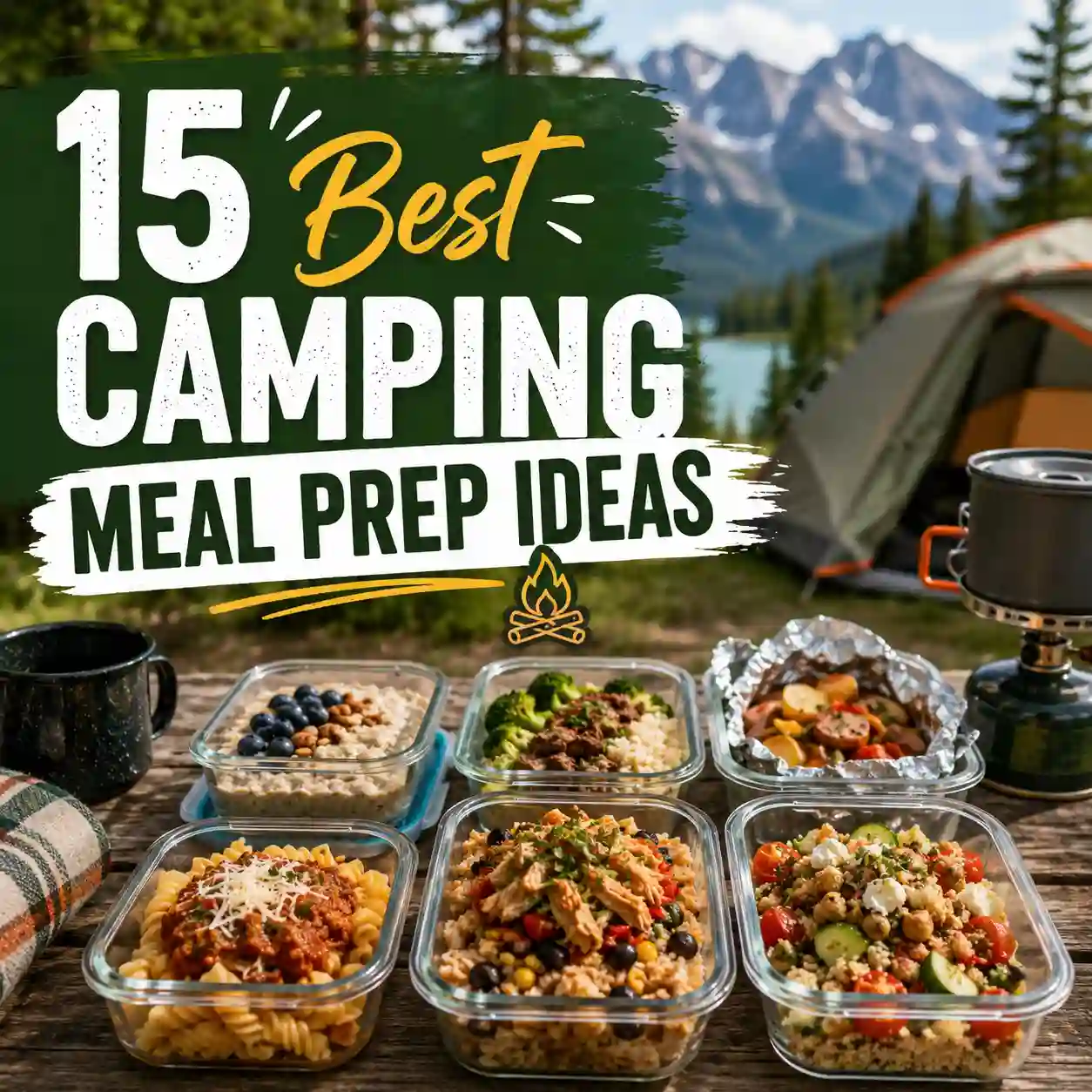
Here are 15 of the best camping meal prep ideas — from no-cook strategies to fire-roasted feasts — complete with a full recipe to inspire your camp kitchen game.
Pre-Make Foil Packets at Home
Foil packets are the undisputed hero of campsite cooking. Before you leave home, assemble your proteins, vegetables, and seasonings inside heavy-duty foil, then seal them tightly and refrigerate or freeze them. At camp, toss them directly onto hot coals or a grill grate.
Pre-making them saves enormous amounts of time and dishwashing misery. Try combinations like sausage with bell peppers and potatoes, lemon-herb salmon with asparagus, or garlic butter shrimp with corn and zucchini. Season boldly — the steam cooking mellows flavors.
Overnight Oats in Mason Jars
Breakfast is the meal most campers fumble. You’re groggy, the fire is slow to start, and everyone is hungry. Overnight oats solve all of this. Before departing, layer rolled oats, chia seeds, milk (dairy or non-dairy), honey, and your fruit of choice in individual mason jars. Cap tightly and keep in your cooler.
In the morning, pull them out and eat cold or slightly warmed. Add granola for crunch right before serving. Flavors like peanut butter banana, apple cinnamon, and blueberry vanilla are crowd-pleasers. This prep takes about ten minutes at home and delivers zero morning effort at camp.
Pre-Marinated Proteins in Zip-Lock Bags
Place your chicken thighs, steak strips, pork chops, or shrimp into heavy zip-lock bags with a marinade the night before you leave. As the meat thaws or stays cold in the cooler, it soaks up flavor the entire drive to your campsite.
By the time you’re ready to cook, you’ve got beautifully seasoned protein ready for the grill or a cast-iron skillet. Try teriyaki chicken, chimichurri flank steak, or cilantro-lime shrimp. The marinade also acts as a natural tenderizer, which matters when you’re cooking over uneven heat.
Homemade Trail Mix Packs
Trail mix is the most underrated snack in camp cooking. When made from scratch and portioned into individual bags, it becomes a personalized, energy-dense snack for hikes or afternoon munchies between meals.
Build your mix with a base of nuts (almonds, cashews, peanuts), add dried fruit (cranberries, mango, raisins), and fold in something sweet and salty like dark chocolate chips, pretzels, or coconut flakes. Portion into sandwich bags for each person and each day. No cooler needed, no prep at camp — just grab and go.
Pre-Cooked Grains and Legumes
Rice, quinoa, lentils, and pasta take time to cook and require a lot of water and fuel — two things that can be scarce at a campsite. Cook them fully at home and store in zip-lock bags or containers in the cooler.
At camp, you only need a few minutes to reheat them in a pan. Pre-cooked rice transforms into fried rice with a single egg and some soy sauce. Pre-cooked lentils become a hearty soup with a bullion cube and some wilted greens. Pre-cooked pasta just needs sauce — which can come from a jar or a pouch.
Dehydrated Soup and Stew Mixes
If you’re backpacking or want to keep pack weight minimal, homemade dehydrated soups are a game-changer. Use a food dehydrator to dry cooked beans, corn, peas, diced carrots, and lean ground meat. Mix with dried herbs, salt, and noodles or instant rice.
Store in a sealed bag. At camp, add boiling water, let it sit for 10 to 15 minutes, and you have a full, nourishing meal. These are lighter than any freeze-dried commercial option, cost a fraction of the price, and taste infinitely better because you control the seasoning.
Breakfast Burritos, Frozen Solid
Make a big batch of scrambled egg burritos before your trip. Cook eggs with sausage crumbles, sautéed peppers and onions, shredded cheese, and black beans. Roll tightly in flour tortillas, wrap individually in foil, and freeze solid.
Pack them frozen in your cooler as an ice substitute — they’ll keep other items cold and thaw slowly. Each morning, place them in a pan or directly on the grill grate (still in foil) to reheat. These are warm, protein-packed, and require zero morning thought. Breakfast sorted.
One-Pot Chili, Pre-Made and Frozen
Chili is one of the most satisfying camp meals you can eat, especially on a cold evening. Make a large pot at home — beef, turkey, or vegetarian — and freeze it in a heavy-duty zip-lock bag laid flat.
At camp, the bag doubles as an ice block. On dinner night, empty it into a pot and heat slowly over the fire. Top with shredded cheese, sour cream, and crackers. Pair with cornbread made in a Dutch oven and you’ve got a meal that will silence even the hungriest camper in the group.
Pre-Sliced Vegetables in Portion Bags
This one sounds simple, but it’s a genuine time-saver at the campsite. Chop and slice all your vegetables before you leave — onions, bell peppers, broccoli, mushrooms, zucchini, cherry tomatoes — and portion them into labeled bags by meal.
When it’s time to cook, you don’t need a cutting board, a knife, or the 20 minutes it takes to prep. You just dump the bag into the pan or onto the foil packet. Less mess, less effort, more time around the fire.
Dutch Oven Dump Cakes (Dessert Done)
A camping trip without dessert is just a hike with a longer nap. Dutch oven dump cake is the ultimate campfire dessert and it requires almost no skill or prep.
Before leaving home, measure and bag your ingredients separately: a box of cake mix (chocolate, yellow, or spice), a can of fruit filling, and a stick of butter sliced into pats. At camp, layer the fruit filling on the bottom of a greased Dutch oven, pour the dry cake mix on top, lay the butter pats over everything, cover, and set on hot coals. Bake for 25–30 minutes. The result is a bubbling, golden, gooey masterpiece.
Pita Pocket Lunches (No Cooking Required)
Lunches at camp are often an afterthought, leading to sad granola bar situations mid-hike. Solve this with pre-packed pita pocket kits: bring pre-made hummus in a small container, a bag of cherry tomatoes, sliced cucumber, feta cheese, and olives.
Pitas stay fresh for days in a cooler. Each person builds their own pocket. No cooking, no mess, Mediterranean-style fuel that keeps you going on the trail. Swap in deli meats and cheese for a heartier version on longer days.
Spice and Sauce Kits
One of the biggest mistakes campers make is bringing full-size spice bottles and condiment jars. Instead, before your trip, fill small reusable squeeze bottles or tiny zip-lock bags with the exact amounts you’ll need: olive oil, soy sauce, hot sauce, garlic powder, smoked paprika, cumin.
Label each bag by meal (e.g., “Taco Tuesday Spices”). You reduce weight, clutter, and the risk of someone packing 17 bottles of seasoning but forgetting the salt. Having the right flavors at the ready makes every meal taste intentional rather than improvised.
Egg Muffins for Grab-and-Go Breakfasts
Bake a batch of egg muffins (essentially mini frittatas) in a muffin tin at home. Mix eggs with diced vegetables, crumbled bacon or sausage, shredded cheese, and a pinch of salt. Pour into greased muffin cups and bake at 375°F for 18–20 minutes.
Cool completely, then stack in an airtight container. They keep well for 3–4 days in a cooler. At camp, eat cold, warm them in a pan, or wrap in foil on the grill grate. Portable, protein-rich, and endlessly customizable.
Smash Burger Patties, Pre-Formed and Frozen
Burgers at camp are a classic, but loose ground beef is messy to handle. At home, form your patties with your hands, press them thin for smash-style cooking, separate with parchment paper, and freeze in a stack inside a zip-lock bag.
Frozen patties also serve as an ice pack. When it’s burger night, heat your cast-iron skillet screaming hot, pull a patty from the cooler, slap it down, and smash with a spatula. Season with salt and pepper. Flip once. Melt cheese. Done in under five minutes, better than any fast food burger you’ve had.
The Full Campfire Stew Kit
For a true one-pot wonder, build a full stew kit at home. Cut stew beef or chicken thighs into chunks. Dice potatoes, carrots, and celery. Combine everything — including broth concentrate, garlic, rosemary, and a splash of Worcestershire sauce — in a gallon zip-lock bag and refrigerate.
At camp, dump the entire bag into a Dutch oven or heavy pot, add water to cover, and simmer over the fire for 45 minutes to an hour. The longer it goes, the better it gets. Serve with crusty bread (pre-sliced and foil-wrapped from home). This is the meal people remember years later.
Featured Recipe: Campfire Honey Garlic Chicken Foil Packets
This recipe is easy to prep at home, travels beautifully, and delivers a sticky, savory, slightly sweet dinner that tastes like you spent hours on it. Serves 4.
Ingredients
For the chicken and vegetables:
- 4 boneless, skinless chicken thighs
- 2 cups baby potatoes, halved
- 1 cup broccoli florets
- 1 cup bell peppers, sliced (any color)
- 2 tablespoons olive oil
- Salt and black pepper to taste
For the honey garlic sauce:
- 3 tablespoons honey
- 3 tablespoons soy sauce
- 4 cloves garlic, minced (or 1 teaspoon garlic powder)
- 1 tablespoon butter (per packet, added at camp)
- 1 teaspoon red pepper flakes (optional)
- 1 teaspoon sesame oil
At camp:
- 4 sheets heavy-duty foil (about 18 inches each)
- Fresh parsley or scallions for garnish (optional)
At Home (Prep Day)
Step 1 — Make the sauce. In a small bowl, whisk together honey, soy sauce, minced garlic, red pepper flakes, and sesame oil until fully combined. Taste it — it should be deeply savory with a clear sweetness and a gentle kick. Divide the sauce into a small jar or zip-lock bag and refrigerate.
Step 2 — Season the chicken. Pat the chicken thighs dry with paper towels. Season generously on both sides with salt and pepper. Place in a zip-lock bag with half the honey garlic sauce and massage until evenly coated. Seal tightly and refrigerate overnight (or at least 4 hours). The remaining sauce is reserved for finishing at camp.
Step 3 — Prep the vegetables. Toss the halved baby potatoes, broccoli, and bell peppers in olive oil with a pinch of salt. Divide into four equal portions and pack in a separate zip-lock bag. Keep refrigerated.
Packing tip: Pack the marinated chicken, the bagged vegetables, the reserved sauce, butter pats, and your foil sheets together in a labeled bag so everything needed for this meal is in one place.
At Camp (Cooking Time: ~35 Minutes)
Step 4 — Build your fire or prepare your camp stove. You’ll want a good bed of hot coals rather than active flames. If using a camp stove or grill, preheat to medium-high. The goal is consistent, even heat.
Step 5 — Assemble the packets. Lay out a sheet of heavy-duty foil. Place one-quarter of the vegetable mix in the center. Set one marinated chicken thigh on top of the vegetables. Spoon a tablespoon of the reserved honey garlic sauce over the chicken. Add a pat of butter on top.
Bring the long sides of the foil together and fold tightly downward in multiple folds to seal the top. Then fold each end tightly, crimping as you go. You want a sealed, airtight packet that will hold in steam. Repeat for all four portions.
Step 6 — Cook the packets. Place the foil packets on hot coals or a grill grate. Cook for 25–30 minutes, rotating once at the halfway mark to ensure even cooking. The chicken is done when it reaches an internal temperature of 165°F, or when the juices run clear when pierced.
Step 7 — Open carefully. Use tongs to remove packets from the heat. Let them rest for 2–3 minutes. Carefully unfold the foil — the steam inside is extremely hot, so open away from your face. The potatoes should be fork-tender, the chicken should be glazed and caramelized at the edges, and the whole thing should smell incredible.
Step 8 — Finish and serve. Drizzle any remaining sauce over the top. Scatter fresh parsley or sliced scallions over the top if you packed them. Eat directly from the foil packet — one less dish to wash.
Tips for Success
The chicken thighs can be swapped for salmon fillets — reduce cooking time to 15–18 minutes. For a vegetarian version, use cubed firm tofu or chickpeas in place of the chicken, and add extra vegetables like corn, snap peas, or mushrooms. The potatoes take the longest to cook, so cut them small or pre-parboil them at home for 8 minutes before packing.
If you’re feeding a crowd, these packets scale effortlessly. Prep 8 or 10 at home, stack them in your cooler, and cook in batches over the fire. It’s low-stress, low-cleanup camp cooking at its absolute finest.
Final Thoughts
Great camping food is almost entirely about what happens before you leave the driveway. When you invest 30 to 60 minutes in thoughtful prep at home — marinating, pre-slicing, assembling, freezing — you trade chaos at the campsite for relaxation. You get to actually enjoy the outdoors instead of fumbling through bags trying to remember where you packed the salt.
The 15 ideas above range from dead-simple (trail mix, overnight oats) to genuinely impressive (Dutch oven dump cake, honey garlic chicken packets), but all of them share the same philosophy: do the hard work at home so your campsite cooking feels effortless, satisfying, and even a little bit magical. Happy camping — and happy eating.