


Winter cravings are powerful things. When the sky turns gray, our bodies naturally demand fuel, often steering us toward heavy pastas, rich creams, and calorie-laden casseroles. But there is a sweet spot where comfort meets vitality. You do not have to sacrifice that cozy, wrapped-in-a-blanket feeling to maintain a healthy lifestyle.
In fact, winter is the perfect time to flood your body with nutrient-dense root vegetables, healing bone broths, and immunity-boosting spices like ginger and turmeric. This collection of 21 healthy winter recipes proves that “light” food can still be deeply satisfying. These dishes are designed to warm you up, fill you up, and leave you feeling energized rather than ready for a nap.
1. Redefining Comfort: Why Healthy Doesn’t Mean Cold
There is a misconception that eating healthy in winter means sticking to cold salads or bland steamed vegetables. Nothing could be further from the truth. Real winter wellness is about warmth, depth, and sustenance. It is about swapping heavy cream for the velvety texture of blended butternut squash, or using hearty lentils to create a “meaty” ragu without the saturated fat.
When you cook with whole foods that are in season, like sweet potatoes, kale, and parsnips, you are giving your body exactly what it needs to weather the elements. These ingredients are naturally grounding; they provide slow-releasing energy that keeps your internal furnace burning. By shifting the focus from “low calorie” to “high nutrient,” you transform dinner into an act of self-care.
2 . The Healing Power of the Soup Pot
If there is one superhero of the healthy winter kitchen, it is the humble pot of soup. Soup is the ultimate vehicle for hydration and nutrition, allowing you to pack pounds of vegetables into a single meal in a way that is easy to digest. The magic lies in the broth; whether it is a mineral-rich bone broth or a savory mushroom stock, it soothes the gut and warms the chest instantly.
Simmering ingredients slowly breaks down their cellular walls, making vitamins and minerals more bioavailable to your body. Plus, the high water volume fills you up faster, helping to regulate appetite without the need for heavy carbs. From chunky vegetable stews to smooth, golden purees, soup offers a hug in a mug that heals as it comforts.
3. Spices as Medicine: Boosting Immunity from the Inside
Winter is synonymous with cold and flu season, but your spice rack is a powerful first line of defense. Healthy winter cooking is not just about macronutrients like protein and carbs; it is about the micronutrients found in aromatic spices. Turmeric, with its anti-inflammatory curcumin, turns a simple curry into a healing elixir.
Fresh ginger and garlic add a punch of heat that clears the sinuses and stimulates circulation in cold extremities. Cinnamon and cayenne pepper can actually raise your body temperature, creating a thermogenic effect that keeps you warm for an extended period after consumption. Incorporating these bold flavors serves double duty: it reduces the need for excessive salt and transforms simple ingredients into vibrant, exciting meals that awaken your palate.
4. The Sheet Pan Solution: Roasting for Flavor
When you are tired and cold, complexity is the enemy. This is why roasting is the healthy cook’s best friend during the winter months. High heat transforms vegetables that might otherwise seem boring. Brussels sprouts turn nutty and crisp; cauliflower becomes golden and sweet; carrots develop a candy-like glaze.
This process, known as the Maillard reaction, adds incredible depth of flavor without the need for heavy sauces or deep-frying. Sheet pan meals allow you to cook your protein—like salmon or chicken—right alongside your fiber source, minimizing cleanup and stress. The dry heat of the oven concentrates the natural flavors, meaning you need little more than a drizzle of olive oil, a squeeze of lemon, and fresh herbs to create a restaurant-quality meal that is entirely guilt-free.
5. Embracing Good Grains and Smart Carbs
We often fear carbohydrates when trying to eat well, but in winter, they are essential. The key is choosing the right ones. Instead of refined white pasta that spikes your blood sugar, we turn to ancient grains and complex carbohydrates. Quinoa, farro, and barley have a chewy, satisfying texture that holds up beautifully in stews and warm grain bowls.
Sweet potatoes and winter squash offer that starchy satisfaction we crave in comfort food, but they come packaged with fiber, Vitamin A, and potassium. These “smart carbs” digest slowly, providing a steady stream of energy to keep you warm rather than the crash-and-burn of sugary snacks. They are the anchor of a winter meal, making you feel full and grounded.
The Master List: 21 Healthy Cozy Winter Recipes
Healing Soups & Stews
Turmeric Lentil Detox Soup:
If you are feeling under the weather or just need a reset after a weekend of indulgence, this soup is your best friend. The star ingredient here is turmeric, a golden spice renowned for its powerful anti-inflammatory properties. When paired with black pepper, its absorption skyrockets, making this broth a healing elixir.
Lentils provide the backbone of this dish. They are an incredible source of plant-based protein and fiber, ensuring that the soup is actually filling rather than just an appetizer. You can load this pot with other vegetables like carrots, celery, and spinach to increase the vitamin content. The earthy flavor of the lentils balances perfectly with the brightness of lemon juice added right at the end. It creates a meal that feels cleansing but incredibly grounding at the same time.
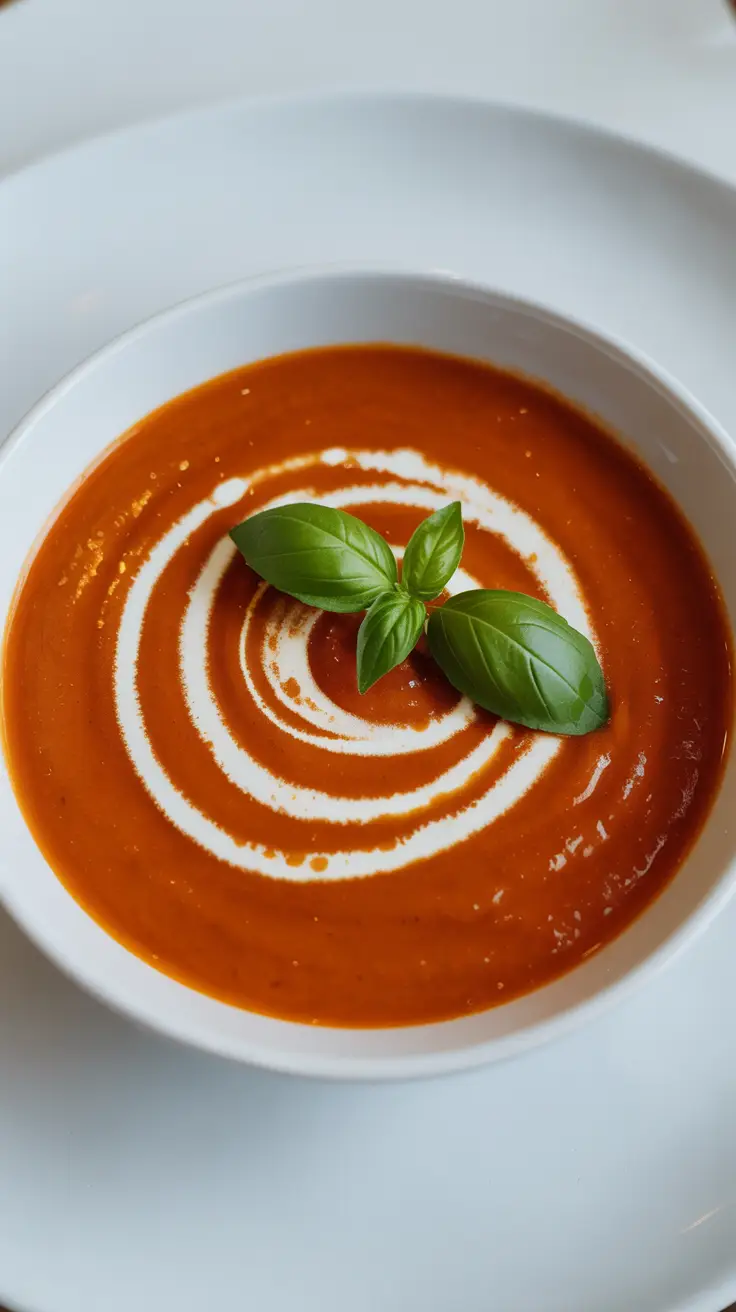
Creamy (Dairy-Free) Tomato Basil:
Tomato soup is perhaps the most nostalgic winter meal in existence, often paired with a grilled cheese sandwich. Traditional recipes rely heavily on heavy cream to cut the acidity of the tomatoes, but you can achieve that same luxurious texture without the dairy. This version uses full-fat coconut milk or blended raw cashews to create a velvety mouthfeel.
Roasting your tomatoes and garlic before blending them is the secret to deep flavor. It caramelizes the natural sugars and adds a smoky complexity that canned soup simply cannot match. Fresh basil is non-negotiable here; it adds a peppery, aromatic lift that brightens the entire bowl. This soup is rich in lycopene and vitamin C, making it a heart-healthy choice that tastes decadent. It proves that plant-based substitutions can sometimes be even better than the original.
Chicken & Wild Rice Soup:
Move over, chicken noodle. There is a heartier, more nutritious contender in town. While white pasta can spike your blood sugar and leave you hungry an hour later, wild rice offers a complex carbohydrate profile that provides sustained energy. Wild rice is technically a grass, and it has a wonderful, nutty flavor and a chewy texture that holds up well in broth without turning into mush.
This soup builds on a classic mirepoix base of onions, carrots, and celery, but the addition of thyme and rosemary brings the winter vibes. Using bone broth instead of standard stock can add a boost of collagen and gut-healing properties. It is the ultimate sick-day meal, but it is substantial enough for a regular weeknight dinner. The tender chicken provides lean protein, making this a balanced macronutrient bowl.

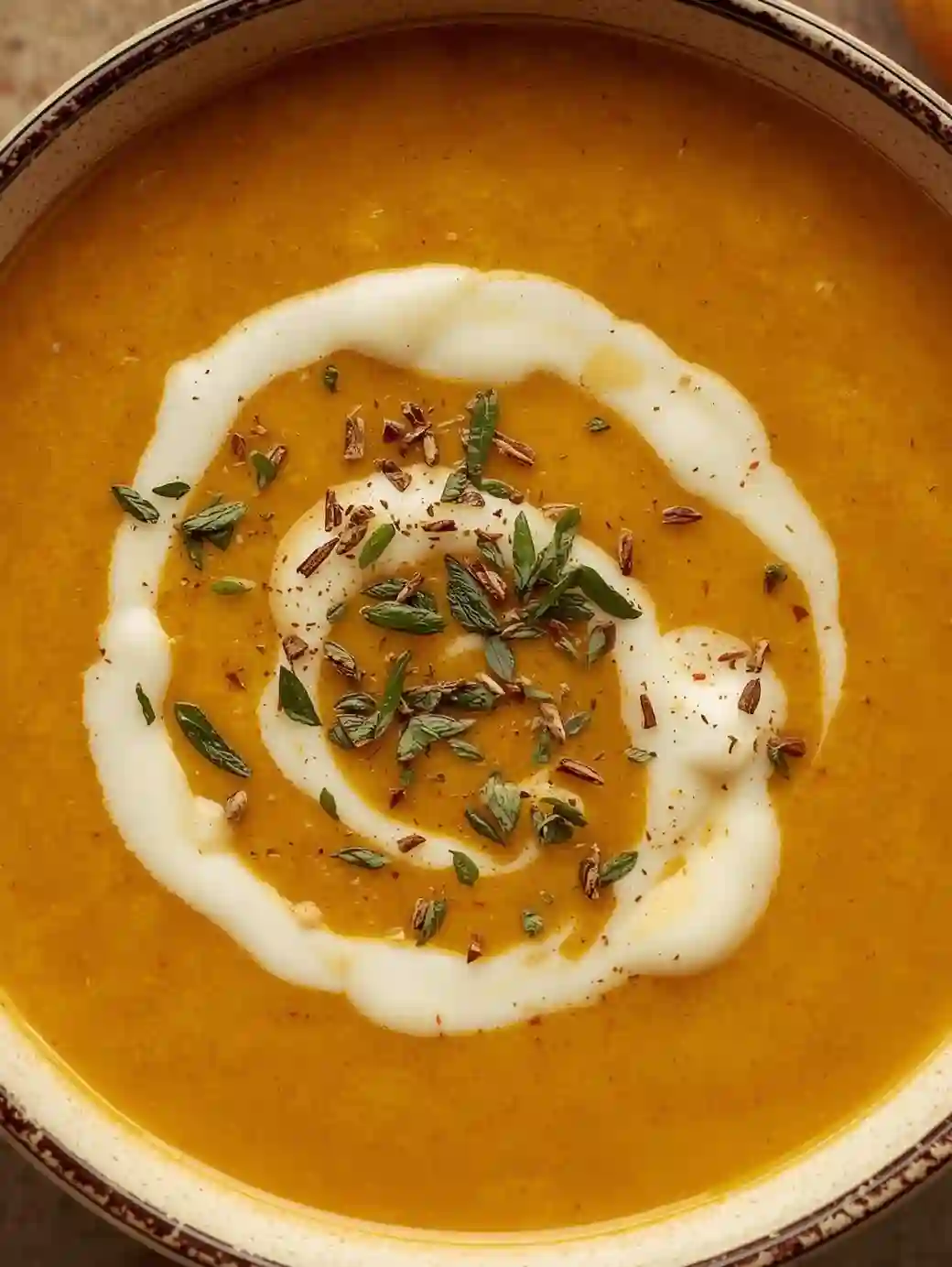
Butternut Squash & Apple Bisque:
This bisque captures the essence of late autumn and early winter in a single bowl. Butternut squash is naturally sweet and incredibly smooth when pureed, but adding tart apples like Granny Smith creates a sophisticated flavor profile that prevents the dish from becoming cloying. It is a celebration of seasonal produce at its finest.
To warm things up, incorporate spices like cinnamon, nutmeg, and a hint of cayenne pepper for a surprise kick. These warming spices stimulate circulation and boost metabolism, which is helpful during sedentary winter months. You can roast the squash and apples together on a sheet pan to deepen their flavors before blending them with vegetable broth. Garnish with toasted pumpkin seeds for a crucial textural contrast against the smooth puree. It is elegant enough for a dinner party but easy enough for a Tuesday.
White Bean & Kale Stew:
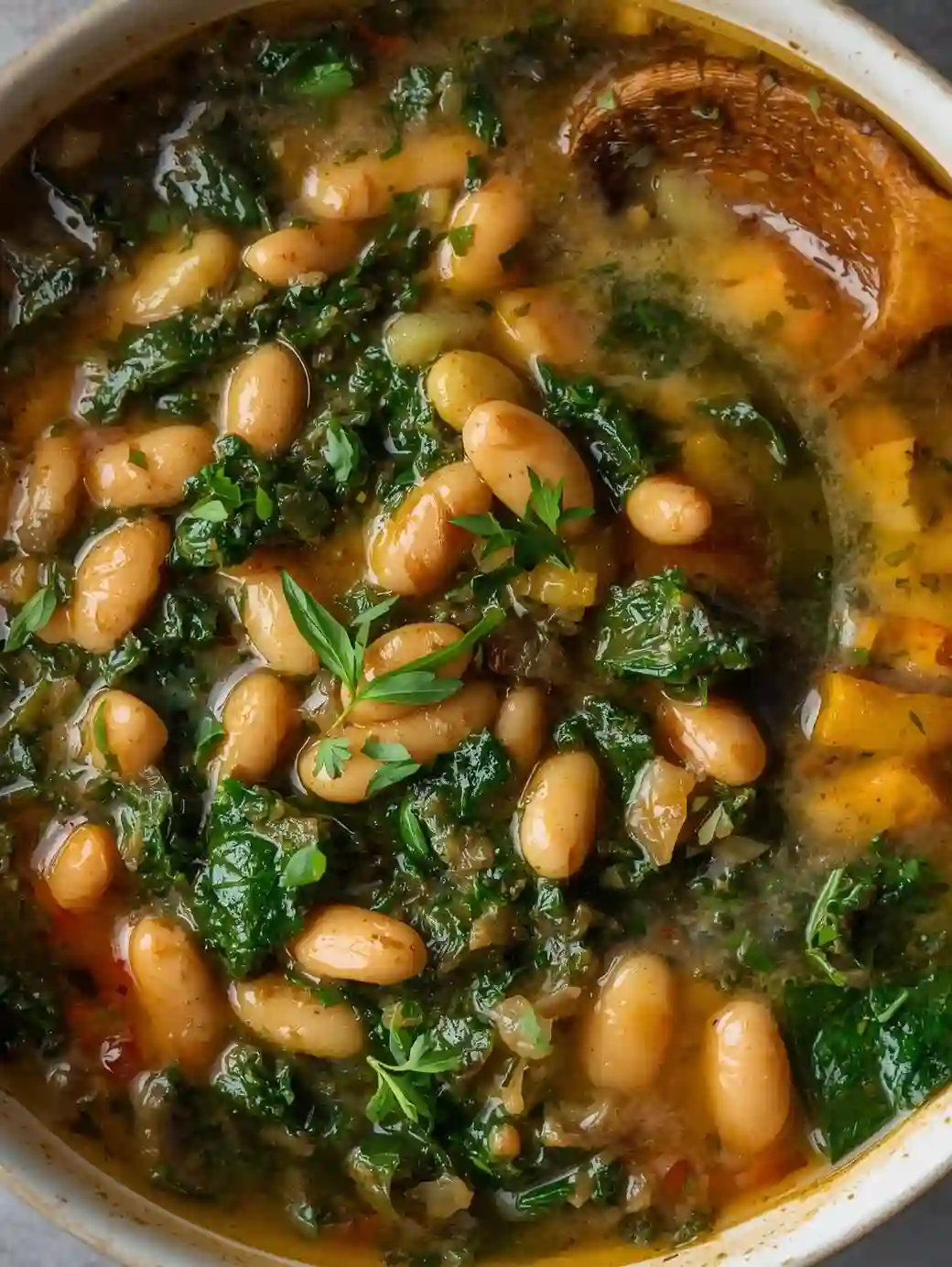
This stew draws inspiration from the rustic kitchens of Tuscany. It is thick, robust, and incredibly inexpensive to make, proving that healthy eating does not have to break the bank. Cannellini beans or Great Northern beans break down slightly as they cook, naturally thickening the broth to create a creamy consistency without any added fat.
Kale is the perfect green for this type of slow cooking. Unlike spinach, which wilts instantly, kale maintains its structural integrity and chewiness even after simmering. It provides a massive dose of Vitamin K and iron. Flavor the broth with a parmesan rind (if you eat dairy) or a generous splash of olive oil and lemon zest. This stew is best served with a slice of whole-grain crusty bread to mop up the juices. It is peasant food elevated to a nutritional powerhouse.
One-Pan Roasts & Traybakes
Winter evenings often call for minimal cleanup and maximum flavor. Sheet pan meals maximize the natural sweetness of roasted vegetables while keeping your time at the sink to a minimum.
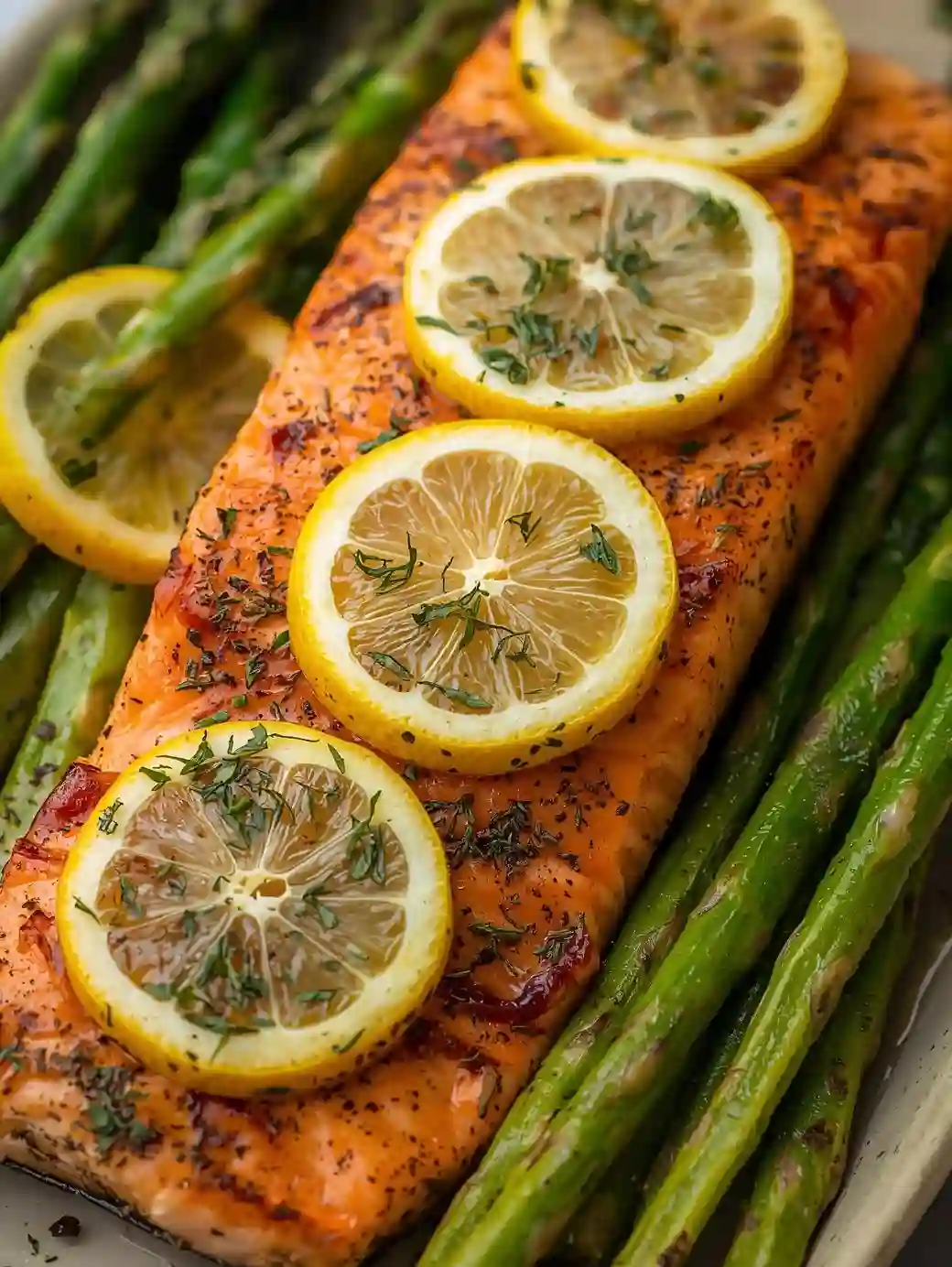
Lemon Herb Salmon & Asparagus:
Winter food can often feel heavy and brown. This dish is the antidote, offering vibrant colors and fresh flavors to combat the winter blues. Salmon is rich in Omega-3 fatty acids, which are essential for brain health and keeping your skin hydrated against the drying winter air.
The beauty of this meal is the timing. Salmon fillets and asparagus spears cook at roughly the same rate, meaning everything is done in about 15 minutes. A marinade of lemon juice, garlic, dill, and olive oil keeps the fish moist and tender. The lemon slices roast alongside the fish, becoming jammy and intense. This is a high-protein, low-carb dinner that feels fancy but requires almost zero effort. It leaves you feeling energized and light, rather than needing a nap immediately after eating.
Honey Garlic Chicken Thighs:
Chicken breasts often get the glory in healthy eating circles, but chicken thighs are more flavorful, more affordable, and much more forgiving in the oven. They stay juicy even if you accidentally leave them in a few minutes too long. The skin gets wonderfully crisp while the meat remains tender.
The sauce is a simple but addictive glaze made from honey, soy sauce (or tamari), and plenty of fresh minced garlic. The honey caramelizes under the high heat of the oven, creating sticky, charred edges that are irresistible. You can toss broccoli florets or bell peppers onto the same pan to roast in the rendered chicken juices. This meal hits that sweet-and-savory spot that we often look for in takeout, but with wholesome ingredients and much less sodium. It is a crowd-pleaser that even picky eaters will love.
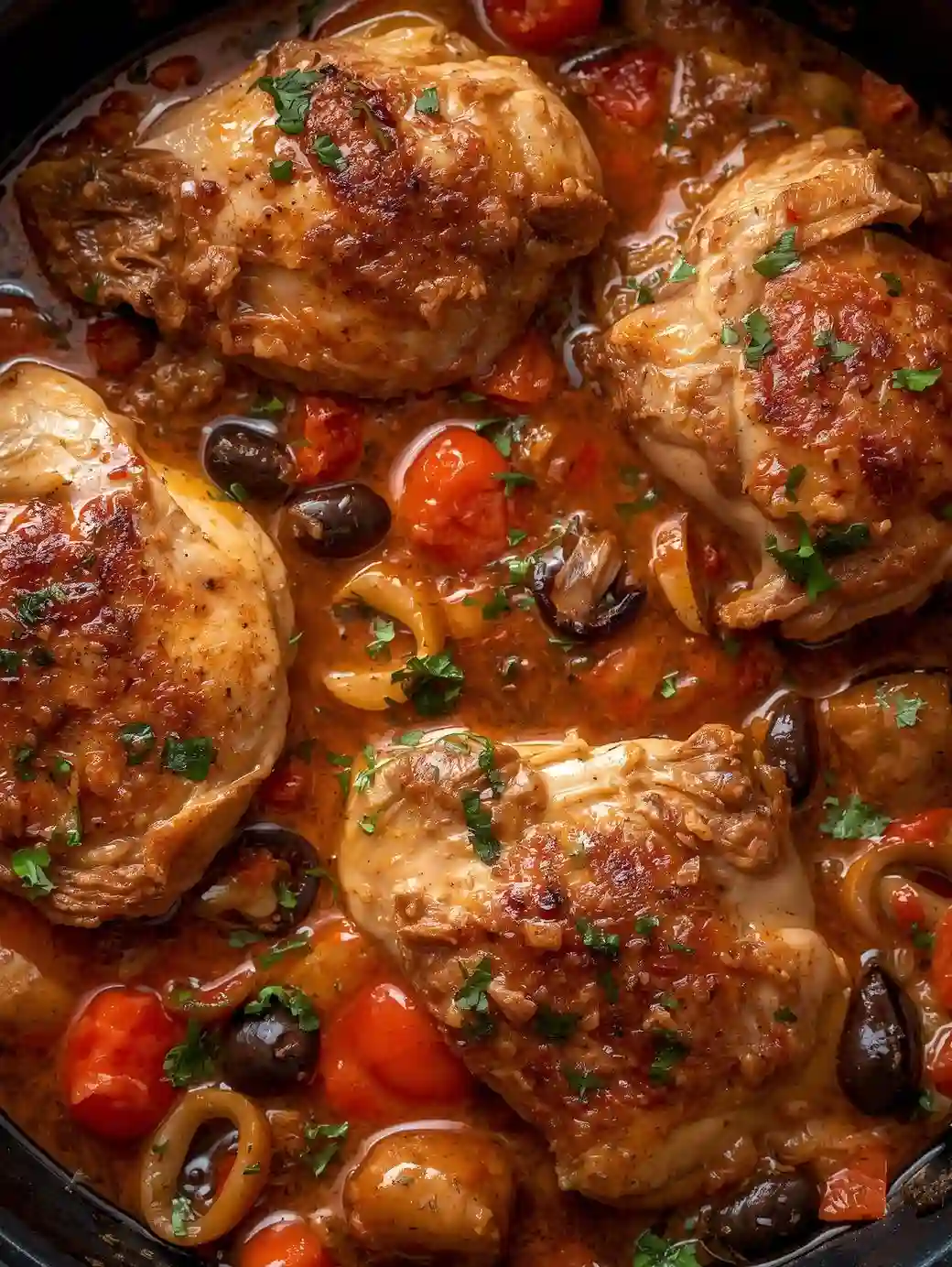
Roasted Vegetable Ratatouille:
While traditionally a summer dish from Provence, Ratatouille transforms beautifully into a winter roasted vegetable medley. Instead of stewing the vegetables on the stovetop, roasting chunks of eggplant, zucchini, bell peppers, and red onions concentrates their flavors and adds a delightful sweetness.
Toss the vegetables in olive oil and dried Herbes de Provence for that authentic French flavor. The key is not to overcrowd the pan; you want the vegetables to roast and brown, not steam in their own moisture. You can serve this as a robust side dish, or turn it into a main course by topping it with poached eggs or serving it over quinoa. It is a fantastic way to eat the rainbow during the darker months, ensuring you get a wide spectrum of phytonutrients and antioxidants to support your immune system.
Maple Balsamic Brussels Sprouts:
If you think you hate Brussels sprouts, you have likely only had them boiled. Roasting transforms these miniature cabbages into nutty, crispy bites of heaven. Brussels sprouts are cruciferous vegetables, meaning they are packed with compounds that support natural detoxification pathways in the body.
The glaze is what takes this side dish to the main stage. A mixture of maple syrup and balsamic vinegar reduces in the oven to coat the sprouts in a tangy, sweet syrup. Adding pecans or walnuts halfway through the cooking time adds a crunch and healthy fats. You can even toss in some dried cranberries for a festive touch. The outer leaves get charred and crispy, almost like chips, while the centers become tender. This dish pairs perfectly with roasted chicken or pork, or stands alone as a warm salad base.
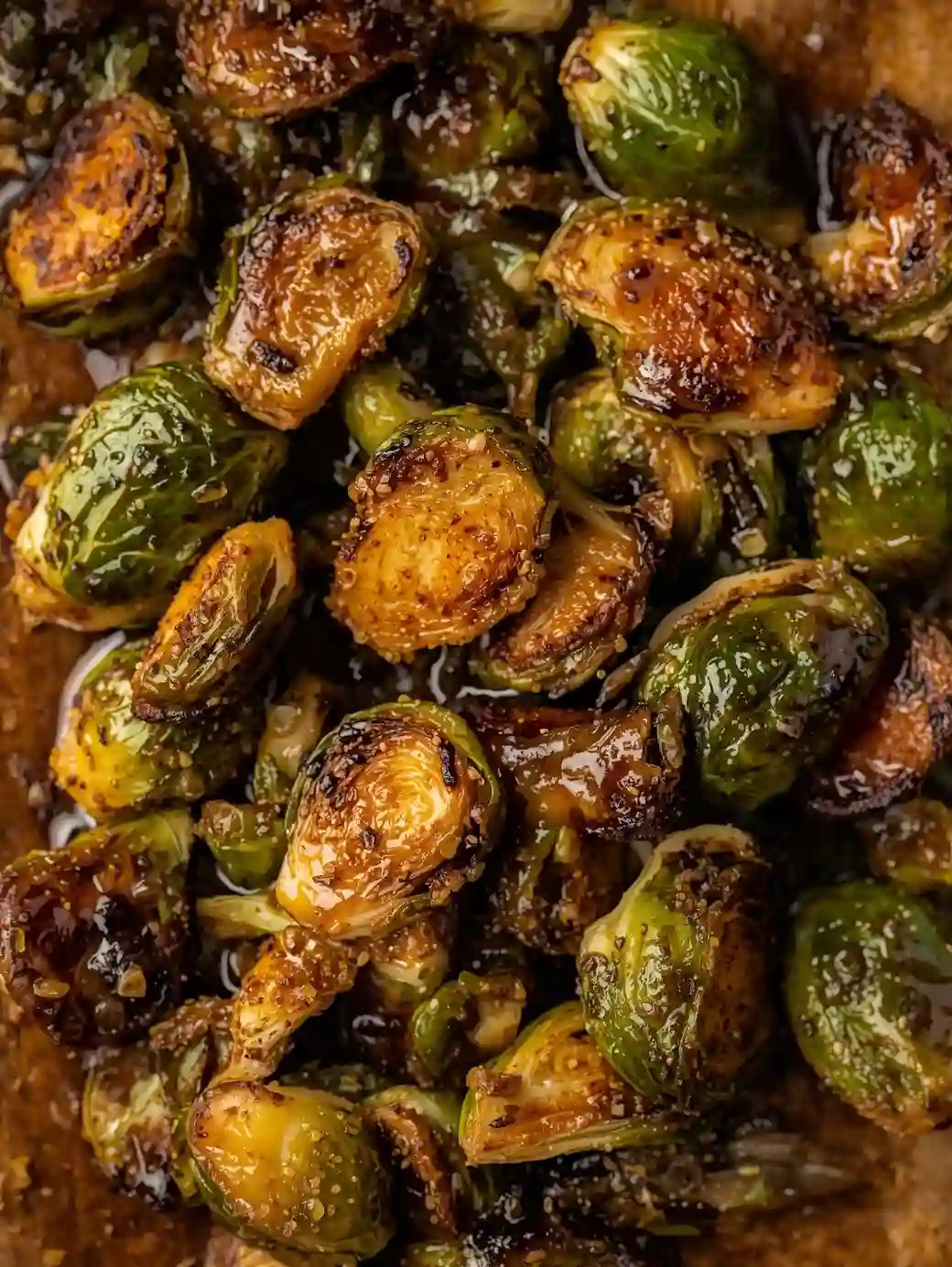
If you need a side dish that steals the show, look no further than Maple Balsamic Brussels Sprouts. Roasting them with cranberries and pecans adds a festive crunch and sweetness.
Sheet Pan Fajitas:
Bring some heat to a cold night with this Tex-Mex favorite. Fajitas are usually a sizzling affair at restaurants, but the home version is surprisingly simple. Sliced bell peppers, onions, and strips of chicken or steak are tossed in a homemade spice blend of chili powder, cumin, and paprika.
Spread everything out on a large baking sheet and roast at a high temperature. The vegetables will soften and char slightly, mimicking the flavor of the grill. Serve with warm corn tortillas, plenty of guacamole for healthy fats, and a squeeze of lime. This is a communal, hands-on meal that is fun to eat. By making your own seasoning blend, you avoid the preservatives and anti-caking agents found in store-bought packets. It is a colorful, zesty meal that wakes up the palate.

Lighter Comfort Classics
We all have those dishes we turn to when we need a hug in food form. These recipes take those nostalgic favorites and give them a nutritional upgrade so you can enjoy them any night of the week.
Turkey & Sweet Potato Chili:
Chili is the ultimate “set it and forget it” winter meal. By swapping traditional ground beef for lean ground turkey, you significantly lower the saturated fat content without losing the meaty texture. Turkey is a great source of lean protein and absorbs the flavors of the spices beautifully.
Sweet potatoes are the secret weapon in this chili. As they simmer, they soften and add a natural sweetness that balances the heat of the chili powder and cayenne. They also add complex carbohydrates and beta-carotene. Black beans and kidney beans add a double dose of fiber, making this chili incredibly satiating. Top it with diced avocado or a dollop of Greek yogurt instead of sour cream. It freezes exceptionally well, making it perfect for meal prepping lunch for the week ahead.

Cauliflower Shepherd’s Pie:
Shepherd’s pie is pure comfort—meat and gravy hidden under a blanket of potatoes. However, the traditional mashed potato topping can sit heavy in the stomach. Mashed cauliflower is a fantastic low-carb alternative that mimics the texture of potatoes surprisingly well.
Steam the cauliflower until very tender, then blend with a touch of olive oil, garlic, and nutritional yeast for a cheesy flavor without the dairy. The base is a savory mixture of ground lamb or beef (or lentils for a vegan version) with peas and carrots in a rich tomato-herb sauce. When you bake it, the cauliflower topping gets golden brown peaks just like potatoes do. This version is lighter, easier to digest, and packs an extra serving of vegetables into the meal without anyone noticing.

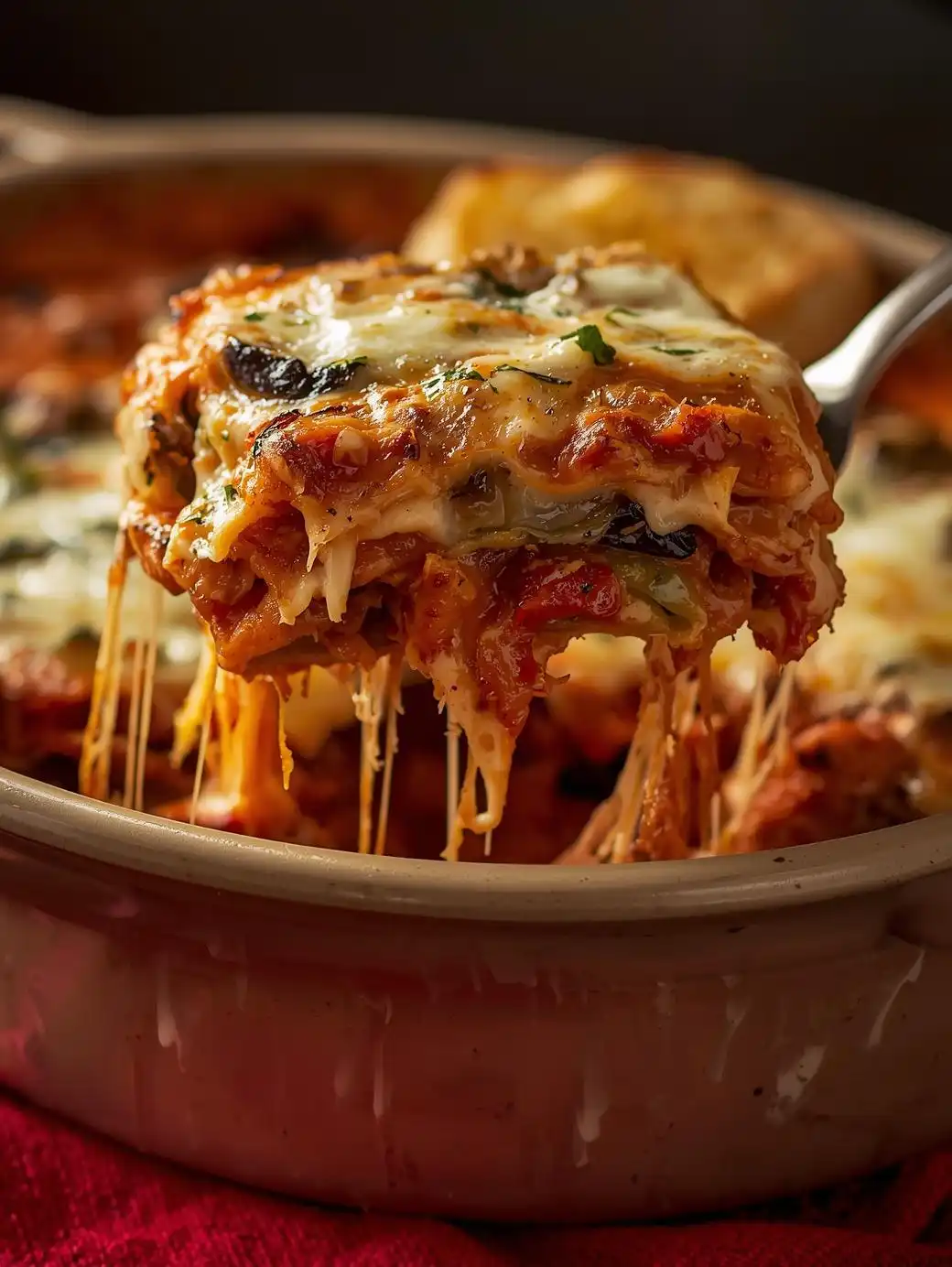
Zucchini Noodle Lasagna:
Lasagna is a labor of love, layers of pasta, cheese, and sauce. In this lighter version, wide ribbons of zucchini replace the wheat noodles. This drastically cuts the calories and gluten, leaving you feeling energized rather than ready for a nap.
Because zucchini has a high water content, the trick is to salt the slices and let them “sweat” on paper towels before assembling. This prevents a watery casserole. Layer the zucchini with a robust marinara sauce, lean ground meat or ricotta, and mozzarella. The zucchini holds its shape but becomes tender, melding perfectly with the cheese and sauce. You get all the bubbly, cheesy satisfaction of lasagna, but with a massive boost of vitamins and hydration. It is a great way to use up produce and keep dinner low-carb.
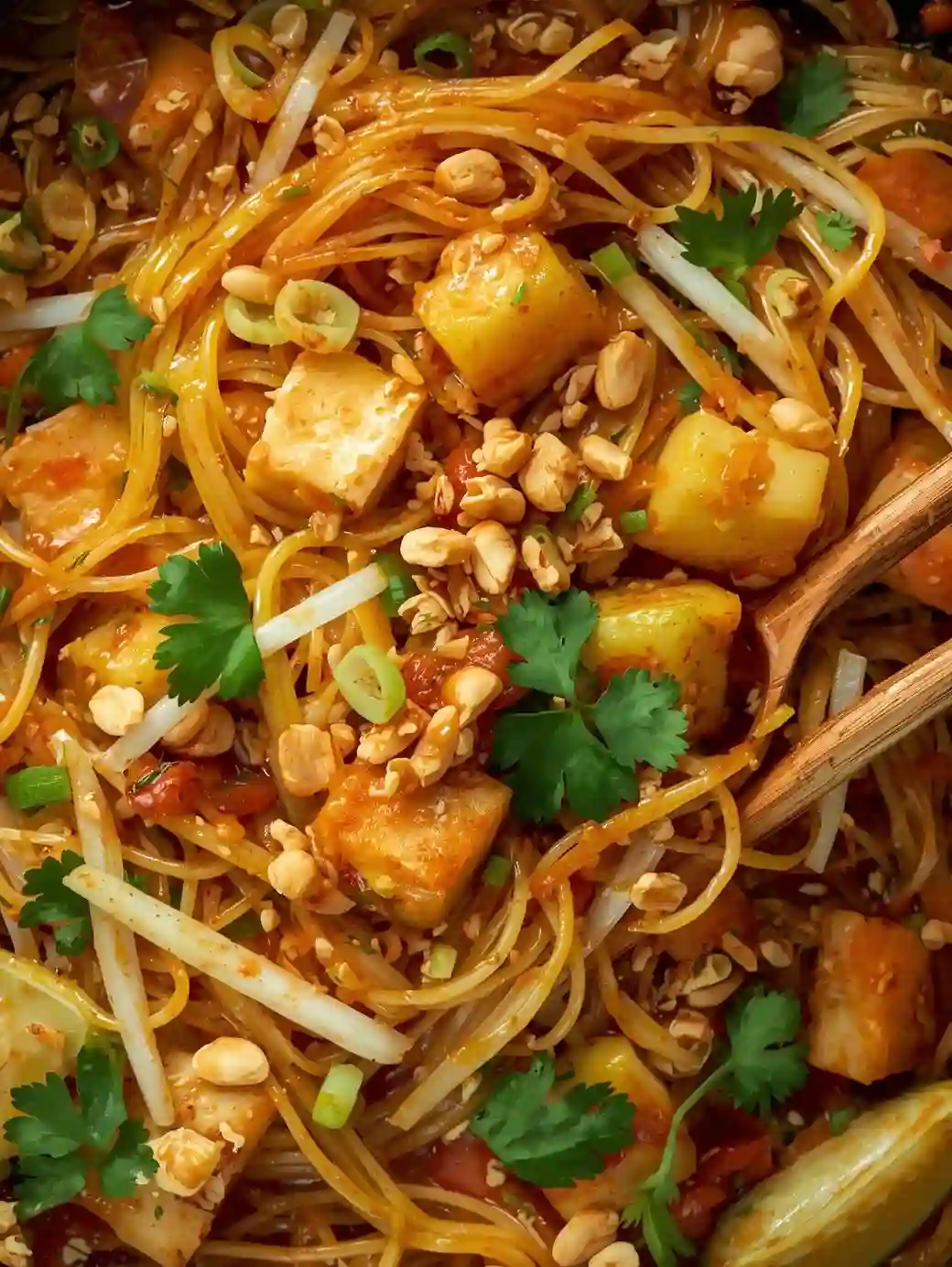
Spaghetti Squash Pad Thai:
Pad Thai is a favorite for takeout, but it is often loaded with sugar and refined oils. Spaghetti squash offers a fun, naturally gluten-free noodle alternative that carries flavors beautifully. Once roasted, the flesh of the squash shreds into long, spaghetti-like strands with a mild, slightly sweet flavor.
The sauce is where the magic happens: a blend of almond butter (or peanut butter), lime juice, soy sauce, and a touch of maple syrup. Toss the squash strands with the sauce, scrambled eggs, bean sprouts, and scallions. Top with crushed peanuts and extra lime wedges. The texture of the squash has a slight crunch that works perfectly with the Pad Thai style. It is a colorful, high-volume meal that feels indulgent but is packed with fiber and vegetables.
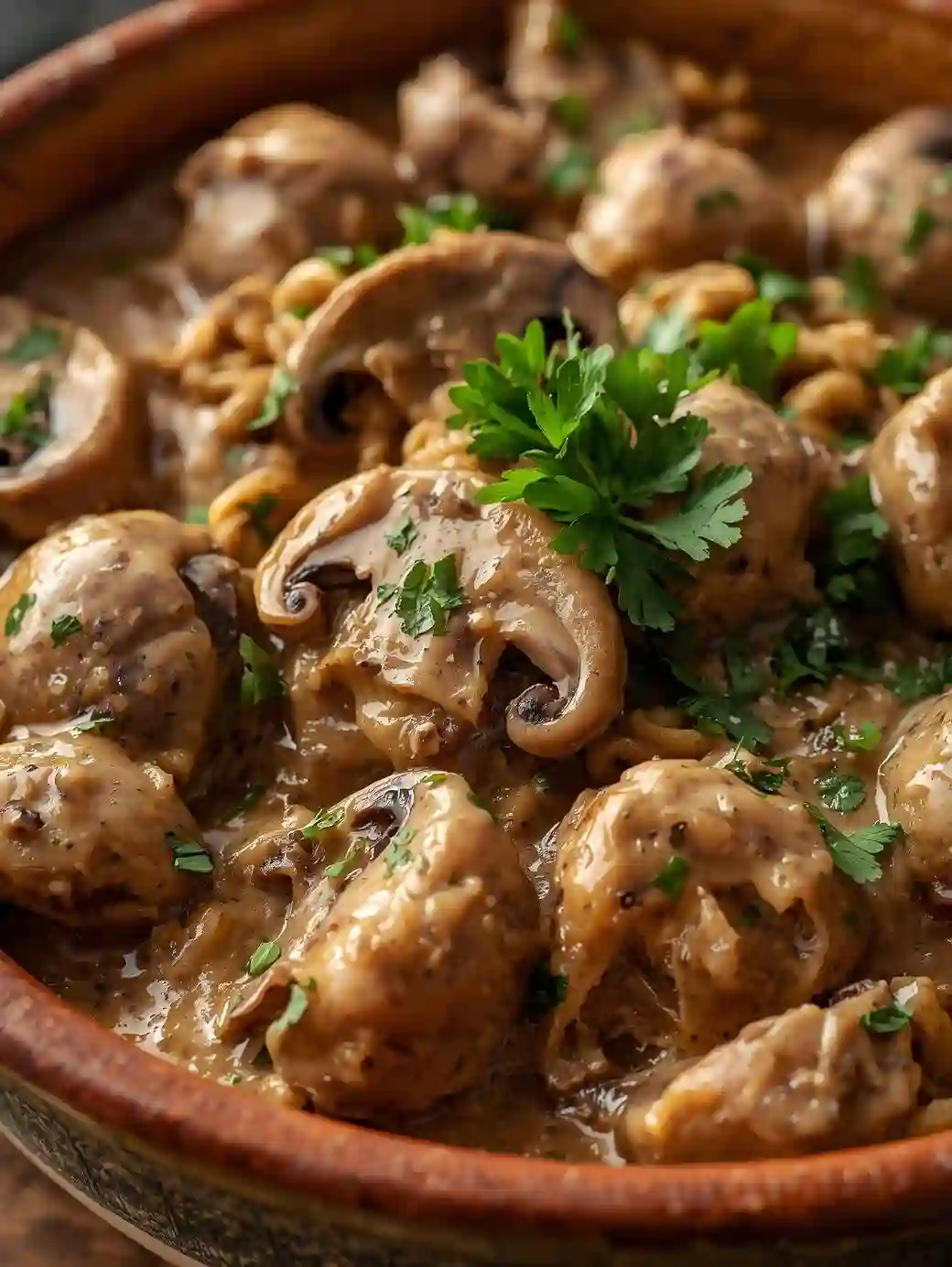
Mushroom Stroganoff:
Beef stroganoff is usually a heavy dish laden with sour cream and butter. This mushroom-forward version brings the savory “umami” flavor center stage. Using a mix of mushrooms—cremini, shiitake, and portobello—adds different textures and deep, earthy flavors that can rival any meat dish.
To keep the sauce creamy but healthy, swap the sour cream for Greek yogurt or a blend of tahini and broth. The result is a tangy, rich sauce that coats wide egg noodles or brown rice pasta perfectly. Fresh dill and parsley are essential to cut through the richness. Mushrooms are one of the few food sources of Vitamin D, which is crucial during the darker winter months. This dish proves that vegetarian comfort food can be just as satisfying and savory as its meat-based counterparts.
Warm Bowls & Curries
Sometimes the cold calls for heat from spices rather than temperature. These bowls utilize ginger, chilies, and curry pastes to rev up your metabolism and warm you from the inside out.
The Chickpea & Spinach Coconut Curry is a weeknight savior. It is a fast, vegan option using light coconut milk and plenty of lime to cut through the richness of the chickpeas.
Quinoa Burrito Bowls:
The burrito bowl is a masterclass in meal prep and customization. Quinoa serves as the base here, offering a complete protein that contains all nine essential amino acids. It has a fluffy texture and nutty taste that pairs perfectly with Mexican flavors.
The beauty of this meal is the assembly. You can prepare various components: spiced black beans, corn salsa, sautéed peppers, and grilled chicken or tofu. Everyone in the family can build their own bowl to their liking. Drizzle with a lime-cilantro dressing or a spicy chipotle sauce. It is colorful, texturally diverse, and covers all your nutritional bases—protein, healthy fats, fiber, and greens—in one bowl. Plus, leftovers taste just as good cold the next day for lunch.
Ginger Beef & Broccoli Stir-Fry:
Stir-fries are the ultimate fast food. This beef and broccoli combo comes together faster than a delivery driver can get to your door. Thinly sliced flank steak is seared quickly in a hot wok or skillet, keeping it tender. Broccoli florets are tossed in to steam-fry until they are bright green and crisp-tender.
The sauce is the hero: plenty of fresh ginger, garlic, soy sauce, and sesame oil. Ginger is incredibly warming and great for digestion, adding a spicy kick that warms the chest. Serve this over brown rice or cauliflower rice for a lighter option. By making this at home, you control the oil and sugar levels, ensuring it is a healthy fuel rather than a sodium bomb. It is savory, satisfying, and full of iron and Vitamin C.
Egg Roll in a Bowl:
This recipe, often called “Crack Slaw” in low-carb circles, deconstructs the filling of an egg roll into a warm, savory sauté. It removes the deep-fried wrapper but keeps all the delicious flavor. The bulk of the dish is shredded cabbage and coleslaw mix, which is inexpensive and incredibly healthy.
Sauté ground pork or turkey with ginger, garlic, and onions, then wilt down the cabbage in the same pan. Finish with soy sauce, toasted sesame oil, and Sriracha for heat. It is incredibly high in volume, meaning you can eat a huge bowl for very few calories. Cabbage is excellent for gut health and digestion. This meal comes together in about 15 minutes and requires only one pan, making it a weeknight savior that tastes like junk food but fuels like health food.
Warm Breakfasts for Dinner
Who says eggs and oats are only for the morning? “Brinner” (breakfast for dinner) feels like a treat, but it is often an easy way to pack in protein and fiber at the end of the day.
Baked Oatmeal with Berries:
Who says oatmeal is only for breakfast? On a freezing cold night, a warm square of baked oatmeal can be incredibly comforting. Unlike stove-top porridge, baked oatmeal has a texture more like a dense muffin or bread pudding. It feels like eating dessert for dinner, but it is packed with fiber.
Mix rolled oats with milk, eggs, maple syrup, and baking powder. Fold in frozen mixed berries, which become jammy pockets of juice as they bake. You can add walnuts or chia seeds for extra omega-3s. Serve it warm in a bowl with a splash of almond milk or a dollop of yogurt. It is wholesome, filling, and warms the kitchen while it bakes. The complex carbs promote serotonin production, helping you relax and wind down for a good night’s sleep.
Shakshuka:
Shakshuka is a North African and Middle Eastern dish of eggs poached in a simmering sauce of tomatoes, chili peppers, and onions. It is a one-skillet meal that is visually stunning and incredibly flavorful. The acidity of the tomatoes wakes up the palate, while the runny egg yolks create a rich sauce.
Sauté onions, peppers, and garlic, then add canned tomatoes and spices like cumin, paprika, and cayenne. Crack the eggs directly into the bubbling sauce and cover until the whites are set. It is spicy, smoky, and savory. Serve with whole-grain pita or crusty bread to scoop up the sauce. Eggs are a powerhouse of nutrition, and the cooked tomatoes offer high levels of antioxidants. It is a rustic, communal dish that feels special but uses pantry staples you likely already have.
Featured Recipes
1. Turmeric Lentil Detox Soup
Ingredients: 1 cup red lentils, 1 onion, 2 carrots, 1 tsp turmeric, 1 tsp ginger, 4 cups veg broth, 2 cups spinach.
Instructions: Sauté onion and carrots. Add spices and toast for 1 minute. Add lentils and broth. Simmer 20 mins until lentils dissolve. Stir in spinach until wilted. Squeeze lemon before serving.
2. Cauliflower Shepherd’s Pie
Ingredients: 1 lb lean ground turkey, 1 bag frozen peas/carrots, 1 onion, 1 tbsp tomato paste. Topping: 1 large cauliflower head (steamed/mashed), garlic powder, splash of milk.
Instructions: Cook turkey with onion and veggies. Stir in tomato paste and seasonings. Spread in a baking dish. Top with mashed cauliflower. Bake at 400°F (200°C) for 20 mins until golden.
3. Chickpea & Spinach Coconut Curry
Ingredients: 2 cans chickpeas, 1 can light coconut milk, 1 onion, 2 tbsp curry powder, 1 bag baby spinach, lime juice.
Instructions: Sauté the onion until soft. Add curry powder. Stir in chickpeas and coconut milk. Simmer for 10 minutes to thicken. Stir in spinach until wilted. Finish with fresh lime juice.
4. Sheet Pan Lemon Herb Salmon
Ingredients: 2 salmon fillets, 1 bunch of asparagus (woody ends trimmed), 1 lemon (sliced), olive oil, dried dill, and garlic powder.
Instructions: Place salmon and asparagus on a baking sheet. Drizzle with olive oil, dill, garlic, salt, and pepper. Place lemon slices on top of the fish. Roast at 400°F (200°C) for 12-15 minutes.

Conclusion: Nourishing the Body, Soothing the Soul
Winter does not have to be a season of hibernation and heavy, sluggish digestion. By choosing ingredients that spark warmth and vitality, you can embrace the comfort of the season while still feeling your best.
These 21 recipes are designed to be your culinary toolkit for the colder months—simple enough for a Tuesday night, yet satisfying enough for a Sunday feast. So put on your thickest socks, get that soup pot simmering, and enjoy the deep, nourishing satisfaction of a healthy winter meal.