

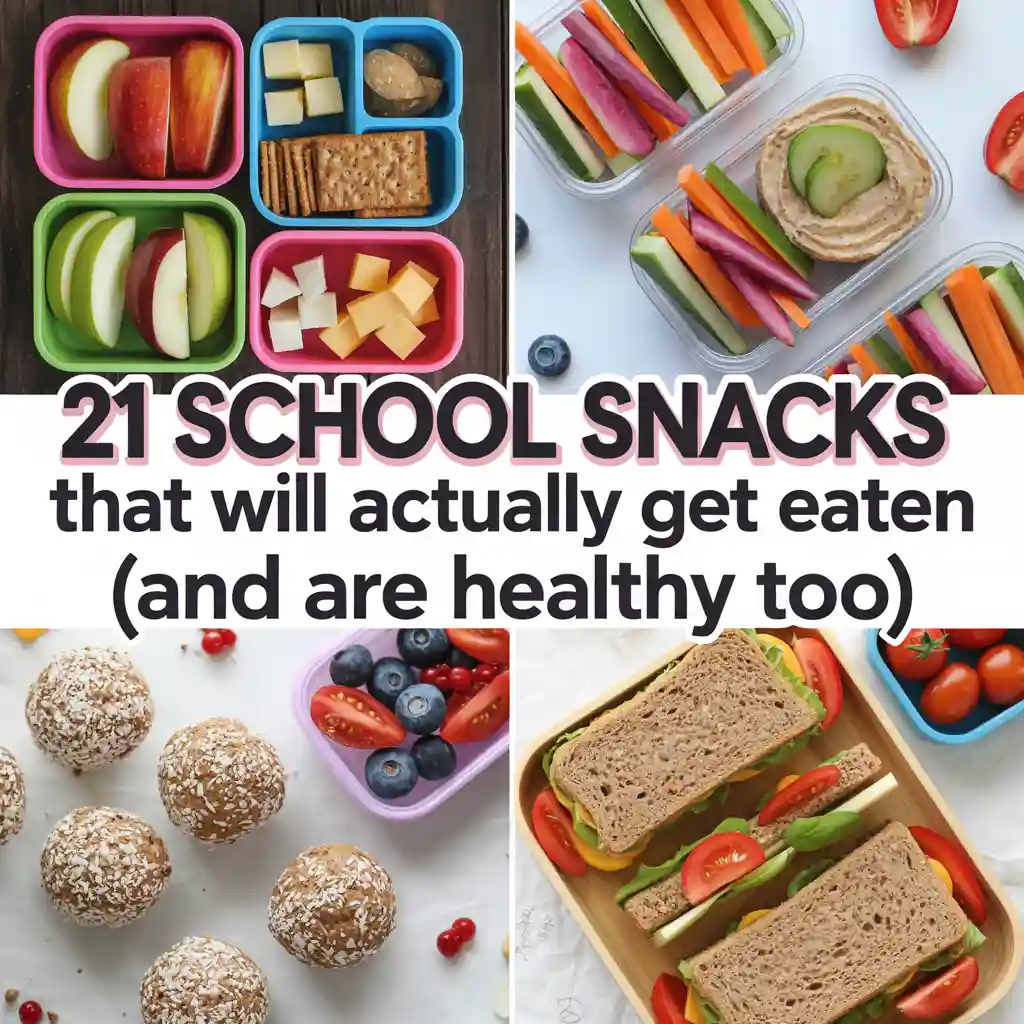
Every parent knows the specific kind of dread that comes with unpacking a child’s backpack at the end of the school day. You unzip the lunchbox, hoping to see empty containers, but instead, you find the apple slices have turned brown and are untouched. The cheese stick is warm and squished. The carefully packed veggie sticks are exactly where you left them.
Packing school snacks is a relentless daily task. You want to provide nutrition that fuels their learning, but you also need something they will actually enjoy eating. It is a delicate balance between healthy fuel and kid-friendly appeal.
The key to winning the lunchbox game is variety and presentation. Kids eat with their eyes first, and boredom is the enemy of a good appetite. If you are stuck in a rut of rotating the same three granola bars, it is time for a refresh.
We have compiled a massive list of snack ideas that bridge the gap between “good for you” and “fun to eat.” These suggestions cater to different tastes, from the savory lovers to the sweet tooths, and many are friendly for nut-free classrooms.
Here are 21 school snack ideas to keep your kids energized and happy.
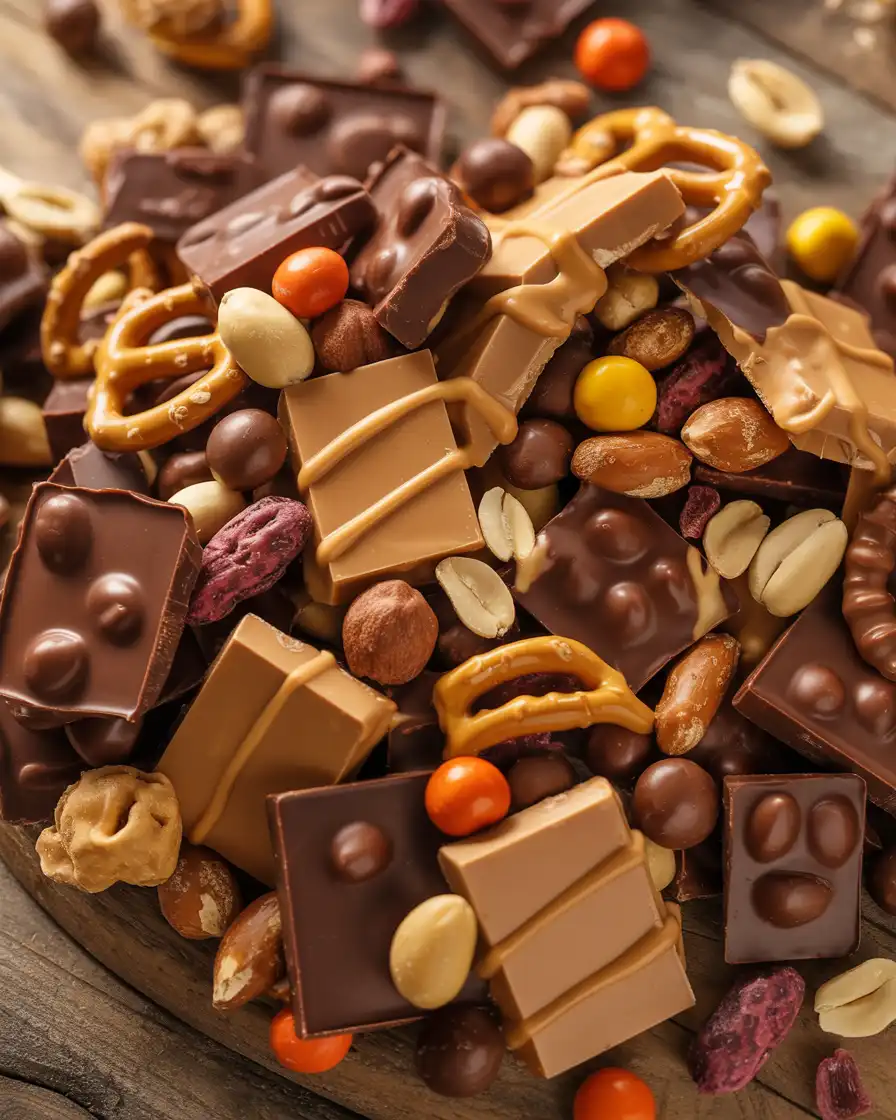
Customizable DIY Trail Mix
Store-bought trail mixes are often loaded with extra sugar, sodium, or chocolate fillers that might not be the best fuel for a math test. Making your own mix at home puts you in complete control of the ingredients. It is also a fantastic activity to get kids involved in the kitchen.
Start with a base of whole-grain cereal or pretzels for that necessary crunch. If your school allows nuts, almonds or cashews, add great protein. For nut-free schools, pumpkin seeds or sunflower seeds are excellent alternatives that provide similar textures and healthy fats.
Finally, add a touch of sweetness. Dried cranberries, apricots, or a sprinkling of dark chocolate chips can make the mix feel like a treat. By letting your child pick one or two “fun” ingredients to toss in, they feel a sense of ownership over the snack. This significantly increases the likelihood that the container comes home empty.
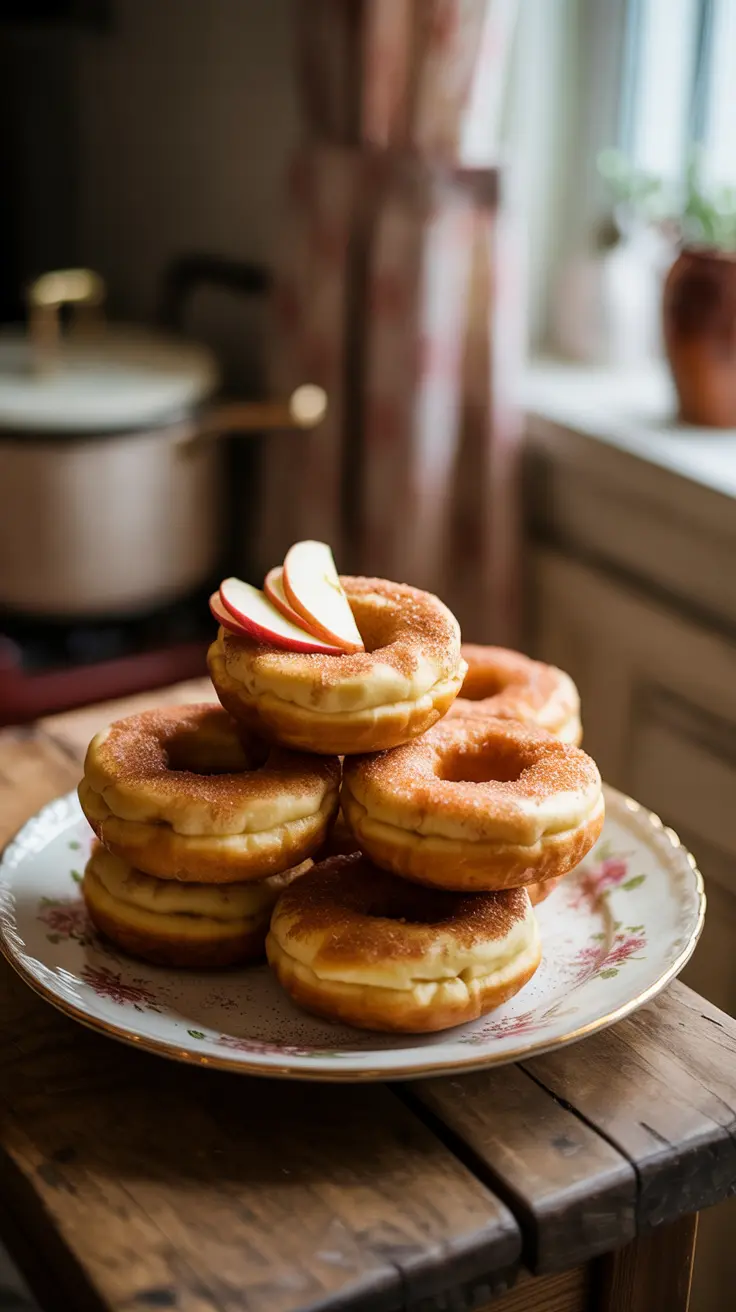
Apple “Donut” Rings
Apples are a lunchbox staple, but whole apples often come home with one bite taken out of them, and slices can brown quickly if not treated. Enter the apple donut. This is a fun visual twist that makes fruit seem like a dessert.
To make them, simply core an apple and slice it horizontally into thick rings. The hole in the middle makes them look just like donuts. To prevent browning, you can brush them lightly with lemon juice or soak them briefly in salt water (rinse them after!).
Top the rings with a spread of cream cheese, nut butter, or sunflower seed butter. Then, add toppings like sprinkles, chia seeds, or granola. The novelty of the shape makes eating fruit much more exciting. It turns a standard piece of produce into a culinary adventure that fits perfectly in a flat sandwich container.
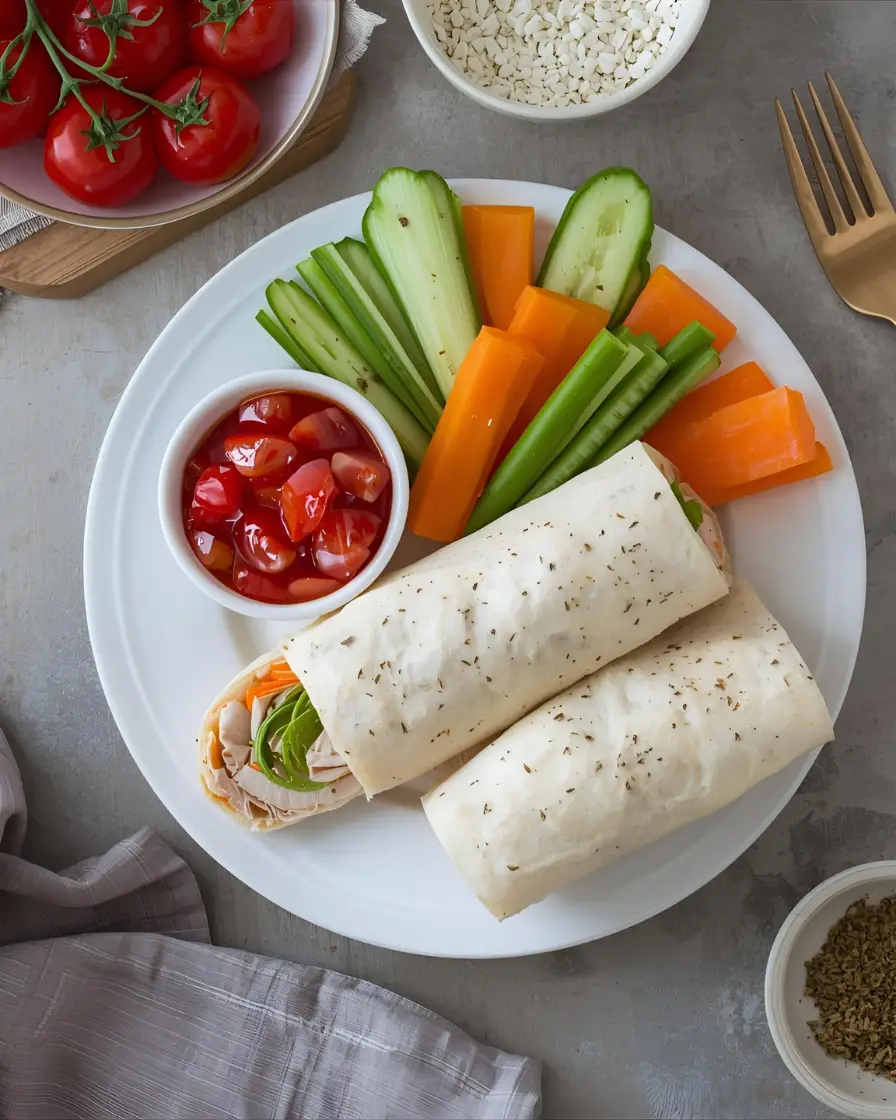
Turkey and Cheese Roll-Ups
Sometimes kids get tired of bread. It can get soggy, or it simply feels too heavy for a mid-morning snack. Turkey and cheese roll-ups eliminate the bread, focusing on protein to keep their energy levels stable until the final bell rings.
Lay out a slice of deli turkey (or ham/chicken) and place a slice of cheese on top. You can add a little bit of mustard or mayo if your child likes it. Then, simply roll it up tightly.
For a tighter roll, you can wrap the meat around a cheese stick. To make it easier for little hands to manage, stick a toothpick or a fun bento box pick through the middle to hold it together. These are high in protein, low in carbs, and incredibly fast to prep in the morning rush. They are satisfying without leading to a sugar crash later.
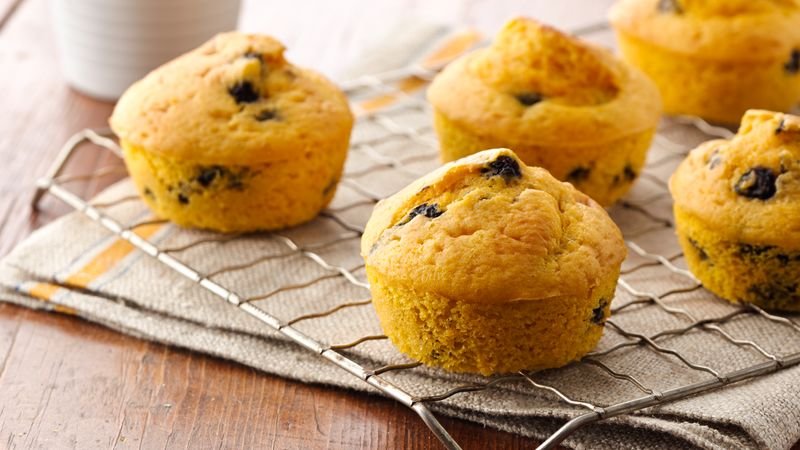
Mini Zucchini or Carrot Muffins
Vegetables can be a hard sell for snack time, but baking them into a muffin changes the conversation entirely. Mini muffins are the perfect size for little hands and make portion control easy.
Zucchini and carrots add incredible moisture to baked goods, meaning you can often reduce the amount of oil or butter in the recipe. When grated finely, the veggies almost disappear into the batter, which is great for picky eaters who inspect their food for “green bits.”
You can make a big batch of these on Sunday and freeze them. In the morning, just pop two or three into the lunchbox. They will thaw by snack time. Look for recipes that use whole wheat flour and natural sweeteners like honey or maple syrup to keep them on the healthier side. It feels like cake to them, but you know it is full of fiber and vitamins.
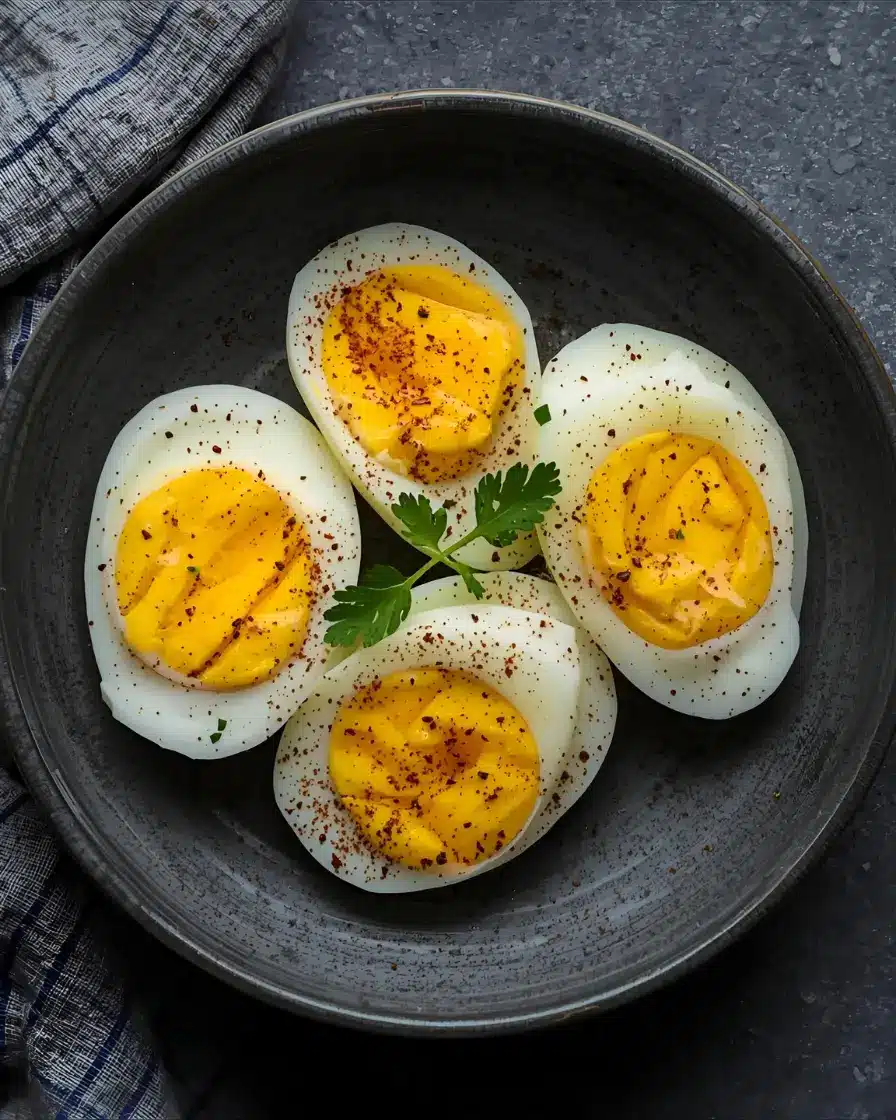
Hard-Boiled Eggs
Eggs are nature’s multivitamin. They are packed with high-quality protein, choline for brain development, and essential fats. A hard-boiled egg is one of the most portable and filling snacks you can provide.
The challenge with eggs is often the peeling process, which can be frustrating for younger children during a short recess. To solve this, peel them at home before packing.
You can leave them whole or slice them in half. If your child finds plain eggs a bit boring, include a tiny container of salt, pepper, or “everything bagel” seasoning for them to dip the egg into. For a fun twist, you can use egg molds to shape the warm, peeled egg into a heart or a star before it cools. This small aesthetic change can make the egg infinitely more appealing to a child.
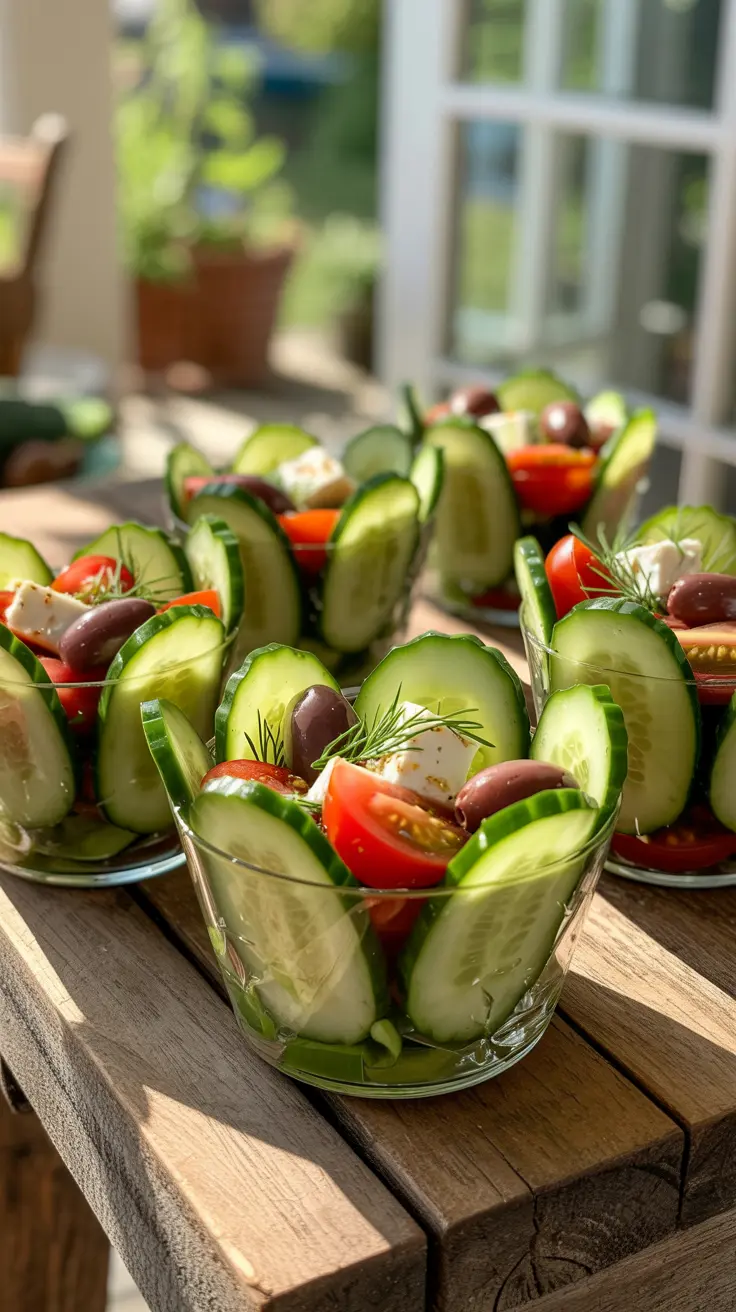
Hummus and Veggie Cups
Crunchy vegetables are great for oral health and digestion, but dry carrot sticks can be uninspiring. Pairing them with hummus adds flavor, creaminess, and a solid dose of plant-based protein.
The key here is the vessel. Spoon a generous amount of hummus into the bottom of a small jar or a deep container. Cut carrots, celery, bell peppers, or cucumbers into long, thin spears and stick them vertically into the hummus.
This “cup” method prevents the mess of having a separate dip container that might spill. It also keeps the veggies crisp. If your child isn’t a fan of traditional hummus, try roasted red pepper flavors or even guacamole. The combination of fiber from the veggies and fat/protein from the dip provides sustained energy, preventing the mid-afternoon slump that teachers dread.
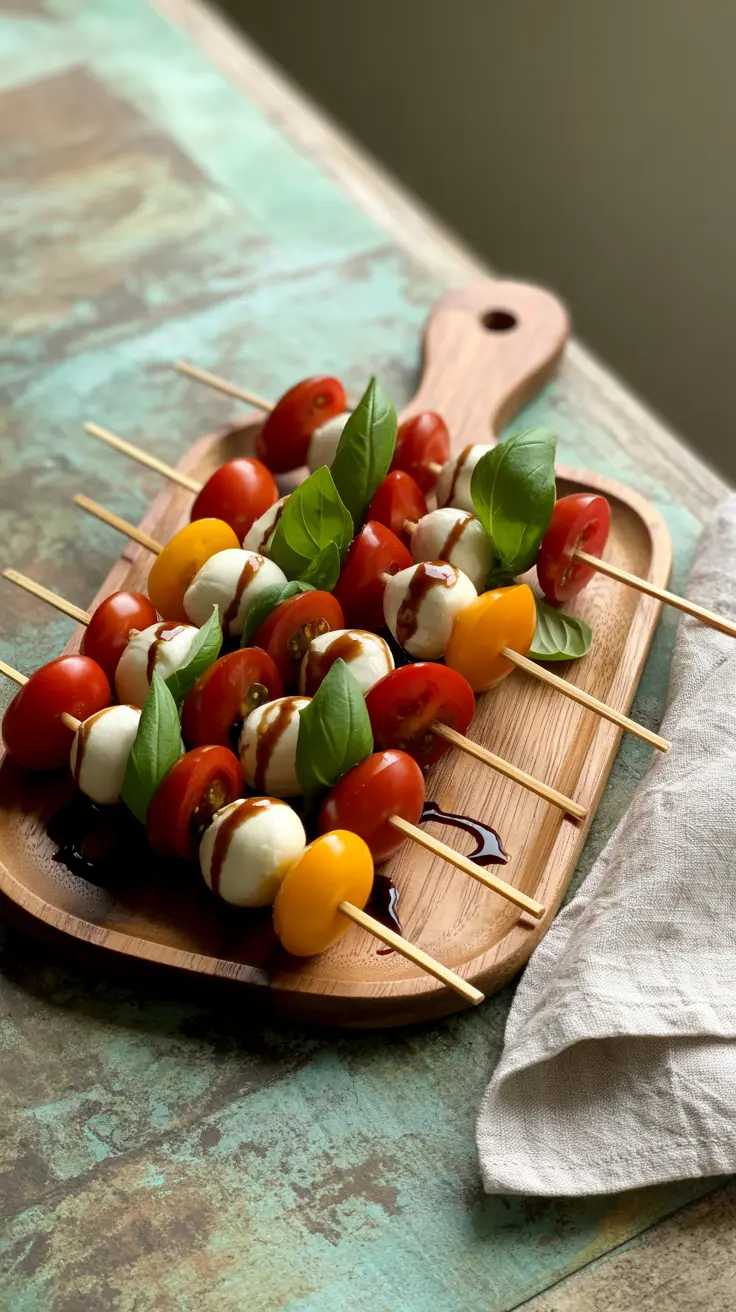
Fruit Kabobs with Yogurt Dip
Presentation is everything. A container of mixed fruit salad is fine, but fruit threaded onto a skewer? That is a party. Fruit kabobs take the exact same ingredients as a fruit salad but make them interactive and fun to eat.
Use distinct, colorful fruits like strawberries, grapes, melon cubes, and blueberries. Thread them onto a blunt-edged skewer or a reusable plastic stick designed for kids. The rainbow of colors is visually stimulating and appetizing.
Pair the skewers with a small side of Greek yogurt for dipping. The yogurt adds calcium and protein, making the snack more filling than fruit alone. You can sweeten the yogurt with a drop of honey or a dash of vanilla extract. This snack feels fancy and special, yet it takes only a few minutes more than chopping fruit into a bowl.
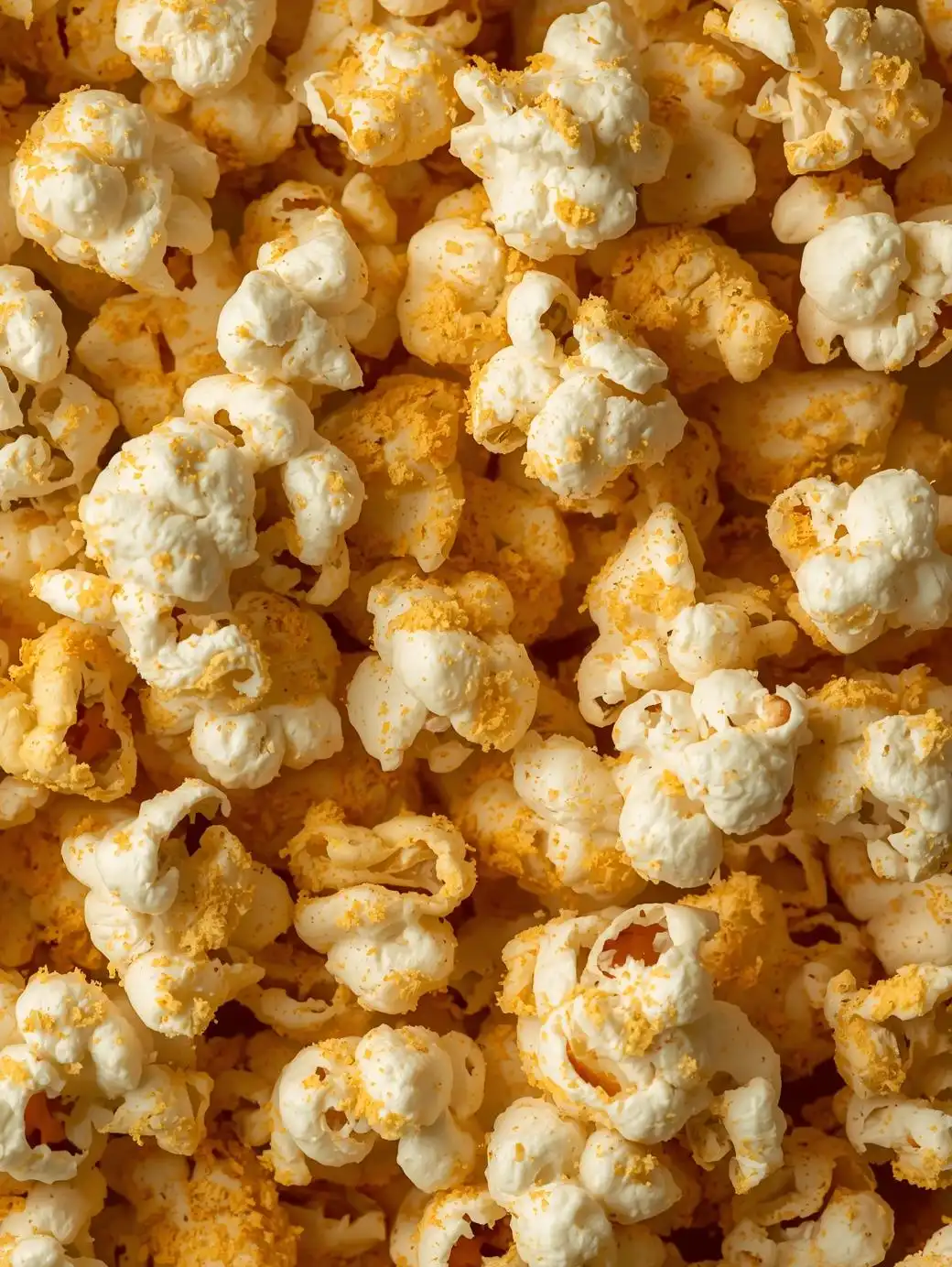
Air-Popped Popcorn
Forget the greasy, salty microwave bags. Air-popped popcorn is a whole grain that is high in fiber and low in calories, making it a fantastic volume snack for kids who like to graze. It takes a long time to eat, which keeps them occupied and satisfied.
When you make it at home, you control the toppings. A light dusting of Parmesan cheese adds savory flavor without excessive salt. Nutritional yeast provides a cheesy flavor and B vitamins. Cinnamon and a touch of sugar can create a “kettle corn” vibe.
Popcorn is best for older children (usually over age 4 or 5) due to choking hazards, so keep that in mind. It is lightweight, doesn’t require refrigeration, and stays fresh in an airtight bag or container. It offers that satisfying “crunch” that kids often seek from potato chips, but with much better nutritional value.
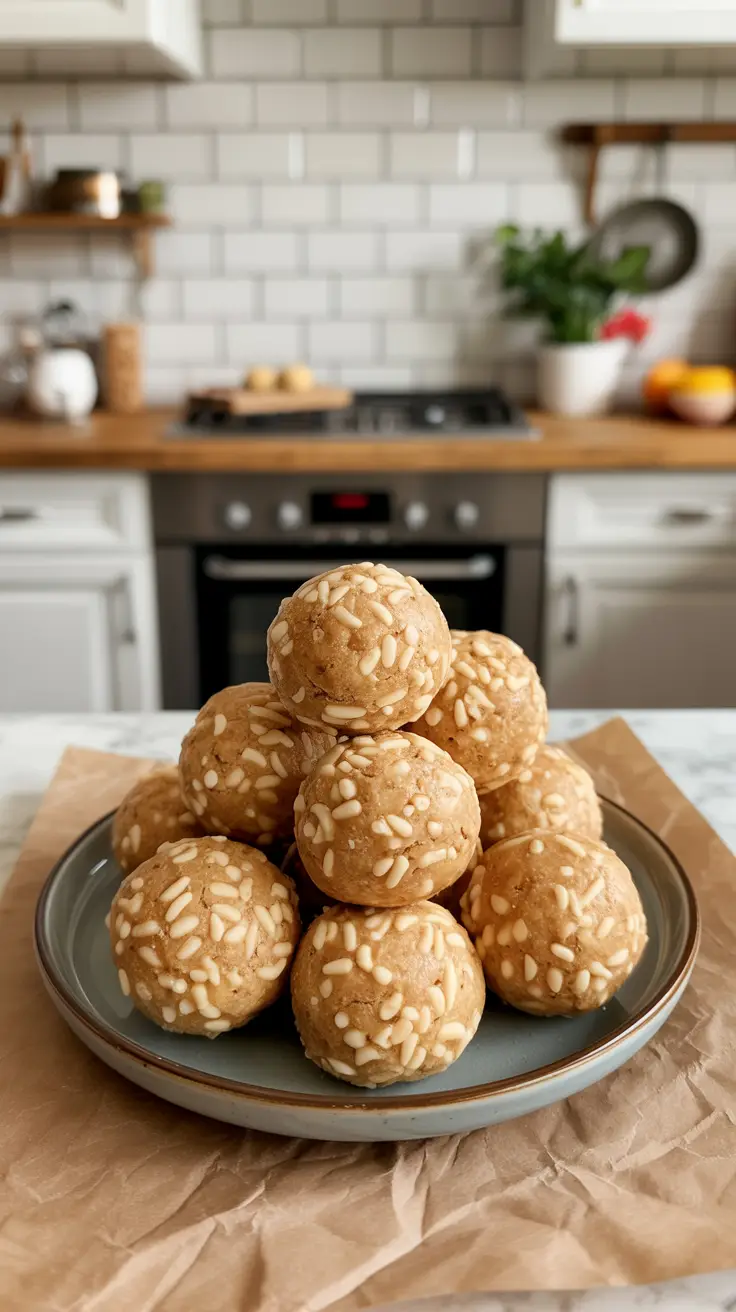
No-Bake Energy Bites
These little spheres are powerhouse snacks that taste like cookie dough but are packed with nutrients. They are typically made from a base of rolled oats, honey (or maple syrup), and a nut or seed butter to bind them together.
You can customize them endlessly. Add chia seeds or flaxseeds for omega-3s. Mix in dried fruit, coconut flakes, or mini chocolate chips for flavor. The beauty of these bites is that they require absolutely no baking. You just mix the ingredients in a bowl, roll them into balls, and refrigerate.
Because they are dense with nutrients, one or two balls are usually enough to fill a child up. They hold up well in a lunchbox and provide a quick hit of carbohydrates for energy along with protein for staying power. They are the ultimate meal-prep snack.
Frozen Grapes
This is the simplest snack on the list, yet it is often the most requested during warmer months. Freezing grapes changes their texture entirely. They don’t become rock-hard ice cubes; instead, the high sugar content keeps them slightly soft, creating a texture similar to sorbet or a mini popsicle.
Simply wash your grapes, dry them thoroughly (this is important to prevent ice crystals), and pop them in the freezer overnight. By lunchtime, they might be slightly thawed but still refreshingly cold and slushy.
This snack is hydrating and sweet, offering a natural alternative to sugary popsicles or candies. It works best with seedless red or green grapes. Just be sure to slice them lengthwise for younger children to prevent choking, even when frozen. It is a refreshing palate cleanser that feels like a treat.

Whole Grain Crackers and Cheese
This is a classic combination for a reason, but the type of cracker matters. Look for crackers where the first ingredient is “whole wheat flour” or seeds. These provide the complex carbohydrates needed for brain function.
Cut nutritious cheese (like cheddar, gouda, or havarti) into squares that match the size of the crackers. This allows kids to build their own little “sandwiches” at their desk. This tactile element of assembling food makes eating more engaging.
For an extra nutritional boost, choose crackers that have visible seeds or are woven with bran. Avoid the overly processed, buttery crackers that offer empty calories. If your child likes variety, offer two or three different types of cheese cubes. This snack is shelf-stable (until lunch, at least) and provides a nice balance of textures—crispy and creamy.
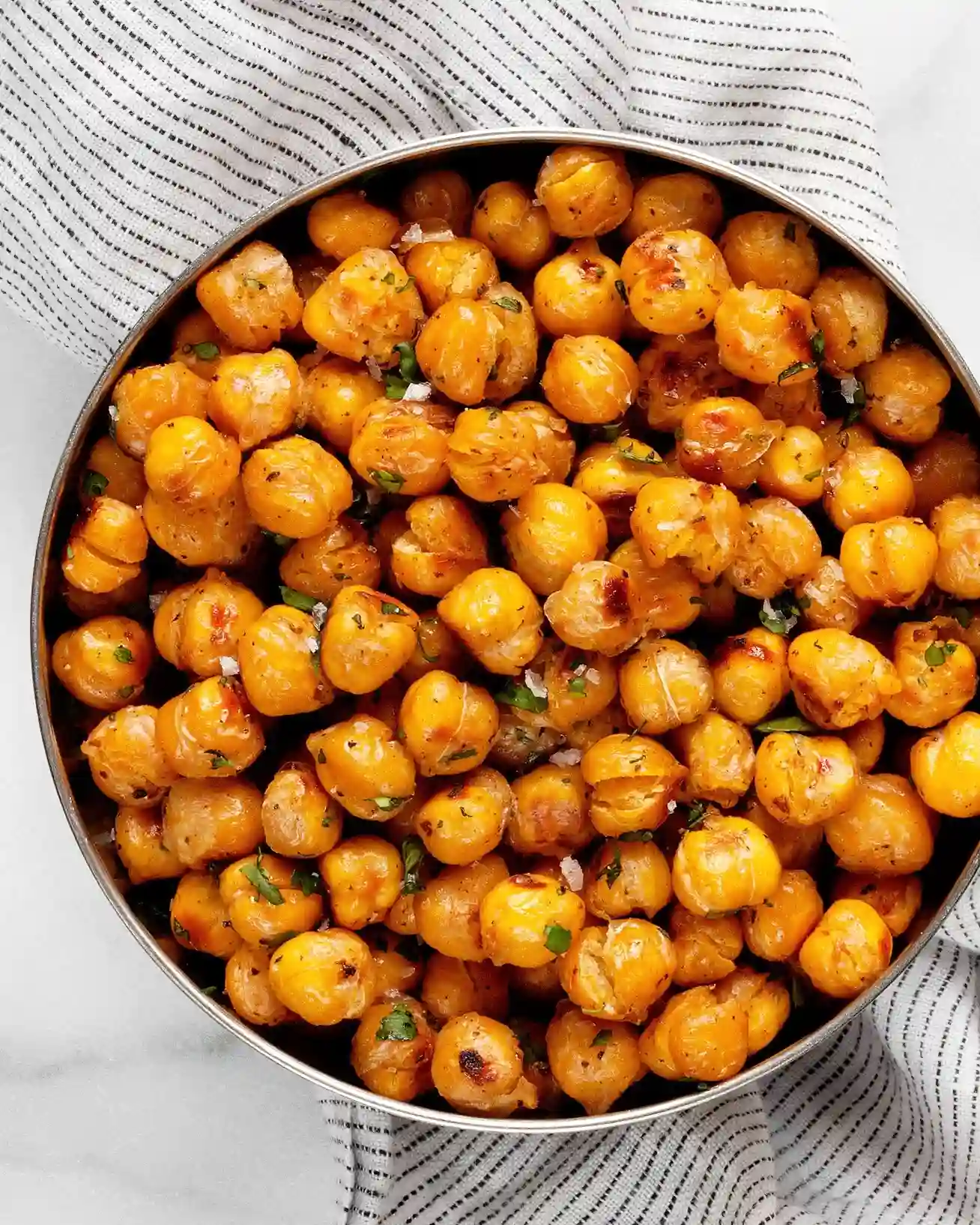
Roasted Chickpeas
If your child loves salty, crunchy snacks like pretzels or chips, roasted chickpeas are the perfect nutritional swap. They deliver that satisfying crunch but are loaded with plant-based protein and fiber.
You can buy them pre-packaged, but they are incredibly cheap and easy to make at home. Drain a can of chickpeas, pat them very dry, toss with olive oil and seasonings, and roast at 400°F (200°C) until crispy.
Flavor possibilities are endless. Go savory with garlic powder and cumin, or sweet with cinnamon and sugar. You can even do a “ranch” flavor with dried dill and onion powder. They are robust and won’t get crushed in a backpack like chips might. Plus, they are naturally nut-free, making them safe for almost any school environment.
Edamame (Soybeans)
Edamame is fun to eat. There is something satisfying about popping the beans out of the pod (if you pack them in the shell). They are a complete protein, meaning they contain all nine essential amino acids necessary for a growing body.
You can buy them frozen and simply thaw a handful in the fridge overnight. By morning, they are ready to pack. You can sprinkle them lightly with sea salt for flavor.
If you are worried about the mess of pods, you can buy shelled edamame. These bright green beans look friendly and taste mild and slightly sweet. They pair well with a little container of soy sauce or just on their own. It is a fantastic way to introduce plant-based protein in a form that doesn’t feel like “eating your vegetables.”
Cottage Cheese Cups with Fruit
Cottage cheese has made a huge comeback recently, and for good reason. It is incredibly high in protein, which helps keep kids full and focused. However, the texture can be polarizing for some children.
The best way to serve it is paired with fruit. Pineapple chunks, peaches, or berries work beautifully. The sweetness of the fruit cuts through the tangy, savory profile of the cheese.
If your child struggles with the texture of curds, you can actually blend cottage cheese until it is smooth and creamy, resembling a thick yogurt or pudding. Sweeten it with a little honey, and they might not even know the difference. Pack it in a leak-proof container with a spoon, and keep it cool with an ice pack.
Banana “Sushi” Bites
This whimsical snack plays on the visual of sushi but uses kid-friendly breakfast ingredients. It is quick to assemble and looks adorable in a bento box.
Take a whole banana and peel it. Spread a layer of your chosen butter (peanut, almond, or sunflower seed) over the top. Then, sprinkle it with toppings like chia seeds, crushed cereal, or mini chocolate chips. Finally, slice the banana into bite-sized rounds.
The result looks like little sushi rolls. It is easy to eat with fingers or chopsticks if your child wants to be fancy. The combination of potassium from the banana and healthy fats from the nut butter makes for a balanced snack. Just be aware that bananas can get mushy if left too long, so this is best for a morning snack rather than a late afternoon one.
Greek Yogurt Parfaits
Store-bought yogurts are convenient, but they are often filled with excessive sugar and artificial dyes. Building a DIY parfait allows you to control the sugar content while upping the nutrition.
Start with plain or vanilla Greek yogurt, which is thicker and higher in protein than regular yogurt. Layer it in a container with berries (fresh or frozen) and a drizzle of honey or maple syrup.
The crucial tip here is to pack the granola or crunch element separately. If you mix the granola in the morning, it will be a soggy mush by recess. Give your child a small separate container of oats, nuts, or granola to pour in right before they eat. This keeps the textures distinct and makes the snack feel fresh and crunchy.
Guacamole with Whole Grain Tortilla Chips
Avocados are full of healthy monounsaturated fats that are essential for brain health. Guacamole is arguably the most delicious way to eat them. Many brands now sell single-serving “minis” that stay green and fresh, which is a lifesaver for lunchboxes.
Pair the guac with whole-grain tortilla chips or even pita chips. The act of dipping is always a hit with kids.
If you want to sneak in extra veggies, offer red pepper strips or cucumber slices alongside the chips for dipping. The rich, creamy texture of the guacamole makes raw vegetables much more palatable. This is a savory, satisfying snack that feels like a party food but provides genuine nutritional value.
Also Read:
27 Healthy After-School Snacks Kids Will Actually Eat
Cheesy Quesadilla Triangles
Leftovers can be great snacks, and cold quesadillas are surprisingly tasty. They are soft, cheesy, and easy to hold. You can make one quickly in the morning or use leftovers from dinner the night before.
Use a whole wheat tortilla and melt cheddar or Monterey Jack cheese inside. You can sneak in some finely diced spinach or mashed black beans before melting the cheese to boost the fiber content.
Once cooled, slice the quesadilla into small triangles or strips. They pack flat, taking up very little room in a lunchbox. Served cold or at room temperature, they hold their structure well. Include a tiny container of salsa or mild sour cream for dipping to add an extra layer of flavor and fun.
“Ants on a Log”
This classic snack has been around for decades because it works. It combines the crunch and water content of celery, the creamy fat of nut butter, and the chewy sweetness of dried fruit.
Wash and cut celery stalks into manageable lengths. Fill the hollow part with peanut butter (or a school-safe alternative). Top with a row of raisins to represent the “ants.”
If your child hates raisins, you can use dried cranberries (“red ants”) or chocolate chips (“luxury ants”). If they aren’t keen on celery, you can use carrot sticks or even pretzel rods as the “log.” It is a playful way to present vegetables and protein. The name alone is usually enough to get younger kids interested in taking a bite.
Rice Cakes with Toppings
Rice cakes have a reputation for being bland “diet food,” but think of them as a blank canvas. They provide a satisfying, airy crunch that kids love, and they are naturally gluten-free.
The magic is in the topping. Spread them with cream cheese and top with cucumber slices and “everything bagel” seasoning. Or go sweet with nut butter and sliced strawberries. You can even do a “pizza” version with a little tomato paste and a slice of mozzarella.
Because rice cakes can absorb moisture and get stale/soggy quickly, this is another scenario where packing the components separately might be best. Let your child spread the topping on at lunchtime. It keeps the cracker crisp and gives them a fun activity to do before eating.
Smoothie in a Thermos
For kids who are slow eaters or who prefer to drink their calories, a smoothie is a fantastic option. It guarantees they get a massive dose of fruits and veggies before they run off to the playground.
Blend spinach (they won’t taste it!), banana, berries, milk (or milk alternative), and perhaps a scoop of protein powder or Greek yogurt. The key to sending a smoothie to school is a high-quality, insulated thermos.
Pre-chill the thermos with ice water for five minutes before pouring the smoothie in. This ensures it stays cold and safe to drink until snack time. A smoothie is essentially a meal in a bottle. It is mess-free (mostly) and allows them to consume a high volume of nutrients very quickly, leaving more time for playing with friends.
Turn Snack Time into a Win
Packing a lunchbox doesn’t have to be a daily battle of wills. By incorporating a mix of textures, flavors, and fun presentations, you can encourage your kids to try new things and actually finish their food.
Remember, you don’t need to be a Pinterest chef creating elaborate food art every day. Simple twists, like cutting a sandwich into a star shape or putting fruit on a stick, can make all the difference.
Try rotating through these 21 ideas to keep things fresh. You might just find a new favorite that makes your life easier and their school day a little bit brighter. Happy packing!