


Baking should be a joy, not a chemistry exam. We have all been there—standing in the kitchen, frantically searching for the baking powder, wondering if the baking soda in the back of the fridge is still active, and trying to level off a teaspoon of salt perfectly. This is where self-rising flour becomes your best friend in the pantry. It is the ultimate shortcut ingredient that takes the guesswork out of the rising process because the leavening agents and salt are already pre-mixed into the flour.
Using self-rising flour guarantees a consistent lift and a tender crumb for your cakes. It saves you time, reduces the number of dirty measuring spoons, and minimizes the risk of a flat, dense disaster. Whether you are looking for a quick weeknight treat, a decadent birthday centerpiece, or a simple loaf for your morning coffee, this ingredient is incredibly versatile. We have compiled a list of nineteen incredible cake recipes that specifically utilize the magic of self-rising flour to make your life easier and your kitchen smell amazing.
The Classic Victoria Sponge Sandwich
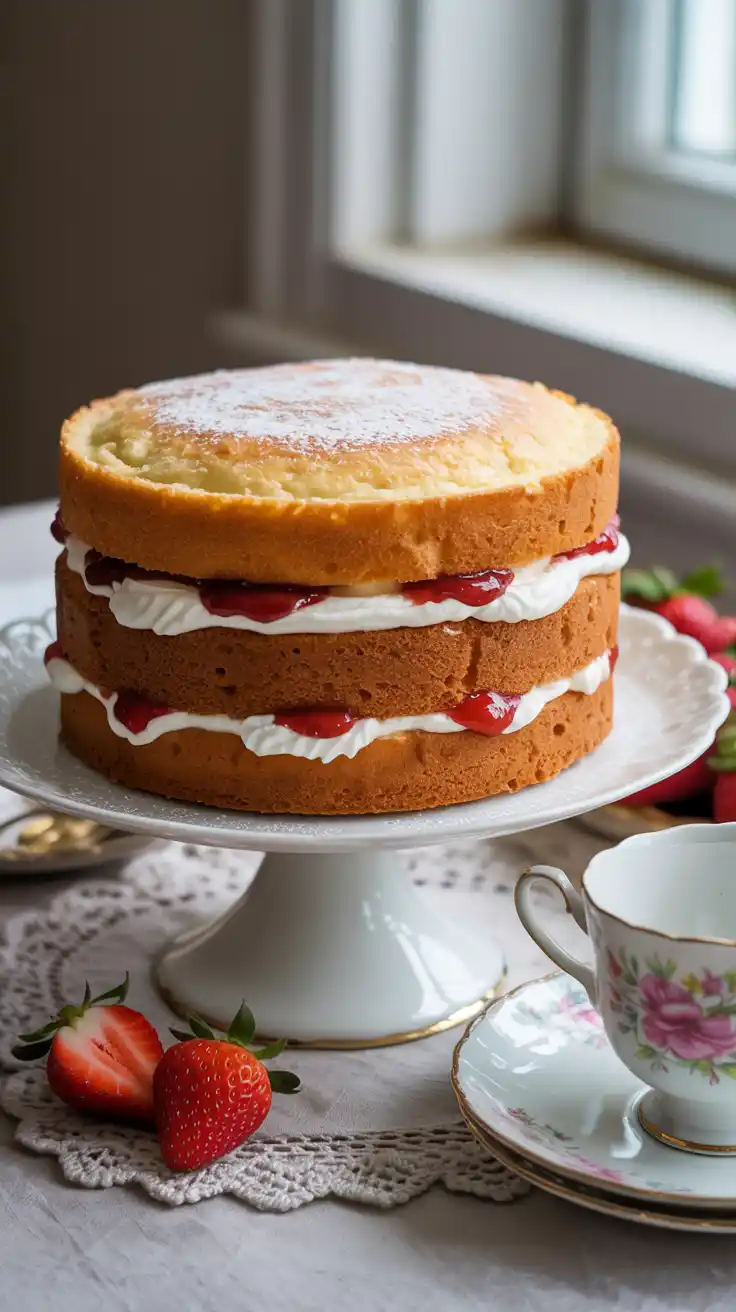
This is the quintessential British teatime treat, and it relies heavily on the lift provided by self-rising flour. The beauty of a Victoria Sponge lies in its airy, light texture. If you use all-purpose flour without getting the leavening ratio exactly right, you end up with a heavy puck. Self-rising flour eliminates that risk entirely. This cake is essentially a blank canvas. While the traditional filling is raspberry jam and buttercream or whipped cream, the sturdy yet soft crumb holds up to lemon curd, fresh strawberries, or even a chocolate ganache. It is best served on the day it is baked when the sponge is at its absolute fluffiest.
Ingredients:
- 1 cup (225g) unsalted butter, softened
- 1 cup (225g) granulated sugar
- 4 large eggs
- 1 ½ cups (225g) self-rising flour
- 1 tsp vanilla extract
- Jam and whipped cream for filling
Instructions:
- Preheat your oven to 350°F (175°C) and grease two 8-inch round cake pans.
- Cream the butter and sugar together until pale and fluffy.
- Beat in the eggs one at a time, adding the vanilla with the last egg.
- Gently fold in the self-rising flour until just combined.
- Divide batter between pans and bake for 20-25 minutes.
- Cool completely, then sandwich with jam and cream.
Zesty Lemon Drizzle Loaf
There is something incredibly refreshing about a lemon drizzle cake. The acidity cuts through the sweetness, making it a perfect palate cleanser after a meal or a bright companion to your afternoon tea. Using self-rising flour in a loaf cake helps create that signature dome on top, which eventually cracks slightly—the perfect vessel for soaking up the tart syrup. The key here is adding the syrup while the cake is still warm. The sponge absorbs the lemon juice and sugar mixture, resulting in a moist, sticky texture that keeps the cake fresh for days. In fact, many bakers argue that this specific cake tastes even better the day after baking.

Ingredients:
- 1 cup unsalted butter, softened
- 1 cup granulated sugar
- 2 large eggs
- 1 ½ cups self-rising flour
- Zest of 2 lemons
- 4 tbsp milk
- For glaze: Juice of 2 lemons mixed with ½ cup powdered sugar
Instructions:
Preheat oven to 350°F (175°C) and line a loaf pan.
Mix butter, sugar, eggs, flour, zest, and milk in a bowl until smooth.
Pour into the pan and smooth the top.
Bake for 45-50 minutes until a skewer comes out clean.
Poke holes in the warm cake and pour over the lemon glaze.
Let cool in the pan before slicing.
Two-Ingredient Ice Cream Bread
This recipe sounds like a magic trick, but it is pure science. Ice cream is essentially a custard made of dairy, sugar, and eggs (usually). When you mix melted ice cream with self-rising flour, you are reintroducing the fats and sugars to a starch base, and the leavening in the flour reacts to create a lift. The result is a dense, moist, cake-like bread that takes on whatever flavor of ice cream you choose. It is a fantastic activity to do with kids because it is virtually impossible to mess up. Butter pecan, classic vanilla, or even chocolate chip ice cream work wonderfully here. It’s the ultimate emergency cake.

Ingredients:
- 2 cups full-fat ice cream, melted (any flavor)
- 1 ½ cups self-rising flour
- Optional: sprinkles or chocolate chips
Instructions:
- Preheat oven to 350°F (175°C) and grease a loaf pan.
- In a large bowl, stir the melted ice cream and self-rising flour together.
- Do not overmix; just stir until the flour is moistened.
- Pour batter into the loaf pan.
- Bake for 35-40 minutes or until golden brown.
- Cool completely before removing from the pan.
Easy Cinnamon Coffee Cake
Coffee cake isn’t about having coffee in the ingredients; it is about creating the perfect treat to eat with coffee. This version uses self-rising flour to ensure a tender, high-rising crumb that can support a heavy streusel topping without collapsing. The self-rising flour gives it a lighter texture than a dense pound cake, which contrasts beautifully with the crunchy cinnamon-sugar ribbon running through the center. This is a crowd-pleaser for Sunday brunches. It stores well at room temperature, and a quick zap in the microwave restores that “fresh out of the oven” warmth.

Ingredients:
- 1 cup sugar
- ½ cup butter, softened
- 2 cups self-rising flour
- 1 cup milk
- 1 tsp vanilla
- Swirl: ½ cup brown sugar + 1 tbsp cinnamon
Instructions:
- Preheat oven to 375°F (190°C) and grease a square baking dish.
- Cream butter and sugar, then mix in flour, milk, and vanilla.
- Pour half the batter into the pan.
- Sprinkle with the cinnamon-sugar mixture.
- Top with the remaining batter and swirl with a knife.
- Bake for 25-30 minutes.
Old Fashioned Buttermilk Pound Cake
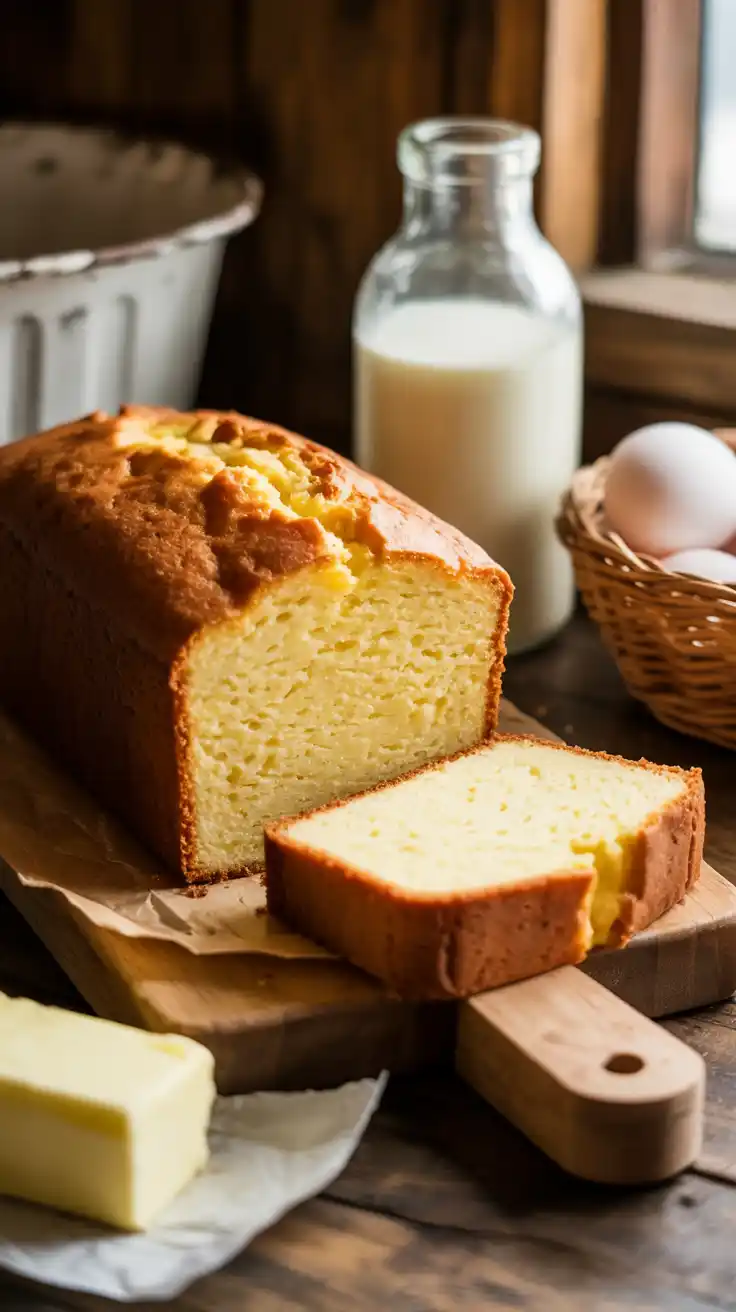
Pound cake gets its name from the traditional ratio of a pound of each ingredient, but modern palates often prefer something lighter. Using self-rising flour in a pound cake creates a crumb that is tight and velvety but not heavy like a brick. The acidity in the buttermilk reacts with the leavening agents in the self-rising flour, giving an extra boost of tenderness. This cake develops a beautiful golden crust that tastes caramelized and buttery. It is robust enough to be toasted and served with fruit compote, yet delicate enough to eat plain by the slice.
Ingredients:
- 1 cup butter, softened
- 2 cups sugar
- 4 eggs
- 3 cups self-rising flour
- 1 cup buttermilk
- 1 tsp vanilla extract
Instructions:
- Preheat oven to 325°F (165°C) and grease a bundt pan thoroughly.
- Cream butter and sugar until very light and fluffy (5 minutes).
- Add eggs one at a time, beating well after each.
- Alternately add flour and buttermilk, starting and ending with flour.
- Stir in vanilla.
- Bake for 60-70 minutes until a toothpick comes out clean.
One-Bowl Chocolate Sheet Cake
When you need chocolate cake and you need it fast, a sheet cake is the answer. This recipe simplifies the process by utilizing self-rising flour, meaning you don’t have to sift baking soda or powder into your cocoa. The result is a fudgy, moist cake that is perfect for feeding a crowd at a potluck or birthday party. Because sheet cakes are thinner, they bake rapidly. The self-rising flour ensures an even rise across the large surface area, preventing that dreaded dip in the middle. It pairs perfectly with a simple ganache or a whipped chocolate buttercream.

Ingredients:
- 2 cups self-rising flour
- 2 cups sugar
- ¾ cup unsweetened cocoa powder
- 2 eggs
- 1 cup milk
- ½ cup vegetable oil
- 1 cup boiling water
Instructions:
- Preheat oven to 350°F (175°C) and grease a 9×13 inch pan.
- Whisk flour, sugar, and cocoa in a large bowl.
- Add eggs, milk, and oil; beat for 2 minutes.
- Stir in boiling water (batter will be thin).
- Pour into pan and bake for 30-35 minutes.
- Frost once completely cooled.
Simple Strawberry Yogurt Cake
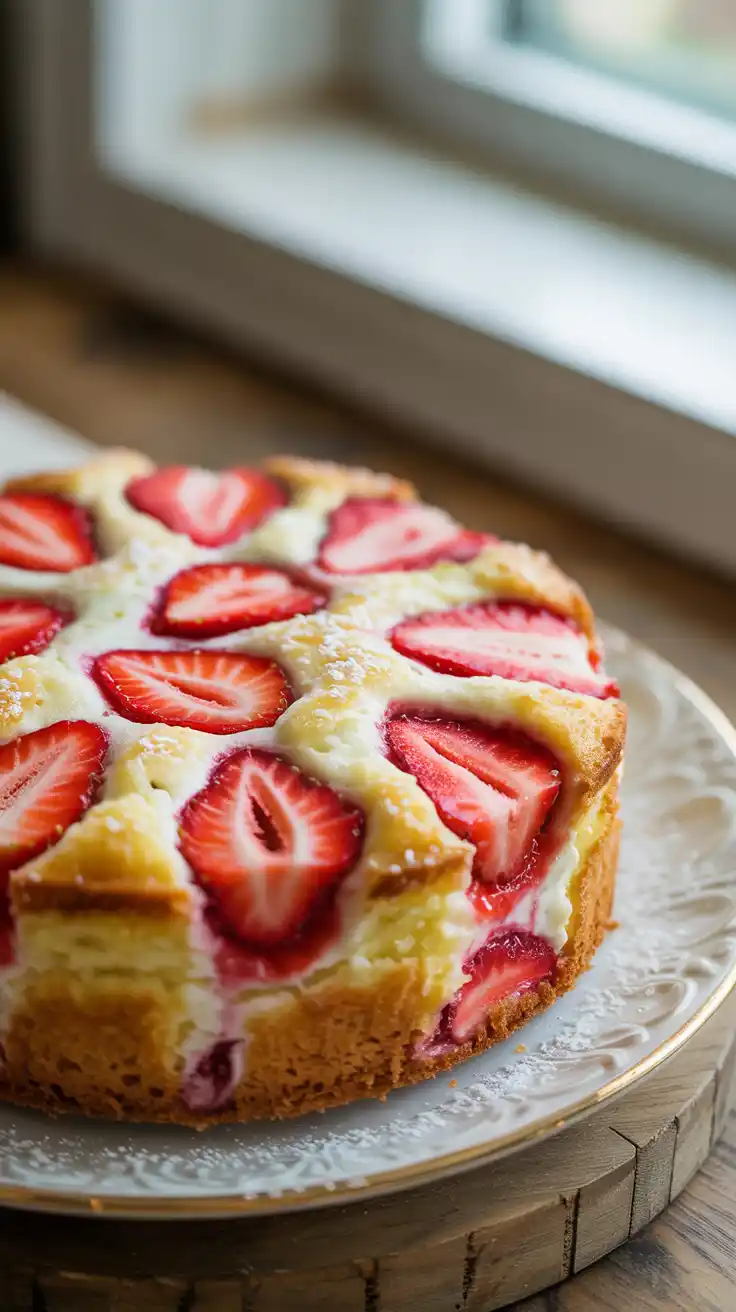
Yogurt is a secret weapon in baking. It adds fat and acidity, which keeps cakes incredibly moist. When paired with self-rising flour, you get a cake that is fluffy almost to the point of being creamy. This recipe is rustic and simple, often baked in a round tin and dusted with powdered sugar. The strawberries roast as they bake, creating pockets of jammy sweetness throughout the sponge. It is a fantastic way to use up summer berries that might be getting a little soft. The self-rising flour ensures the batter is thick enough to suspend the fruit so it doesn’t all sink to the bottom.
Ingredients:
- 1 ½ cups self-rising flour
- 1 cup Greek yogurt
- 1 cup sugar
- 3 eggs
- ½ cup vegetable oil
- 1 cup fresh strawberries, chopped
Instructions:
- Preheat oven to 350°F (175°C). Line a round cake pan.
- Whisk yogurt, sugar, eggs, and oil until smooth.
- Fold in the flour gently.
- Stir in the chopped strawberries.
- Pour into the pan and bake for 35-40 minutes.
- Cool and dust with powdered sugar.
Southern Peach Cobbler Cake
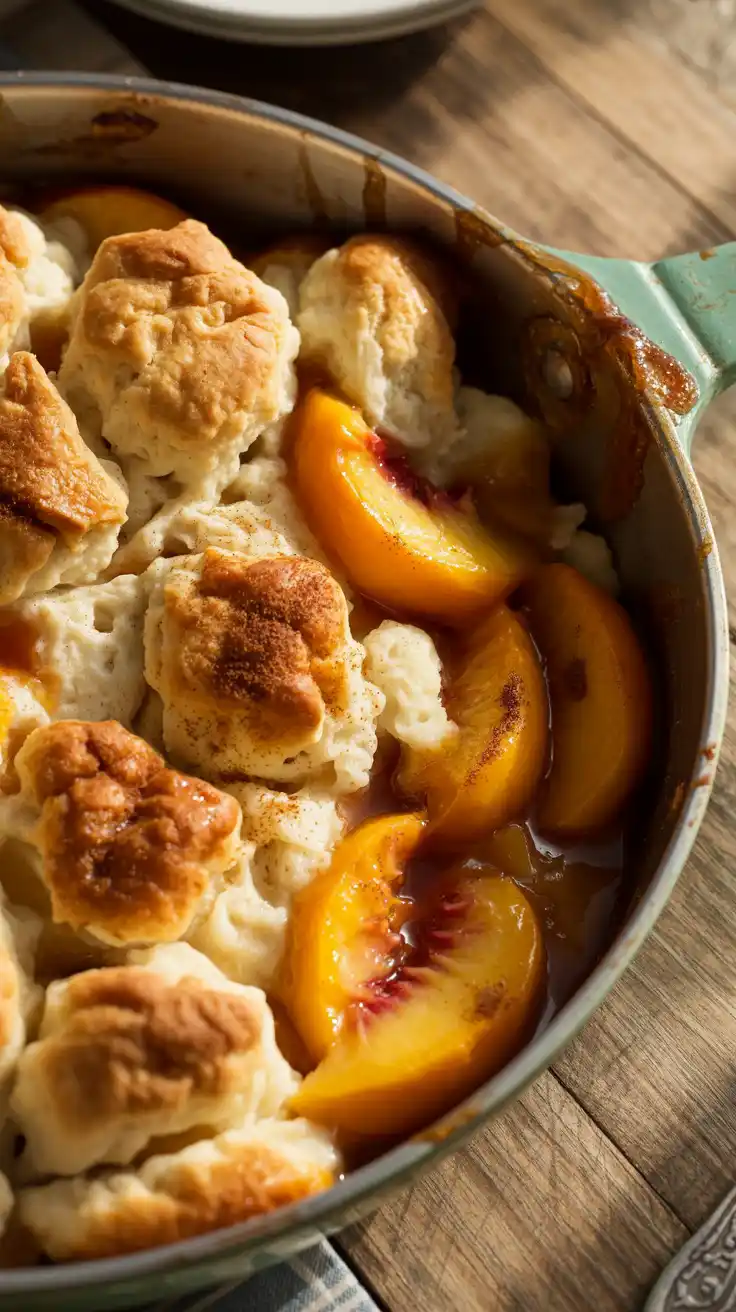
This is a hybrid dessert that sits somewhere between a traditional cobbler and a sponge cake. In the South, self-rising flour is a staple for this very dish. You typically melt butter in the pan, pour in a batter made with self-rising flour, sugar, and milk, and then dump fruit on top. As it bakes, the batter rises up and over the fruit, encapsulating it in a golden crust. It is magic to watch in the oven. The self-rising flour is crucial here because it provides the rapid expansion needed to envelop the heavy peaches.
Ingredients:
- ½ cup butter
- 1 cup self-rising flour
- 1 cup sugar
- 1 cup milk
- 1 can (15 oz) sliced peaches in syrup (undrained)
Instructions:
- Preheat oven to 350°F (175°C).
- Put butter in a 9×13 baking dish and melt in the oven.
- In a bowl, mix flour, sugar, and milk to make a batter.
- Pour batter over the melted butter (do not stir).
- Spoon peaches and syrup over the batter (do not stir).
- Bake for 45-50 minutes until golden brown and bubbly.
Banana Walnut Tea Cake
Most people make banana bread, but with self-rising flour, you can easily turn those overripe bananas into a proper tea cake. The difference is in the texture; while bread is dense, this cake is lighter and has a finer crumb. The pre-mixed leavening in the flour works perfectly to lift the heavy mashed banana. The addition of walnuts adds a lovely bitterness and crunch that offsets the intense sweetness of the fruit. This cake toasts beautifully and slathers well with salted butter.

Ingredients:
- 2 cups self-rising flour
- ½ cup butter, melted
- ¾ cup brown sugar
- 3 ripe bananas, mashed
- 2 eggs
- ½ cup chopped walnuts
Instructions:
- Preheat oven to 350°F (175°C) and grease a loaf or round pan.
- Mix melted butter and sugar.
- Beat in eggs and mashed bananas.
- Fold in self-rising flour and walnuts until just combined.
- Pour into pan.
- Bake for 50-60 minutes.
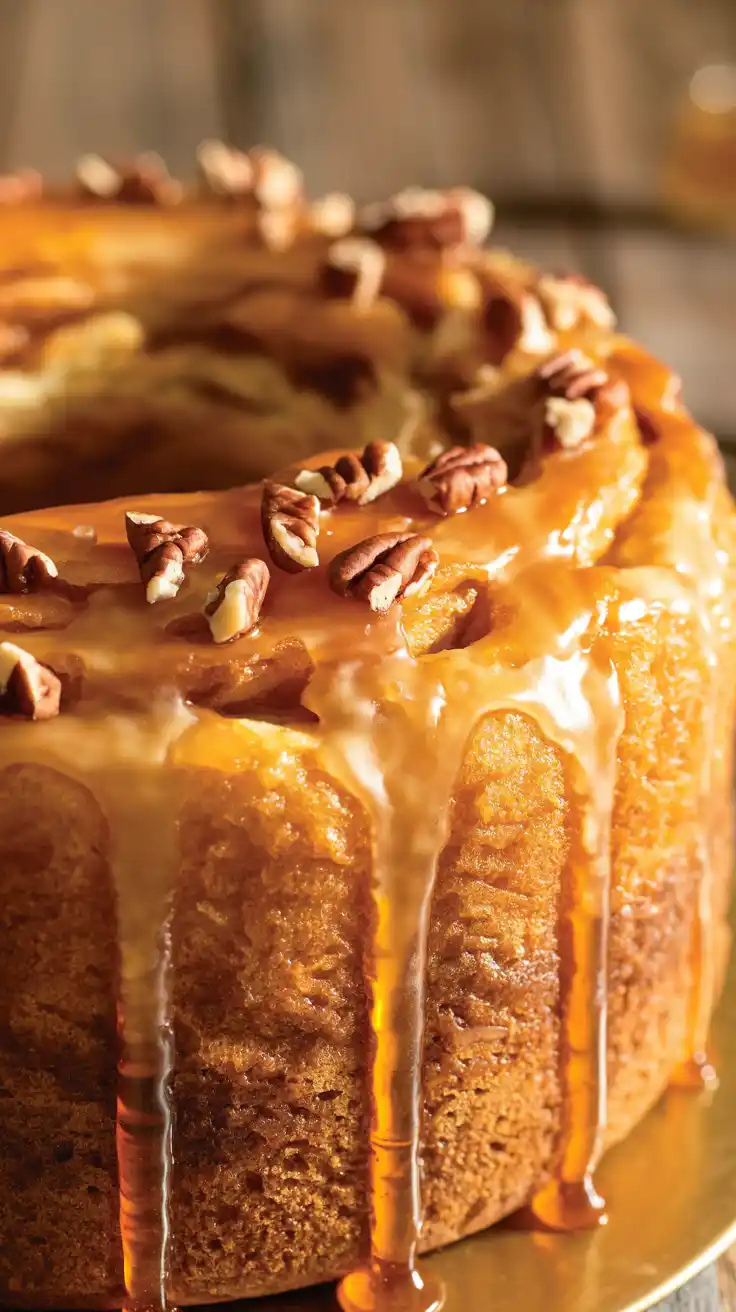
Golden Honey Bun Cake
Inspired by the convenience store snack, this cake is a sugary, cinnamon-infused delight. It usually starts with a yellow cake mix, but you can make a superior homemade version using self-rising flour. The flour gives it a distinct, soft texture that mimics the commercial pastry. The secret is the glaze that you pour over the cake while it is still hot, which seeps into the crumb and creates a moist, sticky surface. It is incredibly sweet and perfect for those with a serious sweet tooth.
Ingredients:
- 2 cups self-rising flour
- 1 cup sugar
- ¾ cup vegetable oil
- 4 eggs
- 1 cup sour cream
- Filling: 1 cup brown sugar + 2 tsp cinnamon
Instructions:
- Preheat oven to 350°F (175°C). Grease a 9×13 pan.
- Mix flour, sugar, oil, eggs, and sour cream.
- Pour half the batter into the pan.
- Sprinkle with cinnamon-sugar mixture.
- Cover with remaining batter.
- Bake for 35-40 minutes.
3-Ingredient Pineapple Angel Cake
This is commonly known as a “Weight Watchers” hack, but it is genuinely delicious regardless of dietary goals. When you mix self-rising flour (or angel food cake mix, though you can do a scratch version with egg whites and SR flour) with crushed pineapple, the fruit creates a foam reaction. For a scratch version using self-rising flour, you rely on the acidity of the pineapple to activate the baking soda in the flour mix. It produces a remarkably light, airy cake that is naturally dairy-free (if you don’t use butter).

Ingredients:
- 2 cups self-rising flour
- 1 ½ cups sugar
- 1 can (20 oz) crushed pineapple in juice (undrained)
Instructions:
- Preheat oven to 350°F (175°C). Grease a 9×13 pan.
- Combine flour and sugar in a large bowl.
- Stir in the crushed pineapple with its juice.
- Mix until combined (batter will be foamy).
- Pour into pan.
- Bake for 30-35 minutes.
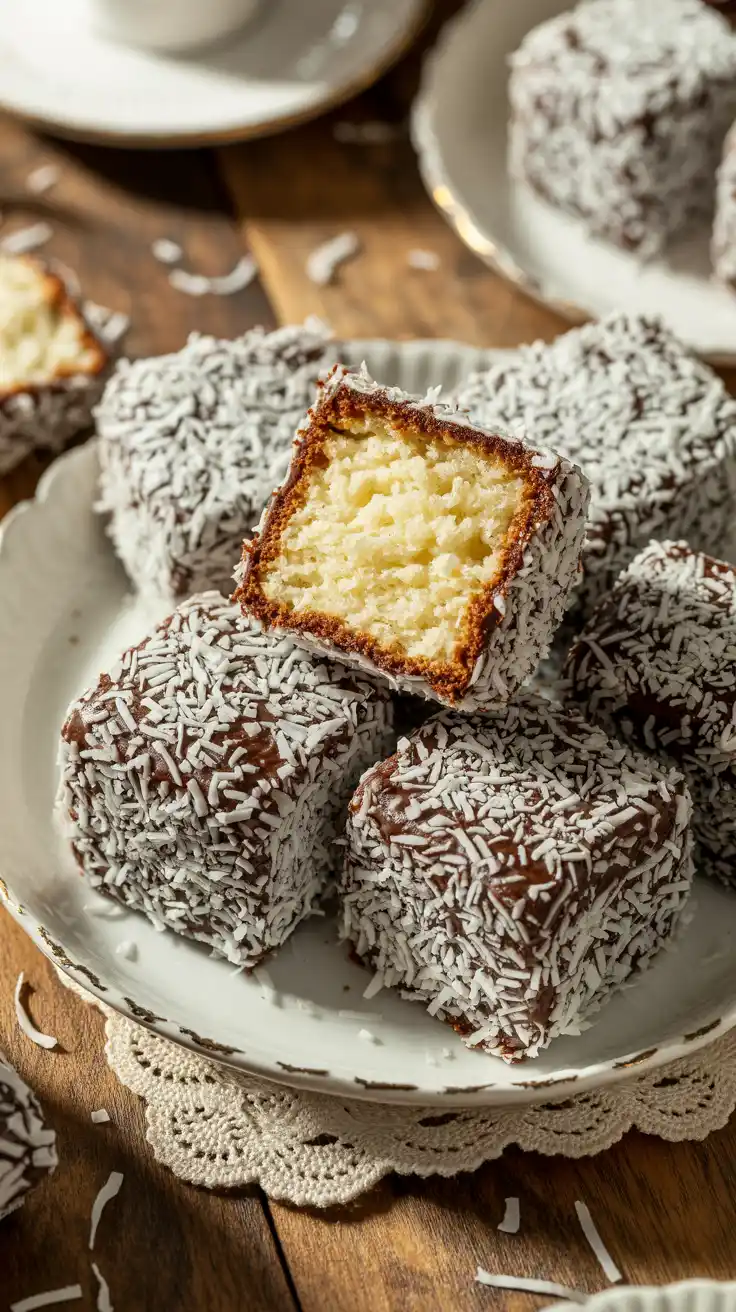
Classic Australian Lamington Sponge
Lamingtons are squares of sponge cake dipped in chocolate sauce and rolled in desiccated coconut. The foundation of a good Lamington is a sponge that is sturdy enough to be dipped but soft enough to be enjoyable. Self-rising flour is the standard in Australian kitchens for this exact reason. It creates a “butter sponge” that holds its shape when cut into cubes. If the cake is too airy, it disintegrates in the chocolate; if it’s too dense, it tastes heavy. Self-rising flour hits the perfect middle ground.
Ingredients:
- 2 cups self-rising flour
- 1 cup sugar
- ½ cup butter, softened
- 3 eggs
- ½ cup milk
- Coating: Chocolate icing and desiccated coconut
Instructions:
- Preheat oven to 350°F (175°C). Grease a rectangular pan.
- Cream butter and sugar; add eggs one at a time.
- Fold in flour alternately with milk.
- Bake for 25-30 minutes.
- Ideally, freeze the cake overnight before cutting into squares.
- Dip squares in chocolate sauce, then roll in coconut.
Spiced Applesauce Cake
Applesauce is a fantastic fat substitute, but it also adds a depth of flavor that pairs beautifully with autumnal spices. This cake uses self-rising flour to ensure a good rise despite the heavy moisture content of the applesauce. It is a dense, moist cake, similar to a carrot cake or gingerbread. The convenience of self-rising flour means you can throw this batter together in under ten minutes. It is best enjoyed warm with a dollop of vanilla custard or a simple cream cheese frosting.

Ingredients:
- 2 cups self-rising flour
- 1 cup sugar
- 1 ½ cups unsweetened applesauce
- ½ cup butter, melted
- 1 tsp cinnamon
- ½ tsp nutmeg
Instructions:
- Preheat oven to 350°F (175°C).
- Mix melted butter and sugar.
- Stir in spices and applesauce.
- Gently fold in the self-rising flour until just combined.
- Pour into a greased 8-inch square pan.
- Bake for 35-40 minutes.
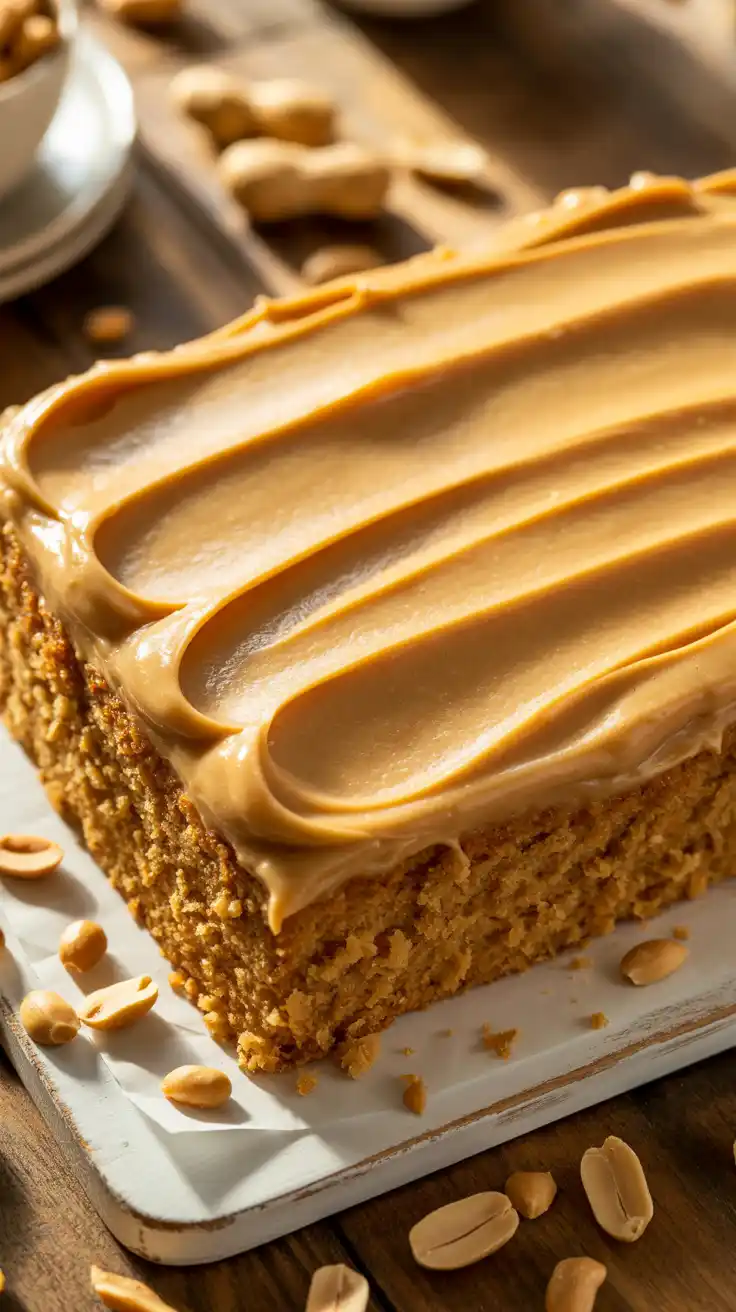
Quick Peanut Butter Sheet Cake
Peanut butter in cake can sometimes make the batter dry or heavy due to the high protein and fat content. However, balancing it with self-rising flour and enough liquid creates a rich, nutty sponge that melts in your mouth. This is often served warm with a pour-over icing that hardens slightly as it cools. The salt already present in self-rising flour actually helps amplify the peanut flavor, making it taste more intense without needing extra additives.
Ingredients:
- 2 cups self-rising flour
- 2 cups sugar
- 1 cup water
- 1 cup butter
- ½ cup creamy peanut butter
- 2 eggs
- ½ cup buttermilk
Instructions:
- Preheat oven to 350°F (175°C). Grease a sheet pan.
- Boil water and butter; stir in peanut butter until melted.
- Pour hot mixture over flour and sugar; beat well.
- Mix in eggs and buttermilk.
- Pour into pan and bake for 20-25 minutes.
- Frost while warm.
Easy Coconut Poke Cake
Coconut cake is often associated with complicated layers and meringues, but a poke cake version is accessible to everyone. The base is a simple white sponge made with self-rising flour and coconut milk. Once baked, you poke holes in it and pour over a mixture of condensed milk and coconut cream. The self-rising flour sponge is essential here because it creates a porous structure that drinks up the liquid without turning into mush. It is a chilled dessert that is incredibly refreshing.

Ingredients:
- 2 cups self-rising flour
- 1 ½ cups sugar
- ½ cup vegetable oil
- 3 egg whites
- 1 cup coconut milk
- Soak: 1 can sweetened condensed milk + ½ cup coconut cream
Instructions:
- Preheat oven to 350°F (175°C).
- Whisk sugar, oil, egg whites, and coconut milk.
- Fold in flour.
- Bake in a 9×13 pan for 30 minutes.
- Poke holes all over the hot cake.
- Pour the soak mixture over the top and refrigerate for 4 hours.
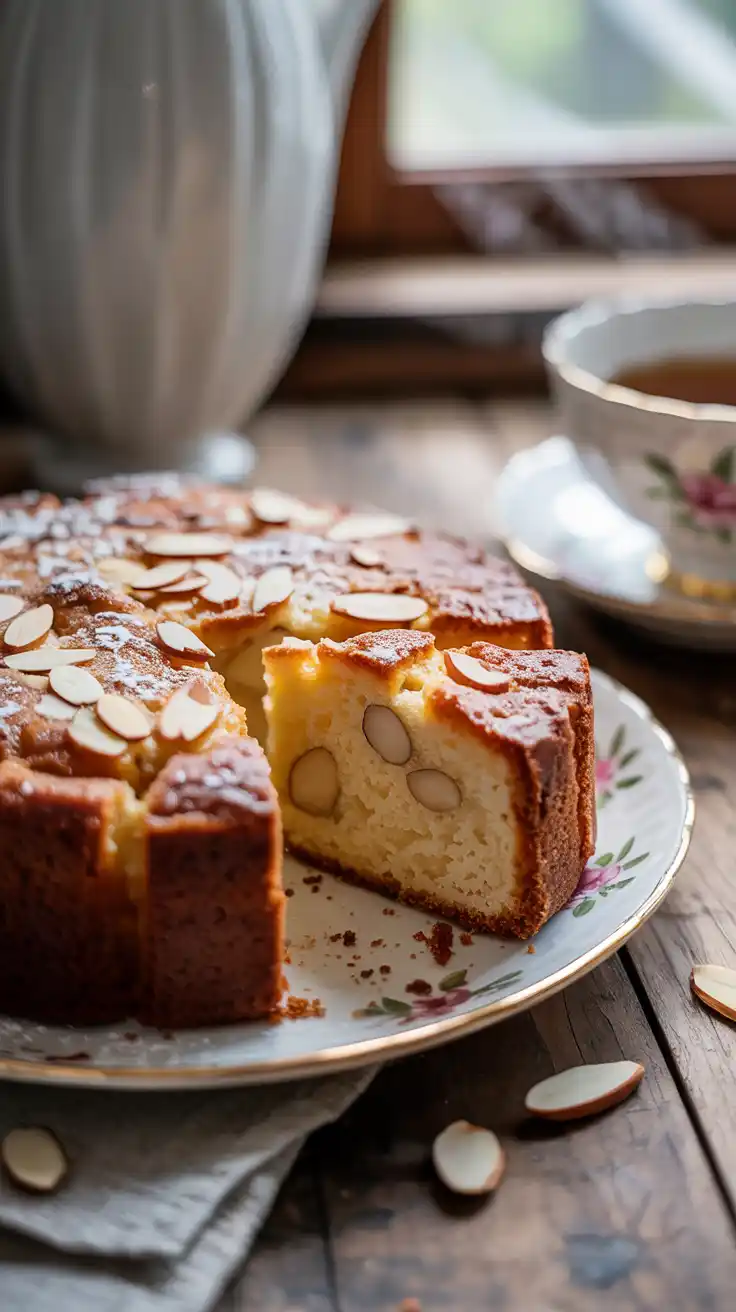
Almond Tea Cake
Almond flour is often used for flavor, but it doesn’t provide structure. By mixing almond extract and ground almonds with a base of self-rising wheat flour, you get the best of both worlds: the structural integrity and rise of wheat flour with the nutty aroma of almonds. This cake is sophisticated and elegant. It doesn’t need heavy frosting; a simple dusting of powdered sugar or a sprinkle of flaked almonds before baking is sufficient. It pairs exceptionally well with strong black tea or espresso.
Ingredients:
- 1 ½ cups self-rising flour
- ¾ cup sugar
- ½ cup butter, melted
- 2 eggs
- 1 tsp almond extract
- ½ cup milk
- sliced almonds for topping
Instructions:
- Preheat oven to 350°F (175°C). Line a round pan.
- Beat sugar and eggs until pale.
- Add melted butter, milk, and almond extract.
- Fold in flour.
- Pour into pan and top with sliced almonds.
- Bake for 30-35 minutes.
Pumpkin Spice Loaf
Pumpkin puree is dense and wet, which creates a challenge for baking powder. Self-rising flour is formulated to provide a strong, even lift, making it ideal for pumpkin bread. This recipe produces a high-rising loaf that isn’t gummy in the center—a common pitfall of pumpkin baking. The spices warm up the flavor profile, and the texture remains fluffy. It is a grab-and-go breakfast that tastes like autumn morning.

Ingredients:
- 2 cups self-rising flour
- 1 cup sugar
- 1 cup pumpkin puree (not pie filling)
- ½ cup vegetable oil
- 2 eggs
- 1 tsp pumpkin pie spice
Instructions:
- Preheat oven to 350°F (175°C). Grease a loaf pan.
- Whisk sugar, oil, pumpkin, eggs, and spice.
- Stir in flour until just combined.
- Pour into pan.
- Bake for 50-60 minutes.
- Cool fully to allow slicing without crumbling.
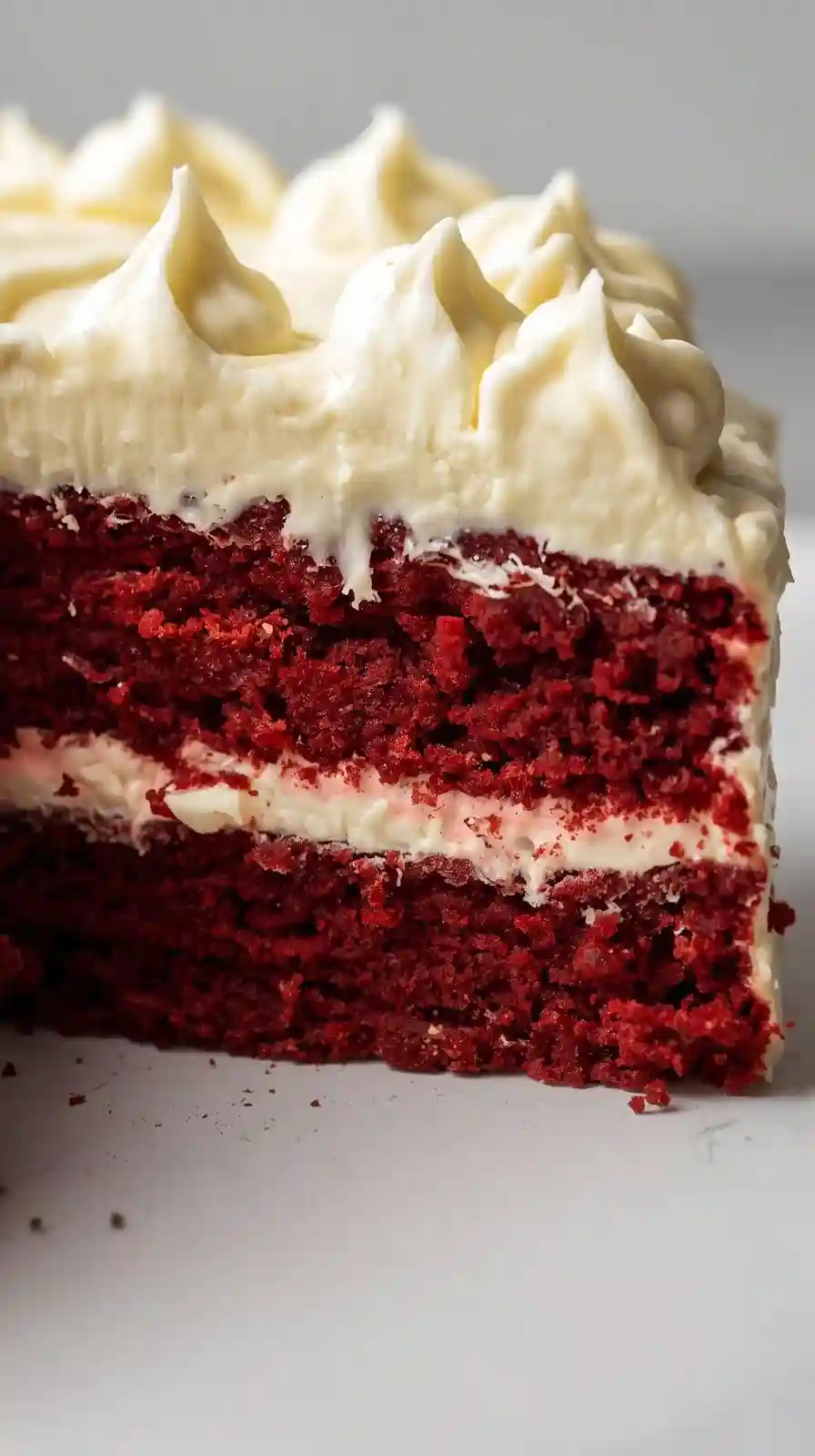
Red Velvet Snack Cake
Red Velvet is technically a light cocoa cake with red coloring and buttermilk acid. Getting the texture right can be tricky, but self-rising flour simplifies the dry ingredients. The salt and leavening in the flour balance perfectly with the mild cocoa. This is a “snack cake” version, meaning it is one layer, easy to transport, and eaten straight from the pan. It is less fussy than a layer cake but delivers all the flavor you expect.
Ingredients:
- 2 cups self-rising flour
- 1 ½ cups sugar
- 1 cup vegetable oil
- 1 cup buttermilk
- 2 eggs
- 2 tbsp cocoa powder
- 1 oz red food coloring
Instructions:
- Preheat oven to 350°F (175°C). Grease a square pan.
- Whisk oil, buttermilk, eggs, and food coloring.
- Sift flour, sugar, and cocoa together.
- Combine wet and dry ingredients.
- Bake for 30-35 minutes.
- Top with cream cheese frosting.
Orange Creamsicle Cake
This cake tastes like nostalgia. It captures the flavor of an orange vanilla ice cream bar in baked form. Using fresh orange juice and zest with self-rising flour creates a vibrant, citrusy sponge. The self-rising flour keeps the texture airy, mimicking the lightness of the ice cream treat. It is a fantastic summer dessert that feels lighter than a chocolate cake.

Ingredients:
- 1 ½ cups self-rising flour
- 1 cup sugar
- ½ cup butter, softened
- 2 eggs
- ½ cup orange juice
- 1 tbsp orange zest
Instructions:
- Preheat oven to 350°F (175°C).
- Cream butter and sugar; add eggs and zest.
- Alternately add flour and orange juice.
- Pour into a round cake pan.
- Bake for 30-35 minutes.
- Glaze with orange juice and powdered sugar while warm.
Conclusion
Self-rising flour is more than just a convenience item; it is a reliable tool for consistent baking success. Whether you are whipping up a quick 2-ingredient treat or a classic Victoria sponge, having a bag of this pre-mixed flour in your pantry opens the door to effortless, delicious cakes. Try one of these recipes this weekend and taste the difference a good rise makes!