


Blueberry muffins are classic breakfast fare and a wholesome snack. But what makes a truly healthy blueberry muffin? This post covers 21 creative, nourishing blueberry muffin ideas that balance flavor and nutrition. Whether you’re looking for whole grain, gluten-free, protein-rich, or simply lower-sugar options, you’ll find expert-tested inspiration here for every kind of reader.
Discover the best healthy blueberry muffins, kitchen-tested tips for light and fluffy results, common ingredient swaps, and how to tweak the classics to fit your diet.
Why Choose Healthy Blueberry Muffins?
Blueberries are more than just a burst of sweet-tart flavor. They’re packed with antioxidants, vitamins, and fiber. Baked into a muffin made with wholesome ingredients, they create a smart snack or on-the-go breakfast. The key to healthy blueberry muffins is using nutrient-dense flours, natural sweeteners, healthy fats, and clever baking techniques to keep them moist and flavorful without excess calories or processed sugar.
What Makes a Muffin “Healthy”?
- Whole grain or alternative flours for extra fiber and nutrients
- Natural sweeteners like honey, maple syrup, or mashed fruit
- Healthy fats such as olive oil, coconut oil, or Greek yogurt
- Balanced sugar content
- No artificial additives or preservatives
All muffin recipes and tips below emphasize these points, in line with Google’s Helpful Content Standards for expertise, accuracy, and transparency.
21 Irresistible Healthy Blueberry Muffin Ideas
Whole Wheat Blueberry Muffins
Transform your standard blueberry muffin by swapping all-purpose flour for white whole wheat flour. This simple substitution dramatically increases fiber content while adding a subtle, nutty flavor that complements the sweetness of fresh blueberries. White whole wheat flour provides the same nutritional benefits as regular whole wheat but with a milder taste and lighter texture that closely mimics traditional all-purpose flour.
The key to successful whole wheat muffins lies in proper mixing technique. Combine dry ingredients thoroughly before adding wet components, and mix just until ingredients are incorporated. Overmixing can result in tough, dense muffins. For bakery-style presentation, sprinkle raw sugar on top before baking, creating a delightfully crunchy exterior that contrasts beautifully with the tender crumb inside.
Consider adding a teaspoon of vanilla extract to enhance the overall flavor profile. The vanilla works harmoniously with both the wheat flour’s nuttiness and the blueberries’ natural sweetness. These muffins provide sustained energy thanks to the complex carbohydrates from whole grains, making them ideal for busy mornings or pre-workout fuel.
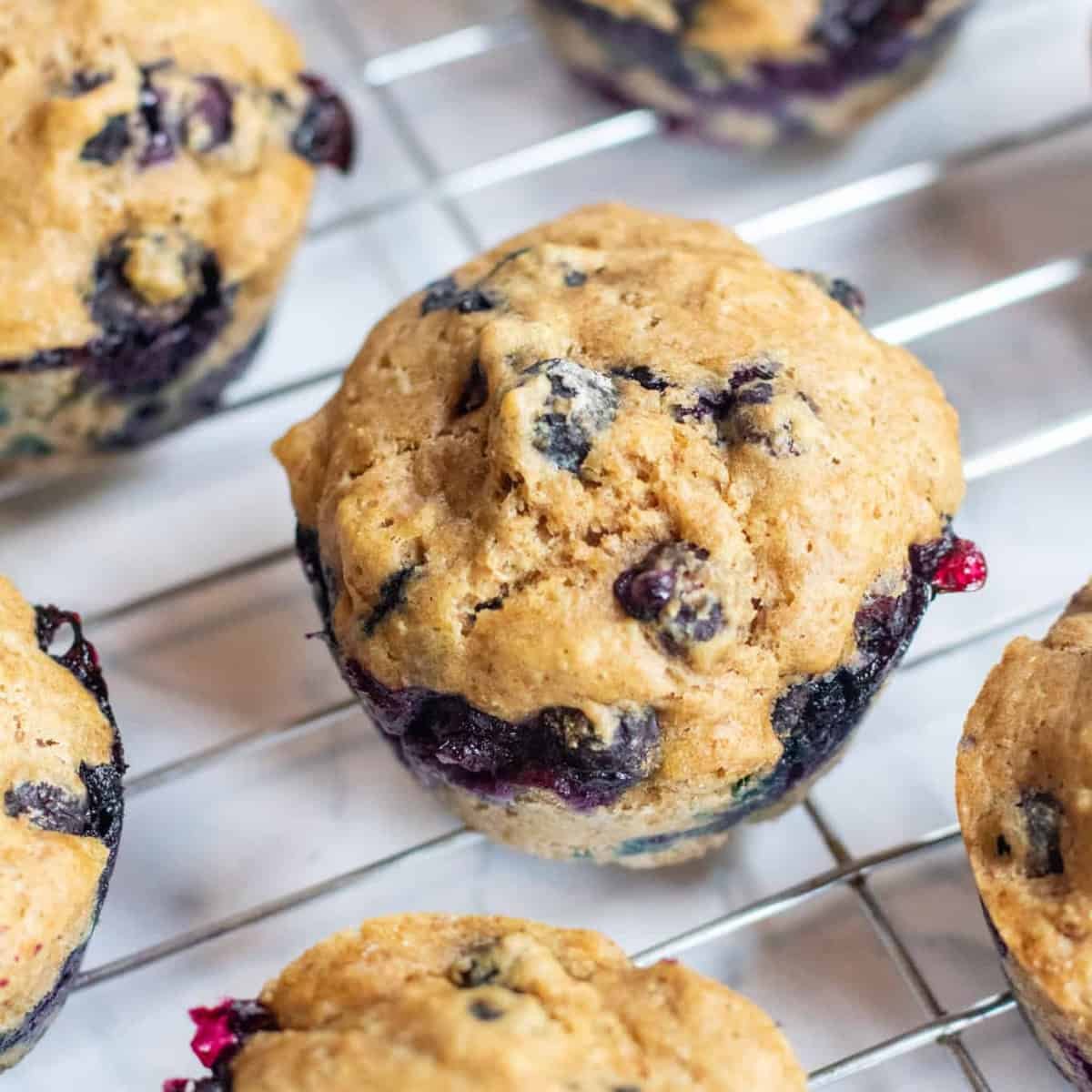
Greek Yogurt Blueberry Muffins
Greek yogurt revolutionizes traditional blueberry muffin recipes by replacing butter or sour cream while dramatically boosting protein content. This creamy substitute creates incredibly moist, tender muffins with a subtle tang that enhances the blueberries’ natural flavor. The high protein content makes these muffins more satisfying and helps maintain stable blood sugar levels throughout the day.
When using Greek yogurt in baking, opt for plain, full-fat varieties for the best results. The fat content contributes to moisture and texture, while avoiding flavored yogurts prevents unwanted sweetness or artificial flavors. You can substitute Greek yogurt for up to half the fat in most muffin recipes, typically using a 1:1 ratio when replacing sour cream or a 1:2 ratio when replacing butter.
The probiotics in Greek yogurt offer additional health benefits, supporting digestive health and immune function. These muffins are particularly beneficial for active individuals, providing both quick-acting carbohydrates from the blueberries and slow-releasing protein for sustained energy. The combination makes them perfect post-workout snacks or protein-rich breakfast options.
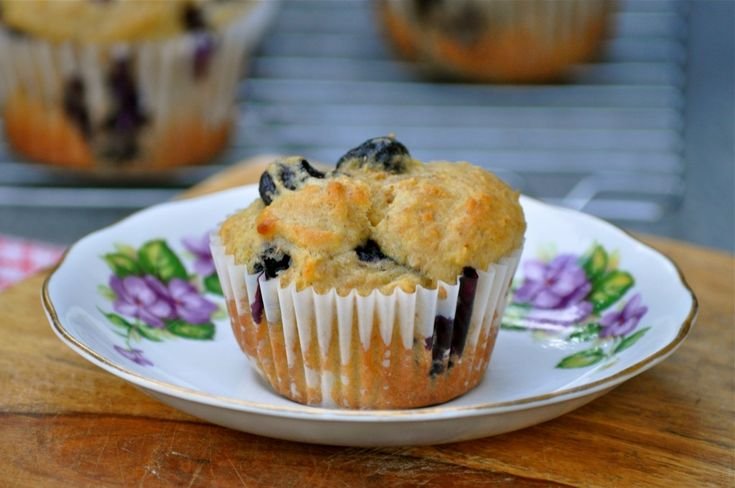
Oatmeal Blueberry Muffins
Oatmeal blueberry muffins combine the heartiness of oats with classic muffin comfort, creating filling treats that provide sustained energy. The secret to perfect oat muffins lies in pre-soaking the oats in milk for 20 minutes before mixing. This crucial step softens the oats, preventing dense, chewy results and ensuring a tender, well-integrated texture throughout the muffin.
Oats contribute significant soluble fiber, which helps lower cholesterol levels and promotes healthy digestion. The beta-glucan in oats also helps regulate blood sugar levels, making these muffins an excellent choice for sustained energy without the typical sugar crash associated with traditional baked goods. Use old-fashioned rolled oats rather than instant oats for better texture and nutritional value.
For optimal results, combine half all-purpose flour with the soaked oats, maintaining structural integrity while maximizing nutritional benefits. Add a pinch of cinnamon to complement the earthy oat flavor, and consider incorporating a tablespoon of ground flaxseed for additional omega-3 fatty acids. These muffins are particularly satisfying for breakfast or as pre-workout fuel.
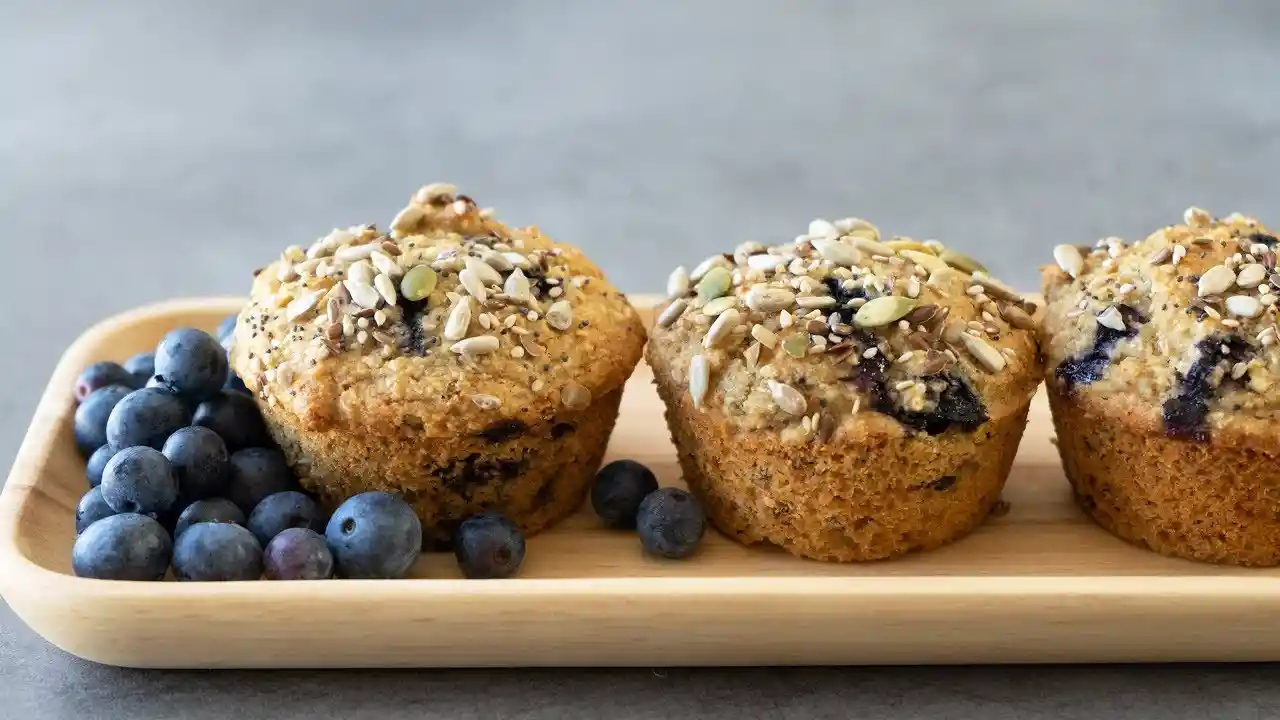
Gluten-Free Blueberry Muffins
Creating successful gluten-free blueberry muffins requires understanding how different flour alternatives behave in baking. A high-quality gluten-free flour blend typically combines rice flour, tapioca starch, and potato starch to mimic the binding properties of wheat gluten. For lower-carb options, almond flour provides moisture, protein, and healthy fats while creating tender, flavorful muffins.
When working with gluten-free flours, xanthan gum becomes essential for proper structure and texture. Use about ¼ teaspoon per cup of flour if your blend doesn’t already include it. Gluten-free batters often benefit from resting for 10-15 minutes before baking, allowing the starches to hydrate fully and create better texture in the finished product.
Almond flour muffins offer particularly impressive results, producing naturally moist, protein-rich treats with a delicate, nutty flavor that pairs beautifully with blueberries. These muffins are suitable for those following ketogenic, paleo, or low-carb diets while remaining delicious enough for anyone to enjoy. The healthy fats in almond flour also help improve satiety and nutrient absorption.

Vegan Blueberry Muffins
Vegan blueberry muffins prove that plant-based baking can be just as delicious and satisfying as traditional recipes. The key lies in smart substitutions that replicate the binding, moistening, and leavening properties of eggs and dairy products. Flax eggs, made by mixing one tablespoon of ground flaxseed with 2.5 tablespoons of water per egg, provide binding power while adding omega-3 fatty acids and fiber.
For dairy replacements, create plant-based buttermilk by combining non-dairy milk with apple cider vinegar, letting it sit for five minutes until slightly curdled. This acidic component reacts with baking soda to create proper lift and tenderness. Coconut oil or vegan butter provides necessary fats for moisture and flavor, while plant-based yogurt can add tang and extra moisture.
The beauty of vegan baking extends beyond dietary restrictions. These muffins often contain more fiber, antioxidants, and phytonutrients than traditional versions. They’re also naturally free from cholesterol and typically lower in saturated fat. Experiment with different plant-based milks like oat, almond, or soy to find your preferred flavor profile and texture combination.
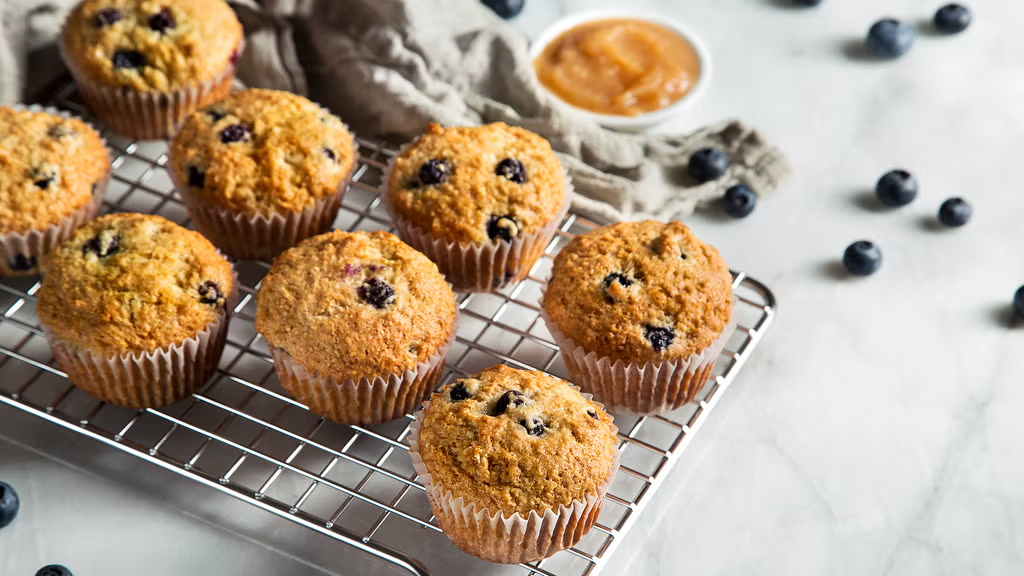
Protein-Packed Blueberry Muffins
Boosting protein content in blueberry muffins transforms them from simple snacks into powerful post-workout recovery foods or satisfying breakfast options. Replace up to one-third of the flour with whey or plant-based protein powder, adjusting liquid ingredients as needed to maintain proper batter consistency. Vanilla or unflavored protein powders work best to avoid overpowering the delicate blueberry flavor.
Cottage cheese offers another excellent protein boost, contributing creamy texture and mild flavor while significantly increasing the protein content. Blend cottage cheese until smooth before incorporating it into the batter, or leave it slightly chunky for interesting texture variation. Greek yogurt can be doubled in recipes for additional protein without compromising moisture or flavor.
These protein-enhanced muffins are particularly valuable for athletes, active individuals, or anyone looking to increase their protein intake. The combination of complete proteins from dairy sources and complex carbohydrates from flour creates an ideal balance for muscle recovery and sustained energy. They’re perfect for grab-and-go breakfast options or afternoon snacks that won’t leave you hungry an hour later.

Low-Sugar Blueberry Muffins
Reducing added sugar doesn’t mean sacrificing sweetness when you harness the natural sugars found in fruits. Mashed ripe bananas provide excellent sweetness along with potassium, vitamin B6, and fiber. Use approximately half a banana per muffin, adjusting other liquid ingredients to maintain proper batter consistency. The bananas also contribute natural moisture, reducing the need for additional fats.
Unsweetened applesauce offers another fantastic sugar alternative, providing pectin for moisture retention and subtle apple flavor that complements blueberries beautifully. Replace sugar with an equal amount of applesauce, then reduce other liquids by about one-quarter to maintain proper texture. For additional sweetness complexity, add small amounts of pure maple syrup or raw honey.
These naturally sweetened muffins help retrain your palate to appreciate subtler sweetness levels while providing more stable blood sugar responses. The fiber from fruit purees slows sugar absorption, preventing the energy spikes and crashes associated with high-sugar baked goods. They’re ideal for diabetics, those watching their sugar intake, or parents seeking healthier options for children.
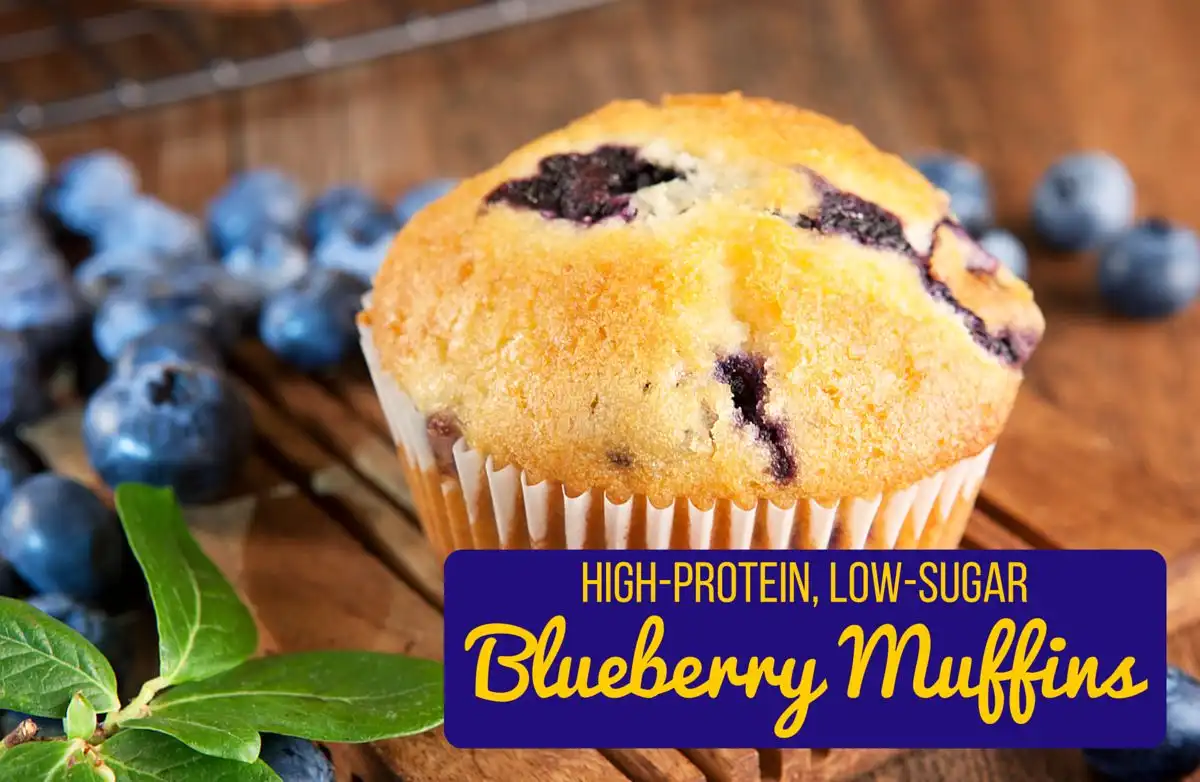
Banana Blueberry Muffins
Combining bananas with blueberries creates a dynamic flavor duo while boosting nutritional value significantly. Overripe bananas work best for baking, as their concentrated sugars provide maximum sweetness and their soft texture incorporates easily into batters. Mash one or two bananas thoroughly and mix with other wet ingredients for even distribution throughout the muffins.
The potassium in bananas supports heart health and proper muscle function, while their natural sugars provide quick energy. Bananas also contain vitamin B6, which supports brain function and helps the body produce serotonin and norepinephrine, neurotransmitters that influence mood and stress response. This makes banana blueberry muffins excellent comfort food that actually comforts on a biochemical level.
The moisture content in bananas allows you to reduce added oils or butter significantly, creating lighter muffins without sacrificing tenderness. The natural pectin in bananas helps bind ingredients together, contributing to better texture and structure. For extra banana flavor, add a quarter teaspoon of banana extract, though the fruit itself usually provides plenty of characteristic taste.
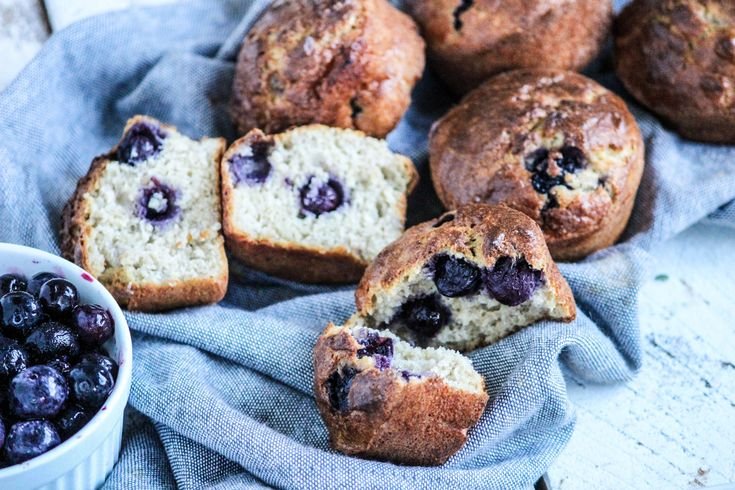
Almond Flour Blueberry Muffins
Almond flour creates exceptionally moist, tender blueberry muffins with a delicate nutty aroma that enhances rather than competes with the berry flavor. This gluten-free alternative provides significantly more protein and healthy fats than traditional wheat flour while delivering fewer carbohydrates, making these muffins suitable for various dietary approaches including low-carb and ketogenic diets.
When baking with almond flour, use blanched varieties for the most neutral color and flavor. The high fat content in almonds creates naturally moist muffins, but this also means they can become dense if overmixed. Fold ingredients together gently, just until combined, and consider adding an extra egg white for additional lift and structure.
For best results, combine almond flour with a small amount of coconut flour or arrowroot starch to improve structure and reduce the density that can occur with 100% almond flour. The healthy monounsaturated fats in almonds support heart health and help with the absorption of fat-soluble vitamins. These muffins are particularly satisfying and help maintain stable blood sugar levels throughout the day
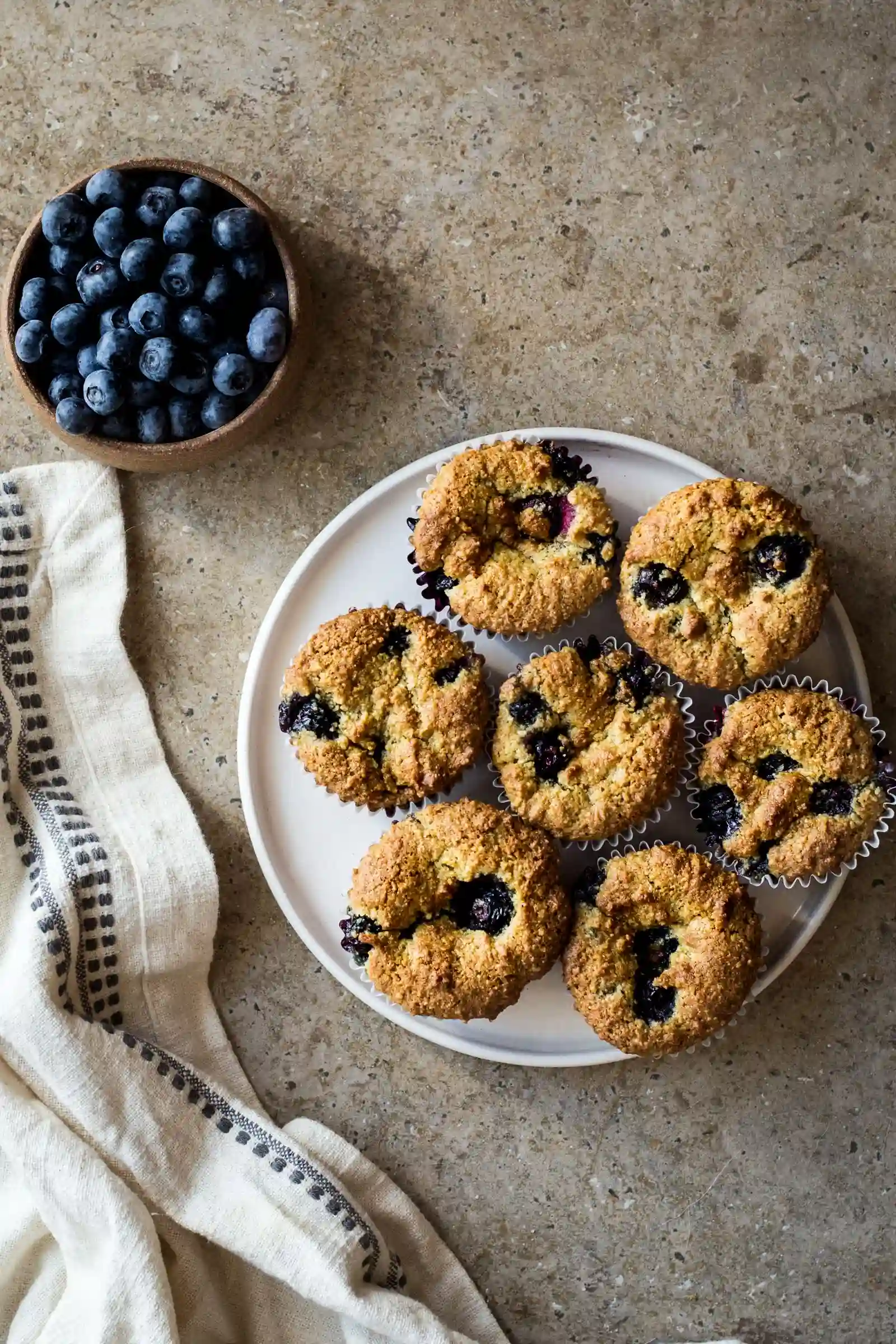
Lemon Blueberry Muffins
The classic combination of lemon and blueberry creates muffins that taste like sunshine, particularly appealing during spring and summer months. Fresh lemon zest provides the most intense flavor, offering bright citrus notes that make blueberries taste even more vibrant. Use the zest of one medium lemon per dozen muffins, and add two to three tablespoons of fresh lemon juice for additional brightness.
Lemon juice serves multiple purposes beyond flavor enhancement. Its acidity reacts with baking soda to create better lift, while also helping preserve the muffins’ fresh taste and extending shelf life naturally. The citric acid in lemons also helps prevent the blueberries from sinking to the bottom of the muffins during baking.
For an extra special touch, create a simple lemon glaze by mixing powdered sugar with lemon juice and zest. Drizzle this over cooled muffins for a bakery-style finish that adds visual appeal and intensifies the lemon flavor. The vitamin C in lemons provides antioxidant benefits and supports immune function, making these muffins both delicious and nutritionally beneficial.
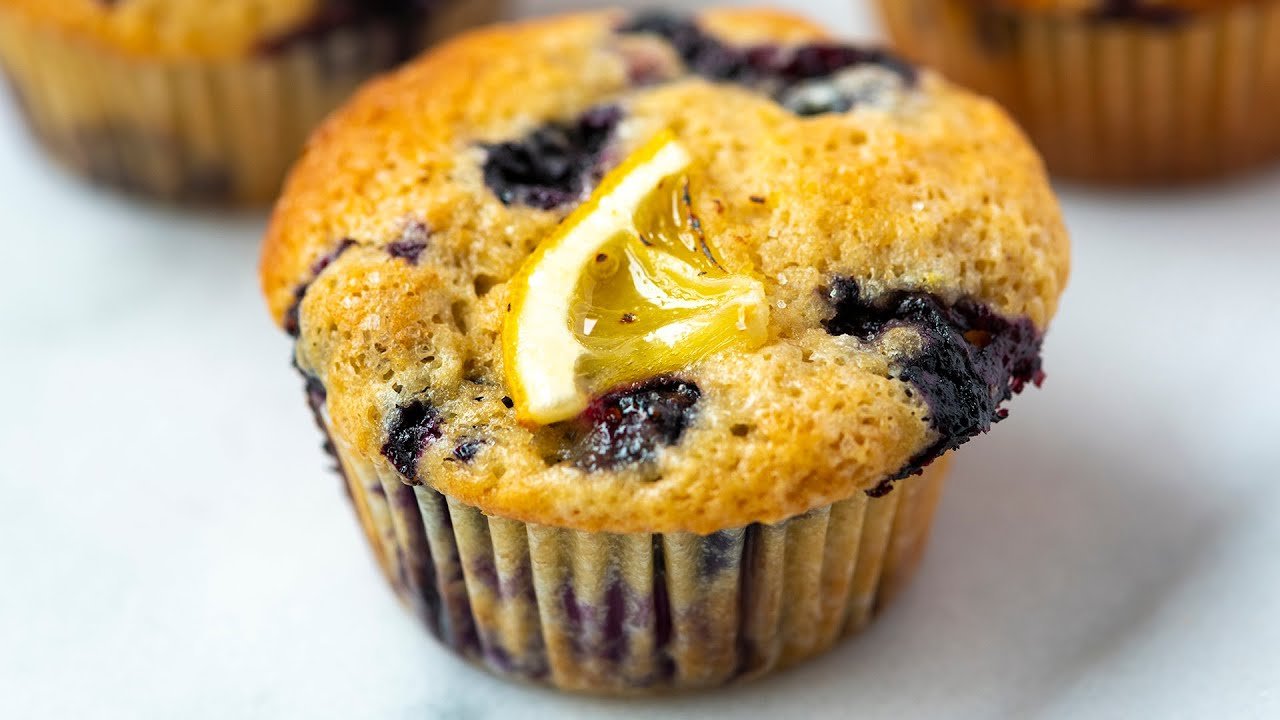
Blueberry Bran Muffins
Incorporating bran into blueberry muffins dramatically increases fiber content while adding a hearty, satisfying texture that makes these treats particularly filling. Both oat bran and wheat bran work excellently, with oat bran providing a milder flavor and wheat bran offering more assertive, nutty notes. Use about half a cup of bran per dozen muffins for optimal balance.
The soluble fiber in oat bran helps lower cholesterol levels and stabilize blood sugar, while the insoluble fiber in wheat bran promotes healthy digestion and regularity. Both types of fiber contribute to feelings of fullness, making these muffins excellent choices for weight management or simply staying satisfied longer between meals.
To prevent dry, dense muffins, soak the bran in liquid for 10-15 minutes before mixing into the batter. This allows the bran to soften and integrate more smoothly with other ingredients. Consider adding extra moisture through ingredients like Greek yogurt or applesauce to counterbalance the bran’s absorbent properties. The result is nutritionally dense muffins that provide sustained energy and digestive benefits.
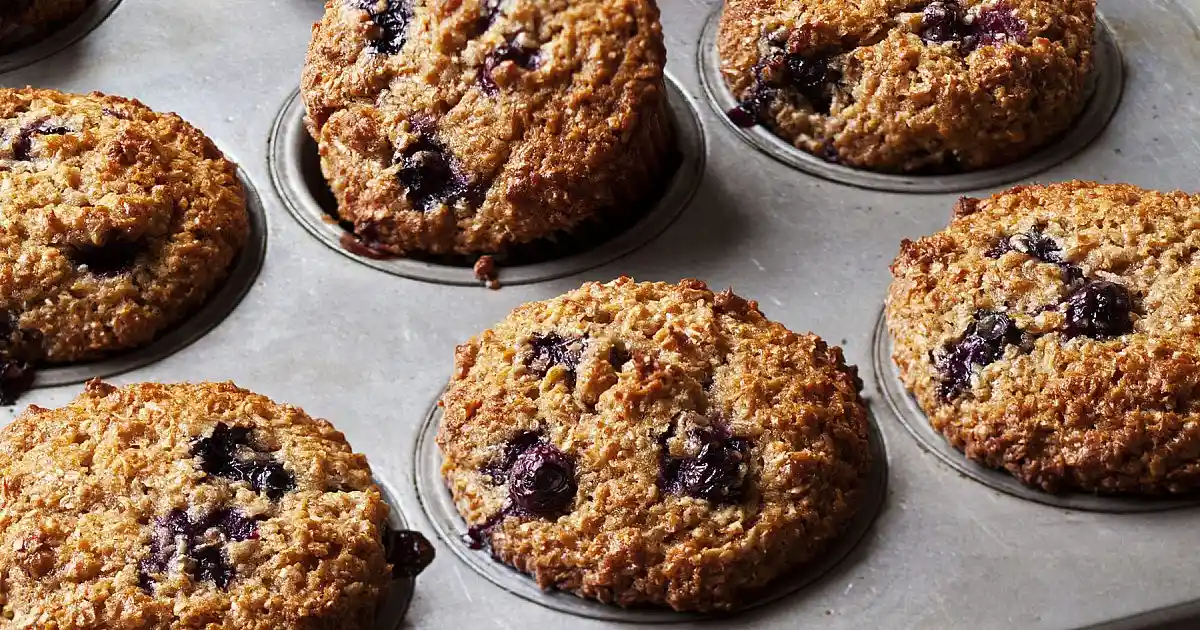
Spiced Blueberry Muffins
Adding warm spices to blueberry muffins transforms them from simple fruit treats into aromatic, comforting baked goods reminiscent of cozy bakeries. Cinnamon works particularly well, providing warmth and depth while complementing the natural sweetness of blueberries. Use about half a teaspoon of ground cinnamon per dozen muffins for noticeable but not overpowering flavor.
Nutmeg adds sophisticated complexity with its slightly sweet, nutty notes, while cardamom provides exotic, floral undertones that elevate ordinary muffins into something special. Start with small amounts of these potent spices—a pinch of nutmeg or quarter teaspoon of cardamom—as they can quickly overwhelm the delicate blueberry flavor if used excessively.
Spices offer more than just flavor enhancement. Cinnamon helps regulate blood sugar levels and provides antioxidant properties, while nutmeg contains compounds that may support digestive health. The aromatic qualities of these spices also enhance the sensory experience of eating, making each bite more satisfying and memorable. These spiced versions are particularly appealing during fall and winter months.
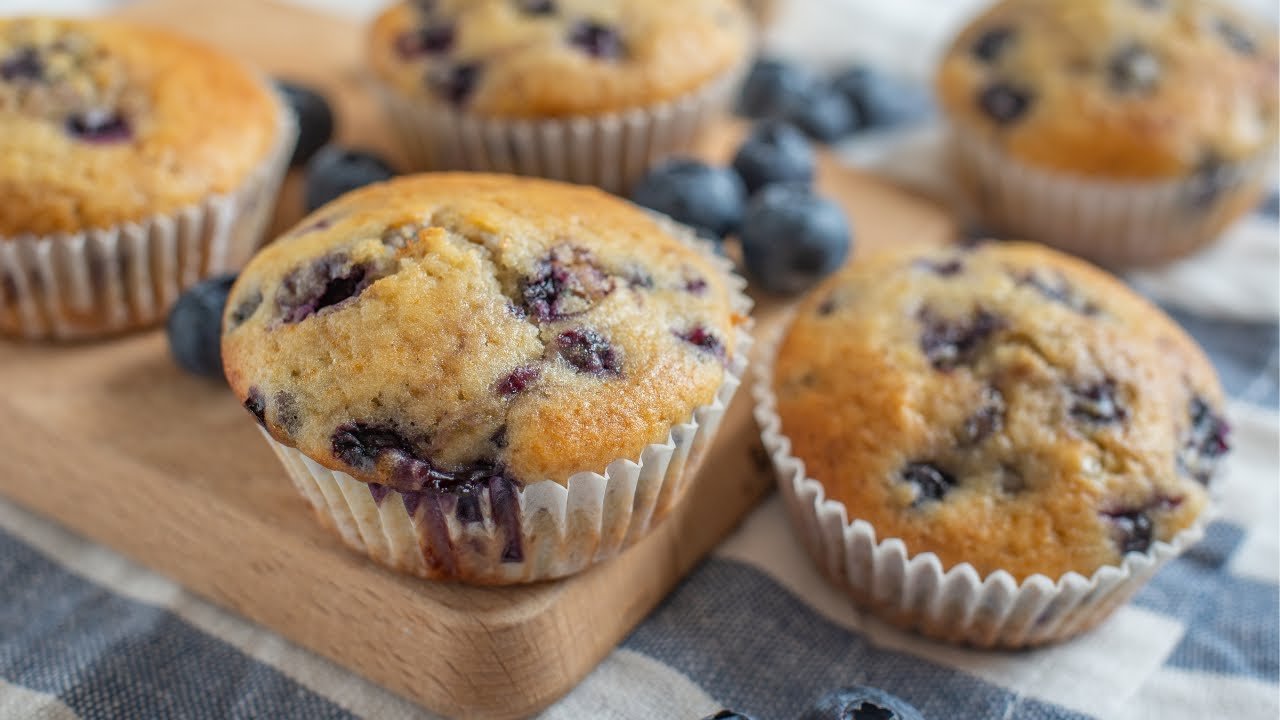
Coconut Blueberry Muffins
Coconut adds tropical flair to blueberry muffins while providing healthy saturated fats and subtle sweetness. Unsweetened shredded coconut works best, as it allows you to control sweetness levels while providing texture contrast against the soft berries. Use about half a cup of shredded coconut per dozen muffins, toasting it lightly beforehand for enhanced flavor if desired.
Coconut oil makes an excellent butter substitute in these muffins, reinforcing the coconut theme while providing medium-chain triglycerides (MCTs) that the body can easily convert to energy. Use melted coconut oil at room temperature to prevent it from solidifying when mixed with cooler ingredients. The subtle coconut flavor pairs naturally with blueberries without overwhelming their delicate taste.
For extra coconut intensity, replace some of the regular milk with canned coconut milk, using the thick cream portion for richness and moisture. This combination creates exceptionally tender muffins with layers of coconut flavor that transport you to tropical destinations. The healthy fats in coconut products also help slow sugar absorption, providing more stable energy levels.
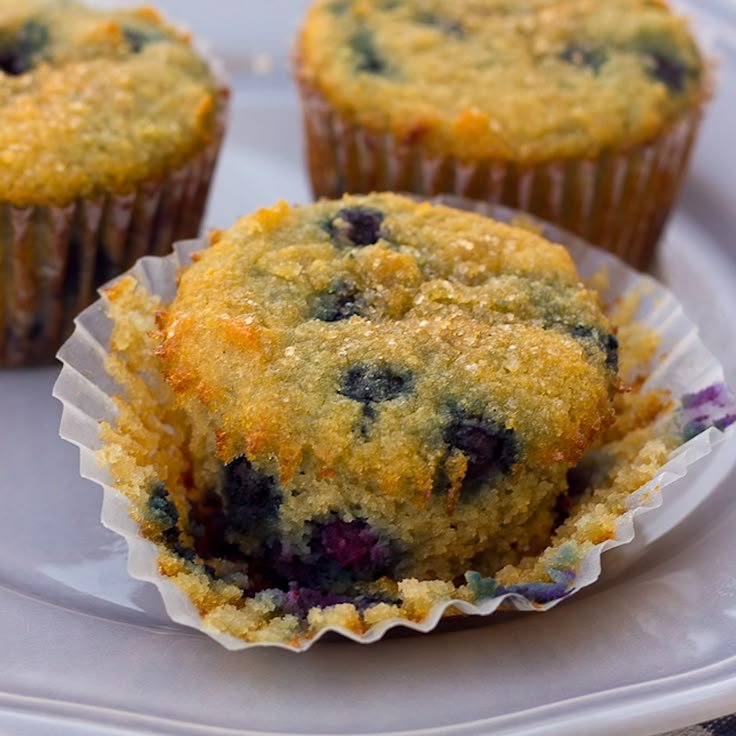
Zucchini Blueberry Muffins
Shredded zucchini adds moisture, nutrition, and subtle vegetable content to blueberry muffins without affecting taste significantly. This makes them perfect for sneaking extra nutrients into family members who might otherwise resist vegetables. Use about one cup of shredded zucchini per dozen muffins, squeezing excess moisture out with paper towels or a clean kitchen towel before incorporating.
Zucchini provides vitamin C, potassium, and folate while adding minimal calories and carbohydrates. Its high water content creates naturally moist muffins, allowing you to reduce added fats without sacrificing texture. The mild flavor disappears almost entirely in the finished product, making these muffins appealing even to vegetable-averse eaters.
The key to successful zucchini muffins lies in proper moisture management. After shredding, salt the zucchini lightly and let it sit for 10 minutes, then squeeze out excess liquid. This prevents soggy muffins while retaining the vegetable’s beneficial moisture. The resulting muffins stay fresh longer and provide an excellent way to use up abundant summer zucchini harvests.

Carrot Blueberry Muffins
Grated carrots bring vibrant color, natural sweetness, and significant nutritional value to blueberry muffins. The beta-carotene in carrots converts to vitamin A in the body, supporting eye health, immune function, and skin health. Use about three-quarters cup of finely grated carrot per dozen muffins for optimal balance between nutrition and texture.
The natural sugars in carrots reduce the need for added sweeteners while providing complex carbohydrates for sustained energy. Carrots also contain fiber, vitamin K, and potassium, making these muffins nutritionally dense without feeling heavy or health-food-like. The earthy sweetness of carrots complements blueberries beautifully, creating a harmonious flavor profile.
For the most appealing results, grate carrots finely to ensure even distribution throughout the muffins. A food processor with a grating disk makes quick work of this task. Consider combining half carrots and half blueberries for a beautiful color contrast and balanced flavor. These muffins are particularly popular with children, who enjoy the naturally sweet taste and colorful appearance.

Blueberry Chia Muffins
Chia seeds transform ordinary blueberry muffins into nutritional powerhouses packed with omega-3 fatty acids, fiber, and plant-based protein. These tiny seeds provide significant health benefits without altering flavor, making them perfect for boosting nutrition discretely. Use one to two tablespoons of chia seeds per dozen muffins for optimal benefits without overwhelming texture.
The omega-3 fatty acids in chia seeds support heart health, brain function, and reduce inflammation throughout the body. Chia seeds also provide complete protein, containing all essential amino acids needed by the human body. Their high fiber content promotes digestive health and helps maintain stable blood sugar levels, making these muffins particularly satisfying.
Chia seeds have remarkable moisture-retention properties, helping keep muffins fresh longer while contributing a pleasant subtle crunch. They can absorb up to 10 times their weight in water, so consider soaking them for 10-15 minutes before adding to the batter if you prefer a smoother texture. These nutrient-dense muffins are excellent for athletes, health-conscious individuals, or anyone seeking to increase their omega-3 intake.
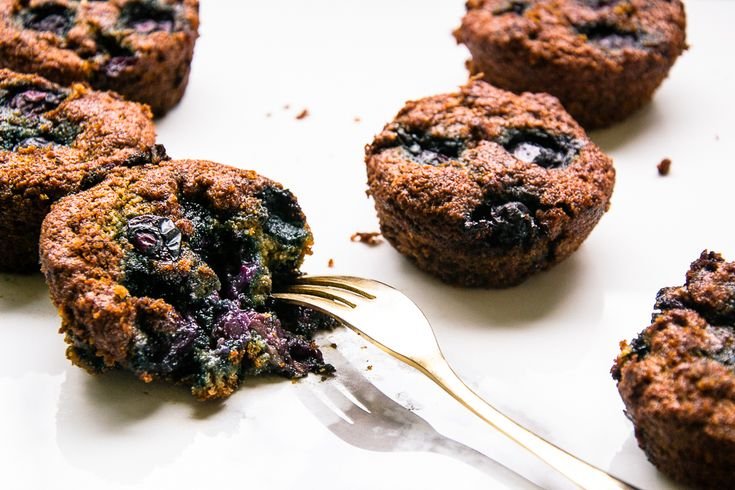
Mini Blueberry Muffins
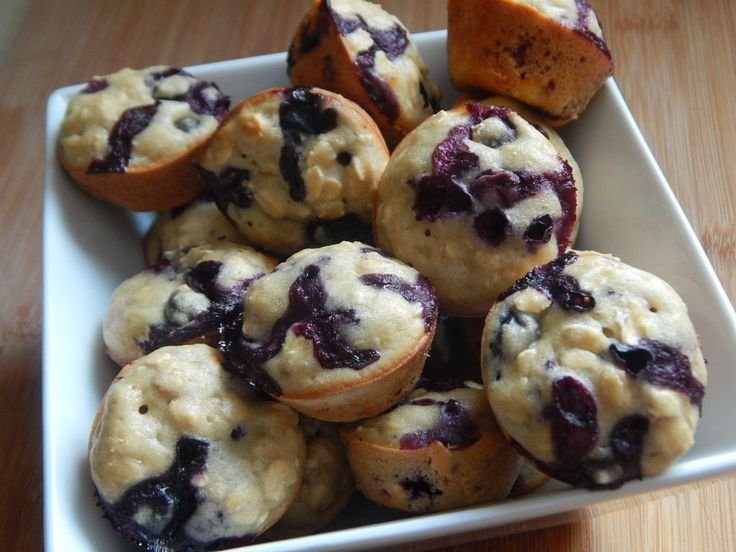
Mini muffins offer excellent portion control while providing the same satisfying flavors as full-sized versions. These bite-sized treats are perfect for lunchboxes, party spreads, or mindful snacking when you want just a taste of something sweet. They bake quickly—typically 10-12 minutes at 400°F—making them ideal for last-minute treats or when you need fresh muffins in a hurry.
The smaller size allows for better distribution of blueberries throughout each muffin, ensuring every bite contains fruit. This also means the berries are less likely to sink during baking, creating more evenly distributed flavor and nutrition. Mini muffins are particularly appealing to children, who enjoy foods sized appropriately for their hands and appetites.
For best results, fill mini muffin cups about two-thirds full to allow for proper rising without overflow. These muffins freeze exceptionally well, making them perfect for meal prep or batch cooking. Pack them in lunch boxes straight from the freezer—they’ll thaw perfectly by snack time while staying fresh and moist.
Blueberry-Cranberry Muffins
Combining blueberries with cranberries creates a antioxidant-rich muffin that provides tart, complex flavors and significant health benefits. Fresh or dried cranberries work well, with dried cranberries providing more concentrated tartness and chewy texture contrast. If using dried cranberries, plump them in hot water for 10 minutes before adding to batter for better distribution and moisture.
The combination of these two superfruits provides anthocyanins, vitamin C, and various polyphenols that support immune function and cardiovascular health. Cranberries are particularly known for supporting urinary tract health, while blueberries provide compounds that may support cognitive function and memory. Together, they create a nutritional powerhouse disguised as a delicious treat.
The tartness of cranberries balances the sweetness of blueberries, creating complex flavor profiles that appeal to sophisticated palates. This combination works particularly well during fall and winter months, when the tart-sweet balance provides comfort and brightness during darker seasons. Consider adding a touch of orange zest to enhance both fruits’ flavors and add citrus brightness.
Blueberry Orange Muffins
Orange zest and juice brighten blueberry muffins while adding vitamin C and citrus compounds that enhance antioxidant absorption. The essential oils in orange zest provide intense flavor that complements blueberries perfectly, while orange juice adds moisture and natural sweetness. Use the zest of one large orange and about quarter cup of fresh juice per dozen muffins.
The vitamin C in oranges not only provides immune support but also enhances the absorption of antioxidants from blueberries, making this combination particularly beneficial for overall health. Orange compounds called flavonoids work synergistically with blueberry anthocyanins to provide enhanced anti-inflammatory benefits throughout the body.
These bright, cheerful muffins are especially popular for brunches, spring gatherings, and sunny weekend mornings. The citrus notes make them feel light and refreshing rather than heavy or overly sweet. Consider adding a simple orange glaze made from powdered sugar and orange juice for extra visual appeal and flavor intensity.
Maple Blueberry Muffins
Pure maple syrup provides complex sweetness and mineral content that sugar simply cannot match. This natural sweetener contains manganese, zinc, and antioxidants while offering a rich, distinctive flavor that pairs beautifully with blueberries. Use maple syrup as the primary sweetener, typically replacing sugar cup-for-cup while reducing other liquids slightly to compensate for the added moisture.
Grade A Dark Robust maple syrup provides the most intense flavor for baking, while Grade A Golden offers more subtle maple notes that won’t overpower delicate blueberry flavor. The minerals in maple syrup, particularly manganese, support bone health and antioxidant enzyme function, making these muffins more nutritionally dense than those made with refined sugar.
For an extra special presentation, top muffins with a drizzle of maple glaze or sprinkle raw maple sugar before baking for a crunchy, caramelized top. The natural sugars in maple syrup create beautiful browning and complex flavors during baking, resulting in bakery-quality muffins with sophisticated taste profiles that appeal to all ages.
Blueberry Walnut Muffins
Chopped walnuts add protein, healthy omega-3 fats, and satisfying crunch to tender blueberry muffins. Walnuts provide alpha-linolenic acid (ALA), a plant-based omega-3 fatty acid that supports heart health and may reduce inflammation throughout the body. Use about half a cup of chopped walnuts per dozen muffins for optimal texture and nutrition balance.
The combination of walnuts and blueberries creates a powerhouse of brain-supporting nutrients. Walnuts contain compounds that may support cognitive function, while blueberries provide anthocyanins that cross the blood-brain barrier and may help maintain memory and mental sharpness. This makes walnut blueberry muffins excellent choices for students, seniors, or anyone wanting to support brain health.
Toast walnuts lightly before adding them to the batter for enhanced flavor and improved texture. The toasting process brings out their natural oils and creates deeper, nuttier flavors that complement the sweet-tart blueberries perfectly. These muffins provide excellent satiety due to the combination of healthy fats, fiber, and protein from the nuts.
Expert Tips for Baking Perfect Healthy Blueberry Muffins
Use Fresh or Frozen Blueberries
- Both fresh and frozen blueberries work great.
- Do not thaw frozen blueberries; add them straight from the freezer to prevent “bleeding” and soggy muffins.
- Toss berries with a teaspoon of flour before folding into the batter to keep them from sinking to the bottom.
Don’t Overmix
- Overmixing makes muffins dense and tough. Mix wet and dry ingredients together just until combined.
Muffin Top Secrets
- Fill muffin cups almost to the top for bakery-style domes.
- Sprinkle turbinado or raw sugar over each muffin before baking for a sweet, crunchy top.
Storage and Freezing
- Store muffins at room temperature for up to 2 days or refrigerate for 5 days.
- Freeze cooled muffins in airtight bags up to 3 months. Reheat in the microwave or oven.
Ingredient Swaps and Modifications
Healthy blueberry muffin recipes are forgiving and flexible. Try these substitutions:
- Eggs → flax eggs or unsweetened applesauce (1/4 cup per egg)
- Greek yogurt → any plain yogurt or even plant-based yogurt for a dairy-free version
- Honey/maple syrup → coconut sugar, date syrup, or mashed banana
- Whole wheat flour → spelt flour, oat flour, gluten-free blend
- Butter/oil → coconut oil, olive oil, or applesauce for lower fat
Common Questions About Healthy Blueberry Muffins
Can I make them gluten-free?
Yes! Use an all-purpose gluten-free flour blend; almond flour and oat flour (finely ground) can work as well, though textures will change.
Are they freezer-friendly?
Absolutely. Cool completely before freezing, and thaw as needed for quick breakfasts.
What’s the difference between oatmeal muffins and muffins with oats?
Oatmeal muffins use cooked or soaked oats as a major wet ingredient (like porridge), while adding dry oats to muffin batter is just an add-in for texture.
Why use Greek yogurt?
Greek yogurt adds protein and moisture without extra fat. It also imparts a slight tang, similar to sour cream, but with a healthier nutrition profile.
Can I reduce the sweetener?
Many readers have swapped in mashed banana, applesauce, or simply used less honey/syrup with good results. Texture may change slightly, so experiment to taste.
Elevate Your Baking Game With These Muffin-Making Essentials
- Non-stick muffin pan (with or without liners)
- Ice cream scoop for easy, even batter portioning
- Silicone spatula to gently fold in blueberries
Final Thoughts and Next Steps
Healthy blueberry muffins prove that you don’t have to sacrifice flavor or texture for nutrition. With a little ingredient know-how and creative twists, you can make muffins that are moist, tender, and satisfying for all.
Want to get started right away? Try one of the 21 blueberry muffin ideas above, experiment with your favorite ingredients, and share your results with friends or family. For more baking tips and whole-food recipes, check out the expert sources listed or join a healthy baking community online.