
For the ADHD brain, the question “What’s for dinner?” can feel less like a simple inquiry and more like a high-stakes exam you didn’t study for.
It is a common struggle. You know you need to eat to function. You know that protein and complex carbs help regulate dopamine levels and keep focus sharp. Yet, the steps required to get there—planning, shopping, chopping, cooking, and the dreaded cleanup—often trigger executive dysfunction. This leads to the familiar cycle of skipping meals until you are starving, followed by an impulse purchase of fast food or sugary snacks.
Nutrition is one of the most effective tools for managing ADHD symptoms, but it is also one of the hardest to maintain consistently. The key isn’t to become a gourmet chef overnight. The goal is to lower the barrier to entry. We need meals that are low-effort, high-reward, and sensory-friendly.
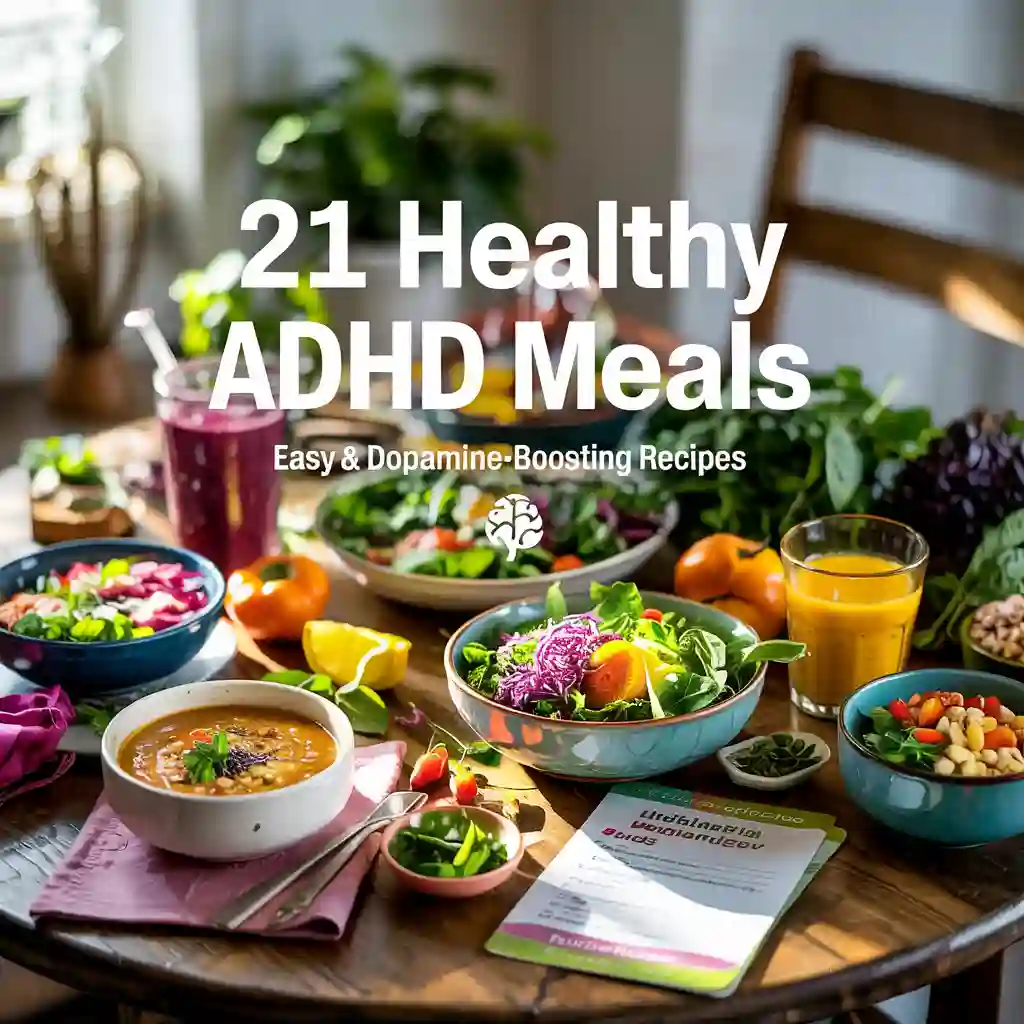
We have compiled a list of 21 meal and snack ideas designed specifically for the nessssurodivergent brain. These ideas prioritize nutrition without demanding hours of executive function.
High-Protein Breakfasts to Kickstart Your Dopamine
Starting the day with protein is non-negotiable for many people with ADHD. Neurotransmitters like dopamine and norepinephrine—the chemicals that help us focus and stay motivated—are built from amino acids found in protein. However, mornings are often the most chaotic time of day. If a meal requires more than three steps before 9:00 AM, it probably isn’t going to happen.
The goal here is to remove friction. We want to lean on assembly rather than cooking. If you can grab something from the fridge or toss ingredients into a single vessel, you are winning. By stabilizing your blood sugar early, you prevent that mid-morning crash that leads to brain fog and irritability.
Here are three high-protein breakfast ideas that require minimal brain power:
Greek Yogurt “Dump” Bowls:
Keep a tub of plain Greek yogurt in the fridge. Scoop it into a bowl and dump in whatever you have: frozen berries (no washing required), a handful of granola, and a drizzle of honey. It takes sixty seconds and provides 20 grams of protein.
Hard-Boiled Egg Stash:
Boil a dozen eggs on Sunday night when you have a burst of energy. Keep them in the fridge. In the morning, grab two eggs and a piece of fruit. The cooking is already done, so your morning self doesn’t have to make decisions.
Cottage Cheese Toast:
Toast a slice of whole-grain bread. Top it with a generous scoop of cottage cheese and a sprinkle of “Everything Bagel” seasoning or sliced tomatoes. It offers a great texture contrast and keeps you full until lunch.
The “Adult Lunchable” and Other No-Cook Midday Wins
Hyperfocus is a double-edged sword. On one hand, you get amazing work done. On the other hand, you look up at the clock and realize it is 3:00 PM, you haven’t eaten, and you are now shaking with hunger. This is the danger zone where we usually reach for chips or candy.
The solution is the “Adult Lunchable” or bistro box approach. This strategy embraces the idea that a meal does not have to be a hot, cohesive dish. It can just be a collection of ingredients on a plate. This taps into the “girl dinner” trend but makes it nutritionally dense. It is visually stimulating, requires zero cooking, and offers variety in every bite, which keeps the ADHD brain interested.
Try these three no-cook lunch configurations:
The Charcuterie Plate:
Roll up three slices of deli turkey or ham. Add a stick of string cheese, a handful of almonds, and some baby carrots. You get protein, healthy fats, and crunchy veggies without turning on the stove.
Tuna Salad Cucumber Boats:
Canned tuna is an ADHD pantry staple because it lasts forever. Mix a can with a little mayonnaise and relish. Instead of making a sandwich, scoop it onto cucumber slices or eat it with whole-grain crackers. It is crunchy, hydrating, and fast.
Hummus and Pita Platter:
Scoop hummus onto a plate. Surround it with whole wheat pita bread, cherry tomatoes, and snap peas. If you need more protein, add a handful of roasted chickpeas. This is great for grazing while you work.
Sheet Pan Dinners for Minimal Executive Function
The end of the day is when decision fatigue hits the hardest. Your medication might be wearing off, and your patience for complex recipes is likely at zero. This is where the sheet pan becomes your best friend.
The beauty of a sheet pan meal is the “set it and forget it” aspect. You chop ingredients (or buy them pre-chopped), toss them in oil and spices, throw them in the oven, and walk away. There is no stirring, no watching a boiling pot, and most importantly, only one pan to wash. This method reduces the sensory overwhelm of a messy kitchen and allows you to decompress while dinner cooks itself.
Here are three sheet pan meals that practically make themselves:
Sausage and Root Veggie Roast:
Buy pre-cooked chicken sausage and slice it up. Toss it on a pan with baby potatoes (no peeling needed) and baby carrots. Drizzle with olive oil, salt, and pepper. Roast at 400°F (200°C) for 25 minutes.
Salmon and Asparagus:
Place salmon fillets on a sheet pan surrounded by asparagus spears. Top with lemon slices and butter. This cooks quickly—usually in about 12 to 15 minutes—so it is perfect for when you are already hungry.
Fajita Tray Bake:
Slice bell peppers, onions, and chicken strips. Toss them in taco seasoning and oil. Roast until the chicken is cooked through. Serve with tortillas or over rice. It mimics takeout but costs a fraction of the price and is much healthier.
Sensory-Friendly Crunchy Snacks for Stimulation
Sometimes, we eat not because we are hungry, but because we are under-stimulated. The ADHD brain seeks sensory input, and crunchy foods provide excellent proprioceptive feedback to the jaw. This can actually help with regulation and focus.
However, relying on potato chips for this stimulation usually leads to an energy crash. The trick is to swap out empty calories for crunchy items that also provide fiber or protein. This satisfies the sensory need to chew and crunch while fueling your brain. Having these pre-stocked in your pantry prevents the impulse to run to the vending machine or convenience store.
Stock up on these three crunchy, sensory-satisfying snacks:
Roasted Chickpeas:
You can buy these pre-made or make them yourself. They are incredibly crunchy and packed with fiber. They come in flavors ranging from sea salt to chili lime, keeping your taste buds entertained.
Apple Slices with Nut Butter:
This is the ultimate combo of sweet, salty, crunchy, and creamy. The fiber in the apple and the fat in the peanut or almond butter provide a steady release of energy.
Popcorn with Nutritional Yeast:
Air-popped popcorn is a high-volume whole grain. Sprinkle it with nutritional yeast for a cheesy flavor and a boost of B vitamins, which are essential for energy production.
“Drinking Your Calories” When You Can’t Chew
There are days when the idea of chewing and swallowing solid food feels impossible. This is often due to medication side effects, which can suppress appetite, or simply sensory overload. You know you need calories, but the texture of food is repulsing.
In these moments, liquid nutrition is a lifesaver. Smoothies and soups allow you to get essential nutrients without the sensory burden of a full meal. They are also portable, meaning you can sip them slowly over an hour while you work, rather than forcing yourself to sit down and eat a meal in one sitting.
Here are three liquid meal ideas for low-appetite days:
The “Everything” Green Smoothie:
Blend spinach (you won’t taste it), a frozen banana, protein powder, and milk of your choice. It is cold, smooth, and covers your nutritional bases in one glass.
Bone Broth Sipper:
High-quality bone broth contains about 10 grams of protein per cup. Heat it up in a mug and sip it like tea. It is comforting, savory, and very easy on the stomach.
Kefir Drink:
Kefir is a drinkable yogurt loaded with probiotics. It requires zero prep—just pour and drink. It supports gut health, which is increasingly linked to mental health and cognitive function.
Comfort Foods with a Nutritional Upgrade
We all crave comfort food, especially when we are feeling overwhelmed or emotional. For the ADHD brain, comfort foods (often pasta or warm carbs) provide a quick hit of serotonin. Restricting these foods often leads to bingeing later, so it is better to incorporate them more smartly.
The strategy here is “addition, not subtraction.” Instead of cutting out pasta, switch to a legume-based pasta for more protein. Instead of avoiding cheese, pair it with veggies. You get the emotional comfort of a warm, hearty bowl of food, but you upgrade the ingredients to prevent the sluggishness that usually follows a heavy carb load.
Try these three comforting yet functional meals:
Red Lentil Pasta with Pesto:
Lentil or chickpea pasta has significantly more protein and fiber than white pasta. Toss it with jarred pesto and maybe some cherry tomatoes. It takes ten minutes and feels like a hug in a bowl.
Loaded Baked Potato:
Poke holes in a potato and microwave it for 5-7 minutes. Top it with Greek yogurt (a great sour cream substitute), cheese, and canned black beans. It is warm, soft, and filling.
Gourmet Ramen Upgrade:
Take a standard packet of instant ramen, but discard half the seasoning packet to reduce sodium. Add a handful of frozen mixed vegetables and crack an egg into the broth while it boils. Suddenly, it is a balanced meal.
Zero-Prep Pantry Staples for Emergencies
There will be days when you have zero energy. You haven’t gone grocery shopping, there is nothing fresh in the fridge, and you are five minutes away from ordering expensive delivery. This is where your “Emergency Pantry” saves you.
Stocking shelf-stable items that can be turned into a meal in three minutes is a crucial ADHD strategy. These items don’t rot, so you don’t have to pay the “ADHD tax” on wasted produce. They are there waiting for you whenever executive dysfunction strikes.
Here are the final three ideas relying on pantry staples:
Canned Soup with added Seeds:
Keep hearty canned soups (like lentil or minestrone) on hand. To boost the nutrition, sprinkle pumpkin seeds or hemp hearts on top for extra texture and healthy fats.
Rice Cake Pizzas:
Take a rice cake, spread a little marinara sauce (from a jar), top with shredded mozzarella, and microwave for 30 seconds until melted. It scratches the pizza itch without the wait.
Nut Butter Stuffed Dates:
If you need a quick energy hit, grab a Medjool date, remove the pit, and fill it with almond butter. It tastes like candy but offers natural sugar and fat for sustained energy.
Making Nutrition Work for Your Brain
Building an ADHD-friendly diet isn’t about perfection. It is about working with your brain, not against it. Some weeks you might meal prep like a pro, and other weeks you might survive on string cheese and almonds. Both are okay.
The goal of these 21 ideas is to give you a menu of options that feels accessible, regardless of your energy levels. Start by picking just two or three ideas from this list to stock up on this week. Remove the pressure to cook elaborate meals and lean into the convenience of assembly. When you fuel your body consistently, you give your brain the best chance to focus, regulate, and thrive.