

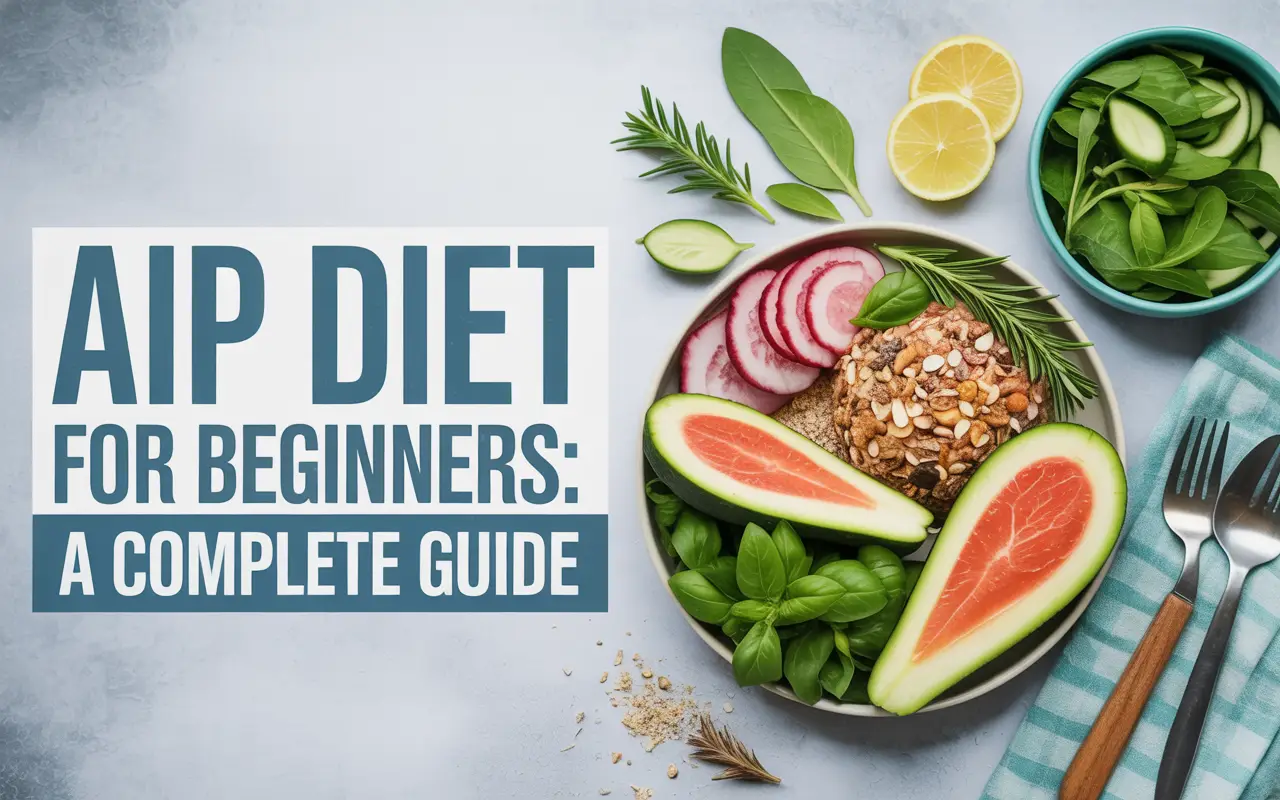
Living with an autoimmune disease can feel like a constant battle with your own body. Symptoms like fatigue, pain, and inflammation often disrupt daily life, making simple tasks feel monumental. While medical treatments are essential, many people are exploring how diet can play a role in managing their condition. One approach gaining significant attention is the Autoimmune Protocol (AIP) diet.
The AIP diet is an elimination diet designed to reduce inflammation and heal the gut, which are thought to be key factors in autoimmune disease. It involves removing foods that may trigger an immune response and focusing on nutrient-dense options that support healing. By systematically reintroducing foods later on, you can identify your personal triggers and create a long-term eating plan that works for you.
This guide will walk you through everything you need to know to get started. We’ll cover what the AIP diet is, the foods to eat and avoid, and how to navigate its different phases. Think of this as your roadmap to using food as a tool for better health and well-being.
What is the AIP Diet?
The Autoimmune Protocol (AIP) diet is a specialized version of the Paleo diet, but it’s more restrictive. Its primary goal is to calm the inflammation caused by autoimmunity and heal the intestinal lining, a condition often referred to as “leaky gut” or increased intestinal permeability. The theory is that small gaps in the gut lining can allow food particles and other substances to enter the bloodstream, triggering an immune system overreaction that contributes to autoimmune symptoms. The AIP diet aims to remove potential irritants, giving the gut a chance to repair itself and calming the immune system.
It’s not just about removing “bad” foods; it’s also about flooding your body with nutrients. The diet emphasizes eating a wide variety of whole, unprocessed foods that are packed with vitamins, minerals, and antioxidants. This nutrient density is crucial for supporting tissue repair, reducing inflammation, and promoting overall health.
The AIP diet is structured in two main phases: an initial elimination phase where you avoid a specific list of foods, followed by a reintroduction phase where you carefully test those foods one by one to see how your body reacts. This personalized approach helps you discover exactly which foods are problematic for you, allowing for a more sustainable and less restrictive long-term diet.
Foods to Eat on the AIP Diet
During the elimination phase, the focus is on consuming whole, nutrient-dense foods that are unlikely to cause inflammation. Your plate should be filled with a diverse range of items that nourish your body and support gut health. While the list of “no” foods can seem long, the list of “yes” foods is rich and varied.
Think of building your meals around high-quality protein and a rainbow of vegetables. Organ meats, like liver, are particularly encouraged because they are some of the most nutrient-dense foods on the planet, packed with vitamins A, B12, and iron. Fatty fish like salmon and mackerel provide anti-inflammatory omega-3 fatty acids. For vegetables, aim for variety. Leafy greens like spinach and kale, cruciferous vegetables like broccoli and cauliflower, and colorful root vegetables like sweet potatoes and carrots should be staples.
Don’t forget healthy fats, which are essential for hormone production and nutrient absorption. Avocado, olive oil, and coconut oil are excellent choices. Fermented foods such as sauerkraut, kimchi (without peppers), and kombucha can also be beneficial, as they provide probiotics that support a healthy gut microbiome.
Small amounts of fruits are also permitted, but it’s best to moderate your intake due to their sugar content. Focus on low-glycemic options like berries. Bone broth is another superstar of the AIP diet, providing collagen and amino acids that help heal the gut lining.
Also Read:
How to Start the Keto Diet: A Beginner’s Complete Guide
Foods to Avoid on the AIP Diet
The elimination phase of the AIP diet requires removing all foods that could potentially trigger inflammation or an immune response. This list is extensive because the goal is to create a clean slate for your body to heal. It’s crucial to be strict during this phase to get accurate results.
The most significant categories to avoid include:
Grains: All grains, including wheat, rice, corn, oats, and quinoa, are eliminated. This also includes pseudo-grains.
Legumes: This means no beans, lentils, peas, peanuts, or soy products like tofu and soy milk.
Dairy: All dairy products from cows, goats, and sheep are out. This includes milk, cheese, yogurt, and butter.
Nuts and Seeds: All nuts and seeds, along with their butters and oils, are avoided.
Nightshade Vegetables: This is a key category and includes tomatoes, potatoes (sweet potatoes are okay), peppers, eggplants, and spices derived from them like paprika and cayenne.
Eggs: A common allergen, eggs are removed during the elimination phase.
Processed Foods: Anything with refined sugars, high-fructose corn syrup, industrial vegetable oils (like canola or soybean oil), food additives, and artificial sweeteners is strictly off-limits.
Alcohol and Caffeine: These are also eliminated. While some people may tolerate small amounts of tea, coffee is generally avoided.
This list can feel overwhelming at first. Reading labels becomes essential, as many of these ingredients are hidden in processed foods. The elimination phase is temporary, typically lasting from 30 to 90 days, or until you see a significant improvement in your symptoms.
The AIP Diet Phases
The AIP diet is not meant to be a lifelong period of restriction. It is a strategic process broken down into distinct phases, designed to help you identify your unique triggers and expand your diet as much as possible.
Phase 1: The Elimination Phase
This is the strictest part of the diet. As detailed above, you will completely remove all potentially inflammatory foods for a set period, usually between 30 and 90 days. The duration depends on how you feel. The goal is to continue this phase until you notice a clear and meaningful reduction in your autoimmune symptoms. This could mean less fatigue, reduced pain, clearer skin, or better digestion.
During this time, your focus should be on eating a wide variety of nutrient-dense, AIP-compliant foods. It’s also a great time to focus on other lifestyle factors that influence autoimmunity, such as getting enough sleep, managing stress, and incorporating gentle movement into your routine. Keeping a detailed journal of your food intake and symptoms during this phase is highly recommended, as it will be invaluable during the next stage.
Phase 2: The Reintroduction Phase
Once your symptoms have significantly improved, you can begin the reintroduction phase. This is a slow, methodical process of reintroducing the eliminated foods one by one to test your body’s tolerance. This phase requires patience and careful observation. The process involves choosing one food to reintroduce, eating a very small amount of it, and then waiting a few days to see if any symptoms return. If you have no reaction, you can try a slightly larger portion.
If you still feel fine after several days, you can consider that food “safe” and move on to the next one. It’s best to reintroduce foods that are less likely to be problematic first, such as egg yolks or certain seeds. If a food causes a return of symptoms, you should remove it again and wait until you feel well before testing another food. This process can take several months, but it provides you with a personalized dietary blueprint for long-term health.
Potential Benefits and Risks of the AIP Diet
Embarking on the AIP diet is a significant commitment, and it’s important to weigh the potential benefits against the challenges and risks. For many, the rewards can be life-changing.
The primary benefit reported by people who follow the AIP diet is a significant reduction in autoimmune symptoms. Studies, though small, have shown promising results. For example, research on individuals with inflammatory bowel disease (IBD) who followed the AIP diet showed clinical remission in a high percentage of participants.
People often report having more energy, less joint pain, improved digestion, and clearer thinking. By removing inflammatory triggers and healing the gut, the AIP diet can help calm the overactive immune response that drives these symptoms. Another major benefit is empowerment. The reintroduction process teaches you to listen to your body and understand your personal food triggers, giving you more control over your health.
However, the AIP diet is not without its challenges. It is highly restrictive, which can make it socially isolating and difficult to follow, especially when eating out or traveling. There is also a risk of nutrient deficiencies if the diet is not well-planned, particularly with calcium (due to the elimination of dairy) and fiber. This is why focusing on a wide variety of nutrient-dense foods is so important.
The diet can also be expensive, as it emphasizes high-quality meats, fish, and fresh produce. It’s crucial to approach the AIP diet as a short-term therapeutic tool rather than a permanent lifestyle, with the goal of reintroducing as many healthy foods as possible. Working with a healthcare provider or a registered dietitian can help you navigate these challenges and ensure you are meeting all your nutritional needs.
Your Next Steps
Starting the AIP diet can feel like a major undertaking, but breaking it down into manageable steps can make it feel much more achievable. The key to success is preparation and a positive mindset. Remember that this is a temporary healing protocol, not a life sentence of restriction.
First, educate yourself. Read books, listen to podcasts, and explore recipes to get a clear picture of what lies ahead. Next, clean out your pantry and refrigerator to remove all non-compliant foods. This will reduce temptation and make it easier to stick to the plan. Then, go shopping and stock up on AIP-friendly staples. Batch cooking can be a lifesaver, so consider preparing bone broth, pre-chopping vegetables, and cooking proteins in advance.
Most importantly, be kind to yourself. There will be a learning curve, and you might make mistakes along the way. Focus on progress, not perfection. Listen to your body, track your symptoms, and celebrate small victories. If you find the process too overwhelming, consider seeking support from a nutritionist or a health coach who specializes in the AIP diet. They can provide guidance, support, and accountability to help you succeed on your journey to better health.