


The carnivore diet has gained serious traction recently, not as a fleeting trend, but as a lifestyle shift for people seeking to reclaim their health. Unlike other diets that focus on what you can’t have, this approach simplifies nutrition down to its most primal form: animal products. No kale, no quinoa, no almond flour—just meat, fish, eggs, and animal fats.
For many, the idea of eating only meat for a month sounds daunting. How do you get enough variety? Won’t it get boring? Is it even healthy? These are valid questions. But proponents swear by the benefits, which reportedly include improved mental clarity, reduced inflammation, and significant weight loss. By eliminating plant toxins and antinutrients, the theory suggests, you allow your gut to heal and your body to function on optimal fuel.
Embarking on a 30-day challenge is a fantastic way to determine if this way of eating suits your biology. It acts as an elimination diet, stripping away potential allergens and irritants. However, success relies on preparation. You cannot simply wing it when you are restricting your food intake this drastically. You need a plan to keep you satiated and on track.
This guide provides a roadmap for your first month. We will break down meal ideas, shopping strategies, and cooking tips to ensure you aren’t just surviving on ground beef (unless you want to!).
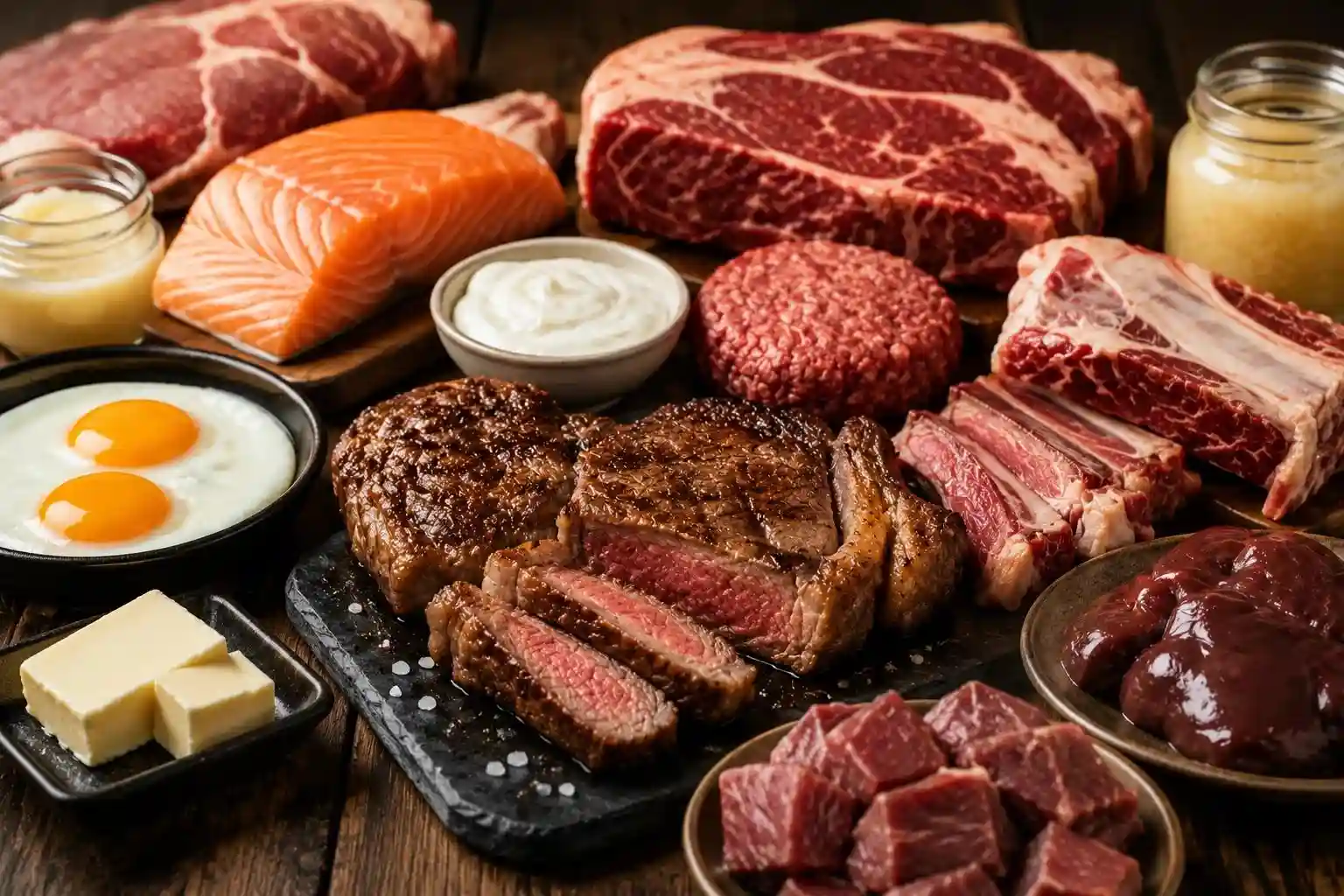
What exactly can I eat on a carnivore diet?
Understanding the “rules” is the first step. At its core, a strict carnivore diet includes only foods from the animal kingdom. This means beef, pork, chicken, lamb, game meats, and seafood. Eggs are a staple, and for many, dairy is included, though some choose to eliminate it depending on their tolerance to lactose and casein.
Ruminant animals—like cows, sheep, and bison—are often the focus because their meat is incredibly nutrient-dense. Beef, in particular, is the star of the show. It provides essential fats and proteins in a ratio that keeps you full for hours. You don’t need to fear the fat; in fact, on this diet, fat is your primary energy source. You will be saying goodbye to carbohydrates, so your body needs that dietary fat to function optimally.
Crucially, you should also consider seasoning. Purists stick to salt and water. Others allow for black pepper and perhaps some herbs, though strictly speaking, those are plant-based. For a 30-day reset, keeping it simple with salt and water is often recommended to see the full benefits of an elimination diet. Hydration is key, and electrolytes are vital, especially in the first week as your body adapts to ketosis.
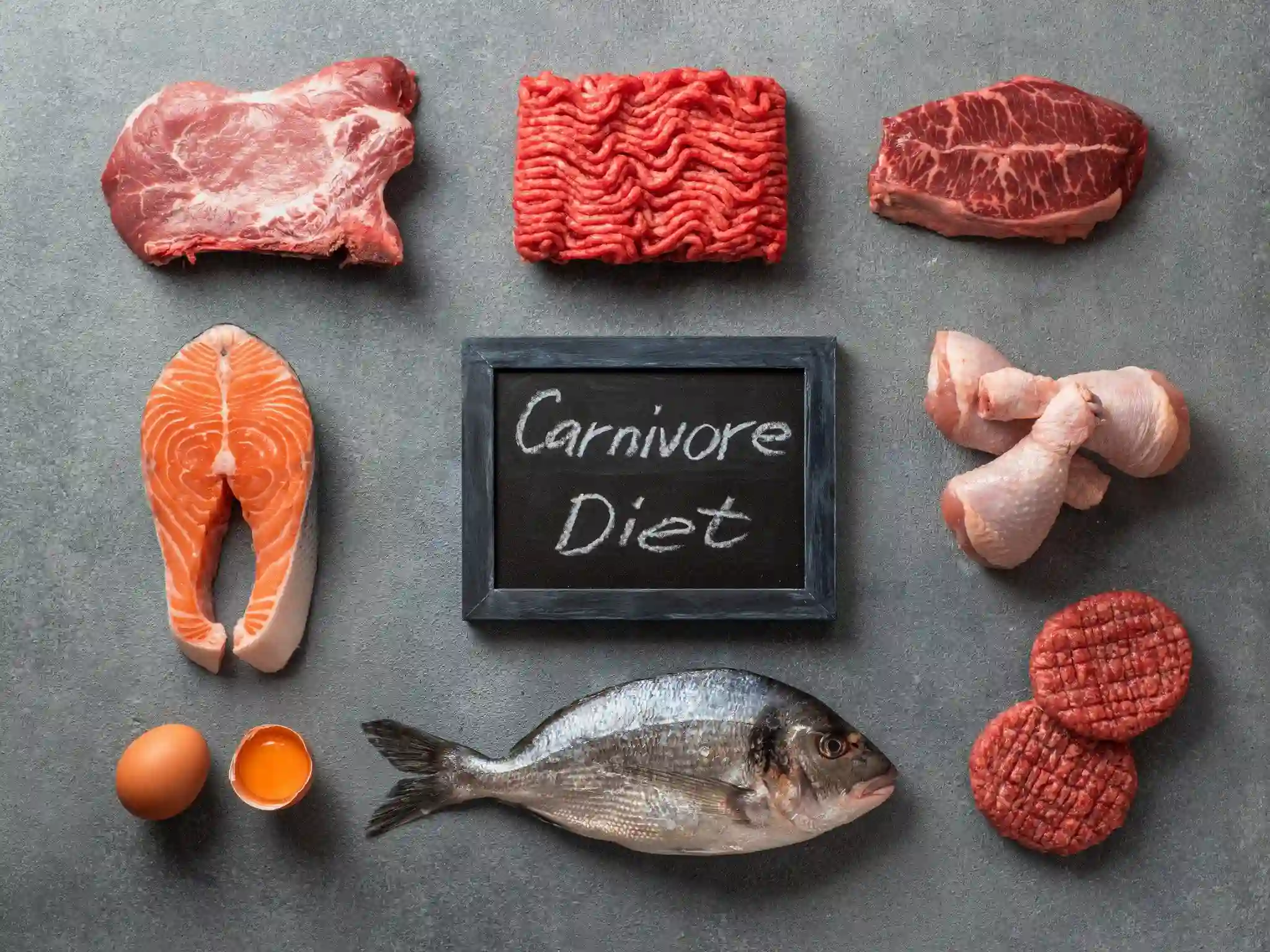
Week 1: Transitioning and conquering the “Keto Flu”
The first week is often the hardest hurdle. Your body is undergoing a metabolic shift, moving from burning glucose (sugar) to burning fat. This transition can lead to symptoms often called the “keto flu”—fatigue, headaches, and irritability. Don’t let this discourage you; it is a temporary phase.
Your meal plan for week one should focus on comfort and satiety. Do not worry about calorie counting right now. Eat until you are comfortably stuffed. Focus on fatty cuts of meat like ribeye steaks, 80/20 ground beef, and pork belly. These high-fat foods will help signal to your body that it has plenty of energy.
For breakfast, think eggs fried in butter or bacon grease with a side of bacon. Lunch could be leftover burger patties topped with a slice of cheese if you are including dairy. Dinner might be a substantial steak or a roast. The goal is to keep meals simple so you aren’t overwhelmed by cooking while feeling low energy.
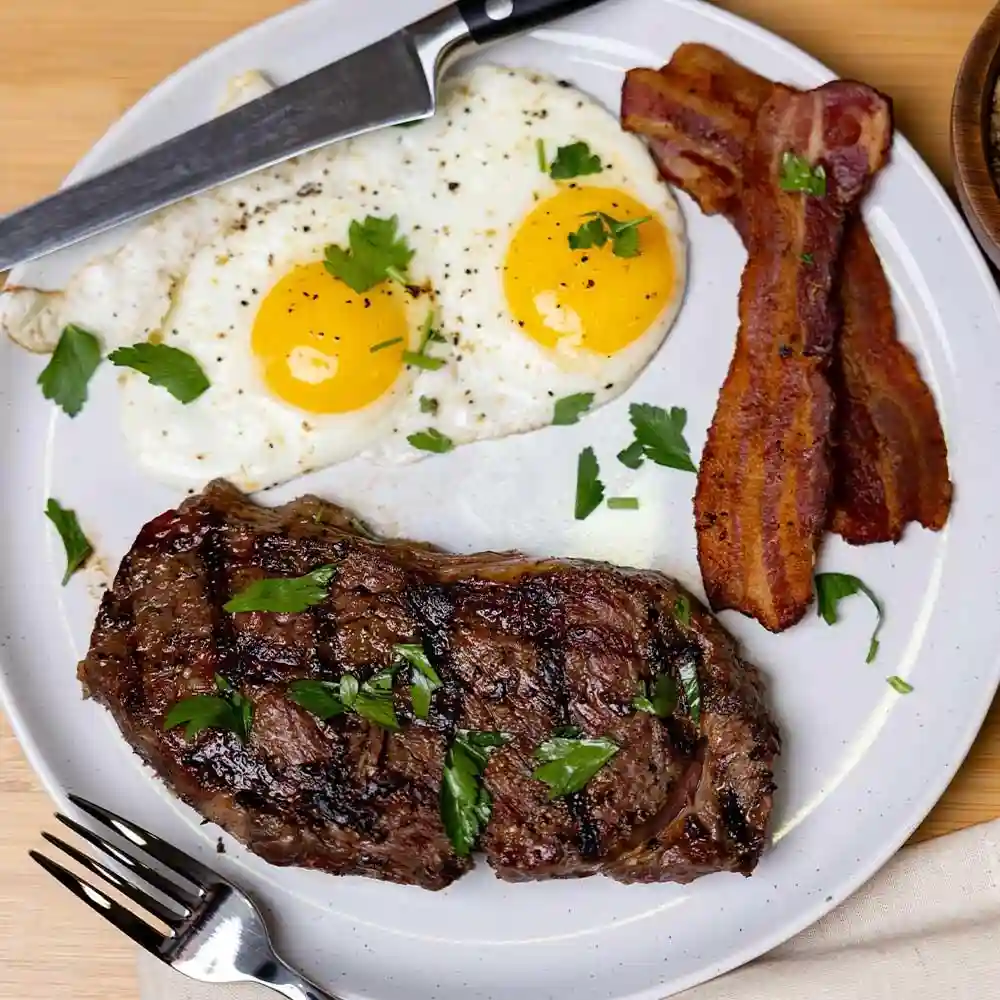
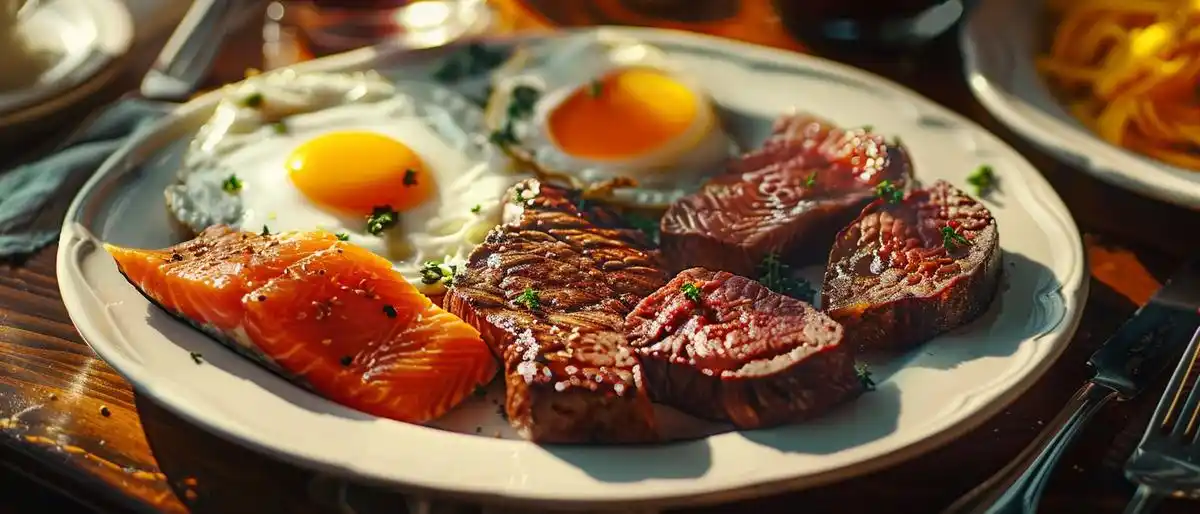
Salt your food liberally. When you cut carbs, your kidneys excrete more electrolytes, so replenishing sodium is critical to avoiding headaches. Drink plenty of water, but don’t force it. Listen to your body’s thirst signals. If you crave variety, mix up your protein sources—try shrimp or salmon for a change of pace—but keep the fat content high.
Week 2: Finding your rhythm and exploring variety
By the second week, the fog usually starts to lift. You might notice your energy levels stabilizing and your hunger cravings becoming more predictable. This is the perfect time to start experimenting with different cuts of meat to keep things interesting. You don’t want flavor fatigue to set in.
Start exploring cheaper cuts of meat that require slow cooking. Chuck roasts, brisket, and pork shoulder are excellent options. They are budget-friendly and become incredibly tender when slow-cooked or pressure-cooked. You can make a large batch at the beginning of the week and have easy meals ready to go.
Organ meats are another avenue to explore. Liver, heart, and kidney are nutritional powerhouses, packed with vitamins and minerals that muscle meat lacks in high quantities. If the taste is too strong, try mixing small amounts of ground liver into your ground beef. This “hidden liver” technique gets you the nutrients without the strong flavor profile.

For specific meal ideas, try making “carnivore meatballs” using ground beef, pork rinds (crushed as a binder), and eggs. Bake a batch and keep them in the fridge for quick snacks. Another option is chicken wings—baked or air-fried until crispy, seasoned simply with salt. The skin provides healthy fats and a satisfying crunch.
Week 3: Fine-tuning your intake and fat ratios
Now that you are settled in, you might notice your appetite changing. Many people on a carnivore diet find they naturally start to practice intermittent fasting. You might wake up and not feel hungry until noon. This is normal. Listen to your hunger cues rather than eating by the clock.

This week, pay attention to your fat-to-protein ratio. If you are feeling sluggish or dealing with constipation, you might need more fat. If you are having digestion issues on the other end of the spectrum, you might need to dial the fat back slightly. Adjusting this ratio is a personal process.
Butter, tallow, lard, and ghee are your best friends here. If a meal feels too lean—like a chicken breast or a sirloin steak—add a pat of butter or cook it in tallow. Some carnivores even eat cold butter or slices of fat trimmings as a side dish to ensure they hit their energy needs.
Try incorporating seafood more heavily this week if you haven’t already. Fatty fish like mackerel, sardines, and salmon offer omega-3 fatty acids, which are great for inflammation. Canned sardines in water or olive oil (if you are lenient) can be a convenient lunch on the go. Scallops wrapped in bacon are a “fancy” dinner that feels indulgent but fits perfectly within your plan.
Week 4: optimizing for long-term sustainability
You are in the home stretch! By week four, you should have a good handle on what foods make you feel best. Now is the time to think about how this way of eating fits into your life long-term. Is it sustainable for you? Do you need to be stricter, or can you tolerate some dairy or spices?
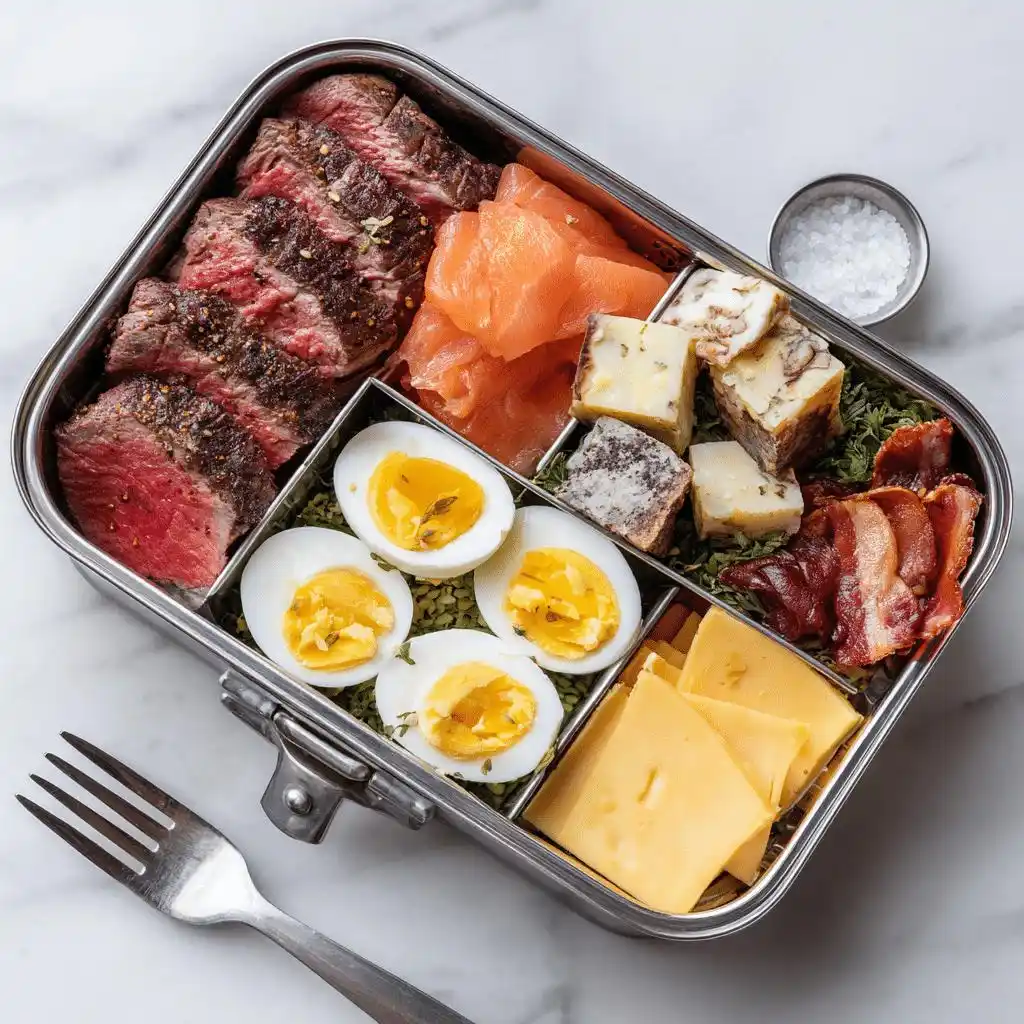
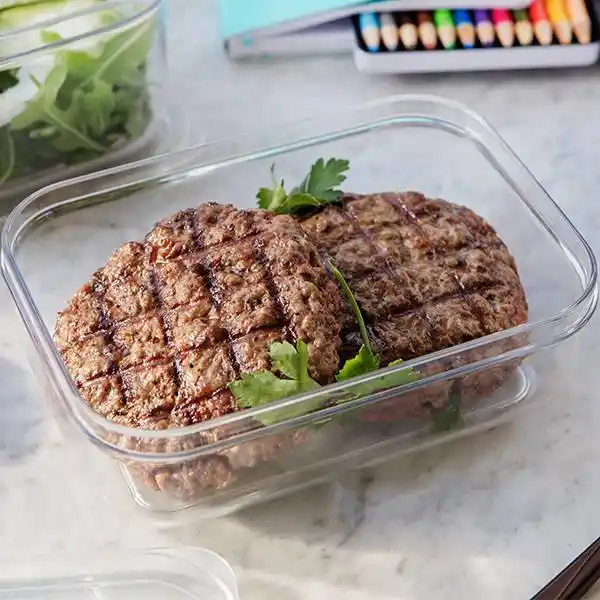
Focus this week on mastering preparation methods that save you time. Batch cooking burgers, pre-cooking bacon, and having hard-boiled eggs ready in the fridge are life-savers. When you have compliant food ready to eat, you are far less likely to cheat when a craving hits or when you are too tired to cook.
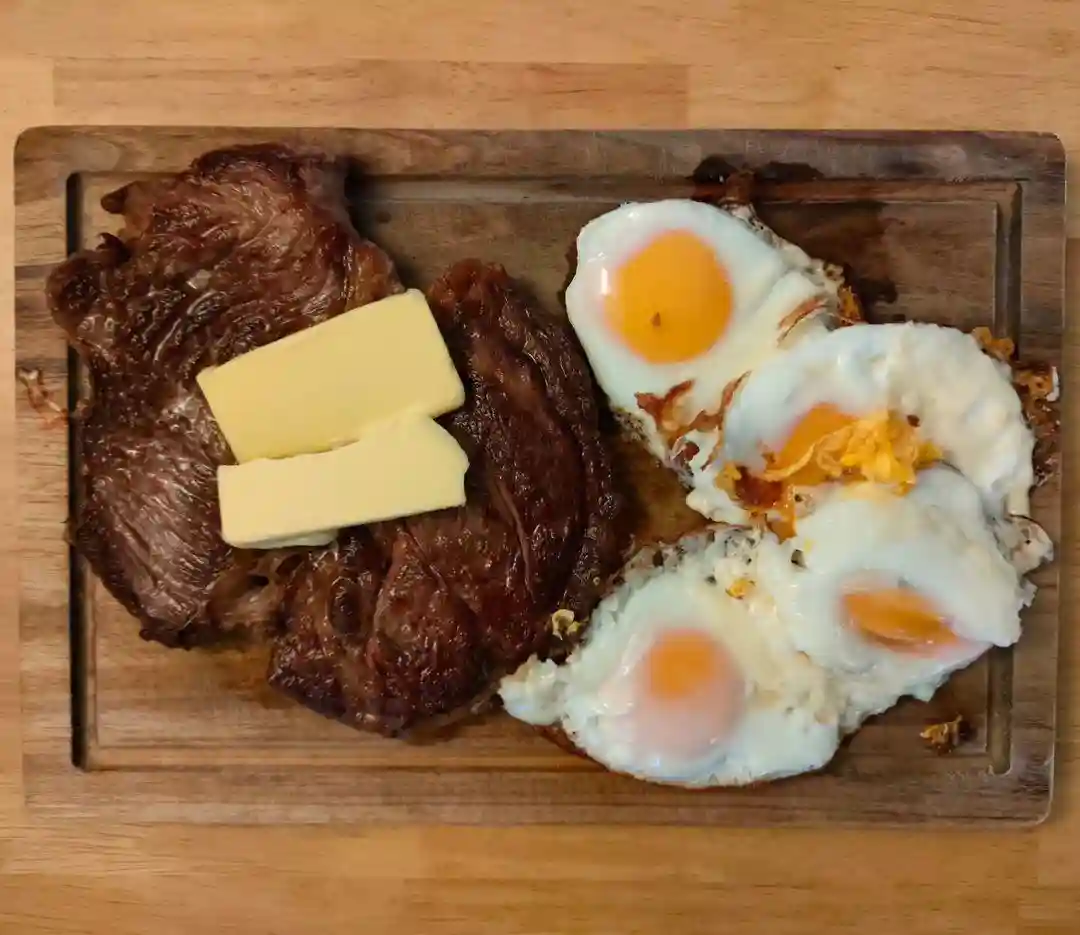
Consider experimenting with different textures. If you are tired of soft ground beef, try searing a steak to get a nice crust. If you miss crunch, pork rinds are a great snack or breading alternative. You can use them to bread chicken strips or fish fillets for a “fried” texture without the seed oils and grains.
Re-evaluate your relationship with food. Are you eating for fuel, or for entertainment? The carnivore diet often breaks emotional eating habits because the food is highly satiating but not hyper-palatable in the way processed junk food is. Acknowledge the progress you have made, not just on the scale, but in your mindset toward nourishment.
Sample 3-Day Menu to Get You Started
Sometimes, seeing it on paper makes it real. Here is a quick 3-day snapshot to show you how simple this can be.
Day 1:
Breakfast: 3 eggs scrambled in butter with 4 strips of bacon.
Lunch: 2 hamburger patties (beef) topped with a slice of cheddar cheese (optional).
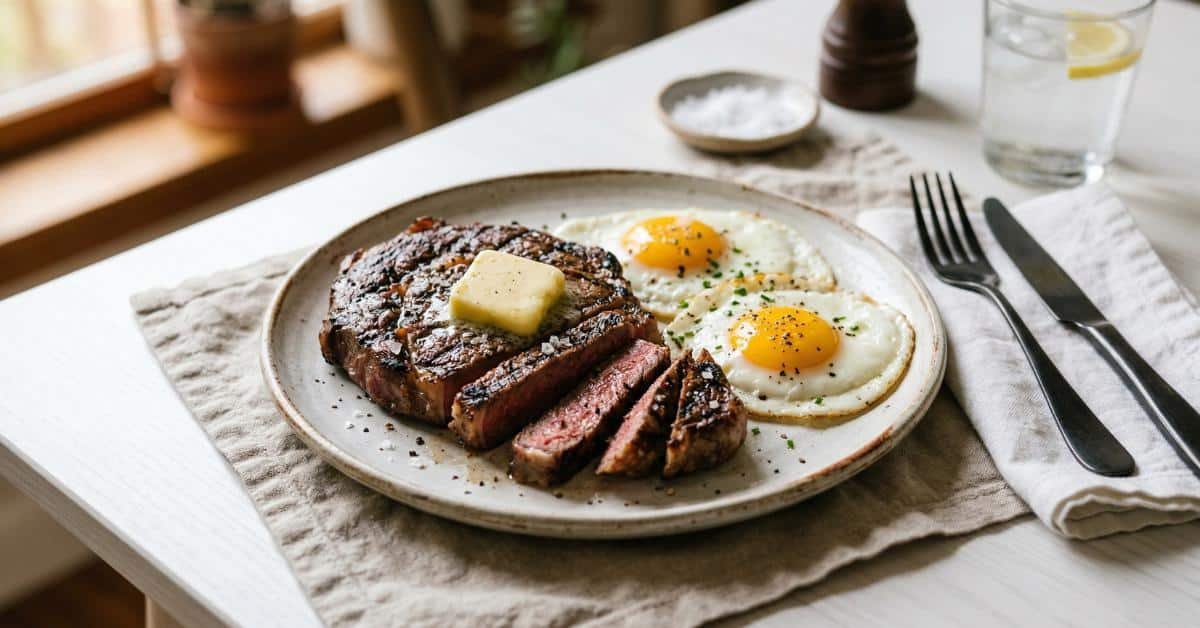
Dinner: Ribeye steak cooked in tallow, seasoned with salt.


Day 2:
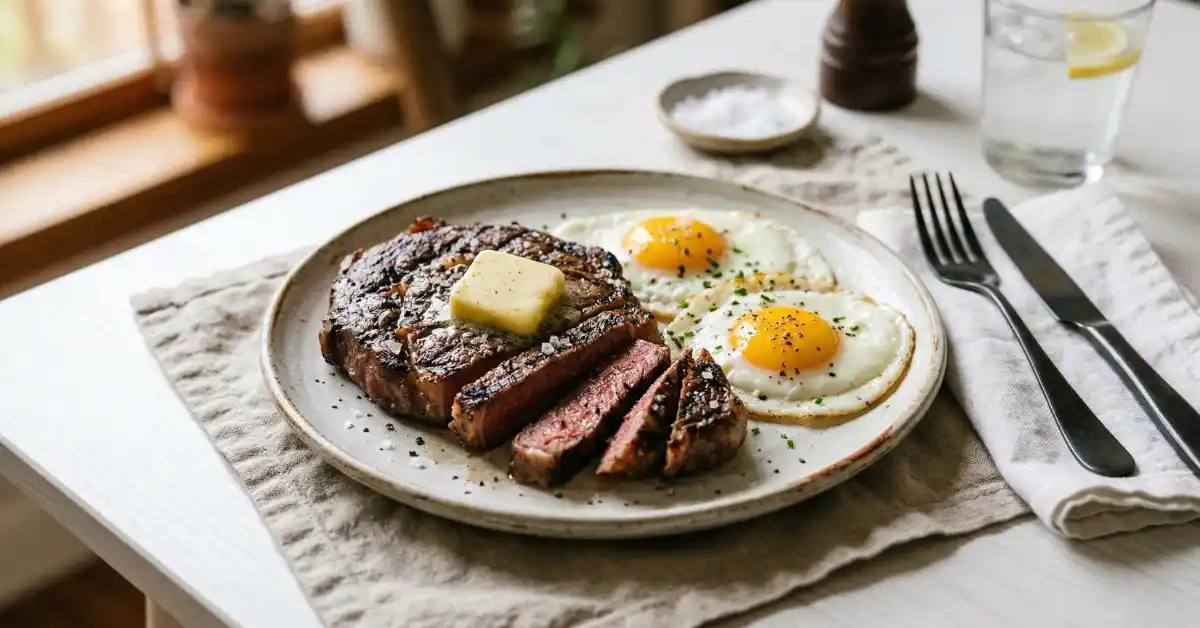
Breakfast: Steak and eggs (leftover steak from dinner).

Lunch: Canned sardines or mackerel.
Dinner: Roast chicken thighs with skin on (crispy skin is key!).

Day 3:
Breakfast: Skip (Intermittent Fasting) or black coffee.
Lunch: Bowl of ground beef mixed with chopped hard-boiled eggs.
Dinner: Pork chops pan-fried in lard.
Common pitfalls to avoid on your journey
Even with the best plan, mistakes happen. One common error is under-eating. Because protein and fat are so filling, you might accidentally consume too few calories, leading to a metabolic slowdown or fatigue. Make sure you eat enough to sustain your energy levels. If you are hungry, eat.
Another pitfall is relying too heavily on processed meats. While bacon and sausages are delicious, they often contain sugar, nitrates, and fillers. Check your labels religiously. Look for “sugar-free” bacon and sausages with minimal ingredients. Fresh meat should always be the bulk of your diet.
Don’t neglect electrolytes. We mentioned this earlier, but it bears repeating. Salt your food. If you feel dizzy or have muscle cramps, you might need magnesium or potassium supplements. Some carnivores use electrolyte drops in their water.
Finally, avoid comparing your journey to others. Some people lose 15 pounds in a month; others lose 5. Some feel euphoric immediately; others take weeks to adapt. Your biology is unique. Trust the process and give your body the time it needs to heal and adjust.
Making a carnivore work on a budget
A common misconception is that the carnivore diet is exclusively for the wealthy who can afford ribeyes every night. This is false. You can thrive on this diet on a budget if you shop smart. Ground beef is your best friend—it’s cheap, versatile, and has a great fat ratio.
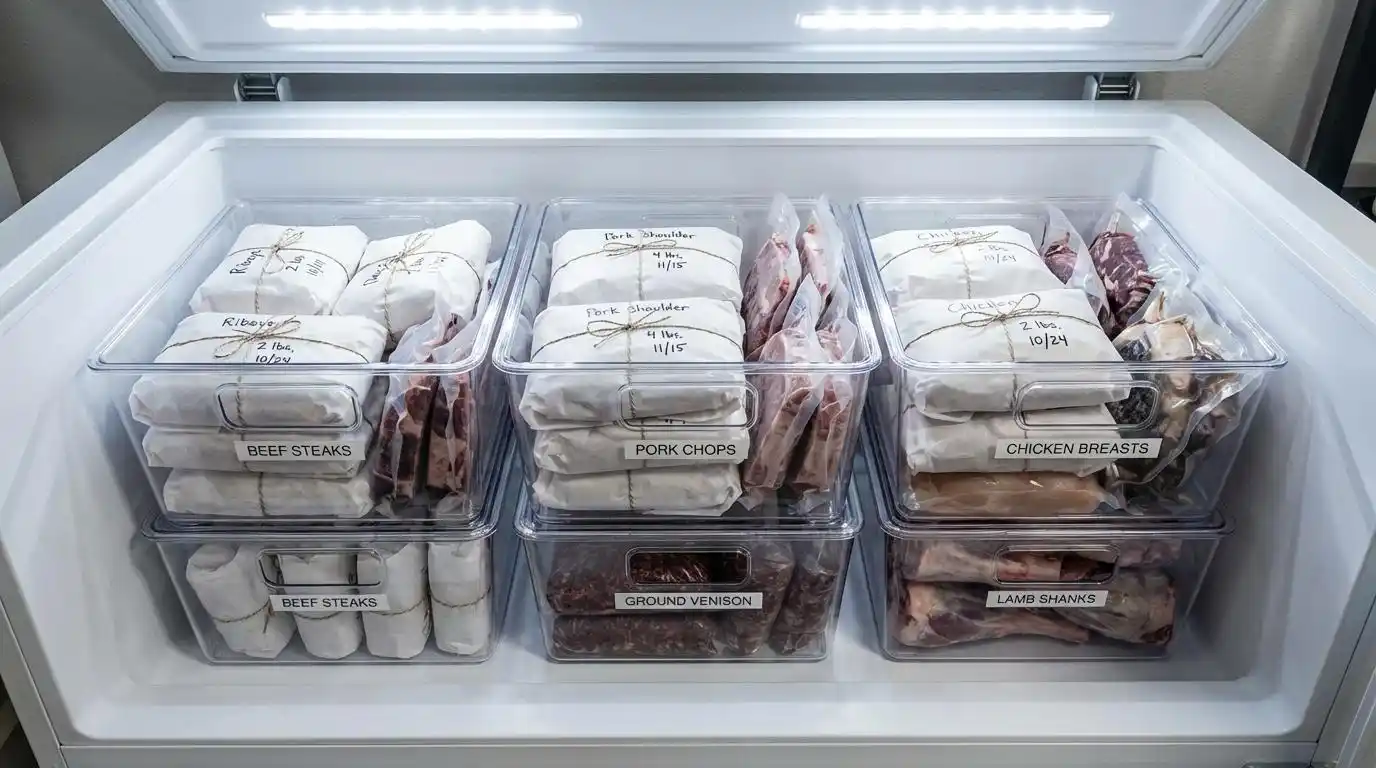
Look for sales and “manager’s specials” at your grocery store. Meat that is close to its sell-by date is often heavily discounted and can be frozen immediately or cooked that day. Buying in bulk is another great strategy. If you have the freezer space, buying a quarter or half cow from a local farmer can lower the price per pound significantly.
Don’t overlook eggs. They are one of the cheapest sources of high-quality protein available. Make omelets, egg salad (without the mayo, or homemade with bacon grease), or just hard-boiled eggs for snacks.
Cheaper cuts of steak like top sirloin or bottom round can be made tender with proper cooking techniques like sous vide or slow roasting. Organ meats are also incredibly cheap compared to muscle meats and offer superior nutrient density. A few dollars of liver provides more vitamins than supplements costing ten times as much.
Is the Carnivore Diet Right for You?
Thirty days might seem like a long time, but in the grand scheme of your health, it is a blink of an eye. This meal plan is designed to be a tool, a structured experiment to see how your body reacts to premium animal-based fuel.
Whether you are looking to lose weight, heal an autoimmune condition, or simply simplify your relationship with food, the carnivore diet offers a compelling path. It challenges conventional nutrition advice, asking us to look back at our ancestral roots.
Remember, the “best” diet is the one that makes you feel your best and that you can adhere to. Listen to your body, adjust as needed, and enjoy the simplicity of steak and eggs.