


Thinking about weight loss often brings to mind cutting calories, endless cardio, and saying goodbye to your favorite foods. But what if one of the most effective strategies wasn’t about restriction, but about adding more of a specific nutrient to your plate? Protein is a powerhouse nutrient that can fundamentally change your weight loss journey, making it more effective, sustainable, and satisfying.
This guide is designed to be your go-to resource for understanding and implementing a high-protein diet for weight loss. We’ll cover everything from the science behind why protein works to practical, everyday strategies for increasing your intake. By the end, you’ll have a clear roadmap to help you build lean muscle, burn fat more efficiently, and finally achieve your weight loss goals without feeling constantly hungry or deprived.
Why Protein Is Essential for Weight Loss
When you’re trying to lose weight, protein becomes your most valuable ally. Its benefits go far beyond just building muscle. One of its key roles is boosting your metabolism. Your body uses more energy—burns more calories—to digest protein compared to fats and carbohydrates. This is known as the Thermic Effect of Food (TEF). Protein has the highest TEF, meaning you get a metabolic advantage simply by eating it. This can add up to an extra 80-100 calories burned per day, just from your food choices.
Protein is also incredibly effective at promoting satiety, which is the feeling of fullness and satisfaction after a meal. It influences several hormones that regulate hunger, such as ghrelin (the “hunger hormone”) and peptide YY. By increasing your protein intake, you can naturally reduce your appetite and calorie consumption throughout the day, making it easier to stick to your diet without feeling like you’re constantly fighting cravings.
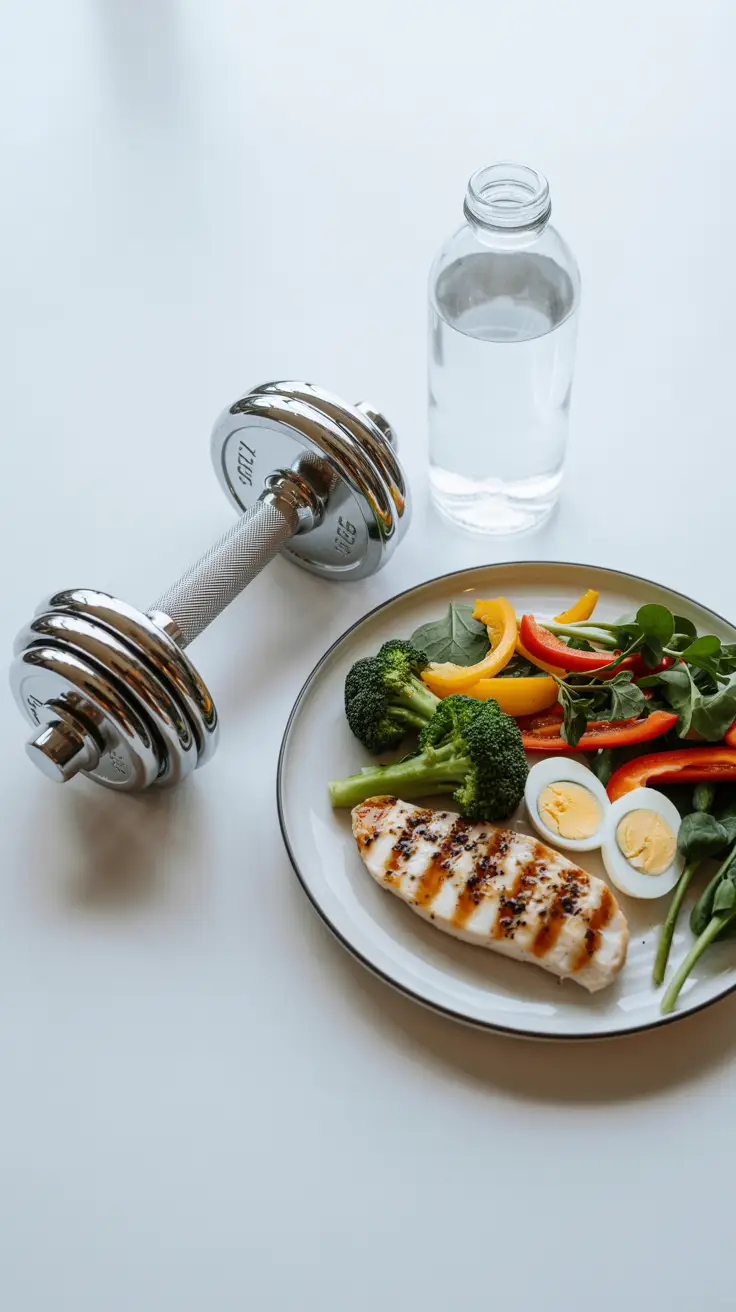
Furthermore, when you’re in a calorie deficit to lose weight, your body can lose muscle mass along with fat. A higher protein intake helps preserve that precious, metabolically active lean muscle. This ensures that the weight you’re losing is primarily fat, which helps maintain a stronger, more toned physique and a higher resting metabolism.
How Much Protein Do You Really Need?
Determining your ideal protein intake is crucial for maximizing weight loss results. The generic “one-size-fits-all” recommendations often fall short. A more personalized approach, based on your body weight and activity level, is far more effective. For general health, the Recommended Dietary Allowance (RDA) is 0.8 grams of protein per kilogram of body weight (or about 0.36 grams per pound). However, for individuals focused on weight loss and preserving muscle mass, this number needs to be significantly higher.
Most experts suggest a range of 1.6 to 2.2 grams of protein per kilogram of body weight (or 0.7 to 1.0 grams per pound) for active individuals trying to lose fat. For example, a 150-pound person would aim for 105 to 150 grams of protein daily. If you are very active or have a significant amount of muscle you want to preserve, aiming for the higher end of this range is beneficial.
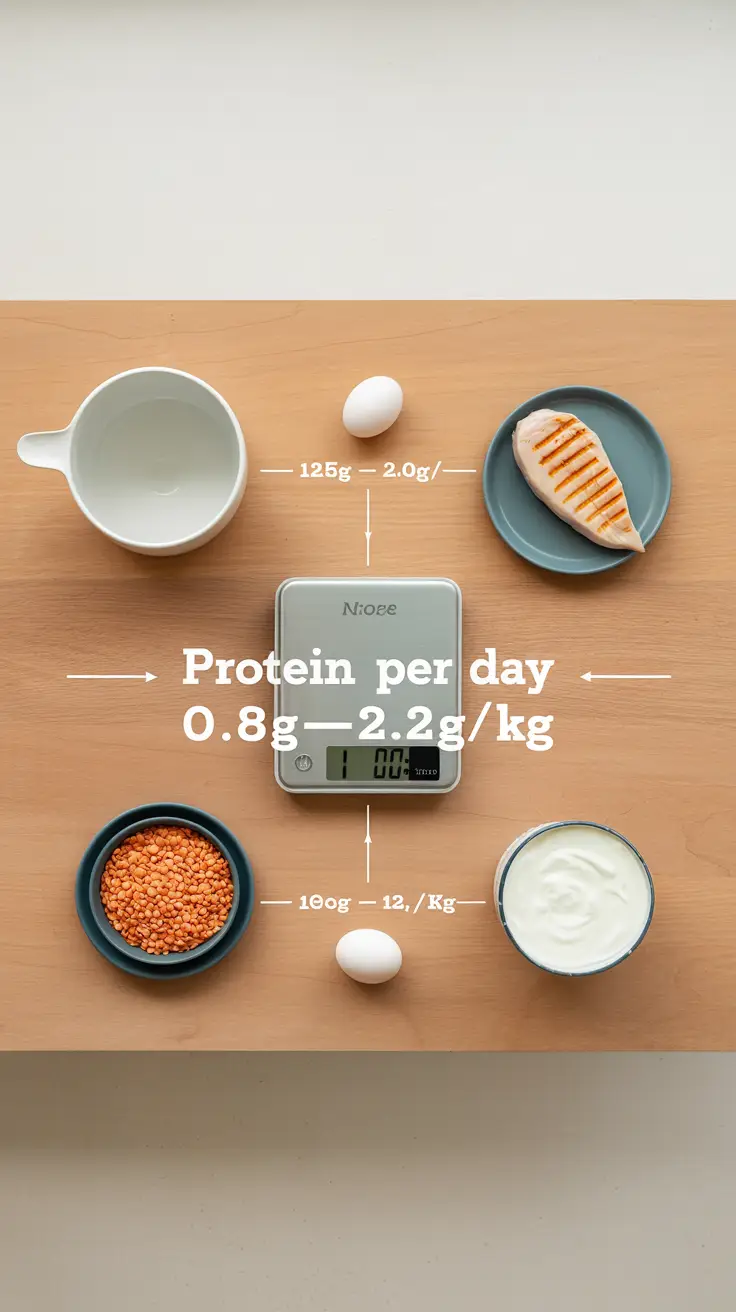
Don’t feel overwhelmed by these numbers. Start by calculating your target and then gradually increase your intake. Spreading your protein consumption evenly across your meals—aiming for 25-30 grams per meal—can also improve muscle protein synthesis and keep you feeling full throughout the day.
Best High-Protein Foods for Weight Loss
Stocking your kitchen with the right high-protein foods is the first step toward hitting your daily goals. The best choices are typically nutrient-dense, meaning they offer a lot of protein without an excessive amount of calories, fats, or carbs. Lean meats are a classic example; options like chicken breast, turkey, and lean cuts of beef or pork provide a significant protein punch. A single 100-gram (3.5-ounce) serving of chicken breast contains around 31 grams of protein for only 165 calories.
Seafood is another excellent category. Fish like salmon, tuna, and cod are not only rich in protein but also provide essential omega-3 fatty acids, which have anti-inflammatory benefits. Eggs are a versatile and affordable powerhouse, with about 6 grams of high-quality protein per large egg. For dairy lovers, Greek yogurt stands out, offering double the protein of regular yogurt with the added benefit of probiotics.
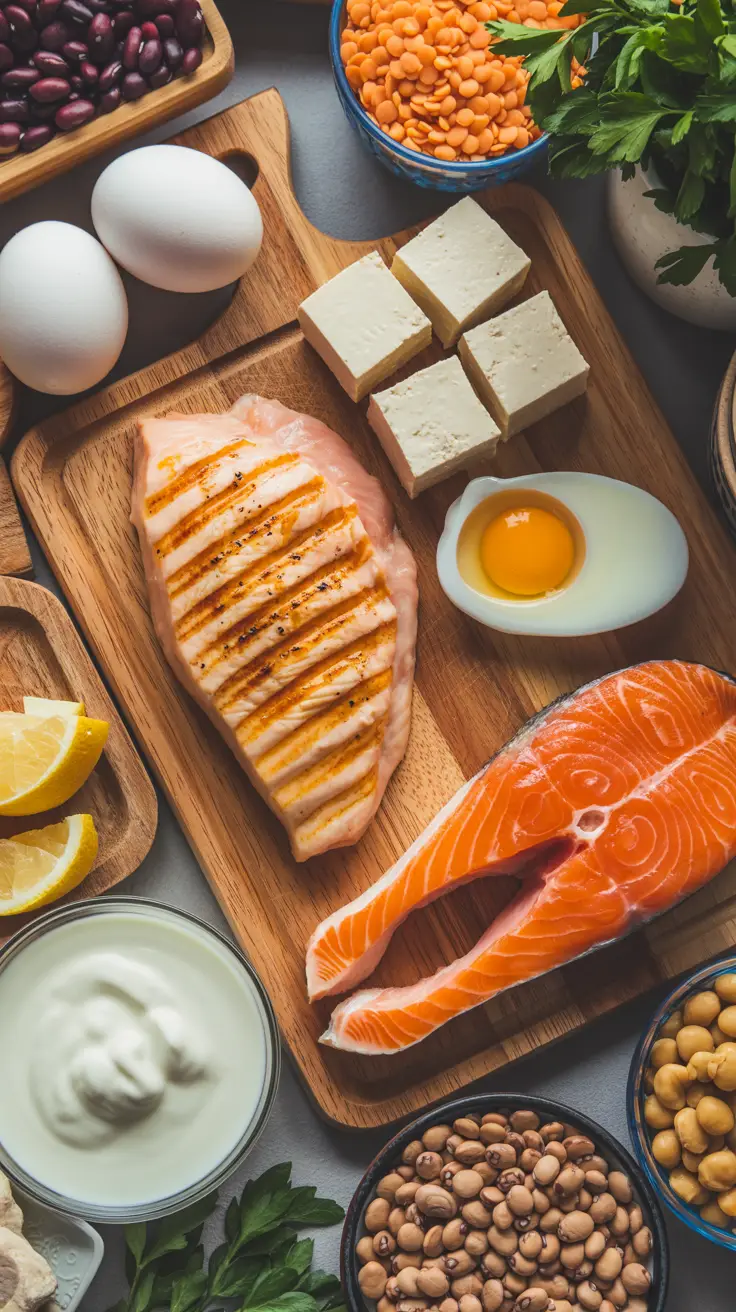
Don’t overlook plant-based options, either. Lentils, chickpeas, black beans, and tofu are fantastic sources of protein and fiber, a combination that is particularly effective for promoting fullness. A cup of cooked lentils, for instance, provides about 18 grams of protein and 15 grams of fiber.
Simple Ways to Add More Protein to Every Meal
Increasing your protein intake doesn’t require a complete dietary overhaul. Often, small, simple swaps and additions can make a huge difference. For breakfast, instead of a plain bowl of cereal, stir in a scoop of protein powder or a serving of Greek yogurt. If you enjoy toast, top it with scrambled eggs or mashed avocado and a sprinkle of hemp seeds instead of just butter. These minor changes can easily add 15-20 grams of protein to your morning meal.
At lunch, think about upgrading your salads. A simple green salad can be transformed into a filling, protein-packed meal by adding grilled chicken strips, a can of tuna, a hard-boiled egg, or a generous portion of chickpeas. When making sandwiches, choose whole-grain bread and double up on the lean protein, like turkey slices.

For dinner, make protein the star of your plate. Instead of a large portion of pasta with a little sauce, try a smaller portion of pasta mixed with lean ground turkey, lentils, or grilled shrimp. You can also “hide” protein in your meals by adding pureed white beans to soups or blending silken tofu into creamy sauces.
High-Protein Breakfast Ideas to Kickstart Your Day
Starting your day with a protein-rich breakfast is one of the most effective strategies for controlling hunger and cravings later on. It sets a foundation of satiety that can carry you through until lunch. A classic option is a three-egg omelet filled with vegetables like spinach and mushrooms, and a little feta cheese.
This can easily provide over 20 grams of protein. If you’re short on time, a protein smoothie is a fantastic choice. Blend a scoop of your favorite protein powder with unsweetened almond milk, a handful of spinach (you won’t taste it!), a banana, and a tablespoon of chia seeds for a quick, nutrient-dense meal that packs around 30 grams of protein.
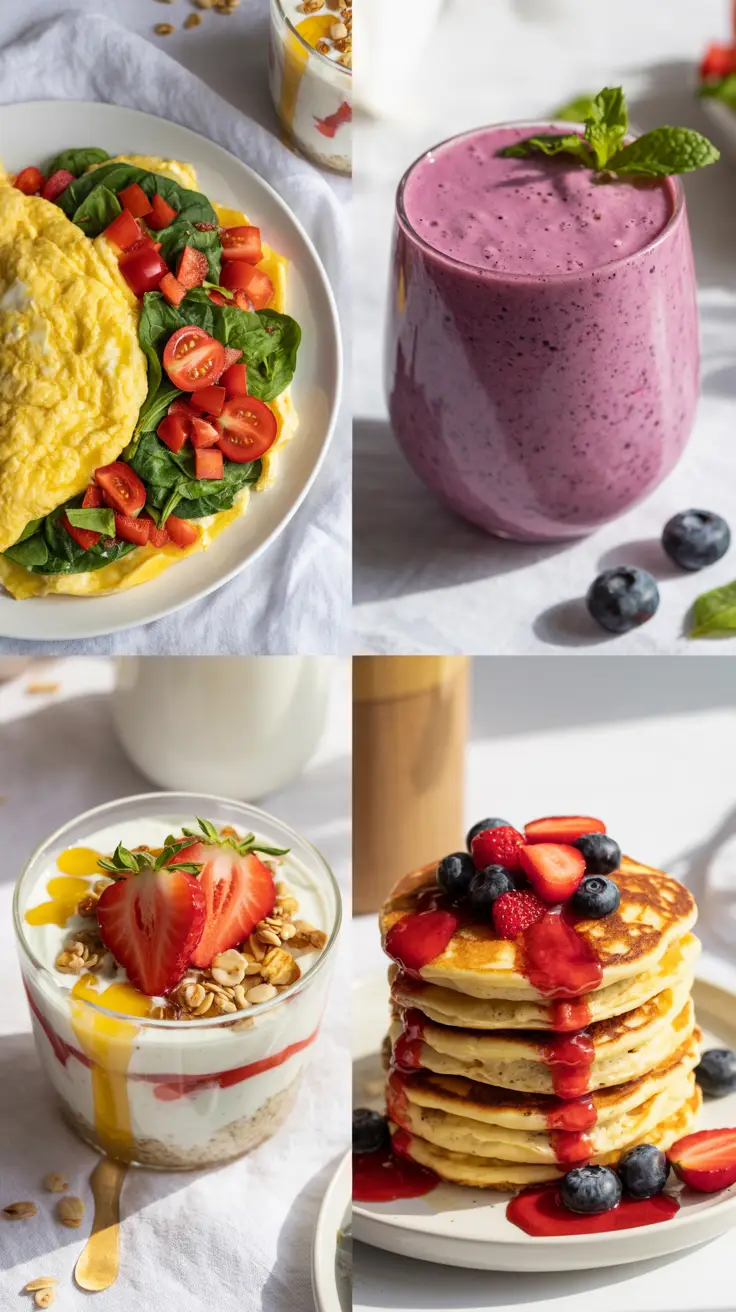
For those who prefer something a bit sweeter, try making protein pancakes. You can find many simple recipes online that use ingredients like oats, eggs, cottage cheese, and protein powder. Topped with Greek yogurt and berries, this breakfast feels indulgent but is packed with muscle-building nutrients.
Another great option is a bowl of Greek yogurt topped with a sprinkle of nuts, seeds, and fresh fruit. It’s quick, requires no cooking, and can deliver 20-25 grams of protein. Even overnight oats can be a protein powerhouse if you add protein powder, chia seeds, and Greek yogurt to the mix.
Smart High-Protein Snacks for Weight Loss
Snacking is often seen as a diet downfall, but when done correctly, it can be a powerful tool for weight loss. Smart, high-protein snacks help bridge the gap between meals, keeping your energy levels stable and preventing you from becoming ravenous and overeating at your next meal.
The key is to choose snacks that are both satisfying and aligned with your protein goals. Hard-boiled eggs are a perfect example; they are portable, affordable, and each contains about 6 grams of protein. You can prepare a batch at the beginning of the week for an easy grab-and-go option.
Another excellent choice is a small container of Greek yogurt or cottage cheese. Both are packed with slow-digesting casein protein, which can help you feel full for longer. A handful of almonds or pumpkin seeds provides a good mix of protein, healthy fats, and fiber.
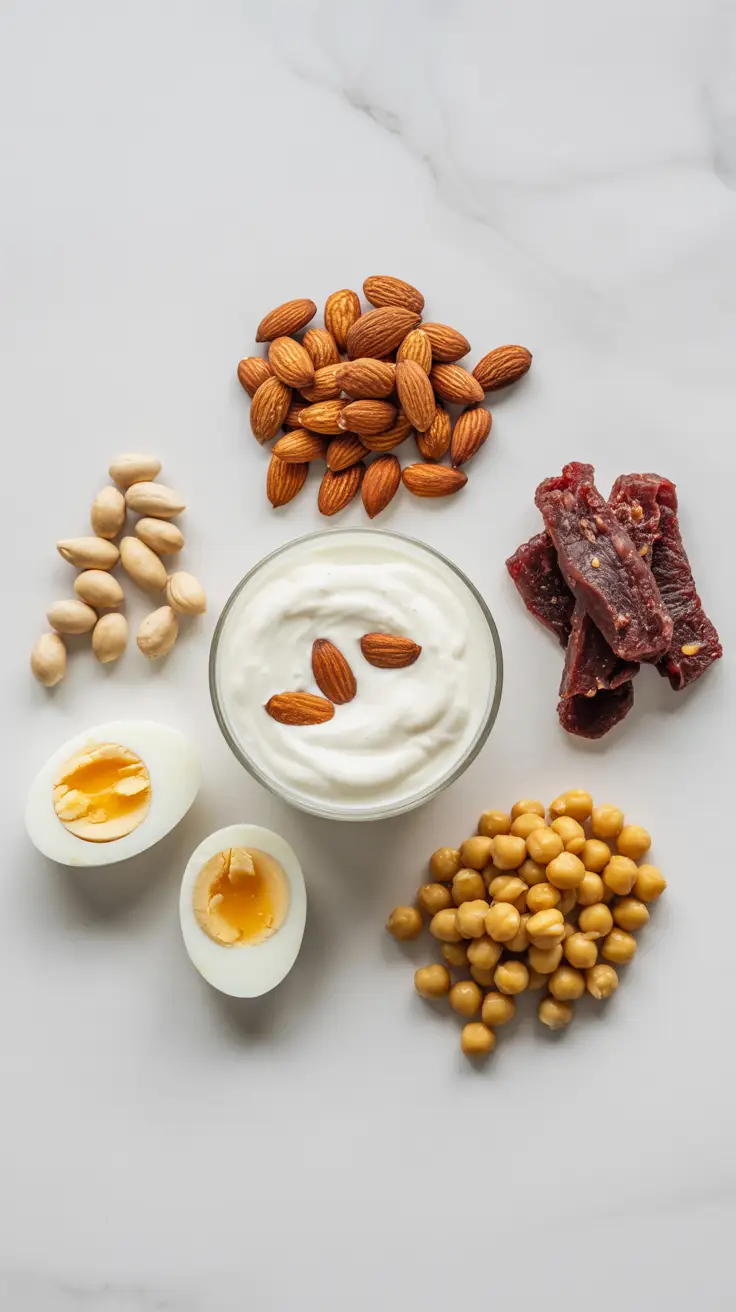
If you’re on the move, beef jerky or a high-quality protein bar can be very convenient, but be sure to check the labels for added sugars and sodium. For a savory option, roasted chickpeas are crunchy and satisfying. You can make them at home by tossing canned chickpeas with a little olive oil and your favorite spices, then roasting them until crispy.
How to Boost Protein in a Vegetarian or Vegan Diet
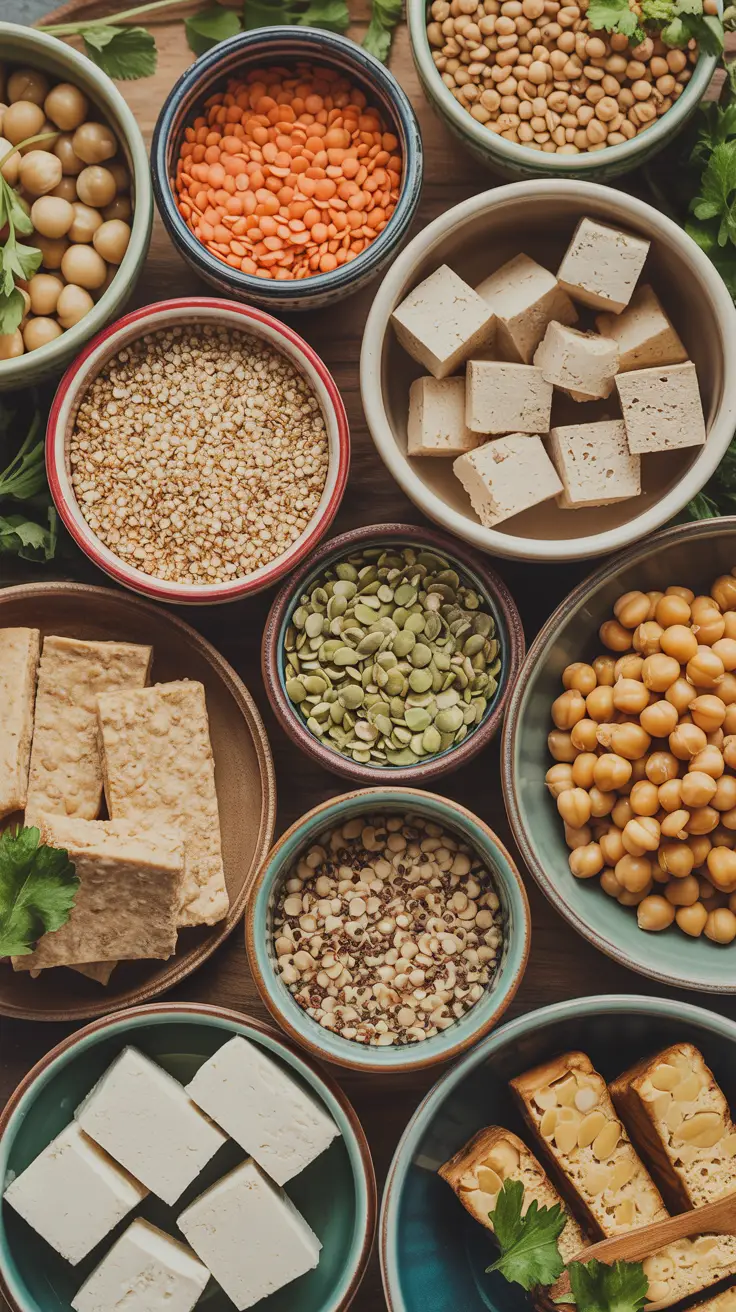
Achieving a high-protein intake on a vegetarian or vegan diet is entirely possible with some strategic planning. The plant kingdom offers a wealth of protein-rich foods. Legumes are a cornerstone; lentils, chickpeas, black beans, and edamame are all fantastic sources. A single cup of cooked lentils provides about 18 grams of protein. Tofu and tempeh, both made from soybeans, are incredibly versatile and can be used in everything from stir-fries to scrambles. Tempeh has a slight edge, offering around 31 grams of protein per cup.
Quinoa, often mistaken for a grain, is a complete protein, meaning it contains all nine essential amino acids. It makes a great base for salads or a side dish. Nuts and seeds are also valuable additions. Almonds, peanuts, pumpkin seeds, and especially hemp seeds (which offer 10 grams of protein in just three tablespoons) can be sprinkled on salads, oatmeal, or yogurt.
Don’t forget about seitan, a wheat-based protein that has a meaty texture and can contain as much as 25 grams of protein per 3.5 ounces. Combining different plant-based sources throughout the day, such as rice and beans or hummus and whole-wheat pita, ensures you get a full spectrum of amino acids.
Protein Shakes & Smoothies: Are They Worth It?
Protein shakes and smoothies can be a highly convenient and effective way to meet your daily protein targets, especially when you’re short on time or have higher protein needs. For many, consuming 120+ grams of protein from whole foods alone can feel like a chore. A protein shake offers a quick and easy solution to boost your intake by 20-30 grams in a single serving. They are particularly useful post-workout, as liquid protein is digested and absorbed more quickly than solid food, helping to kickstart the muscle repair and recovery process.
However, it’s important to view protein supplements as just that—a supplement to a healthy diet, not a replacement for whole foods. Whole food protein sources offer a broader range of nutrients, including vitamins, minerals, and fiber, that you won’t find in an isolated protein powder.

When choosing a protein powder, look for one with minimal added sugars and artificial ingredients. Whey protein is a popular choice due to its high quality and fast absorption. For those who are lactose intolerant or follow a plant-based diet, options like pea, soy, or hemp protein are excellent alternatives. In short, they are definitely “worth it” for convenience and to fill nutritional gaps, but whole foods should always be your foundation.
Common Mistakes People Make with Protein Intake
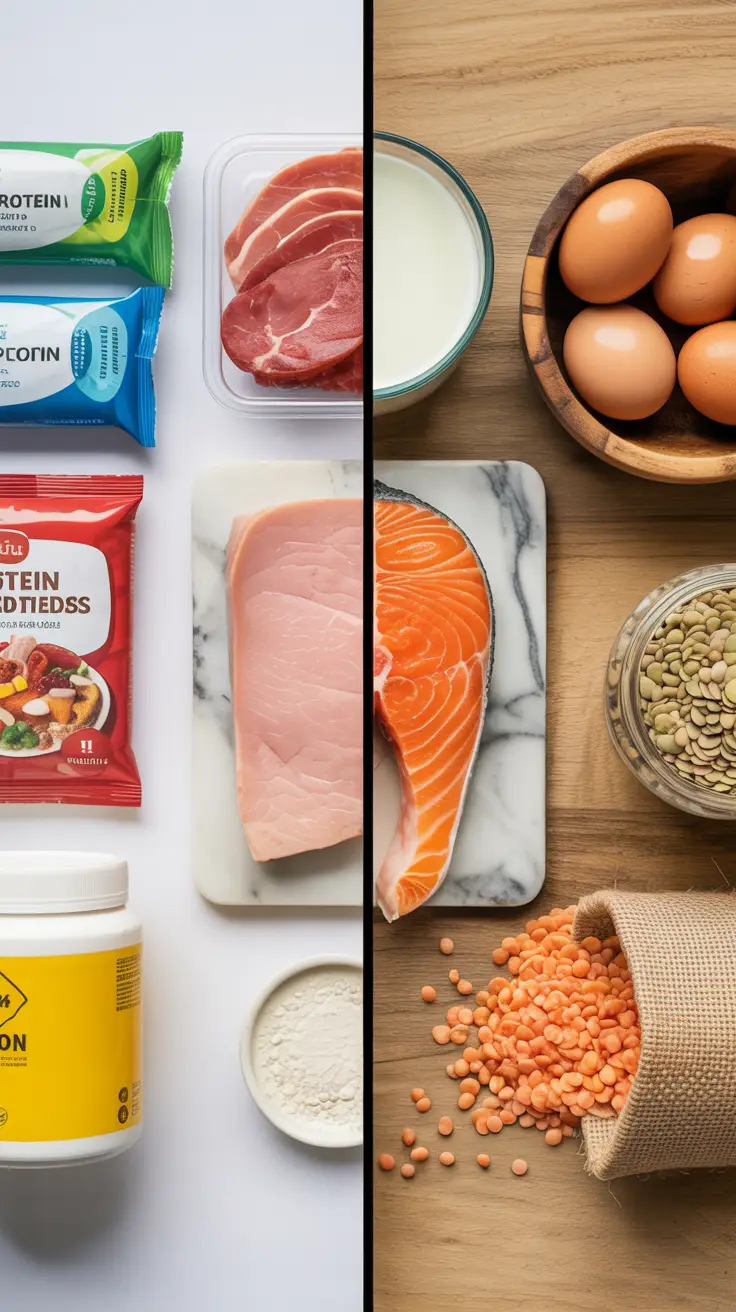
While increasing protein is beneficial, there are common pitfalls to avoid. One major mistake is relying too heavily on processed protein sources. Protein bars, shakes, and processed meats can be convenient, but many are loaded with sugar, unhealthy fats, and artificial ingredients that can undermine your weight loss efforts. Prioritize whole food sources whenever possible. Another common error is neglecting other macronutrients. While protein is crucial, your body also needs healthy fats and complex carbohydrates for energy, hormone function, and overall health. A balanced plate is always the best approach.
Some people also make the mistake of eating too much protein in one sitting and too little at other meals. Your body can only use a certain amount of protein for muscle synthesis at one time (roughly 25-35 grams). Spreading your intake evenly throughout the day is more effective for muscle maintenance and satiety.
Finally, be mindful of the calories that come with your protein. While nuts and cheese are great protein sources, they are also calorie-dense. If you’re not careful with portion sizes, you could easily consume excess calories, stalling your weight loss. Quality and balance are just as important as quantity.
The Best Time to Eat Protein for Maximum Results
The concept of “nutrient timing” has been debated for years, but some general principles can help you get the most out of your protein intake. For weight loss and muscle maintenance, the most important factor is meeting your total daily protein goal consistently.
However, the timing of your protein can offer some advantages. Consuming a protein-rich meal or snack within a couple of hours after a strength-training workout can enhance muscle repair and growth. This is often referred to as the “anabolic window.” While this window may be wider than once thought, providing your muscles with the building blocks they need after being broken down is a sound strategy.
Perhaps more importantly for weight loss, distributing your protein intake evenly throughout the day is key. This means including a solid source of protein with every meal—breakfast, lunch, and dinner. This approach helps maintain a steady supply of amino acids to your muscles, which prevents muscle breakdown.
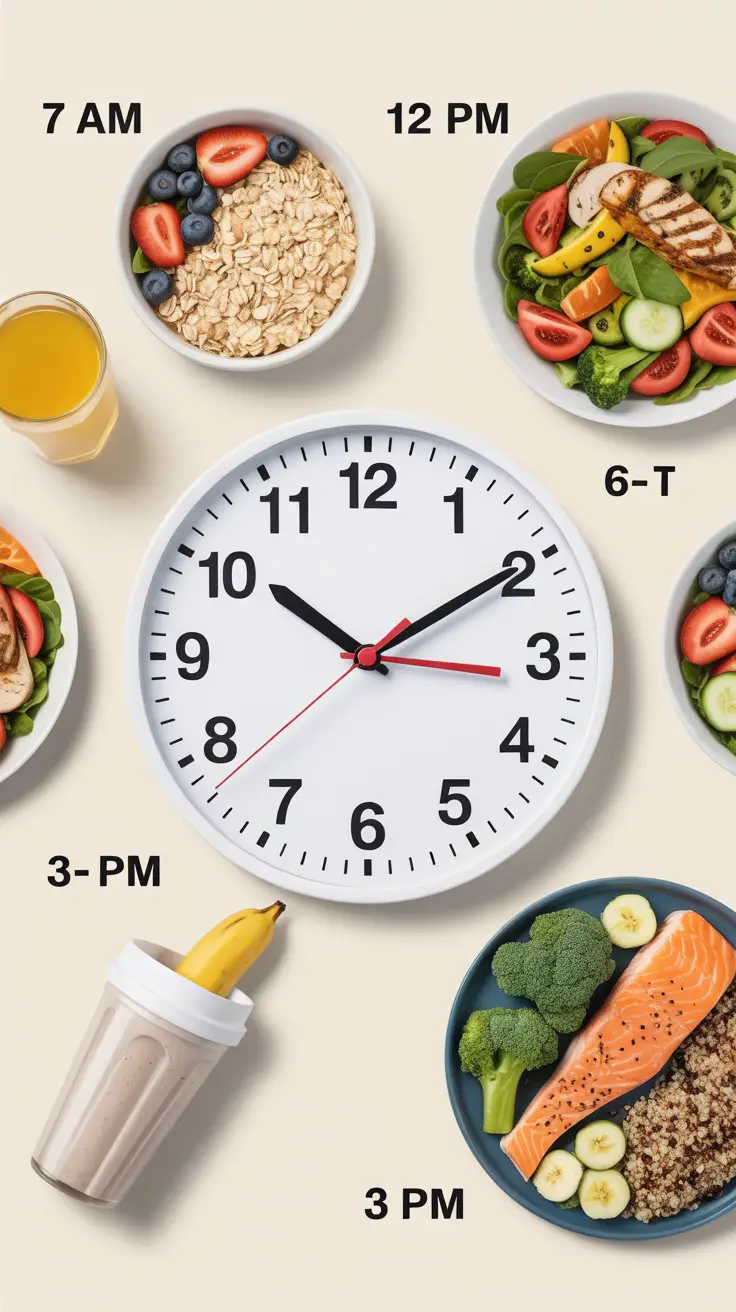
It also plays a huge role in appetite control, keeping you feeling full and satisfied between meals and reducing the likelihood of unhealthy snacking. Having a protein-rich snack in the afternoon or evening can also help curb late-night cravings, which is often a major hurdle in a weight loss journey.
Budget-Friendly Ways to Eat More Protein
A high-protein diet doesn’t have to be expensive. While premium cuts of meat and fancy protein bars can be pricey, there are many affordable options. Eggs are one of the most cost-effective, high-quality protein sources available. A dozen eggs can provide numerous meals for just a few dollars. Canned fish, like tuna or salmon, is another budget-friendly staple. It’s pre-cooked, has a long shelf life, and is perfect for quick lunches or salads.
In the plant-based aisle, dried legumes like lentils and beans are incredibly cheap and packed with both protein and fiber. A large bag can last for weeks and costs very little. Tofu is another affordable plant-based hero.
Don’t forget about Greek yogurt, especially when bought in larger tubs, as it often offers a better price per serving than individual cups. When buying meat, look for deals on chicken thighs or drumsticks instead of breasts, as they are often cheaper and offer a similar protein content. Buying in bulk and cooking at home will always be more economical than relying on pre-packaged protein snacks and meals.
Also Read:
How to Get More Protein in Your Diet: 14 Expert-Backed Strategies
AIP Diet for Beginners: A Complete Guide
How to Start the Keto Diet: A Beginner’s Complete Guide
How to Track Your Protein Intake Easily
Tracking your protein intake might seem daunting at first, but with the right tools and a little practice, it can become second nature. The most precise method is using a food tracking app like MyFitnessPal or Cronometer. These apps have extensive food databases, allowing you to simply scan barcodes or search for foods to log your meals.
They will automatically calculate your protein, carbohydrate, and fat intake, giving you a clear picture of where you stand throughout the day. This is especially helpful in the beginning as you learn about the protein content of different foods.
If you prefer a less tech-heavy approach, you can learn to estimate portion sizes. A good rule of thumb is that a palm-sized portion of lean meat or fish is roughly 20-25 grams of protein. Familiarize yourself with the protein content of your go-to foods by reading nutrition labels.
You could also keep a simple food journal for a week or two, manually writing down what you eat and looking up the protein content. This exercise can be incredibly enlightening and help you develop a more intuitive understanding of how to build a high-protein meal without needing to track every single gram long-term.
Protein and Exercise: The Perfect Weight Loss Duo
While a high-protein diet alone can lead to weight loss, combining it with regular exercise—especially strength training—creates a powerful synergistic effect. When you are in a calorie deficit, your body looks for energy sources. A high-protein diet helps protect your muscle from being used as fuel.
Strength training sends a powerful signal to your body to not only preserve but also build lean muscle mass. This is crucial because muscle is more metabolically active than fat, meaning the more muscle you have, the more calories you burn at rest. This boosts your resting metabolic rate, making it easier to lose weight and keep it off.
Exercise also makes your body more efficient at using the protein you consume. After a workout, your muscles are primed to absorb amino acids for repair and growth. This is why a post-workout protein shake or meal is so beneficial. This combination ensures that the weight you lose is primarily from fat stores, not muscle.
The result is a leaner, stronger, and more toned physique, rather than a smaller but “softer” version of your previous self. This dynamic duo of protein and strength training is the cornerstone of a successful and sustainable body transformation.
Sample High-Protein Meal Plan for Weight Loss
Here is an example of what a day of high-protein eating could look like, providing roughly 140 grams of protein.
Breakfast (8:00 AM): 3-egg omelet with spinach and 1/4 cup feta cheese. (Approx. 25g protein)
Morning Snack (10:30 AM): 1 cup of Greek yogurt with a handful of almonds. (Approx. 25g protein)
Lunch (1:00 PM): Large salad with mixed greens, vegetables, 5 oz grilled chicken breast, and a light vinaigrette. (Approx. 40g protein)
Afternoon Snack (4:00 PM): An apple with two tablespoons of peanut butter. (Approx. 8g protein)
Dinner (7:00 PM): 5 oz baked salmon fillet with a side of quinoa and steamed broccoli. (Approx. 42g protein)
This meal plan is just a template. You can easily swap out the protein sources and vegetables based on your preferences. The key is to include a substantial source of protein at each meal and snack to keep your appetite in check and your muscles fueled.
Charting Your Course for Consistent Results
Incorporating more protein into your diet is one of the most impactful changes you can make for effective and sustainable weight loss. It’s not a temporary diet hack but a fundamental shift in how you fuel your body. Start by setting a realistic daily protein target and identifying a few simple swaps you can make to your current meals.
The journey to a healthier lifestyle is built on small, consistent habits. Don’t strive for perfection overnight. Instead, focus on making gradual improvements, celebrating your progress, and listening to your body. By making protein a priority, you’re not just working toward a number on the scale; you’re building a stronger, leaner, and more resilient you.