

Lake Elsinore Motorsports Park Accident: Tragedy, Closure, and Hope
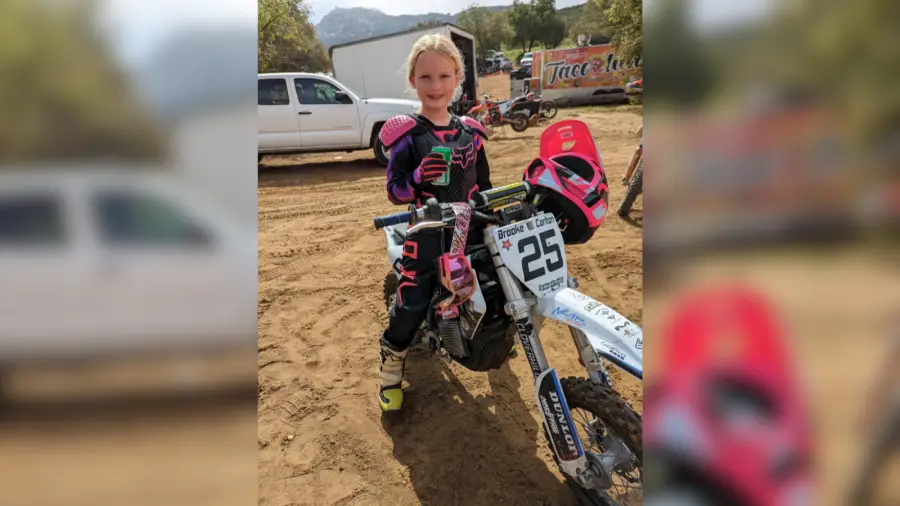
The roar of engines fell silent at Lake Elsinore Motorsports Park in November 2024, marking the end of an era for Southern California’s motocross community. The closure came five months after a devastating accident claimed the life of 9-year-old Brooke Carlton, a spirited young racer whose passion for the sport embodied everything the park represented.
What started as another sunny Sunday morning of racing on June 2, 2024, became a tragedy that would shake the motorsports world. The collision between two juvenile riders exposed deeper questions about safety, liability, and the future of extreme sports venues. As the dust settled, families grieved, lawyers circled, and a beloved community hub faced an uncertain future.
The story of Lake Elsinore Motorsports Park’s accident, closure, and eventual revival offers sobering lessons about the risks we accept in pursuit of adrenaline. It’s a tale of a young girl’s dreams cut short, a community’s resilience, and the complex balance between passion and safety in high-speed sports.
What happens when a “freak accident” forces an entire community to confront uncomfortable truths about the sports they love?
The Rise and Role of Lake Elsinore Motorsports Park
Before tragedy struck, Lake Elsinore Motorsports Park stood as Southern California’s premier motocross destination. Sprawling across multiple acres in Riverside County, the facility boasted seven distinct tracks catering to riders of all ages and skill levels. From beginner-friendly courses for young enthusiasts to challenging terrain for seasoned professionals, the park served as both training ground and weekend playground for thousands of motorsports fans.
The park’s significance extended beyond mere recreation. It provided economic benefits to the city of Lake Elsinore, drawing visitors from across the region who spent money at local hotels, restaurants, and shops. Racing events filled weekends with the thunder of engines and cheers from spectators, creating a vibrant motorsports culture that defined the area’s identity.
However, the park’s relationship with the surrounding community wasn’t always smooth. As urban development crept closer to the facility, noise complaints from newer residents became increasingly common. The clash between long-established motorsports tradition and residential expansion created ongoing tensions that would eventually contribute to the park’s vulnerabilities.
The dusty tracks that hosted countless races, practice sessions, and family outings represented more than just entertainment. They were where young riders like Brooke Carlton discovered their passion, where families bonded over shared adventures, and where the next generation of motorsports athletes honed their skills.
The Fatal Collision: Unpacking the June 2024 Accident
The morning of June 2, 2024, began like countless others at Lake Elsinore Motorsports Park. Families arrived early to beat the heat, riders prepared their machines, and the familiar sounds of engines warming up filled the air. Around 10 a.m., that routine shattered when two young riders collided on one of the off-road tracks.
Nine-year-old Brooke Carlton was riding her electric motorbike when she was struck by another juvenile rider in what authorities would later describe as a “freak accident.” The impact left Brooke unconscious and critically injured, while the other child involved sustained only minor injuries and received treatment at the scene.
First responders arrived quickly, but the severity of Brooke’s injuries required immediate transport to a nearby hospital. Despite medical efforts, she was pronounced dead shortly after arrival. The Riverside County Sheriff’s Office Traffic Bureau launched an investigation into the circumstances surrounding the collision, though no arrests were made.
The timeline of events unfolded with tragic swiftness:
- 10:00 a.m. – Collision occurs between two juvenile riders
- 10:05 a.m. – First responders called to scene
- 10:15 a.m. – Good Samaritans and park staff provide initial aid
- 10:30 a.m. – Brooke transported to hospital via ambulance
- 11:45 a.m. – Brooke pronounced dead at hospital
Investigators examined the track conditions, equipment involved, and circumstances leading to the crash. While labeled a “freak accident,” questions lingered about whether factors like track design, visibility, or supervision played any contributing role.
Remembering Brooke Carlton: A Young Star’s Legacy
Brooke Carlton wasn’t just another young rider at the park that day. She was a spirited ambassador for Go Fast Girls, a brand dedicated to empowering female racers in male-dominated motorsports. Her infectious enthusiasm for both motocross and BMX racing made her a beloved figure in the local racing community.
“The good Lord called our dear Brooke Lily to heaven after a freak accident,” her family shared in their heartbreaking announcement. The statement captured both their faith and the senseless nature of the tragedy that claimed their daughter’s life.
Brooke’s own words, preserved in promotional materials for Go Fast Girls, revealed her passion: “I love to be out on the track competing with other girls and going fast!” That quote became a rallying cry for those who knew her, embodying the fearless spirit that drew so many young athletes to motorsports.
The community response was immediate and overwhelming. A GoFundMe campaign established to support the Carlton family quickly raised thousands of dollars, demonstrating the tight bonds within the motorsports community. Fellow riders, parents, and racing enthusiasts shared memories of Brooke’s competitive spirit and bright smile.
Her involvement with Go Fast Girls made her tragedy particularly poignant for those working to increase female participation in motorsports. She represented the future of the sport – young, talented, and determined to succeed in a challenging field. Her death became a symbol of potential unrealized and dreams unfulfilled.
Immediate Aftermath: Response from Park, Family, and Authorities
The hours following Brooke’s accident revealed the complex emotions and competing interests that would define the subsequent months. Lake Elsinore Motorsports Park initially posted a statement on Instagram calling for community unity rather than blame, writing: “This is not a time to bash the track but a time to remember this little girl.”
The post was later deleted amid growing scrutiny and legal concerns, but it captured the defensive posture the park would maintain throughout the crisis. Park management emphasized the role of Good Samaritans and staff who provided immediate aid, highlighting their commitment to rider safety.
The Riverside County Sheriff’s Office handled the investigation with careful attention to the sensitive nature of the incident. With minors involved and no clear criminal activity, investigators focused on determining exactly what happened rather than assigning blame. Their findings would remain confidential due to the ages of those involved.
Plans for a memorial tribute ride were initially announced but later canceled as legal and insurance considerations complicated the park’s operations. The cancelation disappointed many who wanted to honor Brooke’s memory while highlighting the growing challenges facing the facility.
The tight-knit motocross community struggled to process the tragedy. Parents questioned their own decisions to allow their children to race, while young riders grappled with the reality that their beloved sport carried serious risks. The accident forced uncomfortable conversations about safety measures that many had previously taken for granted.
Legal Ramifications: The Lawsuit That Never Was?
In the weeks following Brooke’s death, confusion emerged around potential legal action that would ultimately contribute to the park’s closure. Park management cited an impending lawsuit as a key factor in their decision to terminate operations, but the Carlton family’s attorney painted a different picture.
The family’s legal representative stated they had not filed any lawsuit and were still investigating the circumstances of the accident. “We have no intention of harming the community,” the lawyer emphasized, suggesting that immediate legal action was not the family’s priority during their time of grief.
However, the mere possibility of litigation created ripple effects throughout the motorsports facility’s operations. The property owner who leased land to the park reportedly terminated the agreement to avoid potential legal entanglement, effectively forcing closure even without an actual lawsuit being filed.
Legal experts familiar with motorsports accidents suggested that potential claims could range from $150,000 to over $3 million, depending on the specific circumstances and liable parties. In California, families have two years from the date of an accident to file wrongful death claims, creating a lengthy period of uncertainty for all involved.
The legal complexity extended beyond just the park operators. Potential defendants in such cases might include equipment manufacturers, track designers, safety equipment providers, or even other parents whose children were involved. This web of potential liability made insurance coverage increasingly expensive and difficult to obtain.
Questions arose about whether the lawsuit fears were genuine or simply provided convenient cover for existing financial and operational challenges. Unpaid rent, insurance lapses, and ongoing community tensions may have made the park vulnerable to closure regardless of legal concerns.
Park Closure: A Community in Mourning
The official announcement of Lake Elsinore Motorsports Park’s closure came in November 2024, devastating a community that had lost not only a young rider but now their beloved venue as well. Park owners expressed gratitude for years of support while acknowledging the various pressures that made continued operation impossible.
“It’s been an incredible journey,” park management stated in their final announcement. “While we face challenges beyond our control, we want to thank everyone who made this place special.” The statement referenced both the ongoing investigation and “business considerations” that contributed to the closure decision.
The final ride event drew hundreds of emotional participants who wanted to experience the tracks one last time. Riders of all ages took to the courses where they had learned, competed, and built lifelong friendships. The atmosphere mixed celebration of memories with grief for what was being lost.
Local residents who had opposed the park’s operations due to noise and dust concerns found themselves conflicted about the closure. Many acknowledged the economic benefits the facility provided and the positive outlet it offered for young people. “It’s a safe place for kids,” one neighbor observed, “recommended by everyone in the motocross community.”
The closure represented more than just the loss of a recreational facility. It marked the end of a gathering place where families created traditions, young athletes pursued dreams, and a community found its identity. For many, Lake Elsinore wouldn’t feel the same without the sounds of racing engines echoing across the valley.
The timing of the closure, during what should have been the busy winter riding season, amplified the economic impact on local businesses that relied on weekend racing events. Hotels, restaurants, and motorcycle dealerships faced reduced revenue as the motorsports tourism that had sustained them for years disappeared overnight.
A History of Heartbreak: Other Incidents at the Park
Brooke Carlton’s death, while particularly tragic due to her young age, wasn’t the first fatality at Lake Elsinore Motorsports Park. A review of past incidents reveals a pattern of accidents that, while not necessarily indicating negligence, raised questions about the inherent risks of motorsports venues.
In December 2023, just six months before Brooke’s accident, off-duty firefighter Jared Shepard died from injuries sustained in a crash during event preparation. Shepard’s death shocked the first responder community and highlighted that even experienced riders faced serious risks at the facility.
The most notable previous incident occurred in June 2012, when 71-year-old Charles Wayt fell from his motorcycle and later died at the hospital from his injuries. Wayt’s death demonstrated that motorsports risks weren’t limited to any particular age group, with both young and older riders vulnerable to serious accidents.
| Date | Victim | Details |
| June 2012 | Charles Wayt (71) | Fell from motorcycle, died at hospital |
| December 2023 | Jared Shepard | Off-duty firefighter, crash during event prep |
| June 2024 | Brooke Carlton (9) | Collision with another rider |
While three deaths over twelve years doesn’t necessarily indicate unusual danger compared to other motorsports venues, the cumulative impact on the park’s reputation and insurance costs was significant. Each incident brought renewed scrutiny from safety advocates and regulatory officials.
The pattern of accidents also reflected the diverse nature of the park’s user base, with victims ranging from children to seniors and including both recreational riders and those with professional experience. This diversity made it difficult to implement uniform safety measures that would effectively protect all participants.
Revival on the Horizon: Reopening as Lake Elsinore Raceway
After months of uncertainty, hope returned to Lake Elsinore’s motorsports community in early 2025. New operators Jason Baker and Bryan Wallace announced plans to reopen the facility as Lake Elsinore Raceway, promising enhanced safety measures and community engagement.
The new management team scheduled a youth-only ride day for August 16, 2025, marking the symbolic return of organized motorsports to the area. The decision to focus initially on young riders demonstrated both confidence in safety improvements and sensitivity to the tragedy that had closed the original facility.
“Safer. Faster. Better.” became the motto for the revamped operation, signaling an emphasis on improvements across all aspects of the facility. The new operators promised updated track designs, enhanced safety equipment, and more comprehensive rider education programs.
City officials expressed cautious optimism about the reopening, acknowledging both the economic benefits of motorsports tourism and the need for responsible operations. The municipality’s support suggested that lessons learned from the park’s previous incarnation would inform future oversight and regulation.
The revival efforts faced the challenging task of rebuilding community trust while honoring the memory of those who had been lost. New management committed to working closely with the Carlton family and other affected parties to ensure that safety improvements weren’t just cosmetic changes but meaningful reforms.
Plans for the revamped facility included better spectator areas, improved emergency response capabilities, and age-appropriate track configurations designed to minimize collision risks. The operators also promised more comprehensive insurance coverage and financial stability to avoid the operational uncertainties that had plagued the previous operation.
Also Read:
Olivia Knighton Boating Accident: Stay Informed
Travis Ruffin’s Tragic Car Accident
Broader Implications: Safety Lessons for Motorsports
The Lake Elsinore tragedy sparked broader conversations about safety standards in amateur motorsports. Industry experts began examining whether current regulations adequately protect participants, particularly young riders who may lack the experience to assess risks effectively.
Calls emerged for motorsport-specific zoning regulations that would ensure adequate buffers between racing facilities and residential areas. Such regulations might prevent the community tensions that contributed to Lake Elsinore’s operational challenges while also enhancing safety through better emergency access routes.
Safety advocates proposed mandatory helmet standards, age-specific track configurations, and enhanced supervision requirements for youth participants. Some suggested that facilities should employ certified safety officers rather than relying solely on volunteers to monitor track conditions and rider behavior.
The economics of motorsports safety also came under scrutiny. Enhanced safety measures require significant investment in equipment, training, and insurance coverage. The challenge lies in balancing comprehensive safety with affordability for both operators and participants.
Community engagement emerged as another crucial factor. Successful motorsports facilities must build positive relationships with surrounding neighborhoods rather than creating adversarial situations that can threaten long-term viability. Regular community meetings, noise mitigation measures, and local economic partnerships can help maintain essential public support.
The Lake Elsinore experience demonstrated that even well-intentioned facilities can face closure when multiple pressures converge. Legal concerns, insurance costs, community opposition, and regulatory challenges can quickly overwhelm operators who lack adequate resources or contingency planning.
Learning from Loss: Moving Forward Safely
The Lake Elsinore Motorsports Park accident serves as a sobering reminder that extreme sports carry inherent risks that can’t be completely eliminated. However, Brooke Carlton’s death need not be in vain if the motorsports community learns from the tragedy and implements meaningful safety improvements.
Her legacy should inspire better training for young riders, enhanced safety equipment standards, and more thoughtful facility design that prioritizes participant protection. The Go Fast Girls organization she represented continues advocating for female participation in motorsports while emphasizing safety as a foundation for competitive success.
The reopening of the facility as Lake Elsinore Raceway represents hope that motorsports venues can evolve to be both thrilling and safer. Success will depend on maintaining the sport’s exciting character while incorporating lessons learned from past tragedies.
Parents, riders, and facility operators all share responsibility for creating a culture where safety concerns are welcomed rather than dismissed as obstacles to fun. Open discussions about risks, honest assessments of safety measures, and continuous improvement efforts can help prevent future tragedies.
The motorsports community’s response to Brooke’s death has shown both its capacity for support and its commitment to honoring fallen riders through positive change. That same spirit of community support must now focus on ensuring that other young riders can pursue their dreams with reduced risk.
Future regulations and industry standards should reflect the lessons learned at Lake Elsinore while preserving the accessibility and excitement that draw participants to motorsports. The goal isn’t to eliminate risk entirely but to ensure that risks are understood, minimized, and accepted knowingly by participants and their families.
As Lake Elsinore Raceway prepares for its youth-focused reopening, the facility carries the weight of history and the hope for a safer future. Success will be measured not just in economic terms but in the ability to provide thrilling experiences without repeating past tragedies. The memory of a spirited 9-year-old who loved “competing with other girls and going fast” should inspire nothing less than excellence in safety and community stewardship.