

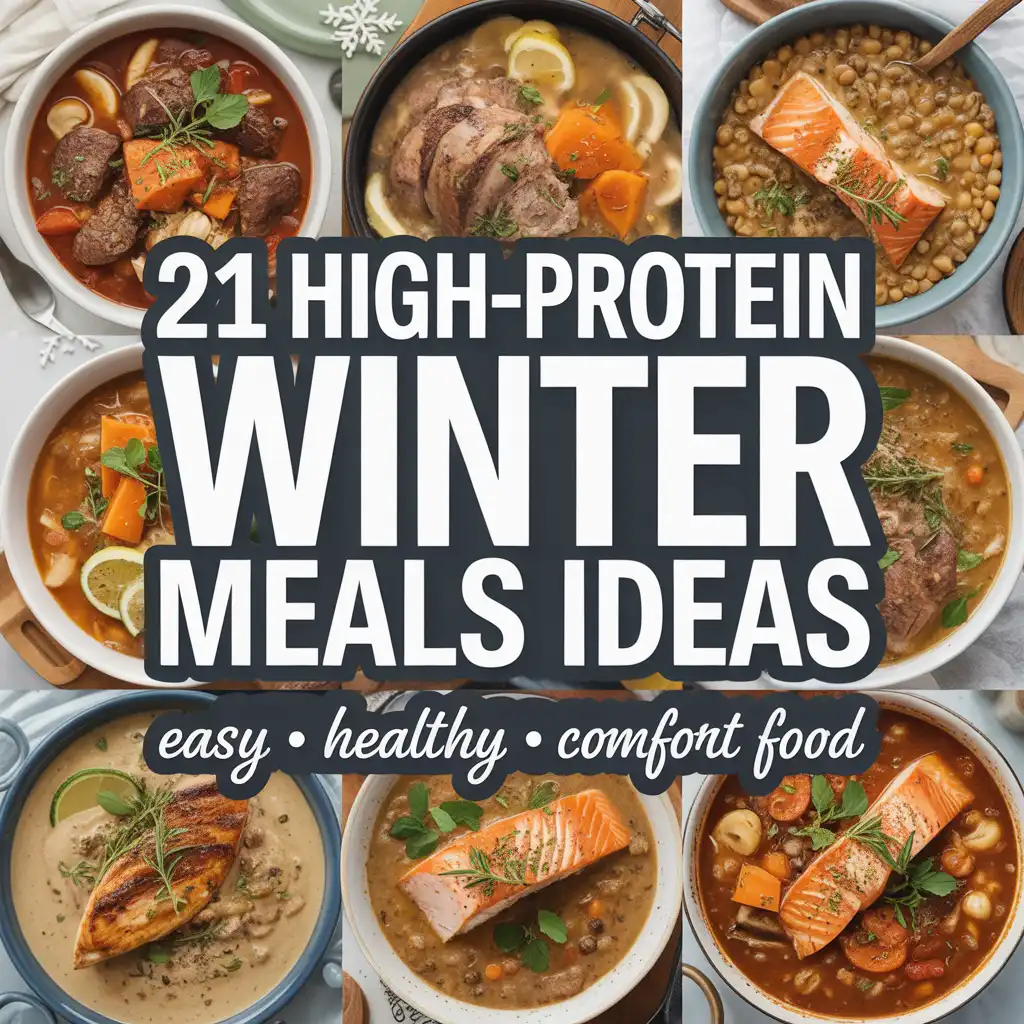
When the temperature plummets, our natural instinct is to reach for carbohydrates. We crave mountains of pasta, thick breads, and sugary treats to build an insulation layer against the cold. However, there is a better way to generate internal heat: protein.
Protein has a higher thermogenic effect than fats or carbohydrates, meaning your body actually generates more heat digesting it. Winter is the perfect time to pivot from the light salads of summer to hearty, muscle-building meals that sustain your energy through the short, dark days. This isn’t about diet culture; it is about fueling your body with the density it needs to thrive in the cold. From slow-simmered stews that melt in your mouth to roasted trays of savory goodness, these high-protein meals provide the ultimate winter armor.
The Slow Simmer: Transforming Tough Cuts into Velvet
Winter is the season of the slow cooker and the Dutch oven. It’s time to buy the tougher, leaner, and often cheaper cuts of meat—like chuck roast, brisket, or pork shoulder—and let time do the heavy lifting. The magic of low-and-slow cooking is that it breaks down collagen, transforming fibrous meat into something that falls apart at the touch of a fork.
These meals are high in protein but also rich in bone broth and minerals. There is nothing quite like walking into a house that has been smelling of rosemary, red wine, and braising beef for six hours. A bowl of beef stew or a lamb tagine is primal comfort food; it sits heavy in the stomach in the best possible way, keeping you full and warm long after the meal is over.
The Sheet Pan Savior: Roasting for Richness
When you need high protein without the four-hour wait time, the sheet pan is your best friend. Roasting proteins like salmon, chicken thighs, or pork chops alongside root vegetables creates a complete meal with minimal cleanup. The high heat of the oven caramelizes the proteins (the Maillard reaction), creating a depth of savory flavor that boiling or steaming simply cannot achieve.
Winter roasting allows you to pair proteins with dense, nutrient-rich vegetables like Brussels sprouts, sweet potatoes, and parsnips. The juices from the meat roast into the vegetables, flavoring them naturally. This method is efficient, warming up your kitchen while it cooks, and delivering a crispy, savory texture that satisfies the winter appetite.
The Power of Pulses: Hearty Beans and Lentils
High protein doesn’t always mean a steak. Winter is the ideal time to embrace the “peasant food” of the world: legumes. Lentils, chickpeas, white beans, and black beans are nutritional powerhouses that absorb the flavors of the broth in which they are cooked.
A thick lentil soup with smoked sausage or a three-bean turkey chili offers a different kind of fullness—one that is high in fiber and stabilizes blood sugar. These meals are incredibly inexpensive but feel luxurious when spiced correctly with cumin, paprika, or thyme. They are “stick-to-your-ribs” meals that provide sustained energy for shoveling snow or bracing against the wind.
The Sea’s Winter Bounty: Fatty Fish and Chowders
We often associate seafood with summer fish fries, but winter is the season for fatty fish and hearty chowders. Cold-water fish like salmon, cod, and mackerel are packed with Omega-3 fatty acids and Vitamin D, two things many of us are deficient in during the winter months.
A creamy (or dairy-free) seafood chowder is one of the most comforting things you can eat. It is rich, hot, and packed with chunks of protein. Baked cod topped with a citrus-winter crumb, or a salmon fillet glazed in maple and mustard, brings a necessary brightness to the dinner table. These meals feel lighter than a beef stew but are just as satiating.
The Skillet Solution: Ground Meat Magic
For the busy weeknights when it is already dark at 5:00 PM, ground meat is the ultimate convenience protein. Whether it is beef, turkey, chicken, or lamb, ground meat cooks quickly and absorbs sauce beautifully.
Think of “Egg Roll in a Bowl” (a deconstructed stir-fry), savory shepherd’s pies topped with cauliflower mash, or spicy Korean beef bowls. These skillet meals are messy, hot, and fast. They rely on high heat and bold sauces—soy, ginger, tomato, or cream—to create a satisfying meal in under 20 minutes. They prove that comfort food doesn’t always require an all-day commitment.
The Master List: 21 High-Protein Winter Meal Ideas
The Stews & Braises
Classic Beef & Barley Stew:
Chuck roast cubes simmered with carrots, celery, and pearl barley.
There are few things more quintessentially winter than a pot of beef and barley stew bubbling on the stove. This dish is a masterclass in texture and flavor, combining tender chunks of chuck roast with the chewy bite of pearl barley. The key to hitting that high-protein mark is generous portions of beef, browned deeply before simmering to unlock a rich, savory fond.
Barley acts as a fantastic vehicle for the broth, thickening the stew naturally as it releases its starches. To keep this nutrient-dense, load the pot with chunky carrots, celery, and onions. The slow simmering process breaks down the collagen in the beef, resulting in meat that falls apart with a spoon. It’s a complete meal in a bowl that provides sustained energy, perfect for refueling after a cold day outdoors or a heavy winter workout.
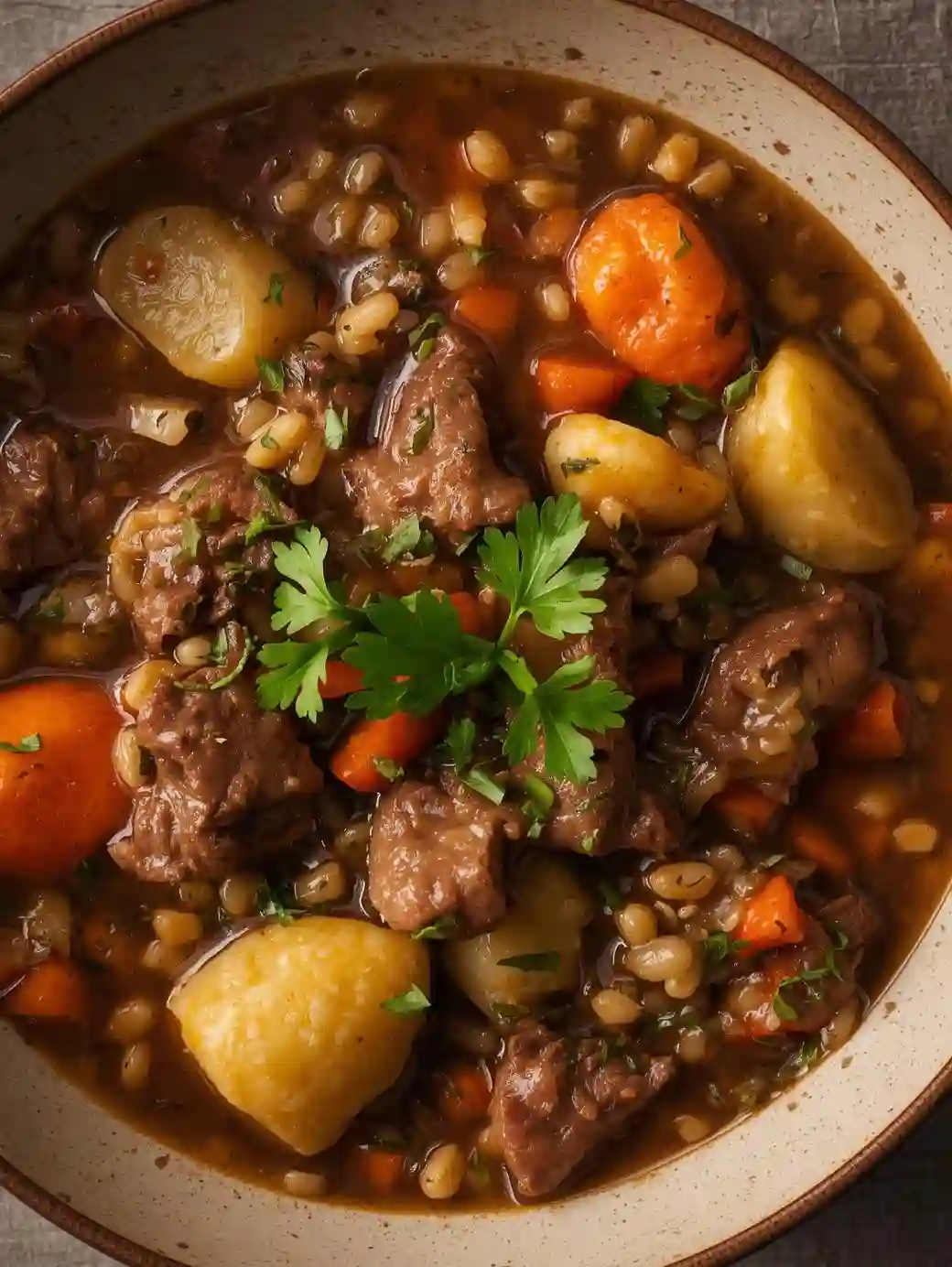
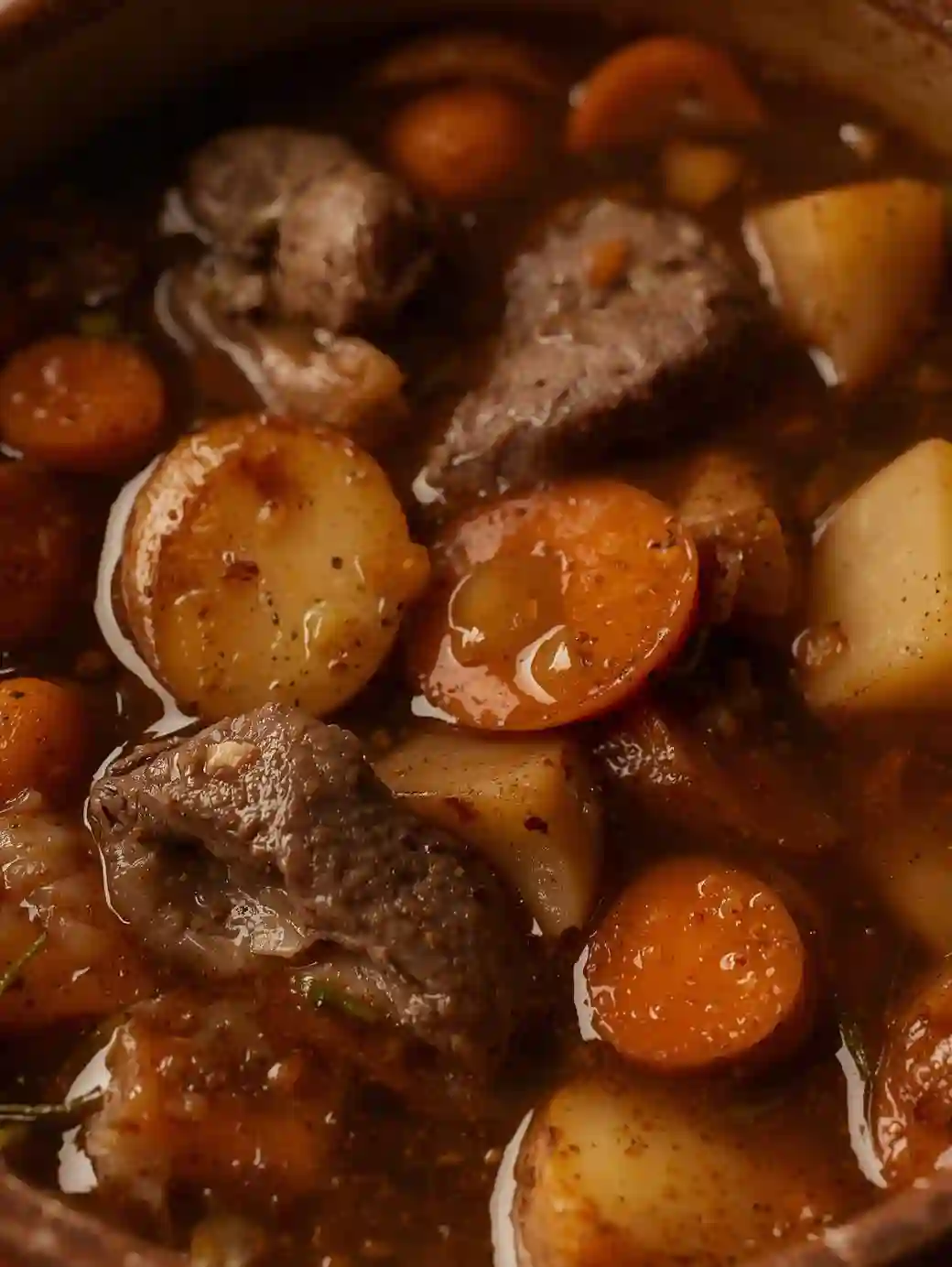
Guinness Lamb Stew:
A rich, dark Irish stew with lamb shoulder and root vegetables.
This rich, dark Irish stew offers a sophisticated twist on the standard vegetable soup. By using lamb shoulder, you introduce a distinct, robust flavor that stands up beautifully to the bitterness and depth of Guinness stout. The alcohol cooks off during the long simmer, leaving behind a complex, malty sweetness that pairs perfectly with the gaminess of the lamb.
Root vegetables are the unsung heroes here. Parsnips, turnips, and potatoes absorb the dark gravy, becoming tender morsels of flavor. Lamb is an excellent source of high-quality protein and essential minerals like zinc and iron, which are vital during flu season. Serve this with a slice of soda bread to soak up the sauce, but honestly, the meat is so tender and the broth so thick, you might just want a second bowl of the stew itself.
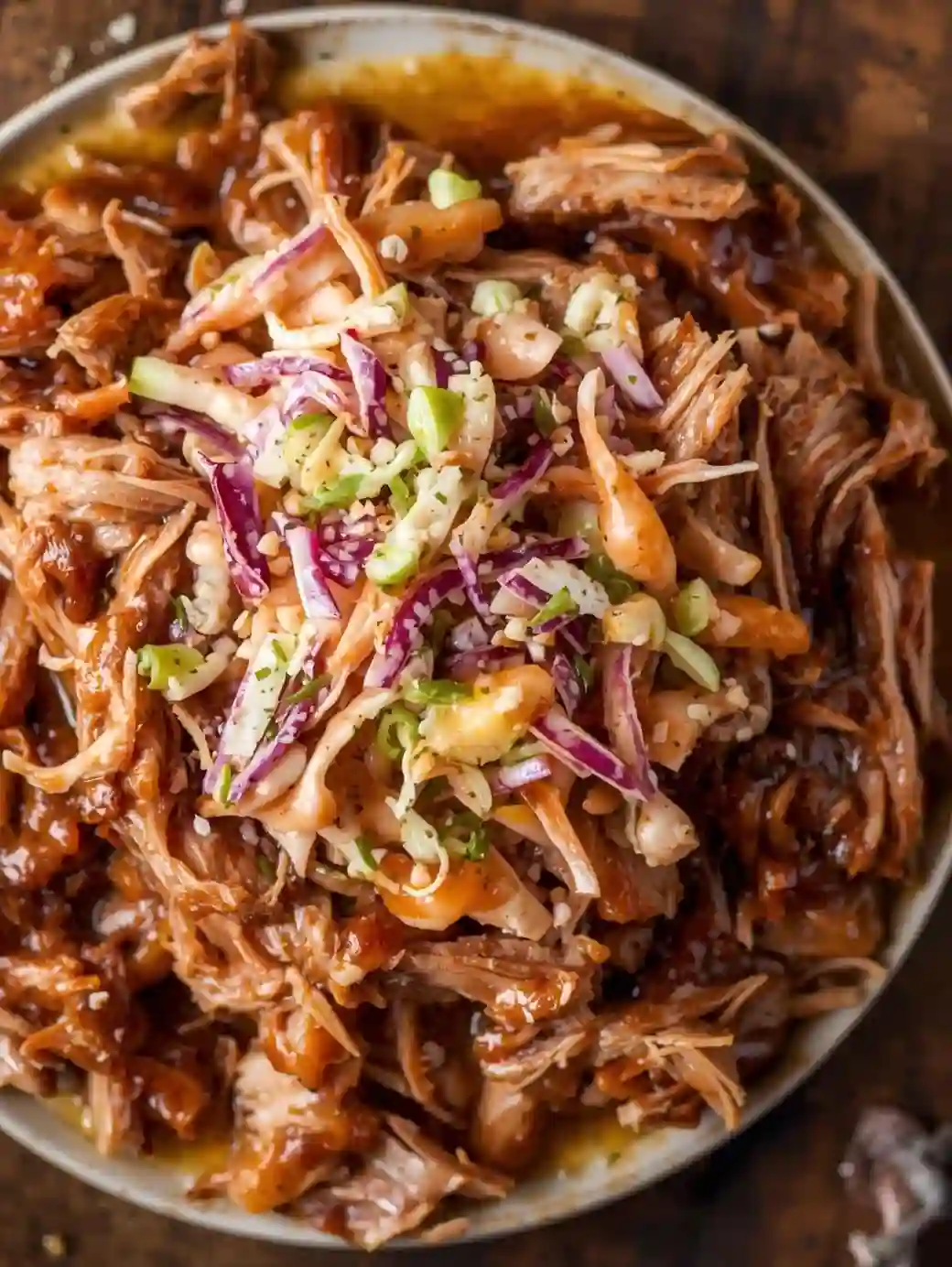
Slow Cooker Pulled Pork:
Pork shoulder braised in apple cider and spices, served with coleslaw.
Pulled pork is often associated with summer barbecues, but when braised in warm spices and apple cider, it transforms into the ultimate winter comfort food. Using a pork shoulder (or Boston butt) is ideal because the intramuscular fat renders down over hours in the slow cooker, keeping the lean meat incredibly moist and flavorful without needing excessive added oils.
The beauty of this high-protein option is its versatility. Once shredded, this meat can be the star of tacos, sandwiched in buns, or served over mashed sweet potatoes for a paleo-friendly dinner. The combination of savory pork with the subtle sweetness of apples creates a warming flavor profile. Serve it alongside a crisp, vinegar-based coleslaw to cut through the richness. It’s a “set it and forget it” meal that guarantees you come home to a house smelling amazing and a dinner ready to eat.
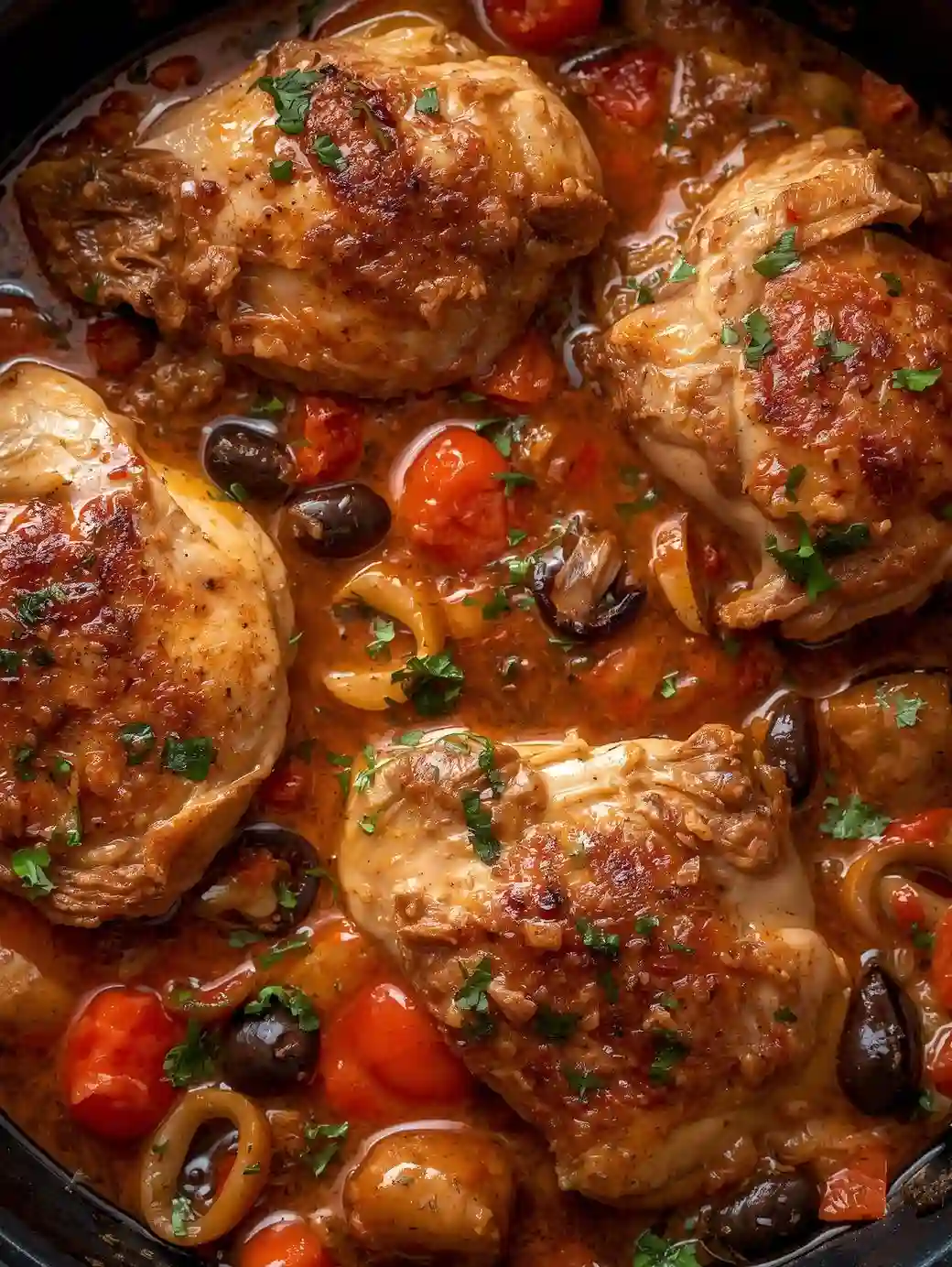
Chicken Cacciatore:
Chicken thighs braised in a rustic tomato, olive, and mushroom sauce.
For a rustic Italian option that feels like a hug in a bowl, Chicken Cacciatore is a winner. This “hunter-style” stew relies on bone-in, skin-on chicken thighs, which remain juicy and tender during the braising process. The sauce is a vibrant medley of tomatoes, bell peppers, onions, mushrooms, and olives, seasoned heavily with oregano and thyme.
This dish is naturally high in protein and lower in carbohydrates than many pasta-heavy Italian dishes, especially if you serve it over polenta or roasted veggies. The acidity of the tomatoes tenderizes the chicken, while the mushrooms add an earthy umami depth. It’s a one-pot wonder that actually tastes better the next day, making it perfect for meal prep. The high moisture content keeps the chicken protein easy to digest and incredibly satisfying on a chilly evening.
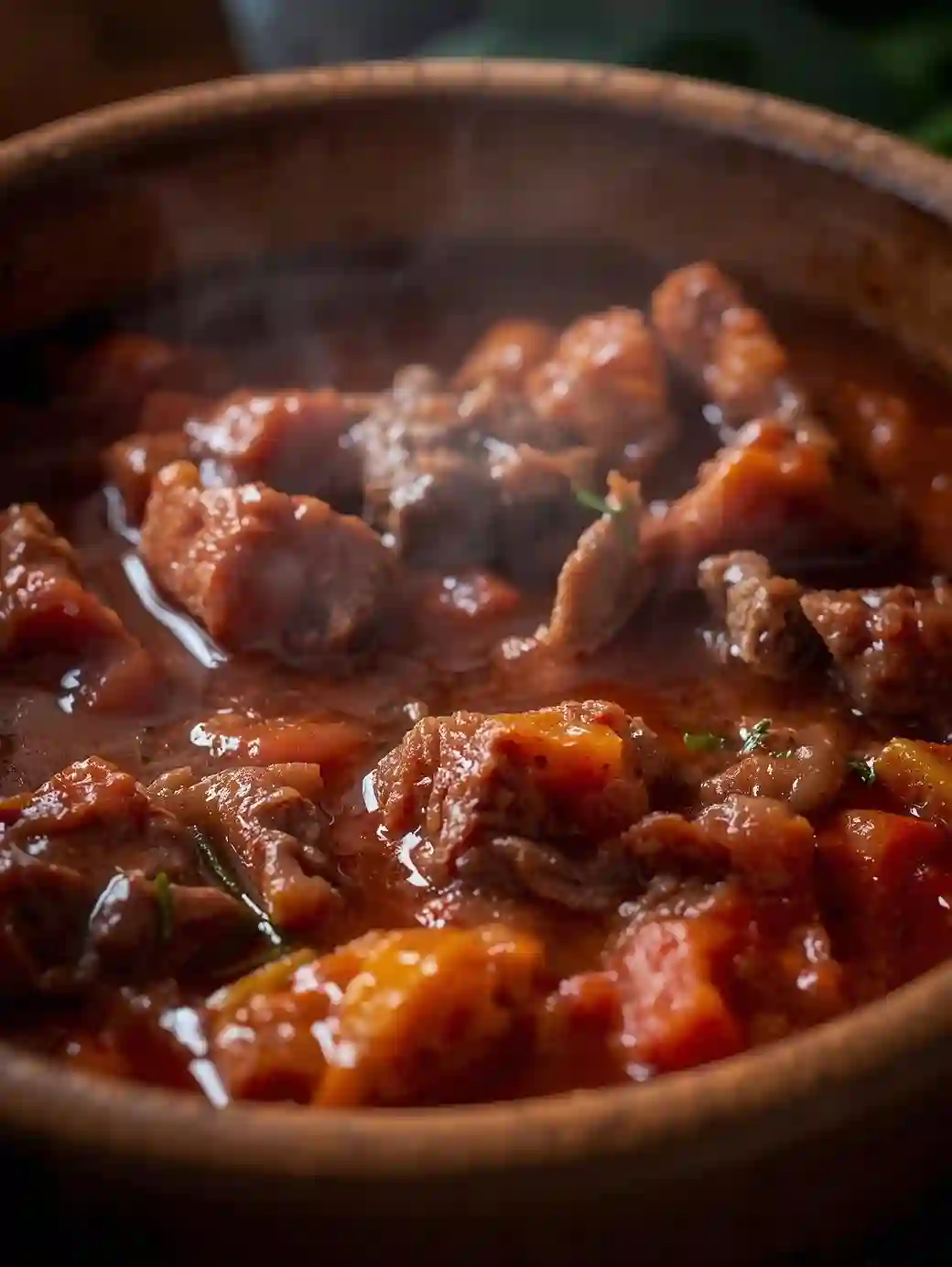
Hungarian Goulash
A paprika-heavy beef soup that sits somewhere between a stew and a soup.
Sitting comfortably between a thick soup and a hearty stew, Hungarian Goulash is defined by one primary ingredient: paprika. You’ll want to use high-quality sweet Hungarian paprika to get that signature vibrant red color and warm, peppery flavor without overwhelming heat. Lean cuts of beef are stewed until butter-soft, usually alongside onions and potatoes.
Unlike American goulash which often features ground beef and macaroni, the traditional version focuses on chunks of whole muscle meat, providing a cleaner source of protein. It is incredibly warming, not just from temperature, but from the spices used. Many variations include caraway seeds and a finish of sour cream, which adds a luxurious tanginess to the broth. It’s hardy enough to be a standalone meal but light enough that you won’t feel weighed down afterward.
The Roasts & Sheet Pans
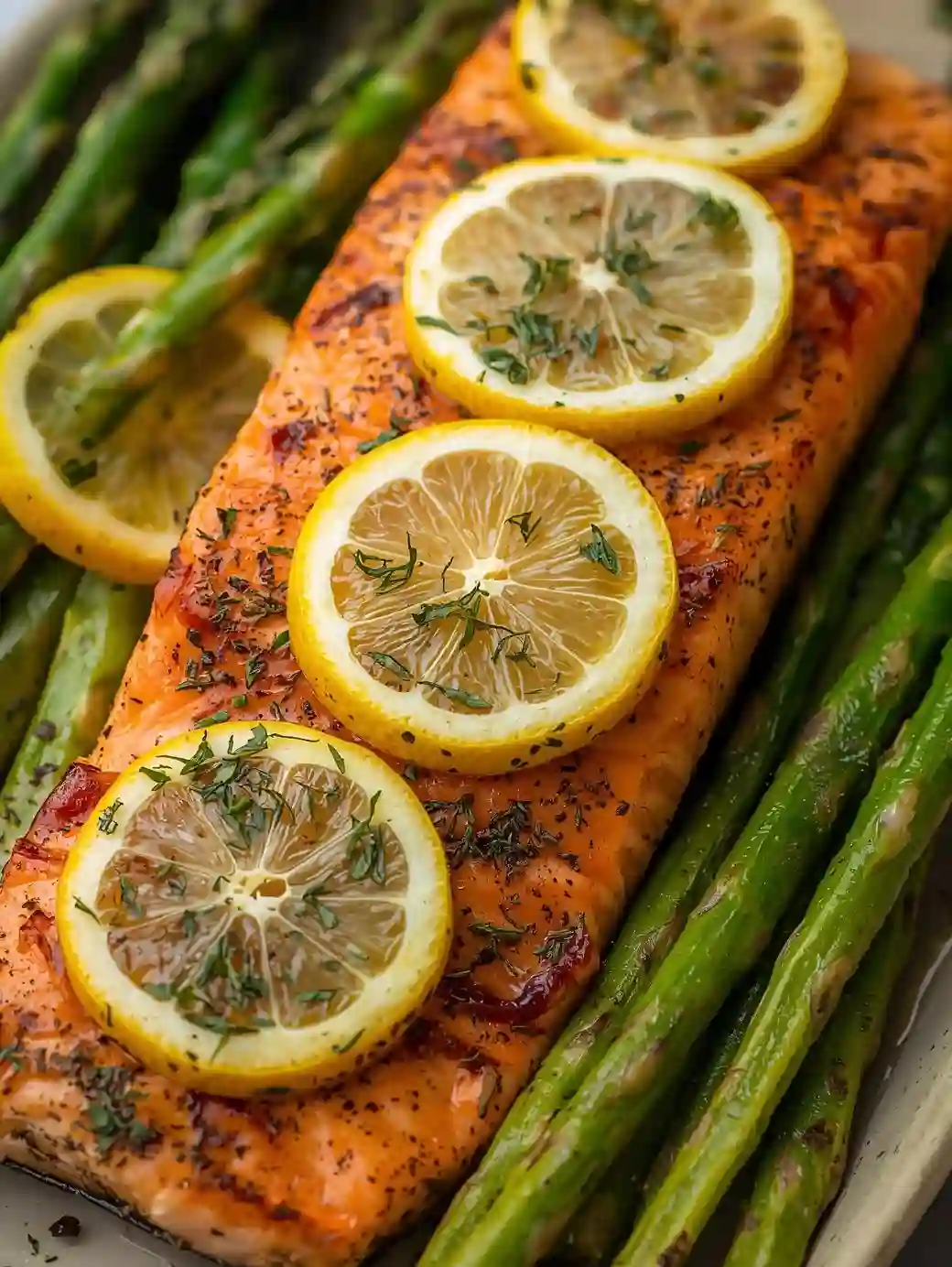
Lemon Herb Roasted Salmon:
Whole side of salmon roasted with asparagus and lemon slices.
Winter meals don’t always have to be heavy red meats; sometimes you need the clean, rich proteins found in fatty fish. A whole side of salmon roasted with lemon and fresh herbs makes for an impressive yet surprisingly simple dinner. Salmon is packed with Omega-3 fatty acids, which are essential for brain health and fighting inflammation—a common issue during cold weather months.
Roasting a whole side allows the fish to stay moist and creates a beautiful presentation. Surround the salmon with asparagus spears or broccoli florets on the same pan for a complete meal. The lemon slices caramelize slightly in the oven, releasing their juices to create a bright, zesty sauce that cuts through the richness of the fish. It cooks in under 20 minutes, offering a lightning-fast way to get a high-protein, nutrient-dense meal on the table.
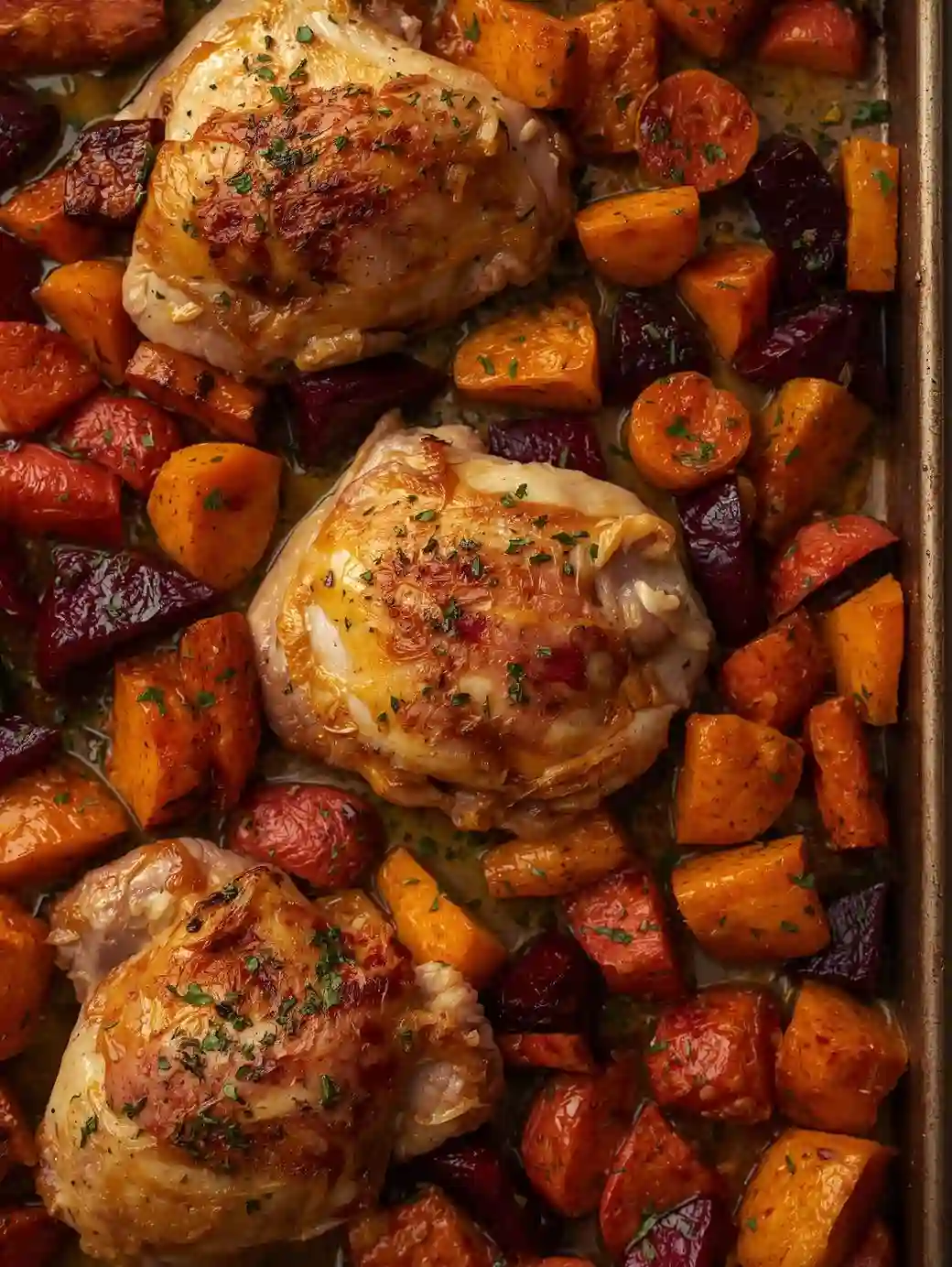
Sheet Pan Chicken & Root Veg:
Chicken thighs roasted alongside beets, carrots, and sweet potatoes.
This is the ultimate low-effort, high-reward dinner for busy weeknights. Chicken thighs are the preferred cut here as they tolerate the high heat of roasting without drying out, ensuring you get juicy protein in every bite. The real magic happens when the juices from the chicken render out and flavor the vegetables roasting alongside them.
Choose hardy winter root vegetables like beets, carrots, parsnips, and sweet potatoes. These vegetables caramelize beautifully in the oven, developing a natural sweetness that contrasts with the savory, crispy chicken skin. Because everything cooks on one tray, cleanup is minimal. You can season this simply with salt and pepper or get adventurous with rosemary, balsamic glaze, or smoked paprika. It’s a balanced plate of protein, healthy fats, and complex carbohydrates with practically zero active cooking time.
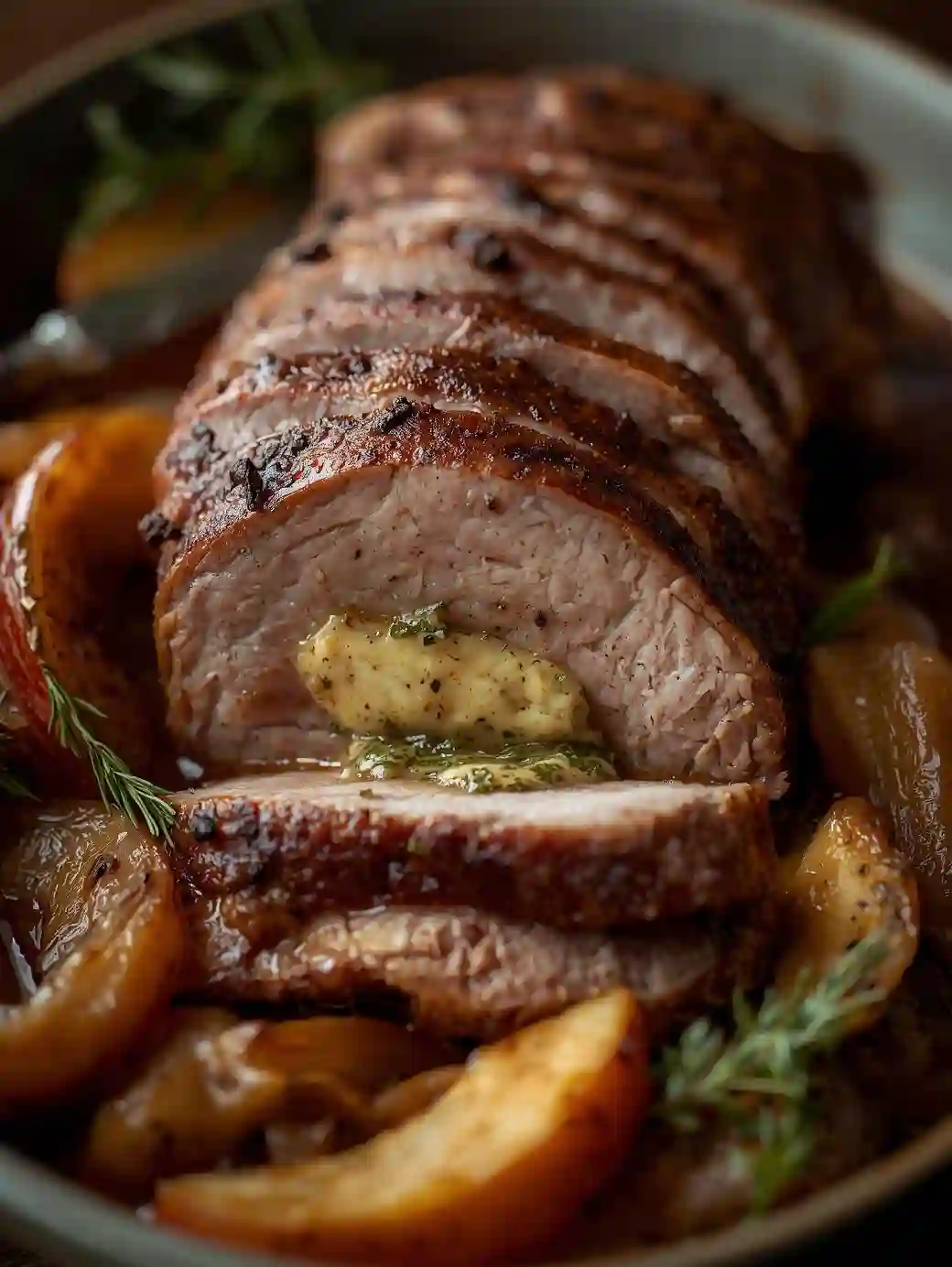
Pork Tenderloin with Apples:
Lean pork roasted with onions and winter apples in a sage butter.
Pork tenderloin is often called the “filet mignon of pork” because it is incredibly lean and tender. It’s one of the healthiest protein choices available, yet it feels decadent when prepared correctly. Roasting it with winter apples and onions creates a classic sweet and savory flavor profile that screams cozy season.
The key to keeping tenderloin juicy is not overcooking it; a quick sear in the pan followed by a short roast in the oven yields perfect results. A sage-infused brown butter sauce brings the dish together, adding a nutty aroma that complements the fruit and meat. This meal looks elegant enough for a dinner party but cooks quickly enough for a Tuesday night. It pairs beautifully with roasted Brussels sprouts or wild rice for added fiber and texture.
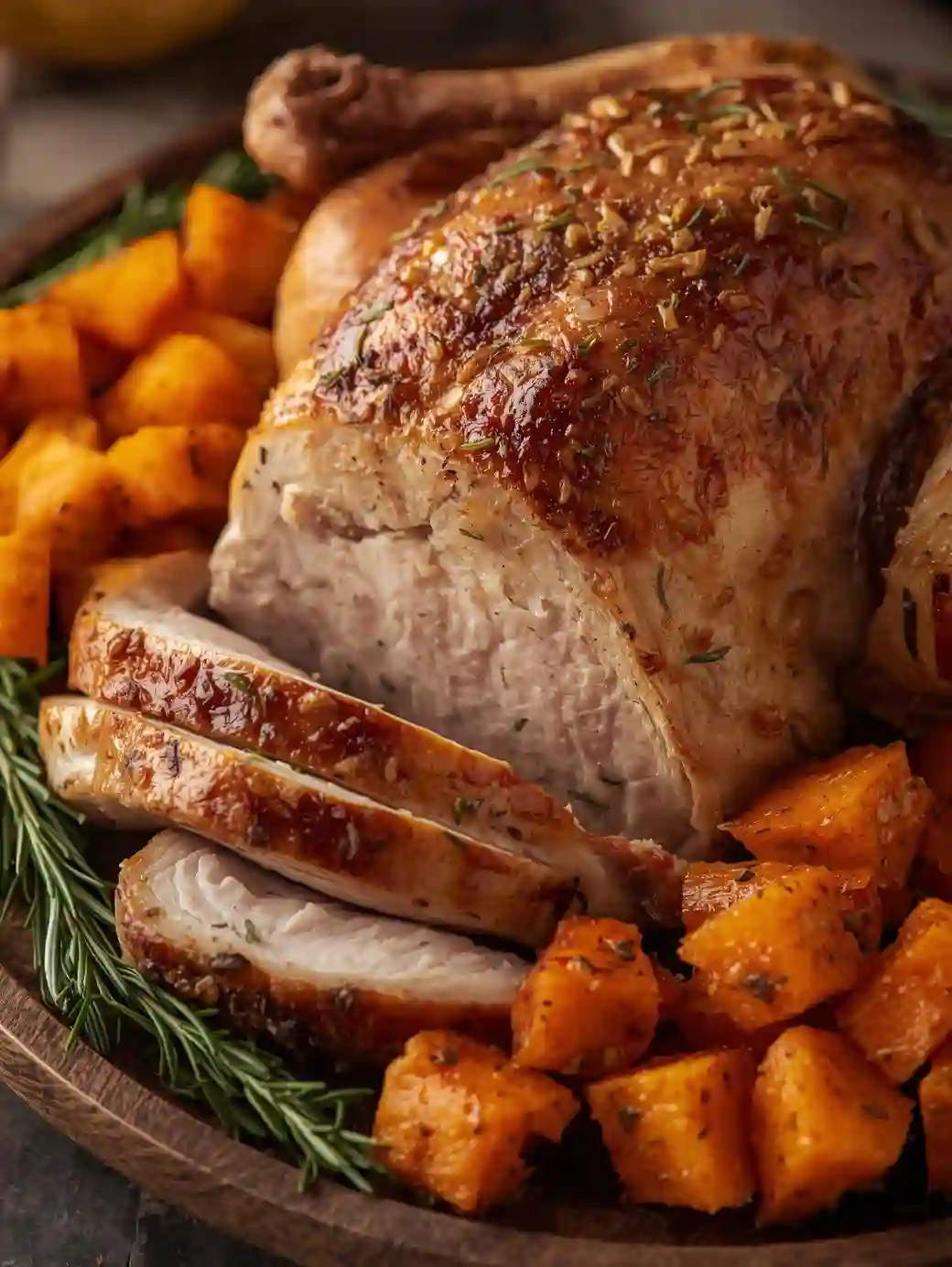
Roast Turkey Breast:
Not just for Thanksgiving—roasted with herbs and served with squash.
Who says turkey is only for Thanksgiving? roasting a bone-in turkey breast is a fantastic way to have lean, high-quality protein available all week long. Unlike a whole bird, a breast is manageable, cooks relatively quickly, and doesn’t require an army to eat. It’s versatile, neutral in flavor, and acts as a blank canvas for winter herbs like sage, rosemary, and thyme.
Serve this with roasted acorn or butternut squash to embrace seasonal produce. The leftovers are arguably the best part—perfect for high-protein sandwiches, tossing into salads, or chopping up for soups later in the week. By focusing just on the breast, you avoid the hassle of carving a whole bird while still getting that nostalgic, comforting flavor profile that makes a winter kitchen feel like home.
The Soups & Chilis
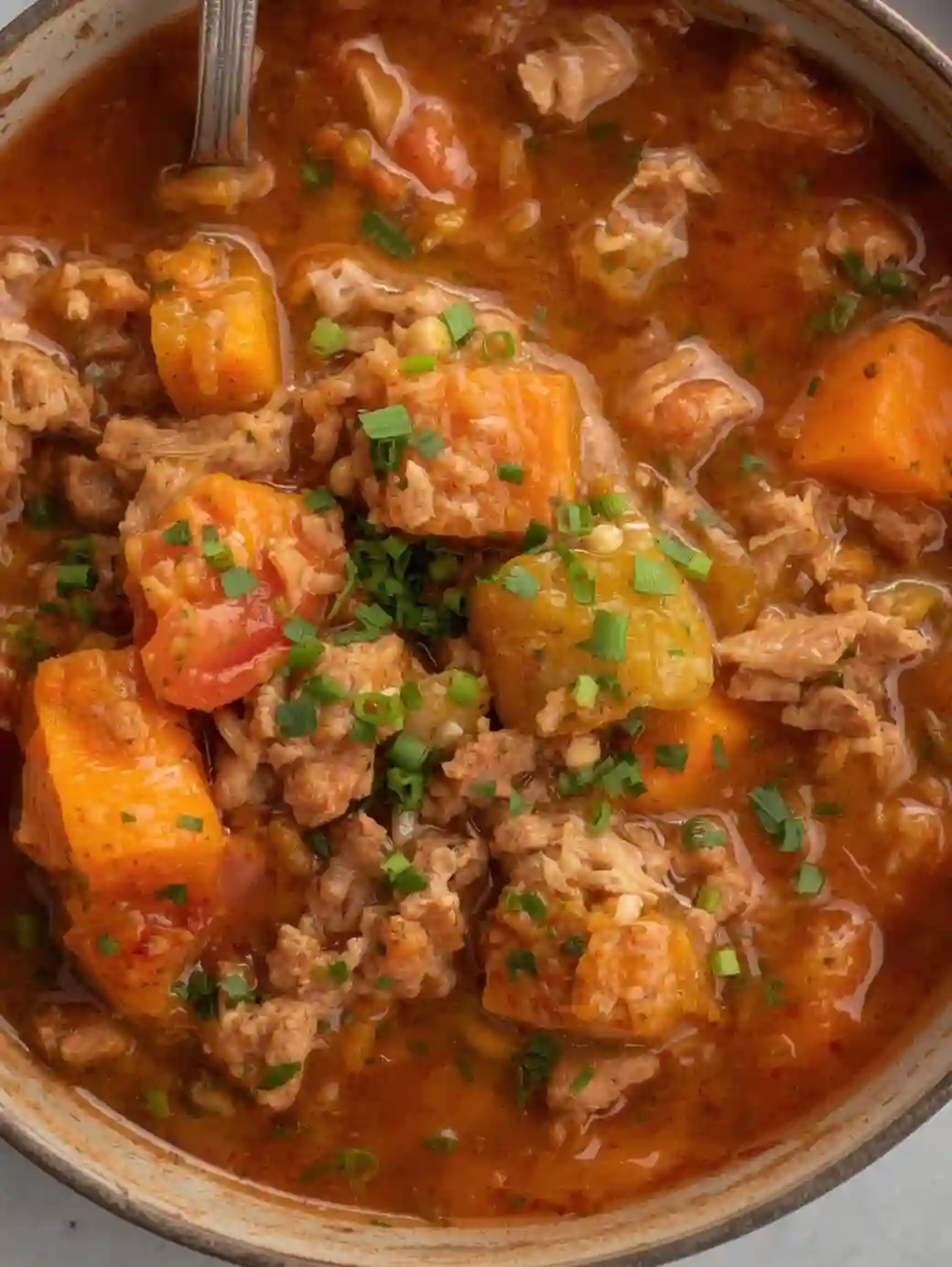
Turkey & Sweet Potato Chili:
A lighter, slightly sweet take on chili using lean ground turkey.
If you love chili but want something a bit lighter than the traditional beef version, this turkey and sweet potato chili is the answer. Using lean ground turkey significantly lowers the saturated fat content while keeping the protein count high. The addition of cubed sweet potatoes adds bulk, fiber, and a subtle earthiness that balances the heat of chili powder and cumin.
This dish is a nutritional powerhouse, packed with Vitamin A from the potatoes and lean protein from the turkey and beans. It thickens up beautifully as the potatoes break down slightly during cooking. Top it with Greek yogurt instead of sour cream for an extra protein boost and a sprinkle of pumpkin seeds for crunch. It’s spicy, sweet, savory, and incredibly filling—everything you want in a winter bowl.
White Bean & Chicken Soup
A creamy soup (using blended beans) with kale and shredded chicken.
Creamy soups are a winter staple, but they often rely on heavy cream or flour roux for texture. This recipe uses a smart hack: blending a portion of the white beans (cannellini or Great Northern) to create a naturally creamy, thick base without the dairy. This not only boosts the fiber content but also adds a sneaky serving of plant-based protein.
Combine this creamy base with shredded rotisserie chicken and hearty kale leaves for a soup that eats like a meal. The kale holds its texture well in the hot broth, providing a nice chewiness. Seasoned with lemon zest and plenty of black pepper, it’s bright and nourishing. It’s particularly good for fighting off winter colds, thanks to the garlic and nutritious greens.
Split Pea Soup with Ham:
The ultimate thick, savory soup using leftover ham bone or hocks.
This is “stick-to-your-ribs” food at its finest. Split pea soup is incredibly dense and satisfying, transforming dried peas into a thick, savory puree through long, slow cooking. It’s an inexpensive meal that stretches a grocery budget while providing massive amounts of plant-based protein and fiber from the peas alone.
Adding a leftover ham bone or smoked ham hocks during the simmer infuses the soup with a deep, smoky, salty flavor that you just can’t get from stock alone. Dicing up extra ham to stir in at the end ensures every spoonful has a meaty bite. It’s rustic, humble cooking that delivers high nutrition. Serve with a slice of crusty whole-grain bread for dipping, and you have a complete meal that will keep you full for hours.
Sausage & Lentil Soup:
French green lentils simmered with spicy Italian sausage.
Lentils are an unsung hero of the high-protein pantry. French green lentils (Puy lentils) are particularly good for soups because they hold their shape and have a delightful peppery flavor. When simmered with spicy Italian sausage, they absorb the rendered fat and spices, creating a broth that is incredibly flavorful and robust.
This soup comes together quickly, making it a great option for weeknights. The combination of pork sausage and lentils provides a double hit of protein. You can add carrots, celery, and spinach to bulk up the veggie content. It freezes exceptionally well, so making a double batch is always a good idea. It’s hearty, warming, and deeply savory—a perfect antidote to a gray winter day.
The Skillets & Pastas
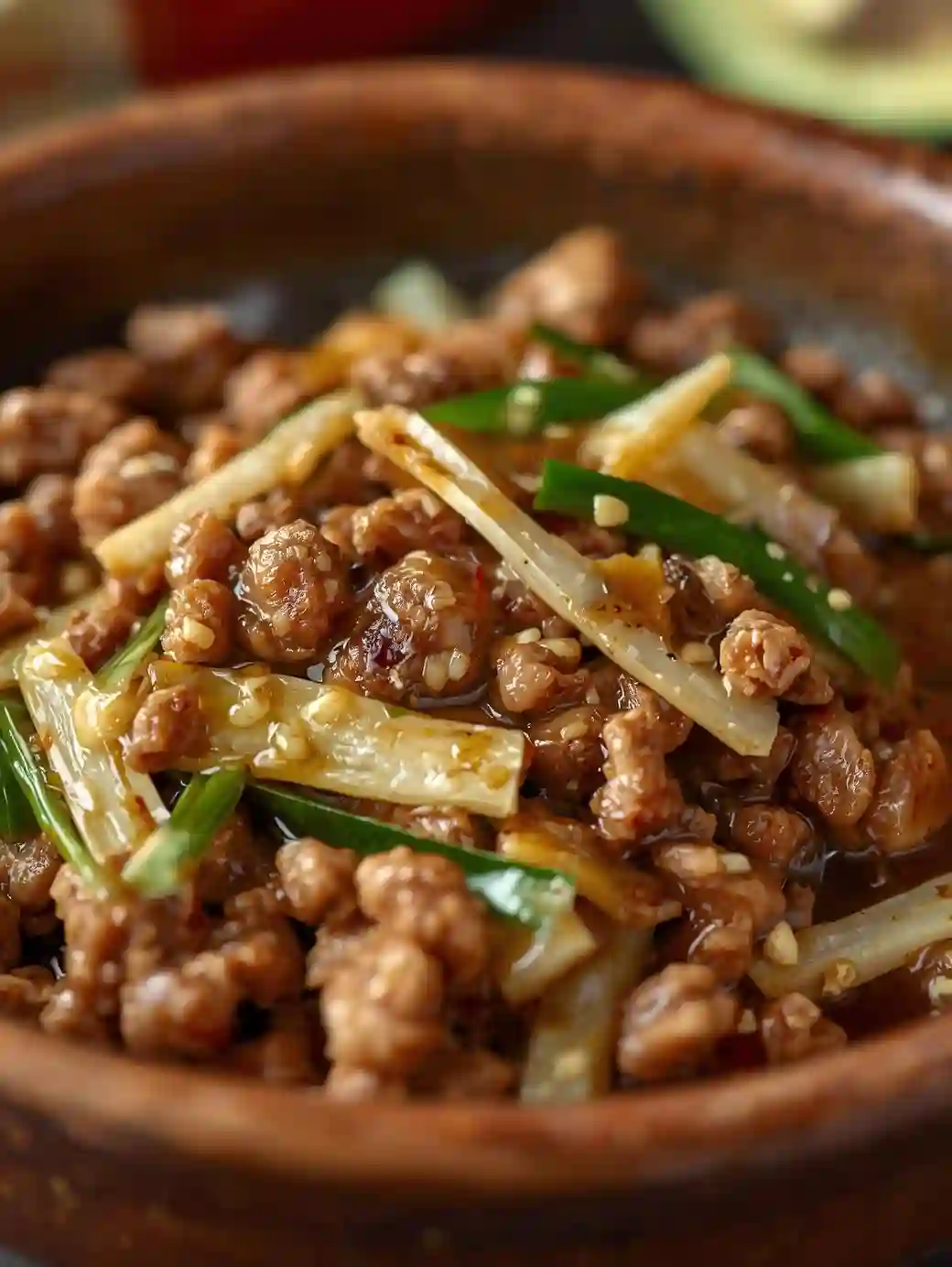
Egg Roll in a Bowl:
Ground pork or turkey stir-fried with cabbage, ginger, and sesame oil.
Deconstructed classics are a fun way to get great flavor without the extra carbs or deep-frying mess. “Egg Roll in a Bowl” is essentially a crack slaw stir-fry using ground pork or turkey, shredded cabbage, carrots, ginger, garlic, and sesame oil. It tastes exactly like the inside of an egg roll but delivers a massive serving of protein and vegetables.
This is a one-skillet meal that cooks in under 15 minutes. The cabbage wilts down but retains a nice crunch, while the ginger and sesame oil provide that crave-able takeout flavor. You can top it with sriracha mayo and green onions for extra flair. It’s low-carb, keto-friendly, and high-protein, proving that healthy winter meals don’t have to be heavy stews or bland chicken breasts.
Beef Stroganoff:
Tender beef strips in a creamy mushroom and sour cream sauce over egg noodles.
Beef Stroganoff is the definition of comfort food. Tender strips of sirloin or flank steak are quickly seared and then smothered in a rich, tangy sauce made from mushrooms, onions, beef broth, and sour cream. While often considered an indulgence, you can easily make this a high-protein staple by increasing the ratio of beef and mushrooms to noodles.
Using Greek yogurt mixed with a little cream instead of pure sour cream can boost the protein stats even further without sacrificing that signature tang. Served over egg noodles or even cauliflower mash for a lighter version, it’s creamy, savory, and incredibly satisfying. The key is to sear the beef quickly so it stays tender, adding it back to the sauce only at the very end to warm through.
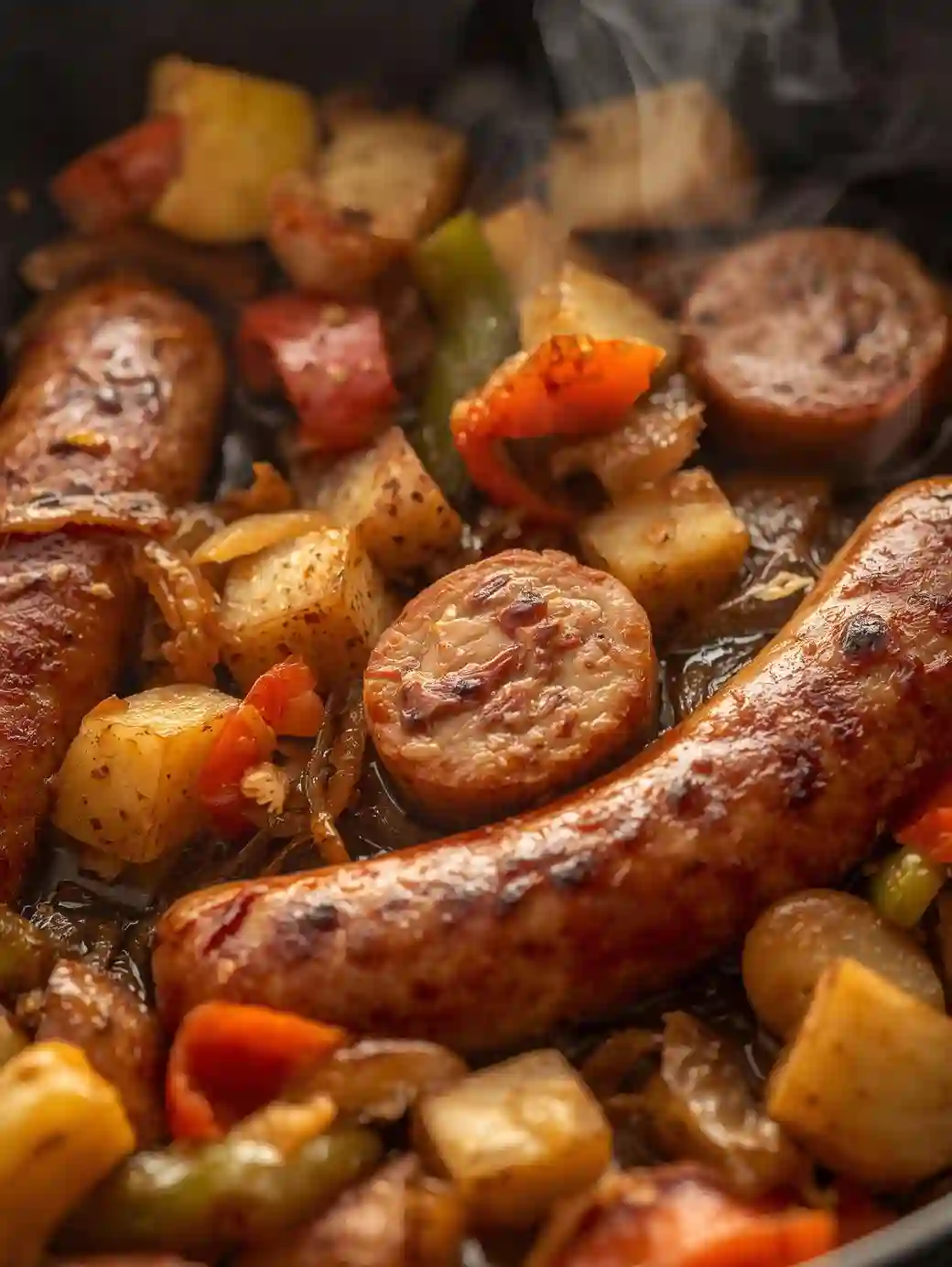
Chicken Sausage Skillet:
Sliced apple-chicken sausage fried with peppers, onions, and potatoes.
Sometimes the best meals are the ones thrown together with pantry staples. A chicken sausage skillet fits this bill perfectly. Pre-cooked chicken sausages (apple or spicy Italian varieties work well) are sliced and fried up with bell peppers, onions, and diced potatoes. It’s a hash-style meal that works for breakfast, lunch, or dinner.
Chicken sausage is generally leaner than pork but still packed with flavor. The potatoes provide the necessary carbohydrates to refuel glycogen stores, while the peppers add sweetness and Vitamin C. You can elevate the protein content even further by cracking a few eggs over the top and letting them steam until set. It’s colorful, flavorful, and requires just one pan to wash—a winter weeknight victory.
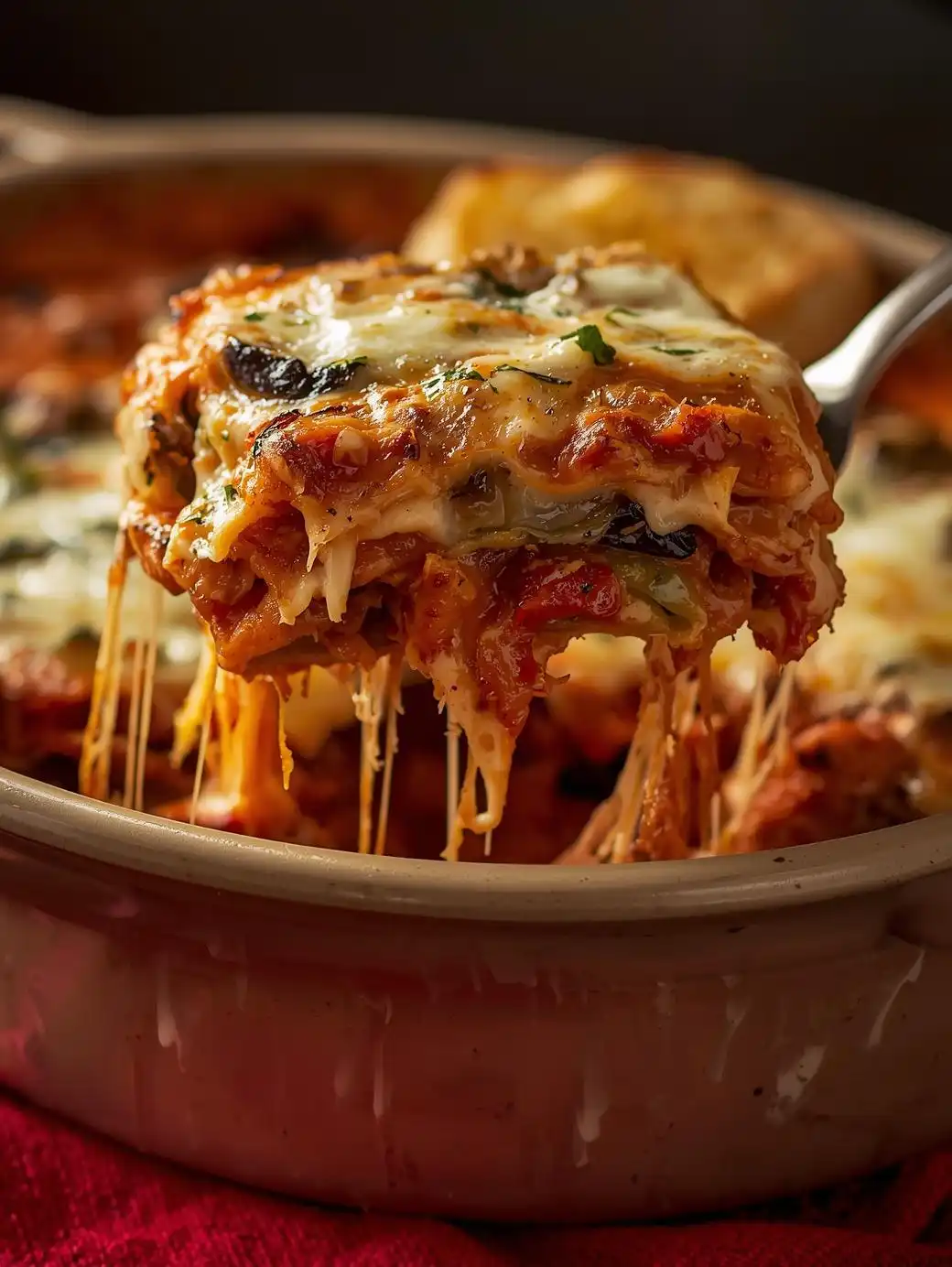
High-Protein Lasagna:
Using cottage cheese blended into the ricotta and lean beef sauce.
Lasagna is a family favorite, but traditional recipes can be heavy on carbs and fat while falling short on protein. This version flips the script by using a sauce packed with lean ground beef (or bison) and a cheese filling that incorporates blended cottage cheese into the ricotta. Cottage cheese melts beautifully and adds a massive protein boost that goes completely undetected.
Layer this with whole wheat or lentil-based lasagna noodles and plenty of spinach for a nutrient-dense meal. It’s cheesy, saucy, and bubbly—everything a winter casserole should be. It’s also one of the best meals for meal prepping, as lasagna slices hold their shape well and reheat perfectly. You get the comfort of pasta night with a nutritional profile that supports your fitness goals.
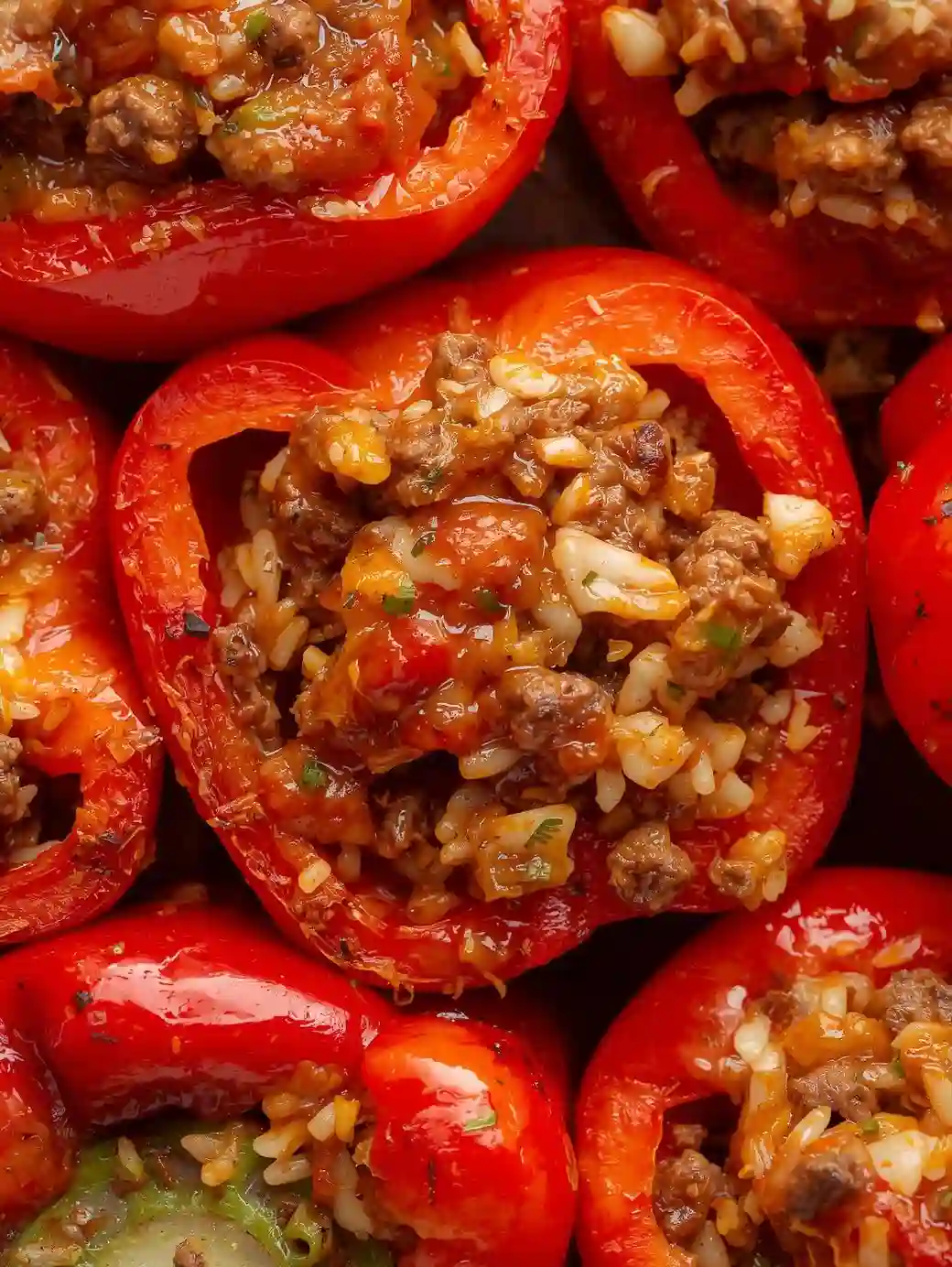
Ground Beef Stuffed Peppers:
Bell peppers filled with savory beef, rice, and tomato sauce.
Stuffed peppers are a fantastic way to control portions while enjoying a hearty meal. Large bell peppers serve as colorful edible bowls filled with a savory mixture of ground beef, rice (or cauliflower rice), tomatoes, onions, and spices. Baking them softens the peppers, allowing their sweetness to meld with the savory filling.
This dish is easily customizable to hit your macro goals; increase the meat ratio for more protein or swap the rice for quinoa for a different texture. Topped with melted cheese, they feel indulgent but are actually quite balanced. They are visually appealing and fun to eat, breaking up the monotony of standard “meat and sides” dinners. Plus, the contained nature of the dish makes them easy to pack for high-protein lunches at work.
The Bowls & Curries
Chickpea & Spinach Curry:
A vegetarian protein bomb with coconut milk and garam masala.
Vegetarian meals can absolutely be high-protein if you choose the right ingredients. Chickpeas (garbanzo beans) are the star here, offering a hearty texture and plenty of plant-based protein and fiber. Simmered in a sauce of coconut milk, tomatoes, garlic, ginger, and garam masala, they become tender and incredibly flavorful.
Adding a mountain of fresh spinach at the very end wilts the greens into the sauce, adding iron and vitamins without overpowering the curry. This dish is warming in a thermal sense—the spices boost circulation and metabolism. Serve it over quinoa or with a dollop of Greek yogurt to ensure you’re getting a complete amino acid profile. It’s creamy, spicy, and proves that comfort food doesn’t always require meat.

Korean Beef Bowls:
Ground beef caramelized with brown sugar, soy, and garlic served over rice.
If you are craving sweet and savory flavors but want to avoid takeout sodium bombs, Korean Beef Bowls are the answer. Lean ground beef is browned and then glazed with a mixture of soy sauce (or tamari), brown sugar, garlic, ginger, and sesame oil. The sugar caramelizes the beef, creating crispy, sticky bits that are addictive.
Serve this over steamed white rice with quick-pickled cucumbers and kimchi on the side. The kimchi adds a probiotic boost and a spicy crunch that cuts through the sweetness of the beef. It’s a high-protein meal that comes together in the time it takes to cook the rice. Top with sesame seeds and green onions for a bowl that looks as good as it tastes.
Chicken Tikka Masala:
Marinated chicken chunks in a warming, spicy, creamy orange sauce.
There is a reason Chicken Tikka Masala is one of the most popular curries in the world. It features chunks of chicken marinated in yogurt and spices (which tenderizes the protein), roasted or grilled, and then finished in a creamy, orange-hued tomato sauce. The warming spices—cumin, coriander, turmeric, and paprika—are perfect for cold winter nights.
To keep it high-protein and healthier, use chicken breast and swap heavy cream for coconut milk or blended cashews. The yogurt marinade adds protein and keeps the chicken moist even under high heat. Serve this over basmati rice or with naan bread to scoop up every drop of sauce. It’s an aromatic, deeply satisfying meal that brings restaurant-quality flavor into your home kitchen.
Featured Recipes
Classic Beef & Barley Stew
Ingredients: 2 lbs beef chuck (cubed), 4 cups beef broth, 1 cup pearl barley, 3 carrots (sliced), 2 celery stalks, 1 onion, 1 tbsp thyme.
Instructions: Brown the beef in a large pot. Remove beef, sauté onions/carrots/celery. Add beef back in with broth, barley, and thyme. Bring to a boil, reduce to low, cover, and simmer for 1.5 to 2 hours until beef is tender and barley is soft.
Turkey & Sweet Potato Chili
Ingredients: 1 lb ground turkey, 2 large sweet potatoes (cubed), 1 can black beans (rinsed), 1 can diced tomatoes, 1 cup chicken broth, 2 tbsp chili powder, 1 tsp cumin.
Instructions: Cook turkey in a large pot until browned. Add sweet potatoes, spices, tomatoes, beans, and broth. Simmer uncovered for 30–40 minutes until potatoes are soft and chili has thickened. Serve with sour cream.
Egg Roll in a Bowl (Crack Slaw)
Ingredients: 1 lb ground pork (or turkey), 1 bag coleslaw mix (shredded cabbage/carrots), 1 tbsp ginger (minced), 3 cloves garlic, 1/4 cup soy sauce, 1 tbsp sesame oil, sriracha to taste.
Instructions: Brown the meat in a skillet. Add garlic and ginger, cook for 1 minute. Add the coleslaw mix and soy sauce. Sauté for 5–7 minutes until cabbage is wilted but still has a slight crunch. Drizzle with sesame oil and sriracha before serving.
Sheet Pan Lemon Herb Salmon
Ingredients: 4 salmon fillets, 1 lb Brussels sprouts (halved), 2 tbsp olive oil, 1 lemon (sliced), 1 tbsp dried dill or fresh parsley, salt/pepper.
Instructions: Preheat oven to 400°F (200°C). Place salmon on one side of the pan and Brussels sprouts on the other. Drizzle everything with oil, salt, pepper, and herbs. Place lemon slices on top of salmon. Roast for 12–15 minutes until salmon flakes easily and sprouts are crispy.
Conclusion: Strength in the Cold
Winter cooking is often viewed as “heavy,” but it doesn’t have to be lethargic. By focusing on protein, you change the narrative of winter eating from hibernation to strength. These 21 meals are designed to fuel your body, keep your internal furnace burning, and provide the deep, savory satisfaction that only a hot meal on a cold night can bring.