
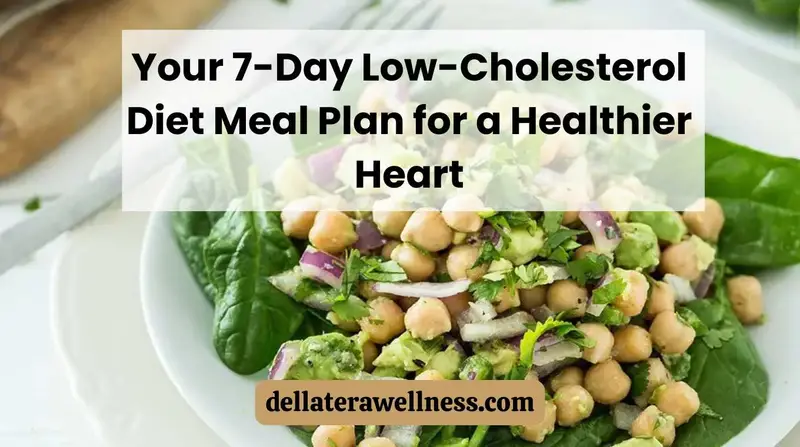
Managing cholesterol levels is a critical aspect of leading a healthier life and reducing the risk of heart disease. For many people, small dietary changes can make a big difference. A low-cholesterol diet doesn’t just improve heart health; it can also boost your overall well-being, energy levels, and even your longevity.
This guide offers a carefully curated 7-day meal plan packed with heart-healthy foods, insights about cholesterol, and practical tips to help you stay on track.
Understanding Cholesterol Levels and Why They Matter
To kick-start your heart-healthy eating plan, it’s essential to understand cholesterol and its role in your body.
- LDL (Low-Density Lipoprotein): Known as “bad” cholesterol, high levels of LDL can lead to plaque buildup in arteries, increasing the risk of heart disease and stroke.
- HDL (High-Density Lipoprotein): Often called “good” cholesterol, HDL helps remove LDL from your bloodstream, reducing health risks.
Balancing LDL and HDL levels through diet is a proactive way to support your cardiovascular health.
Low-Cholesterol Eating: Foods to Enjoy and Avoid
Foods to Enjoy for Lower Cholesterol Levels
A low-cholesterol diet includes plenty of heart-healthy foods that can help reduce LDL levels and promote overall well-being. Incorporate the following into your meals:
- Fruits and Vegetables: Packed with fiber, vitamins, and antioxidants, fruits and vegetables like apples, oranges, spinach, and broccoli are excellent choices to improve cholesterol levels. Aim for at least five servings a day.
- Whole Grains: Oats, barley, quinoa, and whole-grain bread are rich in soluble fiber, which binds to cholesterol in the digestive tract, reducing its absorption.
- Healthy Fats: Replace saturated fats with unsaturated fats from sources like avocados, nuts, seeds, and olive oil. These fats help increase HDL cholesterol and reduce LDL cholesterol.
- Lean Proteins: Opt for fish, especially fatty fish like salmon and mackerel, which are high in omega-3 fatty acids that support heart health. Plant-based proteins, such as beans, lentils, and tofu, are also great alternatives.
Foods to Avoid for Lower Cholesterol Levels
Avoiding certain foods is just as important when managing cholesterol levels. Limit the following:
- Trans Fats: Found in processed snacks, baked goods, and fried foods, trans fats significantly raise LDL cholesterol and lower HDL cholesterol.
- Saturated Fats: Red meat, full-fat dairy products, and butter are major sources of saturated fats, which can increase LDL cholesterol. Opt for lean alternatives instead.
- Refined Carbohydrates: Foods like white bread, pastries, and sugary cereals can spike blood sugar and potentially lead to higher triglyceride levels, impacting your overall cholesterol balance.
- High-Cholesterol Foods: While some high-cholesterol foods like eggs have minimal impact on most individuals, limit consumption of organ meats and shellfish if advised by your healthcare provider.
Balancing your diet with these beneficial foods while limiting unhealthy choices can set the foundation for healthier cholesterol levels and support long-term cardiovascular health.
Your 7-Day Low-Cholesterol Meal Plan
Day 1: Kickstart with Heart-Healthy Choices
Begin your cholesterol-lowering journey with foods scientifically proven to support heart health. Day one focuses on establishing a foundation of fiber-rich and omega-3 packed meals.
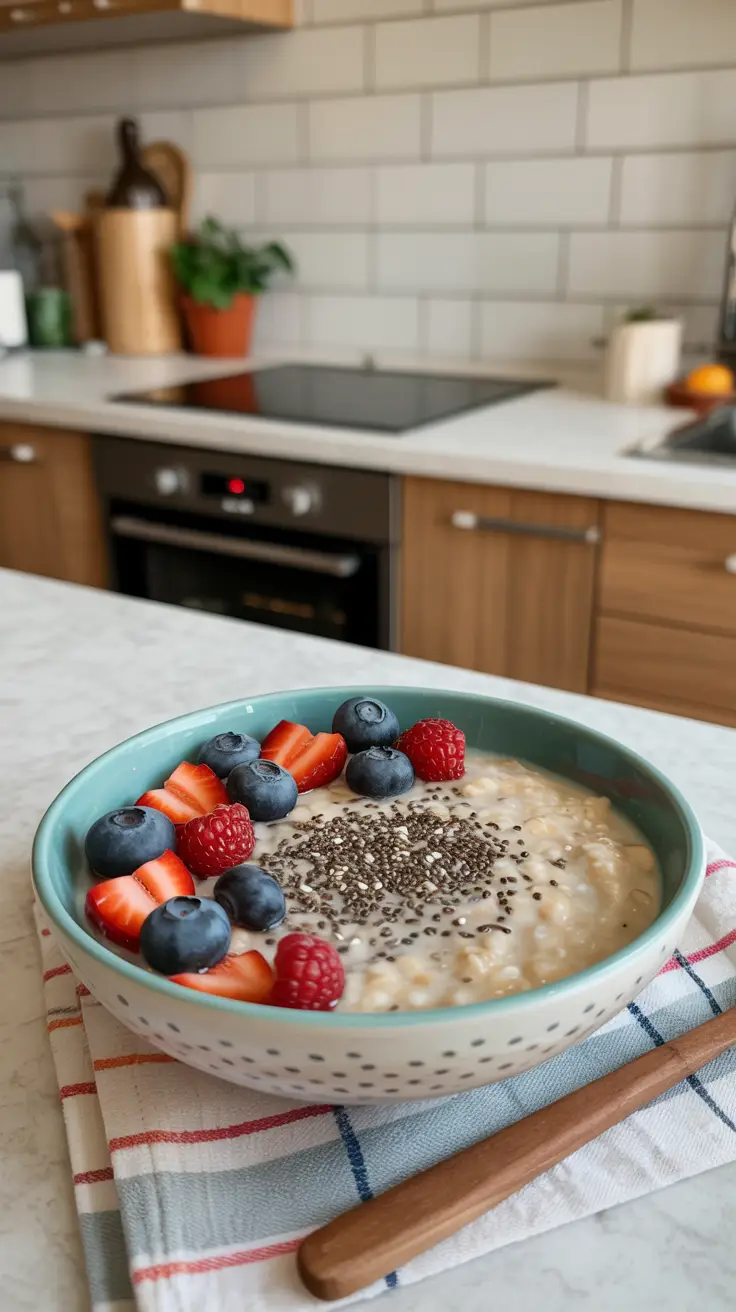
Start your morning with a bowl of oatmeal topped with fresh berries and a sprinkle of chia seeds. Oats contain beta-glucan, a type of soluble fiber that forms a gel-like substance in your digestive system, binding to cholesterol and helping remove it from your body. Berries add antioxidants and natural sweetness, while chia seeds provide omega-3 fatty acids and additional fiber. This breakfast combination can help reduce LDL cholesterol by up to 5% when consumed regularly.
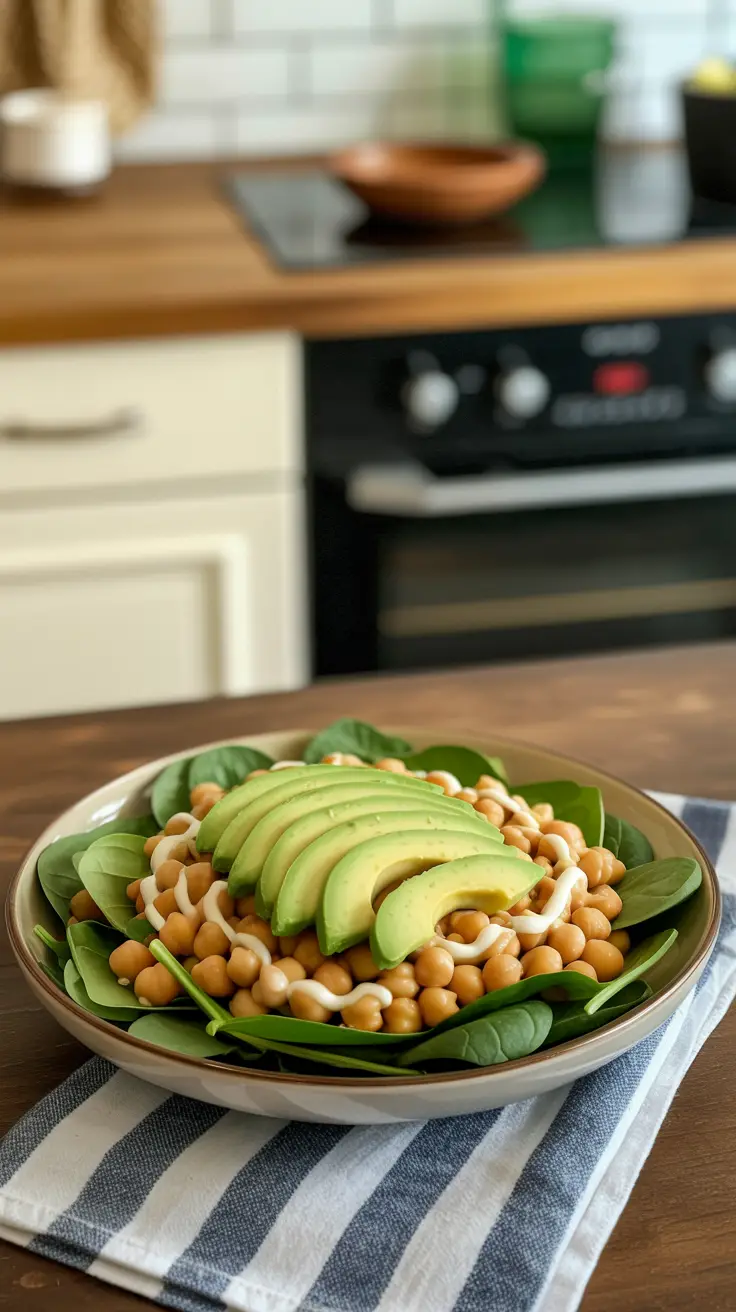
For lunch, enjoy a vibrant spinach salad topped with chickpeas, avocado slices, and a fresh lemon vinaigrette. Spinach provides folate and potassium, essential nutrients for heart health. Chickpeas are an excellent source of soluble fiber and plant-based protein, helping to lower cholesterol while keeping you satisfied. Avocados contribute monounsaturated fats that can help improve your cholesterol profile by reducing LDL while maintaining beneficial HDL levels.
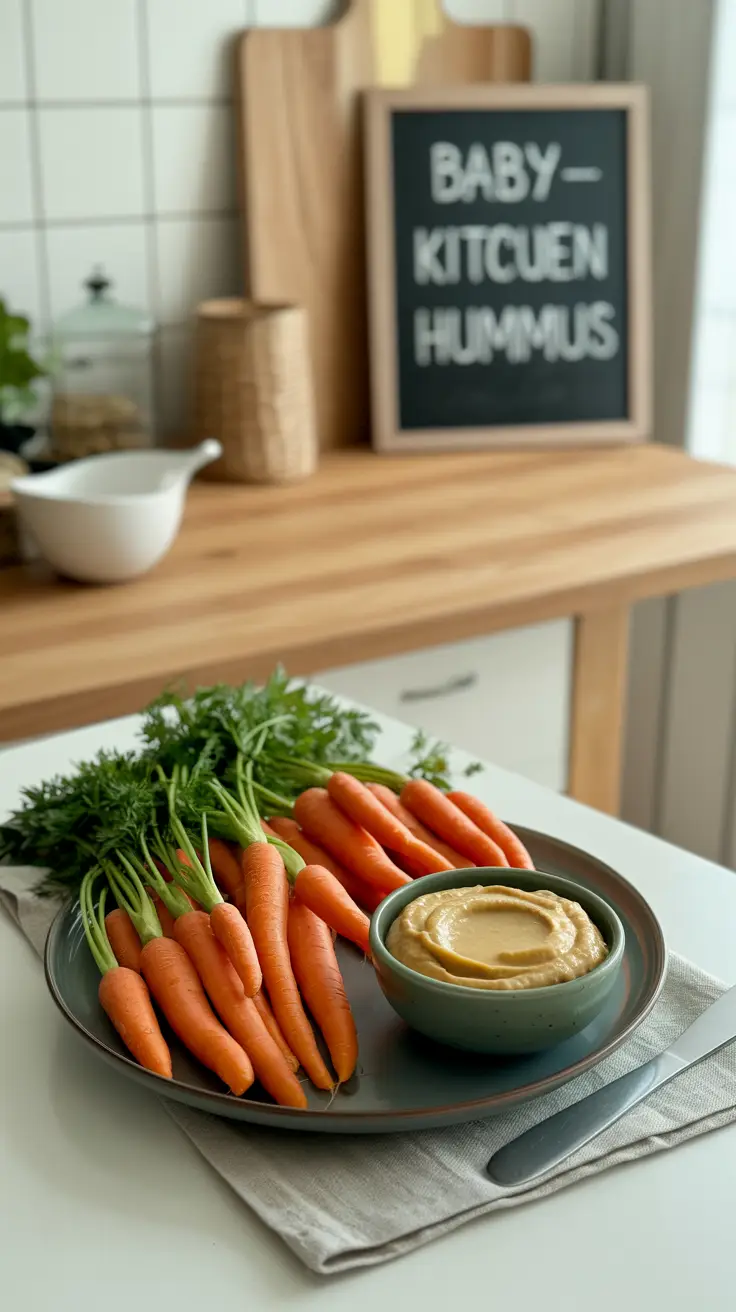
Your afternoon snack of baby carrots and unsalted hummus provides a satisfying crunch while delivering fiber and plant protein. Hummus, made from chickpeas and tahini, offers heart-healthy fats and helps stabilize blood sugar levels throughout the day.
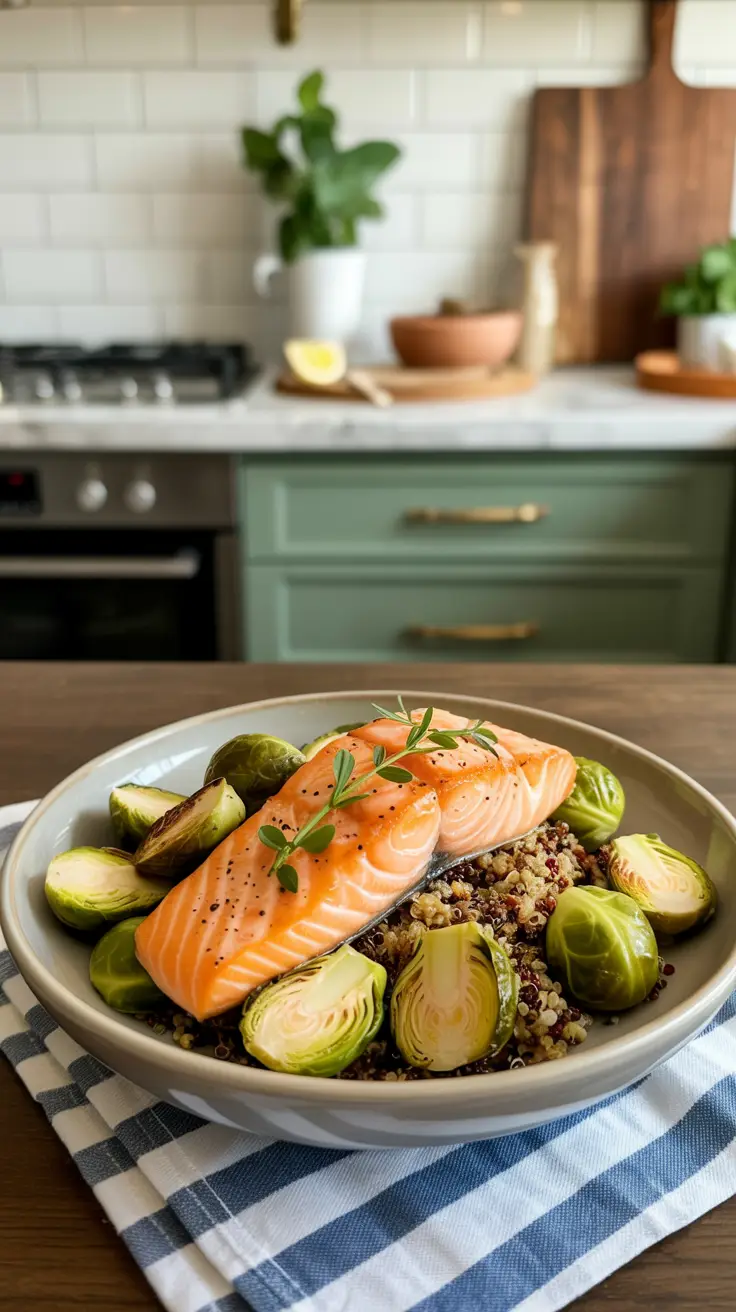
End day one with broiled salmon served alongside quinoa and roasted Brussels sprouts. Salmon is rich in omega-3 fatty acids, which can help reduce inflammation and triglyceride levels. Quinoa provides complete protein and fiber, while Brussels sprouts offer glucosinolates and vitamin K, supporting overall cardiovascular function.
Day 1: Kickstart with Heart-Healthy Choices
- Breakfast: A bowl of oatmeal with fresh berries and a sprinkle of chia seeds.
- Lunch: A spinach salad topped with chickpeas, avocado slices, and a lemon vinaigrette.
- Snack: Baby carrots and unsalted hummus.
- Dinner: Broiled salmon with quinoa and roasted Brussels sprouts.
Day 2: Power Up with Plant-Based Proteins
Day two emphasizes the power of plant-based proteins in managing cholesterol levels. These protein sources are naturally cholesterol-free and often high in fiber, making them excellent choices for heart health.
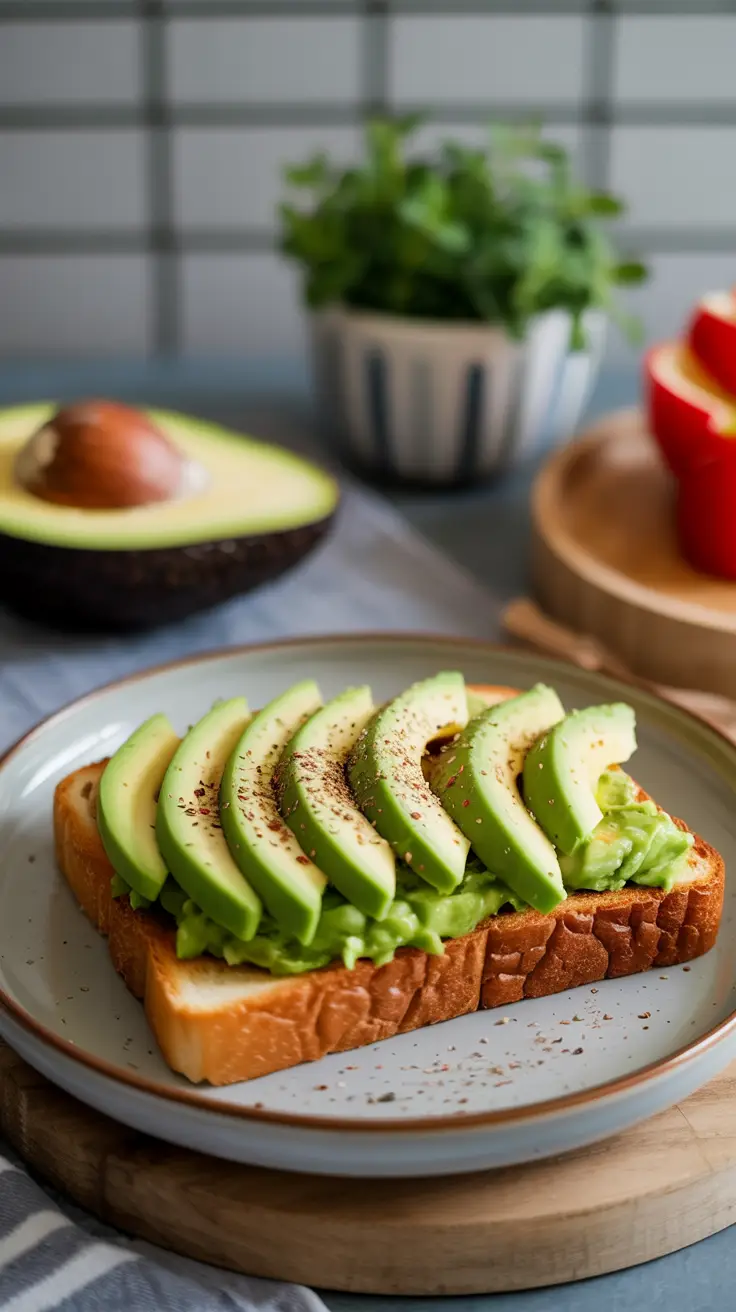
Begin with whole grain toast topped with mashed avocado and a dash of black pepper. Whole grains provide B vitamins and fiber that help regulate cholesterol synthesis in the liver. The healthy fats in avocado help your body absorb fat-soluble vitamins while providing satiety that lasts throughout the morning.
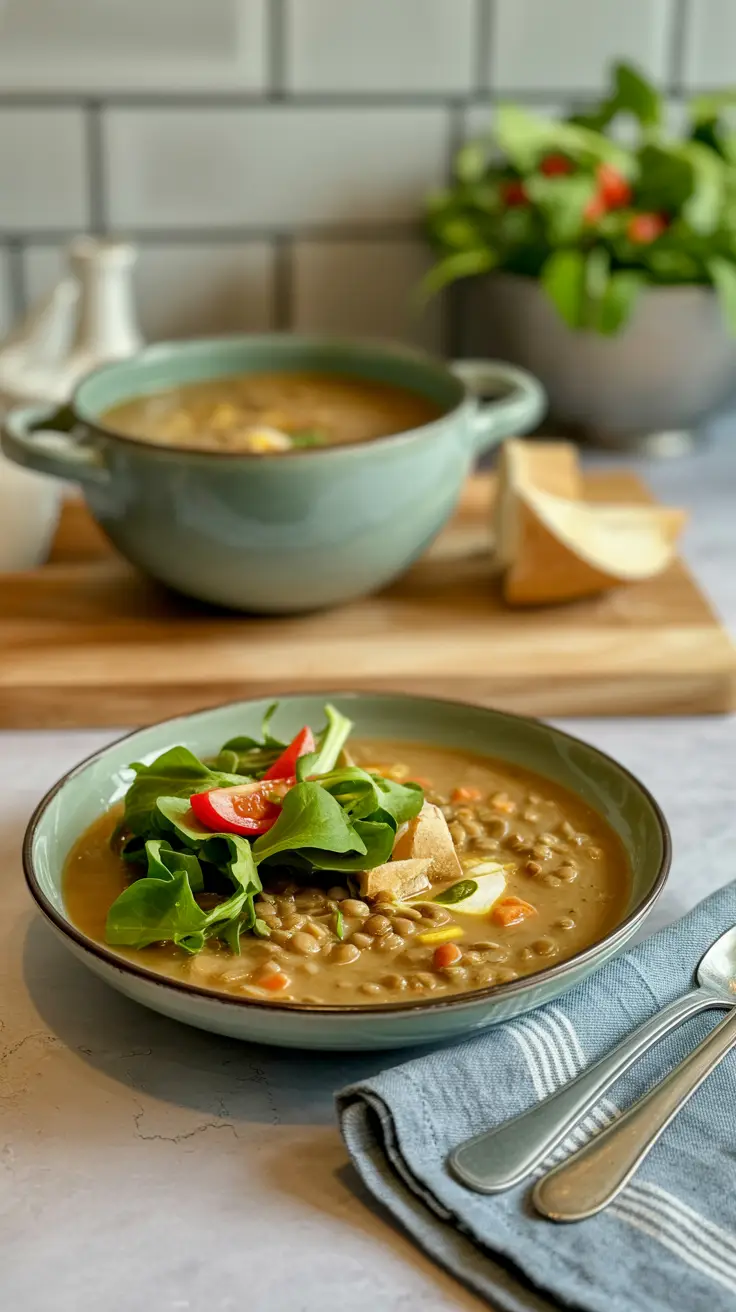
Lunch features a warming bowl of lentil soup paired with mixed greens. Lentils are nutritional powerhouses, containing both soluble and insoluble fiber along with plant-based protein. Studies show that consuming legumes like lentils four times per week can reduce heart disease risk by 22%. The mixed greens add vitamins A, C, and K while providing additional fiber and antioxidants.
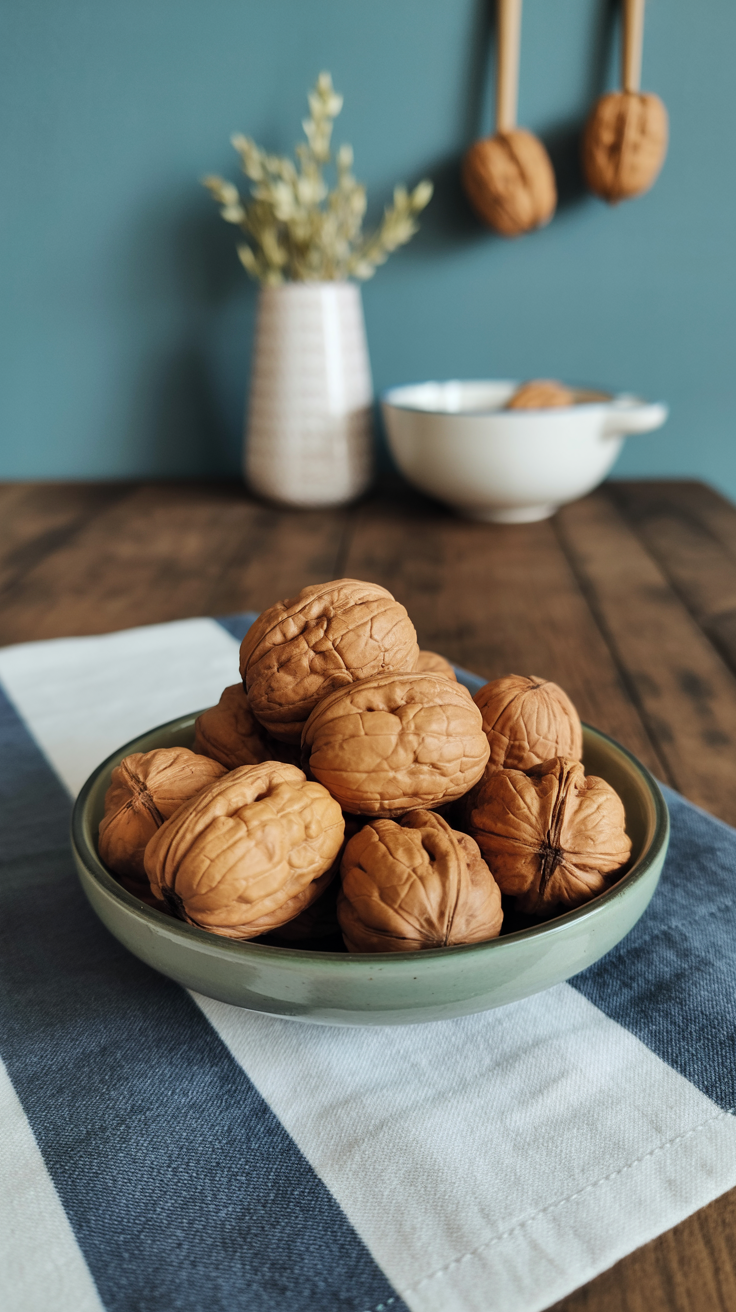
Your midday snack consists of a small handful of walnuts or almonds. These nuts contain healthy monounsaturated and polyunsaturated fats that can help lower LDL cholesterol. Walnuts are particularly rich in alpha-linolenic acid (ALA), a plant-based omega-3 fatty acid that supports heart health.
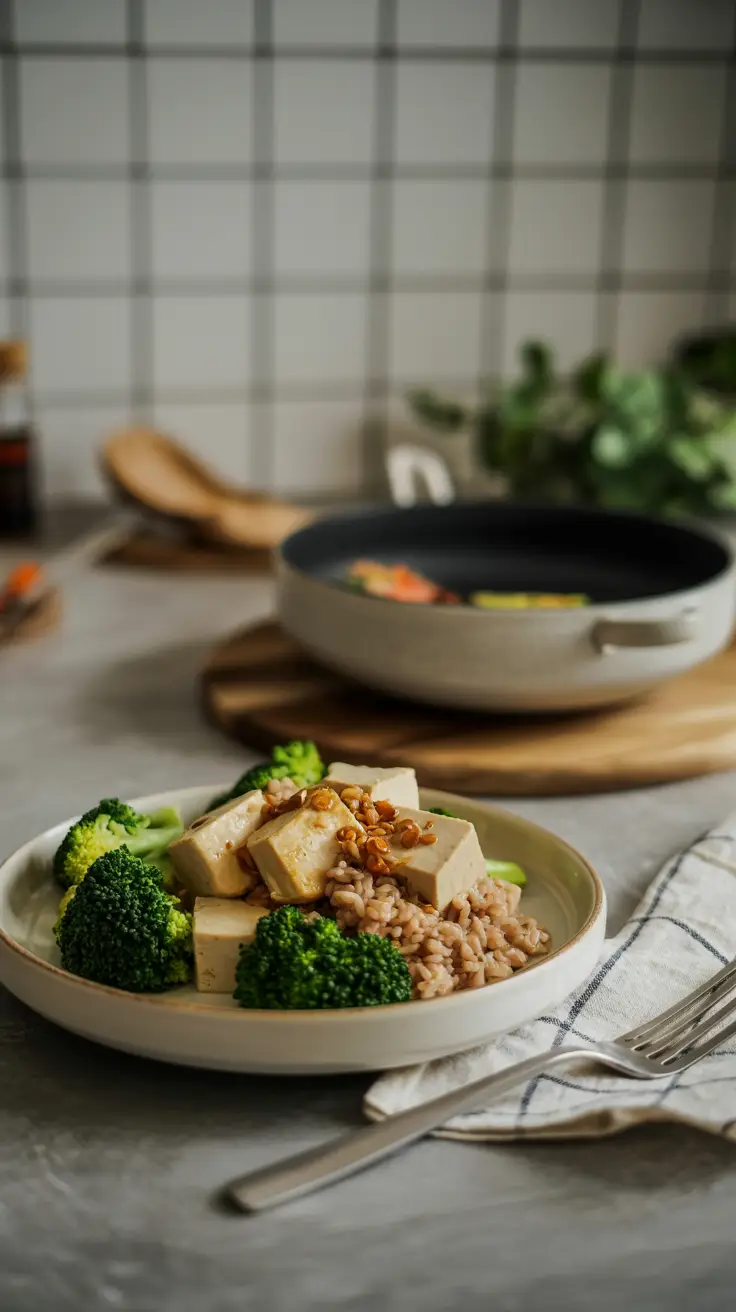
Dinner showcases stir-fried tofu with brown rice and steamed broccoli. Tofu provides complete protein without saturated fat, while brown rice offers complex carbohydrates and fiber. Broccoli is loaded with sulforaphane, a compound that may help reduce inflammation and support healthy cholesterol levels.
Day 2: Power Up with Plant-Based Proteins
- Breakfast: Whole grain toast topped with avocado and a dash of pepper.
- Lunch: Lentil soup with a side of mixed greens.
- Snack: A small handful of walnuts or almonds.
- Dinner: Stir-fried tofu with brown rice and steamed broccoli.
Day 3: Whole Grains and Omega-3s
Day three focuses on incorporating whole grains and omega-3 fatty acids, two key components of a cholesterol-lowering diet. These nutrients work synergistically to support cardiovascular health.
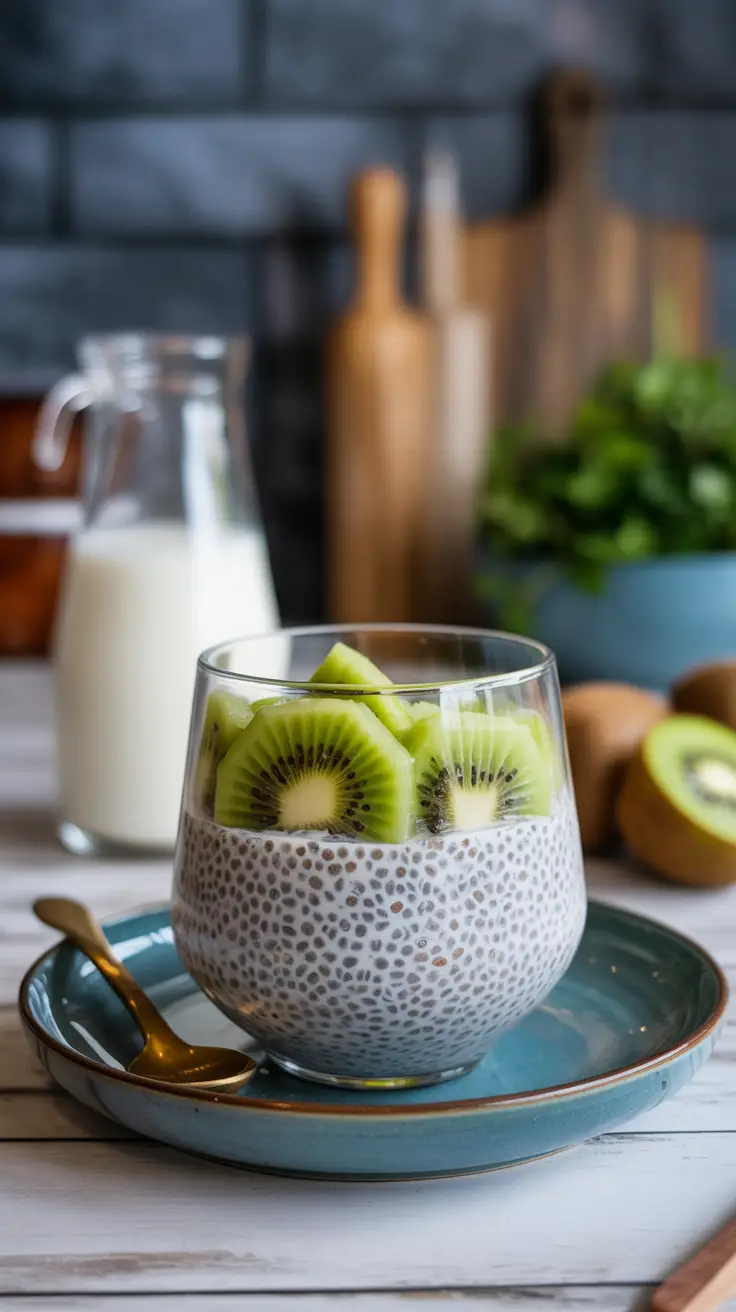
Start with chia seed pudding made with almond milk and topped with fresh kiwi slices. Chia seeds are among the richest plant sources of omega-3 fatty acids and provide an impressive amount of soluble fiber. When soaked in liquid, they form a gel-like consistency that helps slow digestion and promotes feelings of fullness. Kiwi adds vitamin C and fiber while providing natural sweetness.
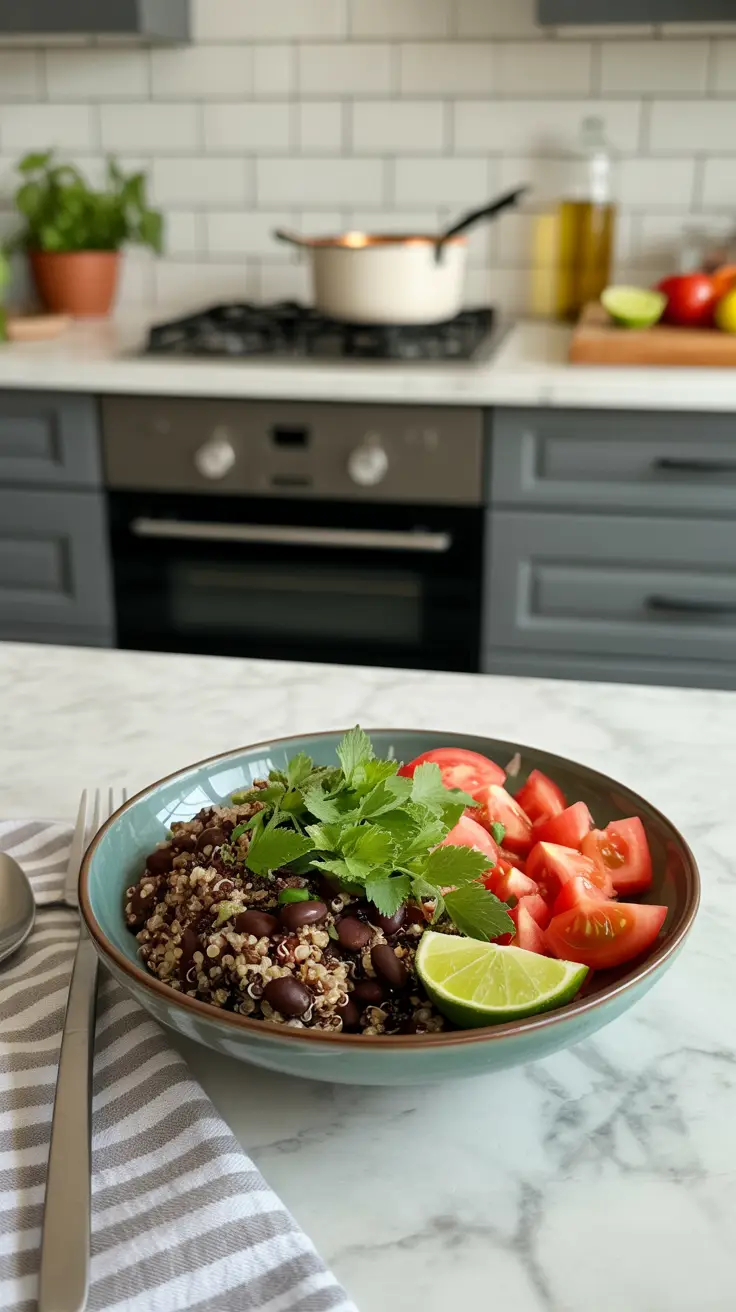
Lunch features a quinoa and black bean bowl with diced tomatoes and fresh lime juice. This combination provides complete protein, complex carbohydrates, and substantial fiber. Black beans contain anthocyanins, antioxidants that may help improve cholesterol levels and reduce inflammation. The lime juice enhances iron absorption from the beans while adding bright flavor.
For your afternoon snack, enjoy sliced apple with a thin spread of natural peanut butter. Apples contain pectin, a type of soluble fiber that helps lower cholesterol. The natural peanut butter provides healthy fats and protein, creating a balanced snack that won’t spike blood sugar levels.
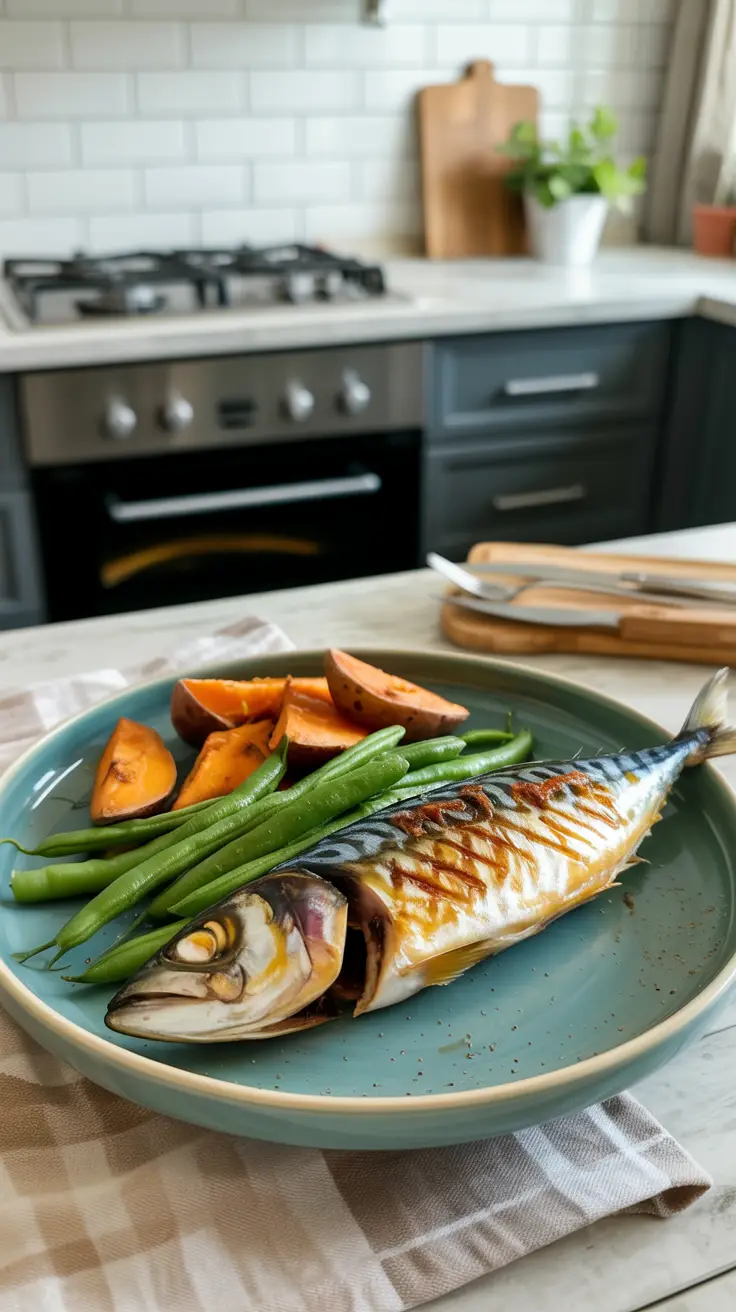
Dinner consists of grilled mackerel with roasted sweet potatoes and green beans. Mackerel is one of the richest sources of omega-3 fatty acids, containing even more than salmon. These healthy fats help reduce triglycerides and may increase HDL cholesterol. Sweet potatoes provide beta-carotene and fiber, while green beans add vitamins and minerals essential for heart health.
Day 3: Whole Grains and Omega-3s
- Breakfast: Chia seed pudding with almond milk and fresh kiwi slices.
- Lunch: Quinoa and black bean bowl with diced tomatoes and lime juice.
- Snack: A sliced apple with a thin spread of natural peanut butter.
- Dinner: Grilled mackerel with a side of roasted sweet potatoes and green beans.
Day 4: Maintain Balance with High-Fiber Meals
High-fiber foods are crucial for cholesterol management as they help bind cholesterol in the digestive system and promote its elimination from the body. Day four emphasizes various fiber sources to maximize this benefit.
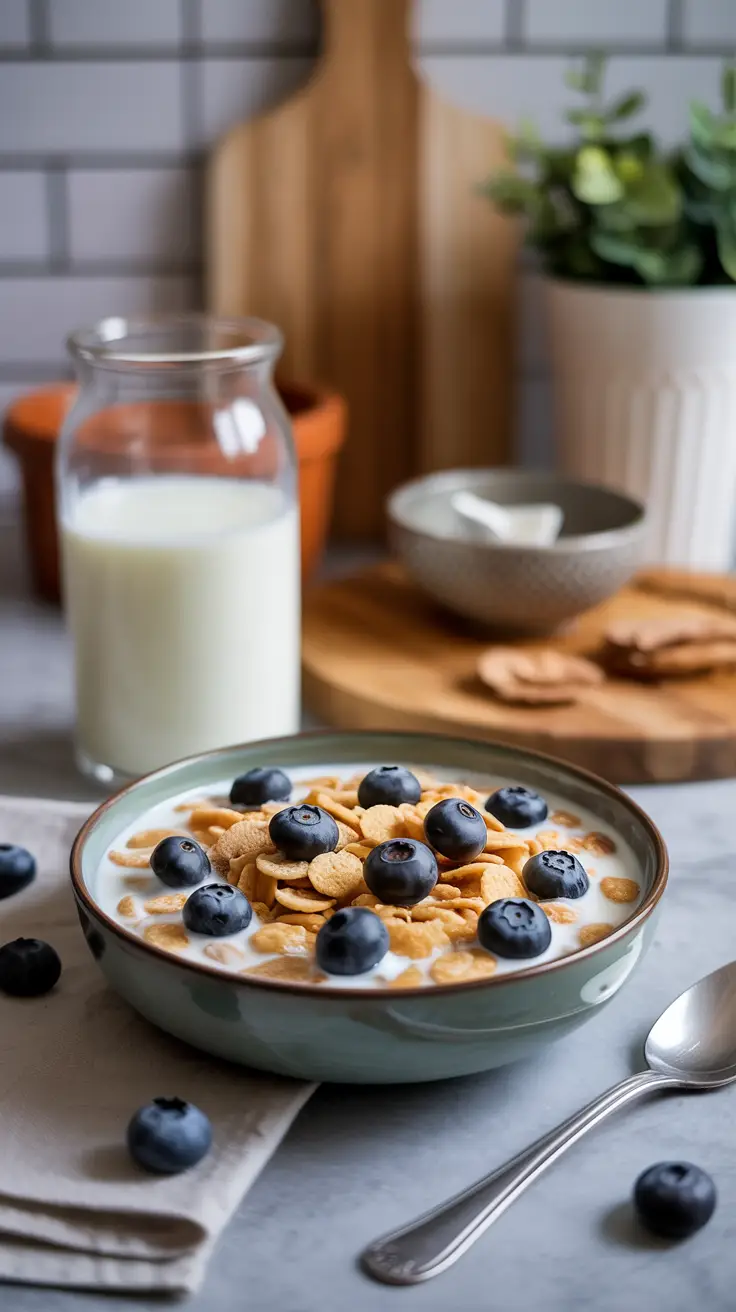
Begin your morning with whole-grain cereal topped with almond milk and fresh blueberries. Choose cereals containing at least 5 grams of fiber per serving to maximize cholesterol-lowering benefits. Blueberries are rich in anthocyanins and antioxidants that support heart health and may help improve cholesterol profiles.
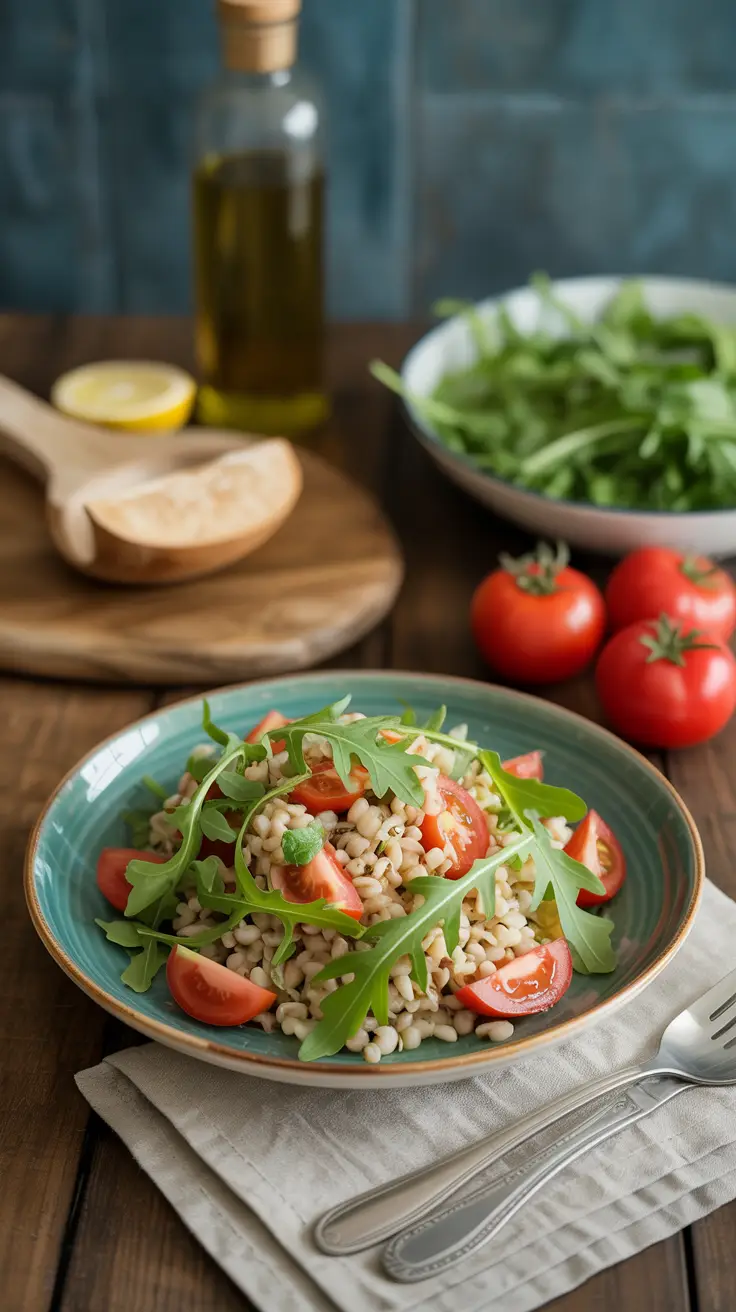
Lunch features a hearty barley salad with arugula, tomatoes, and a drizzle of extra virgin olive oil. Barley contains beta-glucan, the same cholesterol-lowering fiber found in oats. This ancient grain provides sustained energy while helping to reduce LDL cholesterol levels. Arugula adds a peppery flavor along with vitamins and minerals, while tomatoes provide lycopene, an antioxidant that supports cardiovascular health.
Your afternoon snack of celery sticks with almond butter provides satisfying crunch and healthy fats. Celery is naturally low in calories but high in potassium, which helps regulate blood pressure. Almond butter offers monounsaturated fats and vitamin E, both beneficial for heart health.
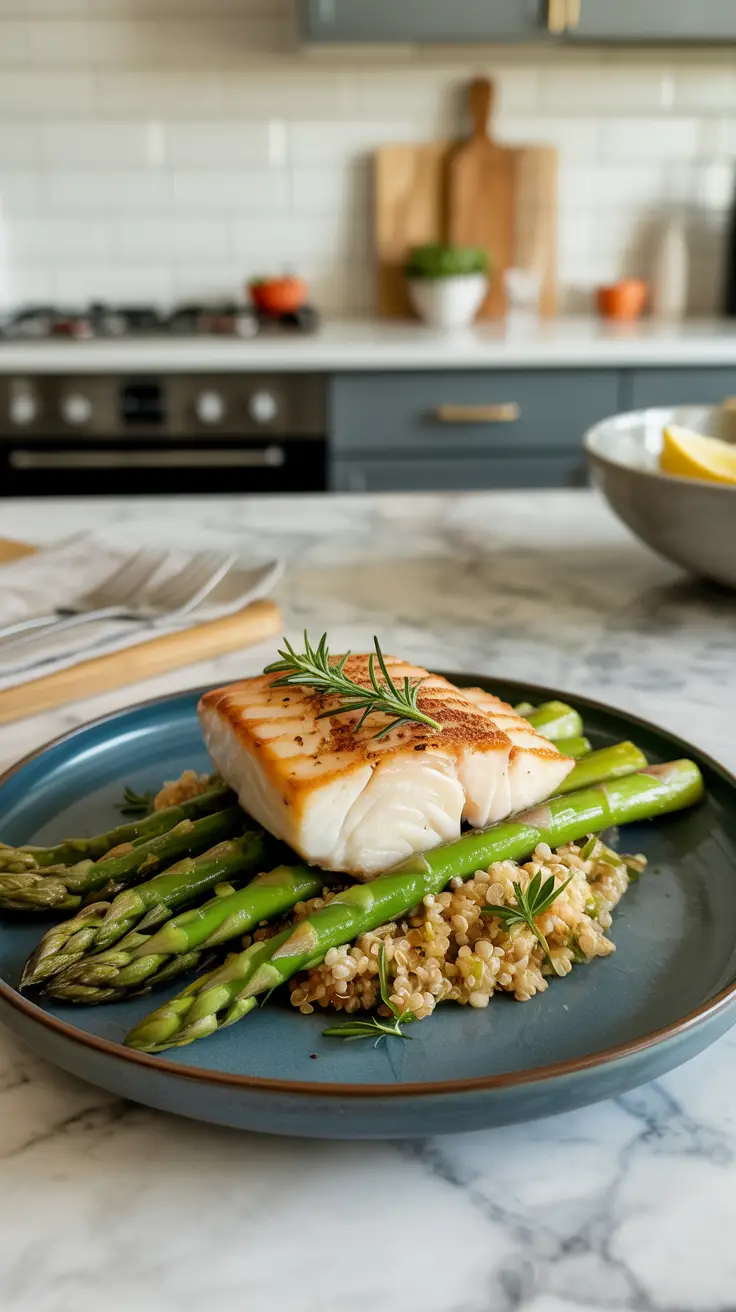
Dinner showcases baked cod with roasted asparagus and quinoa. Cod is a lean fish that provides high-quality protein without saturated fat. Asparagus contains folate and fiber while being naturally low in calories. This combination creates a satisfying meal that supports your cholesterol-lowering goals.
Day 4: Maintain Balance with High-Fiber Meals
- Breakfast: Whole-grain cereal topped with almond milk and blueberries.
- Lunch: Barley salad with arugula, tomatoes, and a drizzle of olive oil.
- Snack: Celery sticks with almond butter.
- Dinner: Baked cod with a side of roasted asparagus and quinoa.
Day 5: Flavorful Yet Low-Cholesterol Options
Day five proves that following a low-cholesterol diet doesn’t mean sacrificing flavor. These meals combine heart-healthy ingredients with bold tastes and satisfying textures.
Start with a green smoothie made from spinach, banana, almond milk, and ground flaxseeds. This nutrient-dense breakfast provides folate, potassium, and omega-3 fatty acids. Flaxseeds contain both soluble and insoluble fiber and are one of the richest plant sources of omega-3s. The banana adds natural sweetness and potassium while the spinach provides iron and vitamins without affecting the taste.
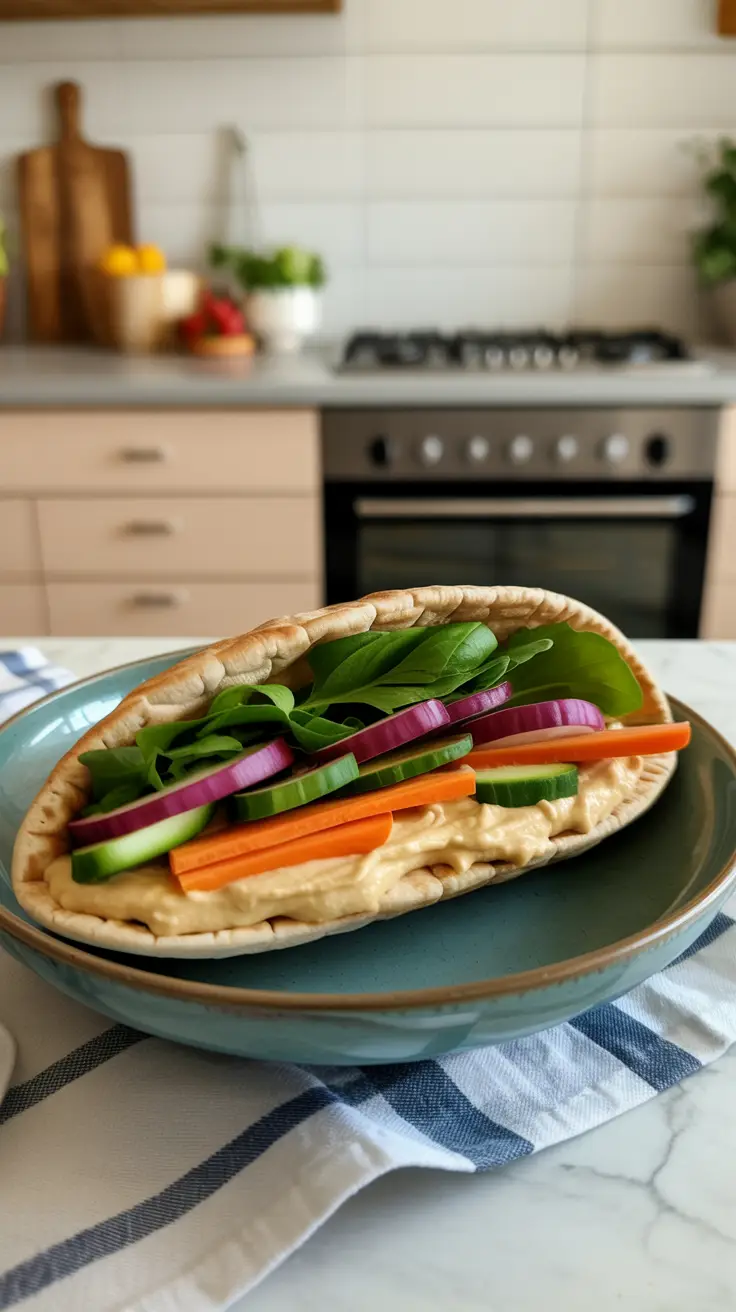
Lunch consists of a whole wheat pita stuffed with hummus and fresh rainbow vegetables. The variety of colorful vegetables ensures you’re getting a wide range of antioxidants and phytonutrients. Bell peppers provide vitamin C, carrots offer beta-carotene, and cucumbers add hydration and crunch. The whole wheat pita provides complex carbohydrates and fiber.
Your afternoon snack features a handful of dried apricots, which provide beta-carotene, potassium, and natural sweetness. Choose unsulfured varieties to avoid unnecessary additives while still enjoying the concentrated nutrients and fiber these fruits provide.
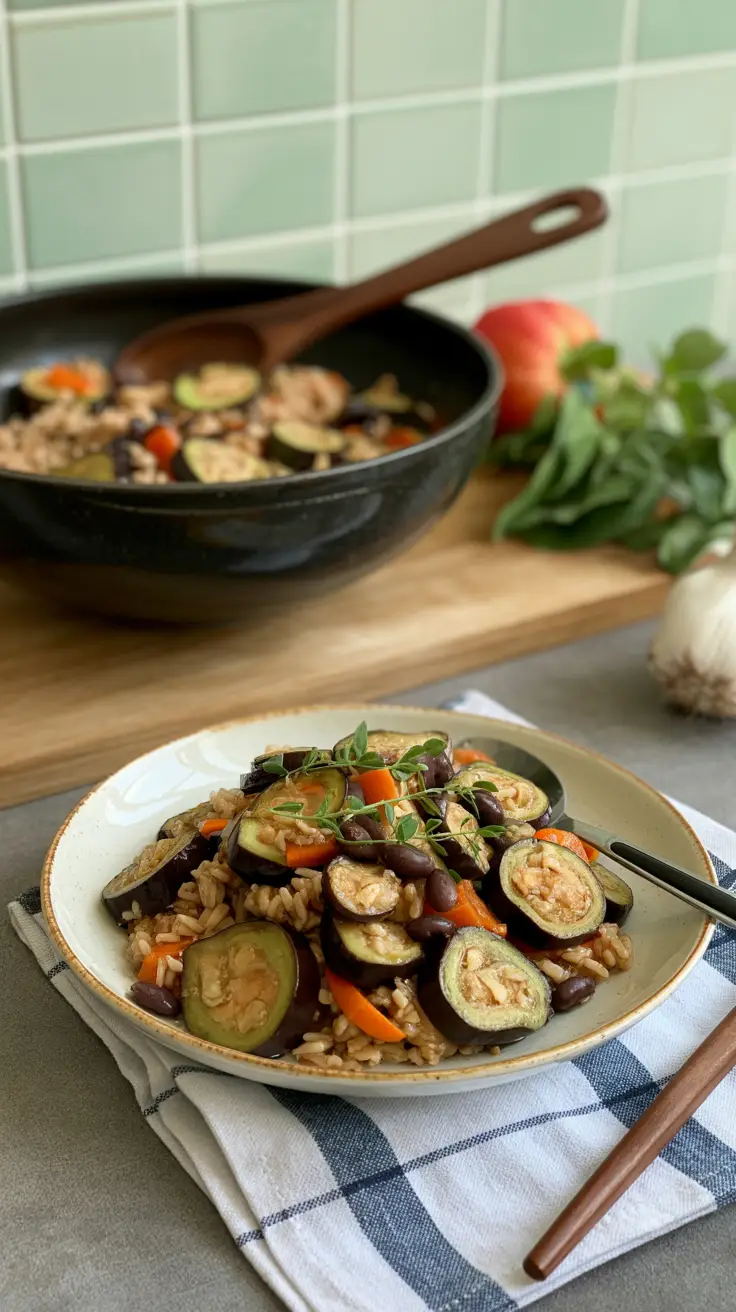
Dinner highlights an eggplant stir-fry with black beans and brown rice. Eggplant contains nasunin, an antioxidant that may help protect blood vessel walls from damage. The black beans provide protein and fiber, while the brown rice offers sustained energy and additional fiber. This combination creates a satisfying, plant-based meal that supports heart health.
Day 5: Flavorful Yet Low-Cholesterol Options
- Breakfast: Smoothie made with spinach, banana, almond milk, and flaxseeds.

- Lunch: Whole wheat pita stuffed with hummus and fresh rainbow veggies.
- Snack: A handful of dried apricots.

- Dinner: Eggplant stir-fry with black beans and brown rice.
Day 6: Weekend Smart Snacks and Balanced Meals
Weekend meals often present challenges for healthy eating, but day six provides satisfying options that won’t derail your cholesterol-lowering efforts while still feeling indulgent.
Begin with whole grain toast topped with almond butter and sliced banana. This combination provides healthy fats, fiber, and natural sweetness that will keep you satisfied throughout the morning. The potassium in bananas supports healthy blood pressure while the monounsaturated fats in almond butter help improve cholesterol ratios.
Lunch features a flavorful chickpea curry served over quinoa. Curry spices like turmeric contain anti-inflammatory compounds that may support heart health. Chickpeas provide substantial protein and fiber while the quinoa adds complete protein and complex carbohydrates. This warming meal proves that heart-healthy eating can be both satisfying and flavorful.
For your afternoon snack, enjoy air-popped popcorn seasoned with herbs or spices. Popcorn is a whole grain that provides fiber and can be a satisfying snack when prepared without excessive oil or salt. Season with herbs like rosemary or spices like nutritional yeast for added flavor without compromising your health goals.
Dinner consists of grilled vegetable skewers with tofu and a side of lentil salad. Grilling vegetables concentrates their flavors while preserving nutrients. The variety of vegetables provides different antioxidants and phytonutrients, while tofu offers complete protein. The lentil salad adds additional fiber and plant protein, creating a well-balanced meal.
Day 6: Weekend Smart Snacks and Balanced Meals
- Breakfast: A slice of whole grain toast with almond butter and banana.
- Lunch: Chickpea curry served with quinoa.
- Snack: Air-popped popcorn seasoned with herbs or spices.
- Dinner: Grilled veggie skewers with tofu and a side of lentil salad.
Day 7: Ending the Week with Nourishment
Day seven focuses on nourishing your body with foods that will set you up for continued success in managing your cholesterol levels.
Start your final day with steel-cut oats topped with a drizzle of honey and chopped pecans. Steel-cut oats provide more texture and sustained energy release compared to instant varieties. The pecans add healthy fats and protein while providing a satisfying crunch. Honey offers natural sweetness and may have mild anti-inflammatory properties.
Lunch features a grilled salmon burger on a whole wheat bun with yogurt-based coleslaw. This meal provides omega-3 fatty acids from the salmon while the whole wheat bun adds fiber and complex carbohydrates. The yogurt-based coleslaw provides probiotics and calcium while being lower in saturated fat than traditional mayonnaise-based versions.
Your afternoon snack consists of Greek yogurt with sliced strawberries. Greek yogurt provides protein and probiotics that support digestive health, while strawberries add vitamin C, fiber, and natural antioxidants. This combination helps stabilize blood sugar while providing sustained energy.
End the week with baked zucchini boats stuffed with quinoa and black beans. This creative dish provides complete protein, fiber, and a variety of nutrients while being naturally low in saturated fat. Zucchini is low in calories but high in potassium and vitamin C, while the quinoa and black bean filling provides satisfaction and heart-healthy nutrients.
Day 7: Ending the Week with Nourishment
- Breakfast: A bowl of steel-cut oats with a drizzle of honey and chopped pecans.
- Lunch: Grilled salmon burger served on whole wheat bun with a side of coleslaw made with yogurt-based dressing.
- Snack: A small bowl of Greek yogurt with sliced strawberries.
- Dinner: Baked zucchini boats stuffed with quinoa and black beans.
Your Path to Better Heart Health
This 7-day low-cholesterol meal plan provides a foundation for long-term heart health through delicious, satisfying meals. By focusing on fiber-rich foods, healthy fats, and plant-based proteins, you can effectively manage your cholesterol levels while enjoying diverse, flavorful meals.
Also Read:
The Ultimate 7-Day Ozempic Diet Meal Plan for Weight Loss
Low FODMAP Diet Meal Plan (Complete 7-Day Guide)
7-Day Mediterranean Diet Meal Plan for Beginners
27 Keto Diet for Beginners Ideas to Jumpstart Your Journey
21 Anti-Inflammation Diet Ideas You Need to Try
Cholesterol-Lowering Meal Prep Tips
Practical Tips for Cholesterol-Lowering Meal Prep
Meal prepping can be a game-changer when following a low-cholesterol diet, making it easier to stick to heart-healthy choices throughout the week. Here are some simple yet effective strategies to streamline your preparation process while ensuring your meals are packed with cholesterol-lowering ingredients:
Plan Your Meals Around Whole, Plant-Based Foods
Focusing your meals on fruits, vegetables, whole grains, legumes, and nuts provides essential nutrients, fiber, and plant sterols that help reduce bad cholesterol (LDL). Incorporate colorful produce like leafy greens, sweet potatoes, and berries for variety and added antioxidants.
Opt for Heart-Healthy Fats
Replace saturated fats with healthier options such as olive oil, avocado, and fatty fish like salmon or mackerel. These options are rich in omega-3 fatty acids, which have been proven to support heart health. Use these fats sparingly to maintain a balanced caloric intake.
Batch-Prep High-Fiber Ingredients
Fiber plays a crucial role in lowering cholesterol. Prepare large batches of fiber-rich staples like brown rice, quinoa, or lentils to use throughout the week. You can refrigerate or freeze these to easily pair with roasted veggies or lean proteins.
Experiment with Flavorful Herbs and Spices
Season your meals wisely by utilizing herbs and spices instead of excessive salt or sugary sauces. Garlic, turmeric, oregano, and paprika add depth to dishes without any negative impact on cholesterol.
Pre-portion and Store Smartly
Divide meals into single-serving containers to avoid overeating and make healthy choices convenient. Use glass storage containers to keep food fresh and allow you to reheat dishes evenly.
Prep Snacks Ahead
Stock heart-healthy snacks such as sliced vegetables with hummus, fresh fruit, or unsalted nuts. Having these ready reduces reliance on processed, high-cholesterol options.
Taking the time to prepare thoughtful, low-cholesterol meals in advance sets you up for success in meeting your health goals effortlessly.
Lifestyle Tips to Support a Low-Cholesterol Diet
Incorporate Regular Physical Activity
Exercising regularly is a key component of maintaining a low-cholesterol lifestyle. Engaging in activities such as brisk walking, cycling, swimming, or yoga at least five times a week can help raise HDL (good cholesterol) while lowering LDL (bad cholesterol). Even small steps like taking the stairs, parking farther away, or scheduling short movement breaks during your day can make a significant difference over time.
Manage Stress Effectively
Chronic stress can negatively impact cholesterol levels by triggering unhealthy coping mechanisms, such as overeating or choosing processed, high-fat foods. Incorporate stress-relief practices like mindfulness, meditation, journaling, or deep breathing exercises into your daily routine. Taking time for hobbies or spending time outdoors can also help create a calming balance in your life.
Prioritize Quality Sleep
Getting enough restful sleep each night is essential for overall health, including managing cholesterol levels. Aim for 7 to 8 hours of uninterrupted sleep to allow your body to recover and regulate hormones. Establish a bedtime routine by limiting screen time, creating a relaxing environment, and avoiding heavy meals or caffeine too close to bedtime.
Limit Alcohol Consumption and Quit Smoking
Both excessive drinking and smoking can negatively affect heart health and cholesterol levels. Limit alcohol intake to moderate levels—up to one drink per day for women and two for men—and seek support if you need help quitting smoking. Your body will thank you with improved circulation, better lung function, and healthier cholesterol levels.
Maintain a Consistent Eating Schedule
Avoid skipping meals as this can lead to cravings and overeating later in the day. Eat at regular intervals to stabilize blood sugar levels and prevent the temptation of grabbing unhealthy snacks. This consistency can keep your energy levels up and support healthy metabolism and digestion.
FAQs About Low-Cholesterol Diets
Can I still eat eggs on a low-cholesterol diet?
Yes, but it’s best to limit egg yolks to a few per week. Egg whites, however, are a cholesterol-free alternative.
Is coconut oil a good substitute for butter?
Coconut oil contains saturated fat, so it should be used sparingly. Olive oil is a better choice for heart health.
How quickly can dietary changes impact cholesterol levels?
Some people notice improvements within weeks, but it may take 3–6 months for significant changes, depending on various factors.
Take Control of Your Heart Health Today
Adopting a low-cholesterol diet is one of the best choices you can make for your heart and overall well-being. By following this 7-day meal plan and making small lifestyle tweaks, you can lower cholesterol levels while savoring delicious, nutrient-rich meals.
For personalized guidance or more heart-healthy tips, explore our resources or consult a nutritionist.