

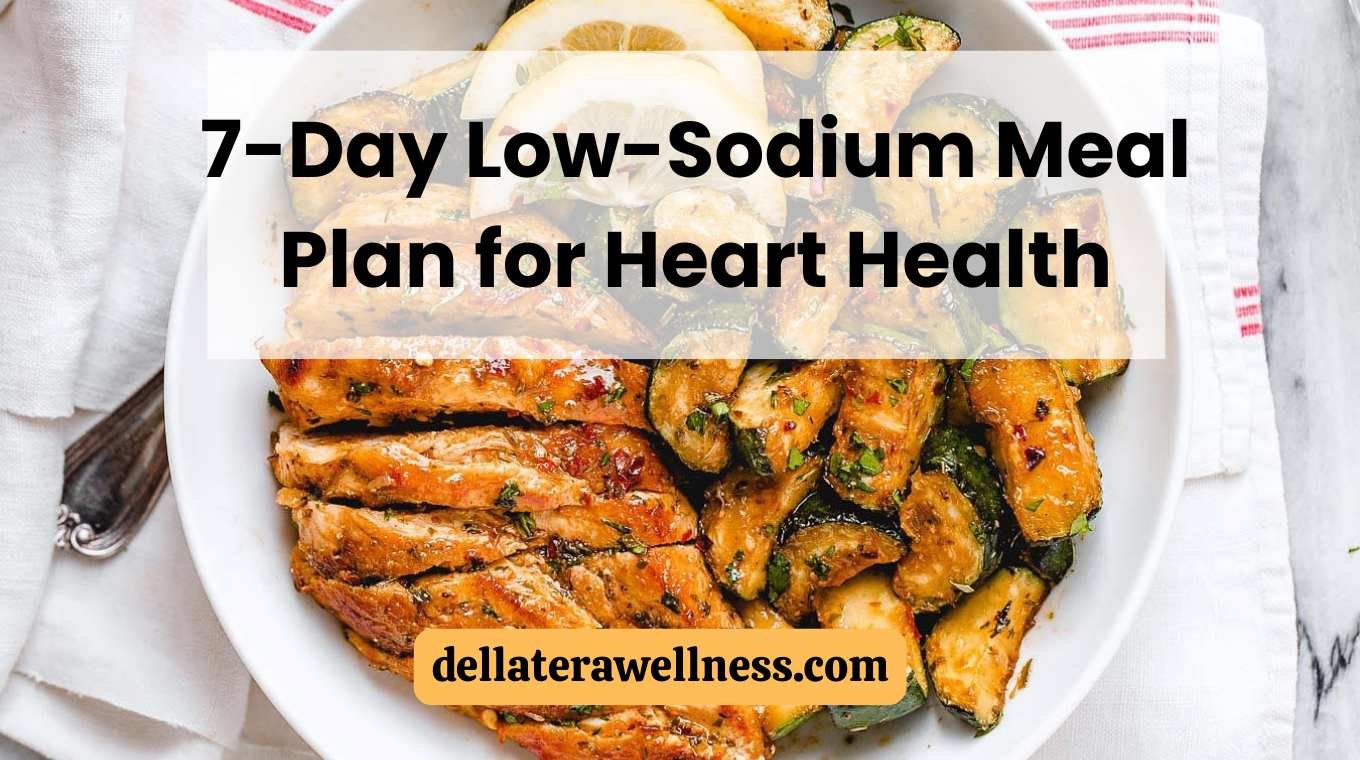
If you’re looking to take control of your health, a low-sodium diet is a great place to start. While most of us consume far more sodium than recommended, cutting back can have profound benefits, such as lowering blood pressure, improving heart health, and reducing the risk of chronic diseases. But maintaining a flavorful, fulfilling diet while keeping sodium levels in check can seem like a daunting task.
This 7-day low-sodium meal plan has you covered with practical tips and delicious recipes to help you stay on track without sacrificing flavor. Whether you’re managing a health condition or simply aiming for a healthier lifestyle, this guide will help you kick-start your low-sodium diet successfully.
Why Go Low-Sodium? Understanding the Health Benefits
The Importance of Reducing Sodium for a Healthier You
Excessive sodium intake is a common dietary issue that can silently compromise your health over time. Limiting your sodium consumption is vital for keeping your heart healthy, as high sodium levels are directly linked to increased blood pressure—a primary risk factor for heart disease and stroke. A low-sodium diet can help regulate blood pressure, reduce fluid retention, and ease strain on your cardiovascular system.
Beyond heart health, reducing sodium intake benefits your kidneys, which are responsible for filtering and balancing minerals in your body. Too much sodium can overburden your kidneys, potentially leading to kidney disease over time. A low-sodium diet eases this strain, helping maintain kidney function and overall balance in the body.
For those managing conditions like diabetes, reducing sodium is especially important. High sodium levels can exacerbate existing health problems, including worsening insulin resistance or raising the risk of complications associated with diabetes. By keeping sodium levels under control, you proactively support your overall well-being and disease management.
Switching to a low-sodium diet doesn’t only help with chronic conditions—it also improves day-to-day energy and reduces bloating caused by water retention. Many people find they feel lighter and more alert when consuming less sodium, underscoring its benefits beyond long-term health.
By emphasizing fresh, whole foods and exploring creative ways to season dishes without table salt or high-sodium processed ingredients, you can develop habits that contribute to a healthier and more balanced lifestyle. Whether you’re looking to prevent health complications or enhance your current wellness, reducing sodium is a smart and impactful step in prioritizing your long-term health.
Key Tips for Successfully Following a Low-Sodium Diet
Read Labels Carefully
When grocery shopping, always check nutrition labels for sodium content. Aim for products with less than 140 mg of sodium per serving, which are considered low-sodium. Be especially cautious of packaged, processed, or canned foods, which often contain hidden salt.
Cook at Home More Often
Preparing meals at home gives you full control over the ingredients and sodium levels. Use fresh or frozen vegetables and lean proteins, and experiment with natural flavor enhancers like garlic, herbs, spices, and citrus instead of relying on prepackaged seasonings or salty condiments.
Rinse Canned Foods
If you’re using canned beans or vegetables, rinse them thoroughly under water to reduce the sodium content. This simple step can help remove a significant amount of added salt used in the canning process.
Choose Low-Sodium Alternatives
Many brands offer low-sodium versions of common items like broths, sauces, and snacks. Swap regular versions with these healthier options while adjusting your seasoning as needed to maintain flavor.
Limit Dining Out
Restaurant meals can be unexpectedly high in sodium, even when they don’t taste overly salty. When eating out, ask for dishes to be prepared without added salt or request sauces and dressings on the side to control your intake.
Plan and Prep in Advance
Having a weekly meal plan helps you stick to your low-sodium goals. Batch-cook dishes and portion them out, so you always have ready-to-eat meals that align with your dietary preferences, avoiding the temptation of high-salt convenience foods.
Stay Hydrated
Drinking plenty of water supports your body in managing sodium levels. Staying hydrated can also help minimize water retention, a common issue associated with excessive sodium intake.
Grocery List Essentials for a Low-Sodium Week
Fresh Fruits and Vegetables
Fresh fruits and vegetables should be the foundation of your low-sodium grocery list. Focus on staples like leafy greens, carrots, bell peppers, cucumbers, apples, bananas, and berries. These nutrient-dense foods are naturally sodium-free and packed with vitamins, minerals, and fiber to keep you energized and satisfied throughout the week. Choose fresh or frozen vegetables without added sauces or seasonings to avoid hidden sodium.
Lean Proteins
Opt for lean proteins such as skinless chicken breast, salmon, cod, or turkey. These options are naturally lower in sodium compared to processed meats like bacon or sausages. If purchasing packaged seafood or poultry, look for options labeled as “low sodium” or “no salt added.” Eggs are also a great source of protein and can be incorporated into meals all week long.
Whole Grains
Whole grains like brown rice, quinoa, oats, and whole-wheat bread are excellent sources of naturally low-sodium carbohydrates. Check packaging to avoid items with added salt, especially for bread and pre-packaged grain mixes. For convenience, plain microwaveable rice or plain oats are good options for quick, salt-free meal prep.
Low-Sodium Canned Goods
Canned goods can still be part of a low-sodium diet as long as you choose wisely. Look for low-sodium or no-salt-added canned tomatoes, beans, and broths. These pantry staples provide essential convenience and can serve as the base for soups, stews, and other recipes.
Snacks and Spices
Consider healthier snack options such as unsalted nuts, seeds, or rice cakes. To enhance the flavor of your dishes, use sodium-free seasoning blends or spices like garlic powder, onion powder, paprika, or fresh herbs. Vinegar and lemon juice are excellent salt-free ways to add brightness to your meals.
By planning ahead and shopping from this list, you’ll set yourself up for a successful week of low-sodium meals.
7-Day Low-Sodium Meal Plan
This meal plan features easy-to-prepare dishes packed with nutrients and flavor while staying low in sodium.
Day 1–3: Easy, Flavorful Meals to Kickstart Your Week
Day 1
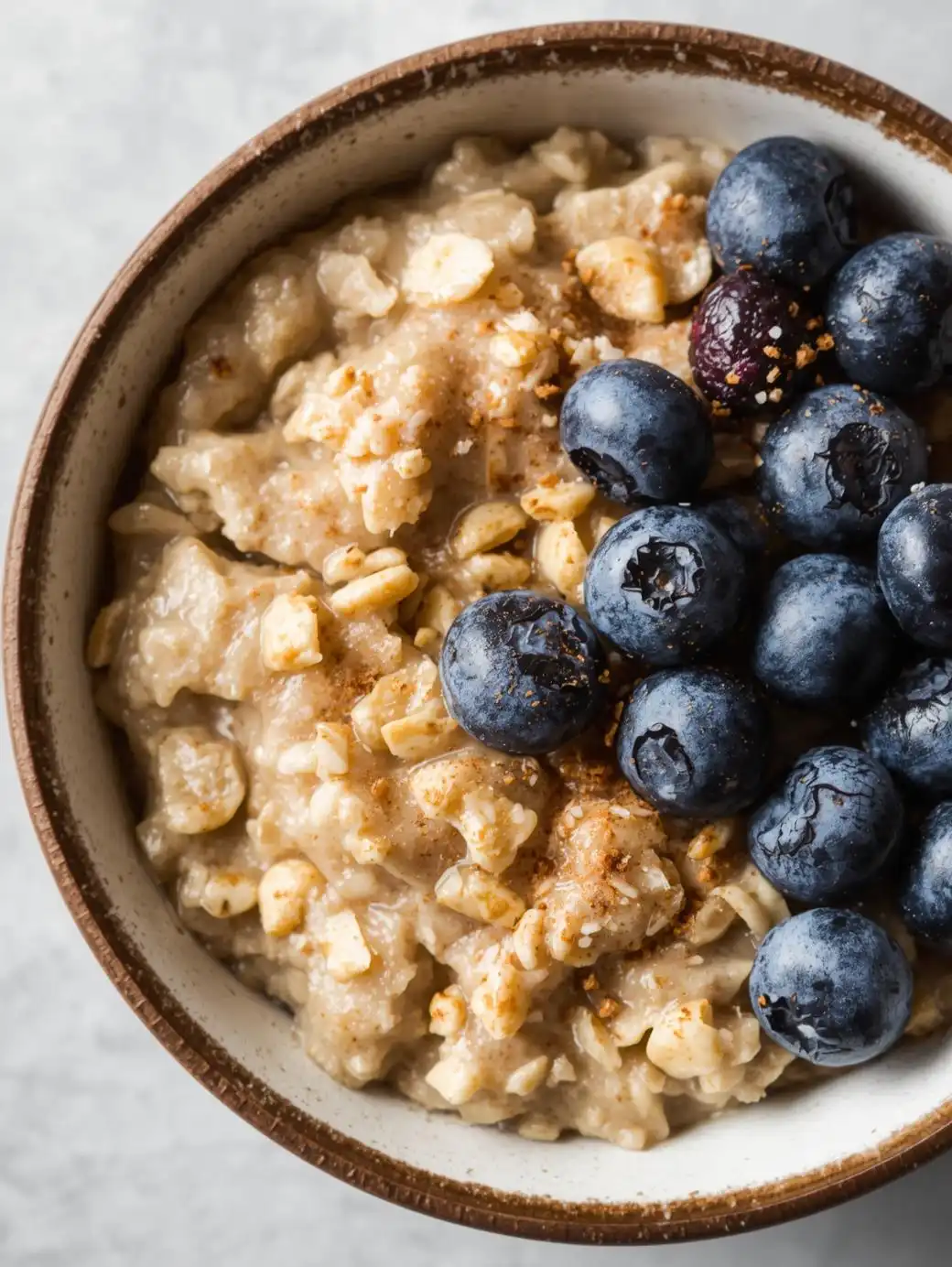
Breakfast: Steel-cut oats topped with fresh blueberries and a sprinkle of cinnamon.
Lunch: Lemon-herb grilled chicken with a side of quinoa and steamed broccoli.
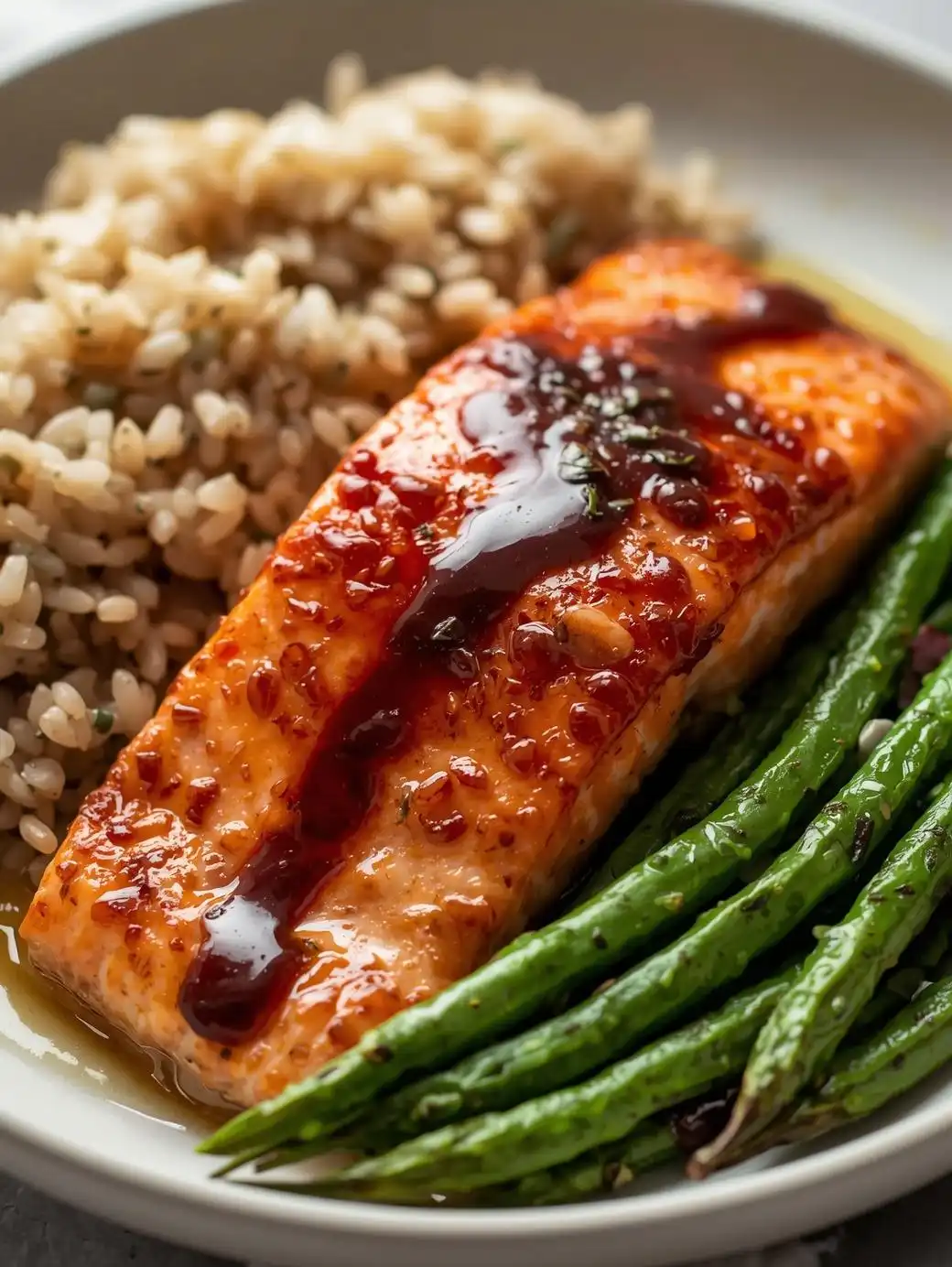
Dinner: Salmon with a maple-balsamic glaze, wild rice, and roasted green beans.
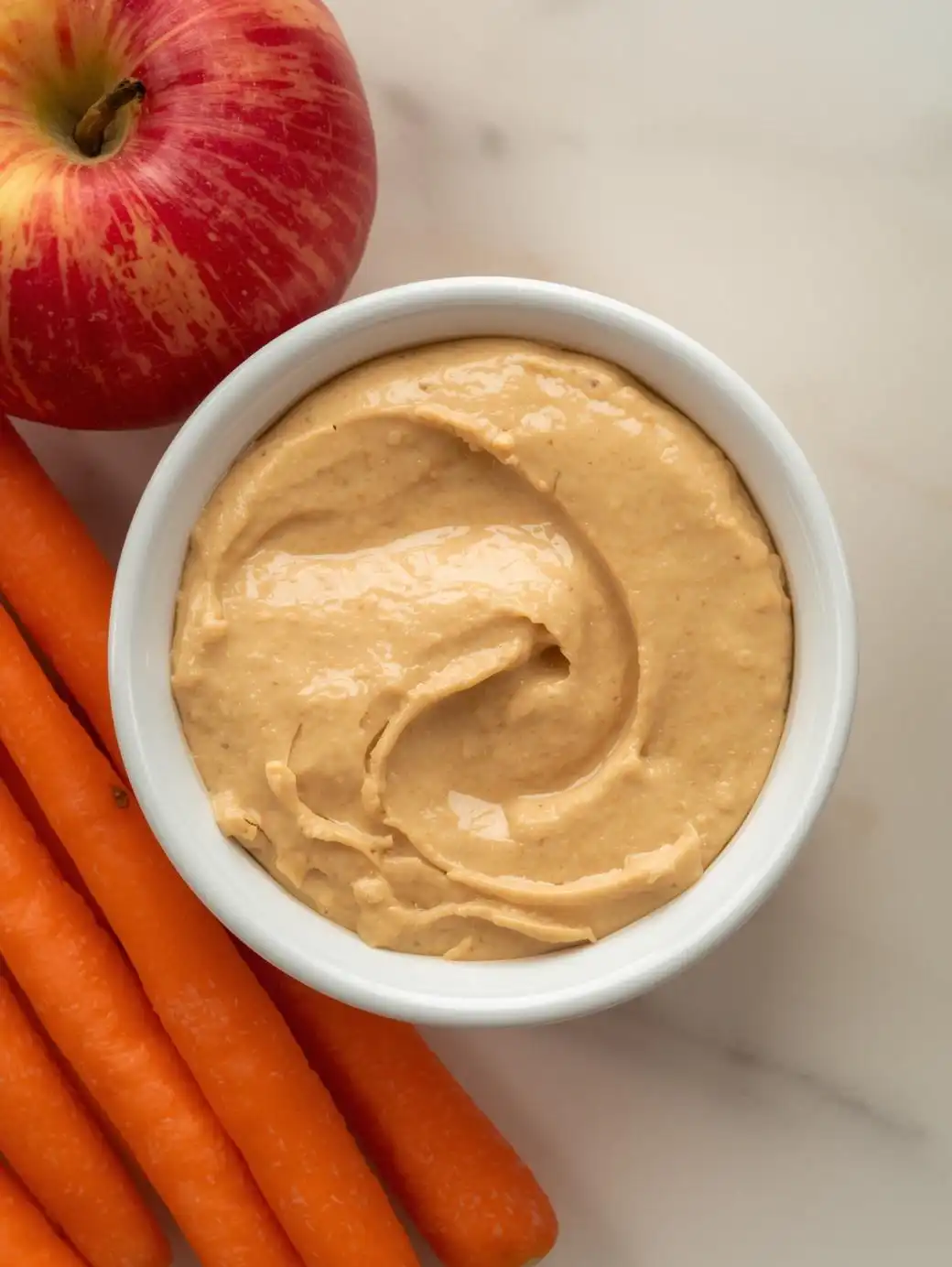
Snack: Baby carrots with unsalted hummus or an apple.
Day 2
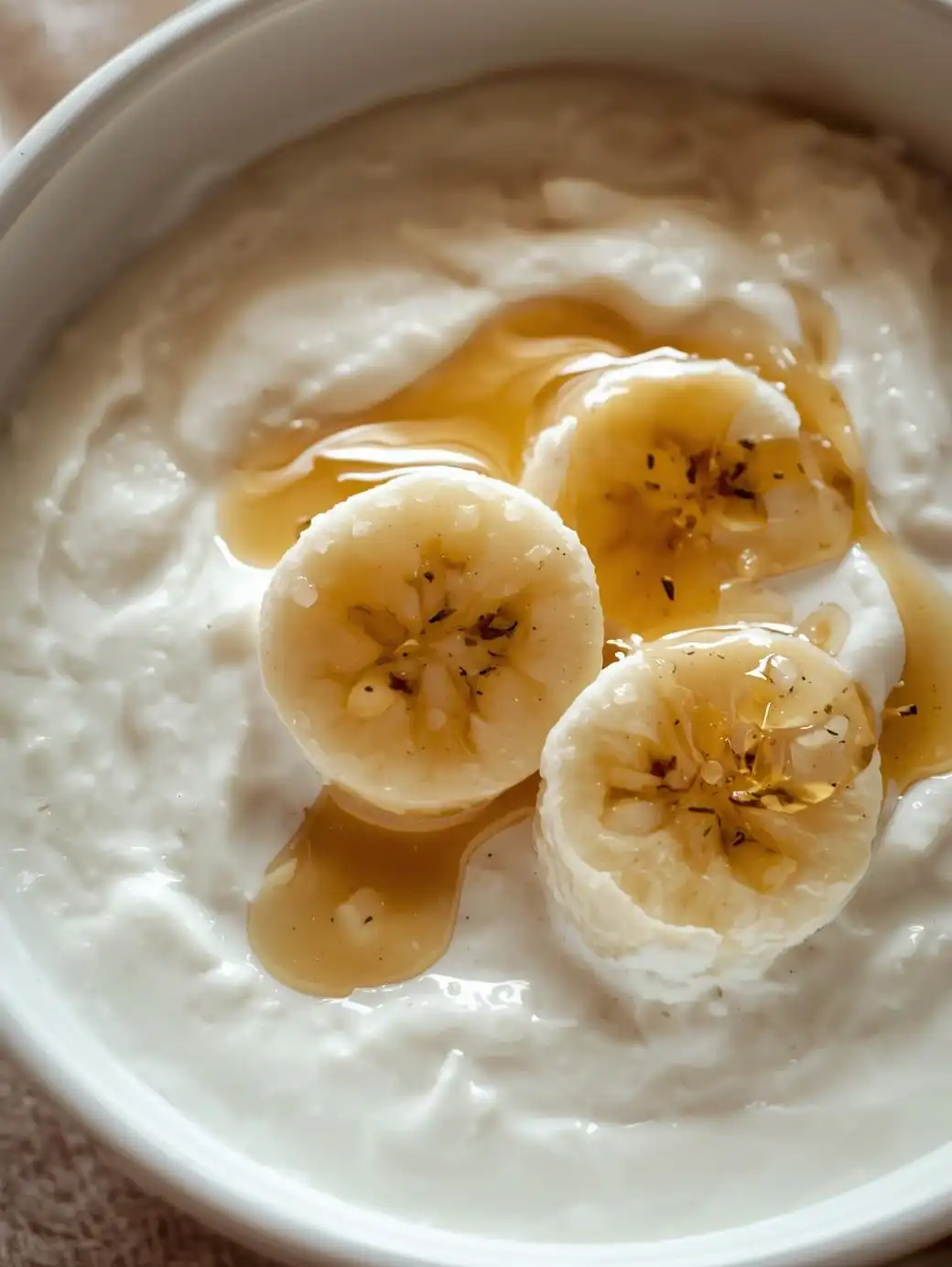
Breakfast: Low-fat Greek yogurt with sliced bananas and a drizzle of honey.
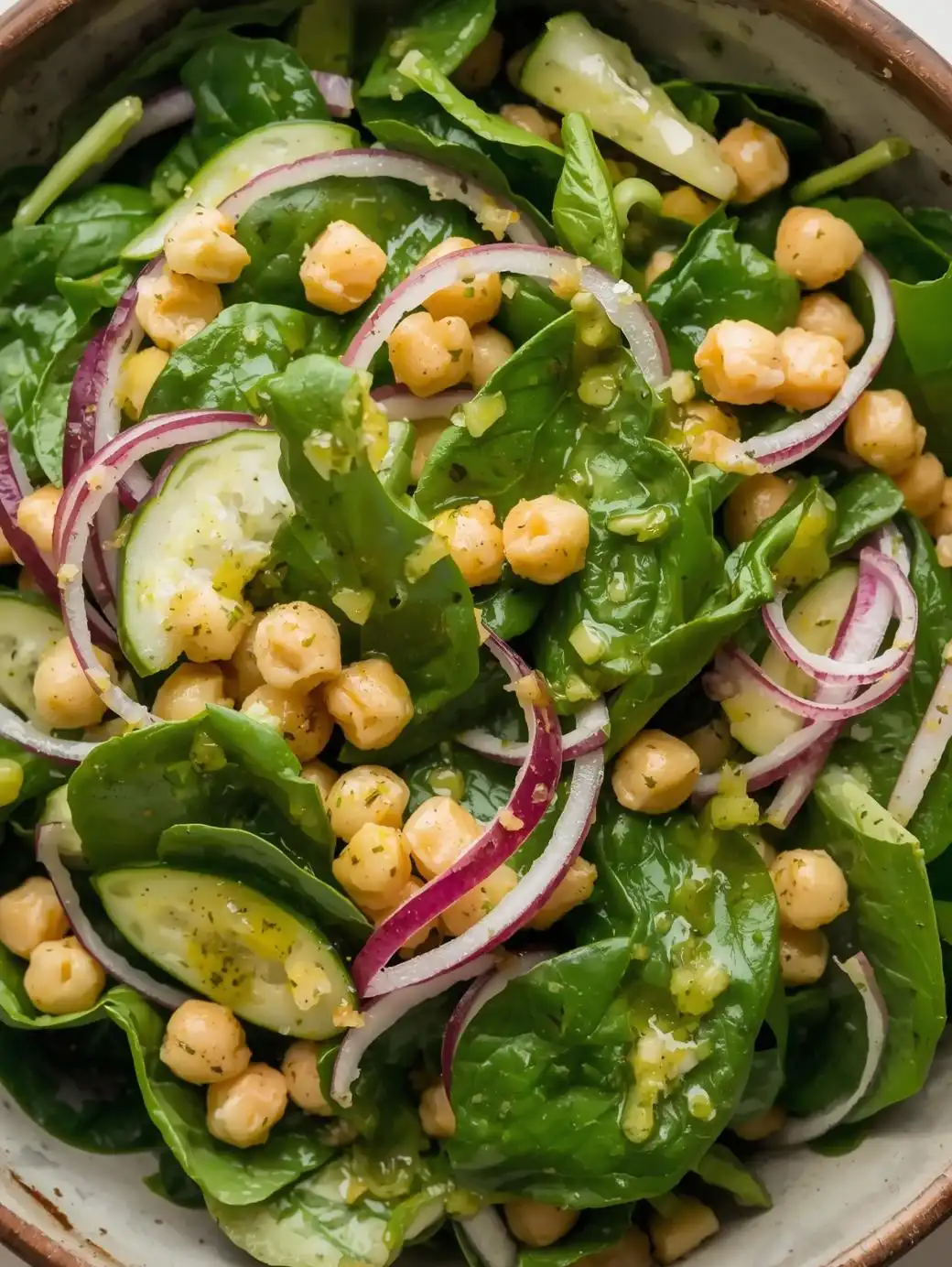
Lunch: Spinach salad with chickpeas, cucumbers, red onions, and lemon vinaigrette.
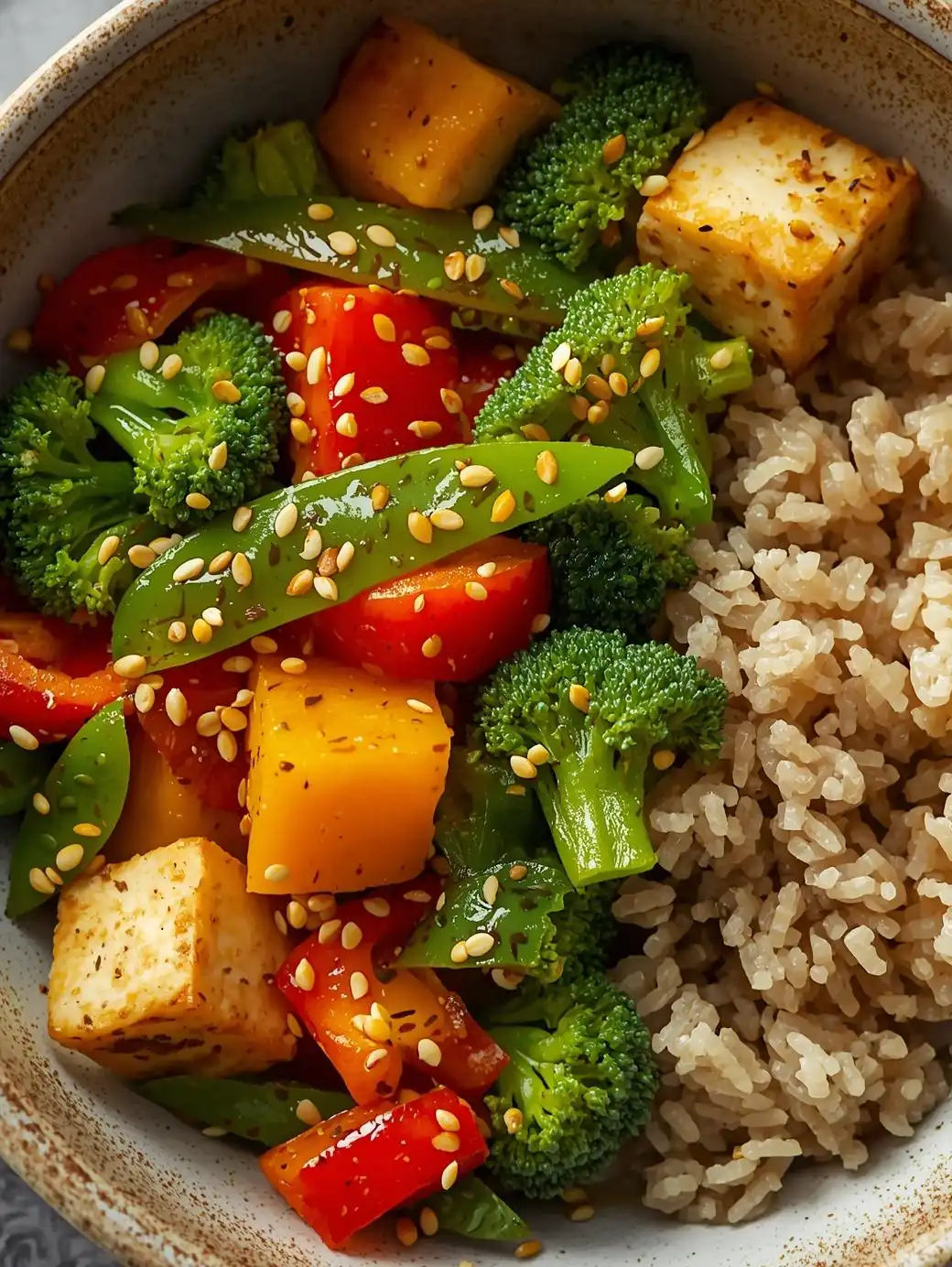
Dinner: Vegetable stir-fry with tofu and brown rice.
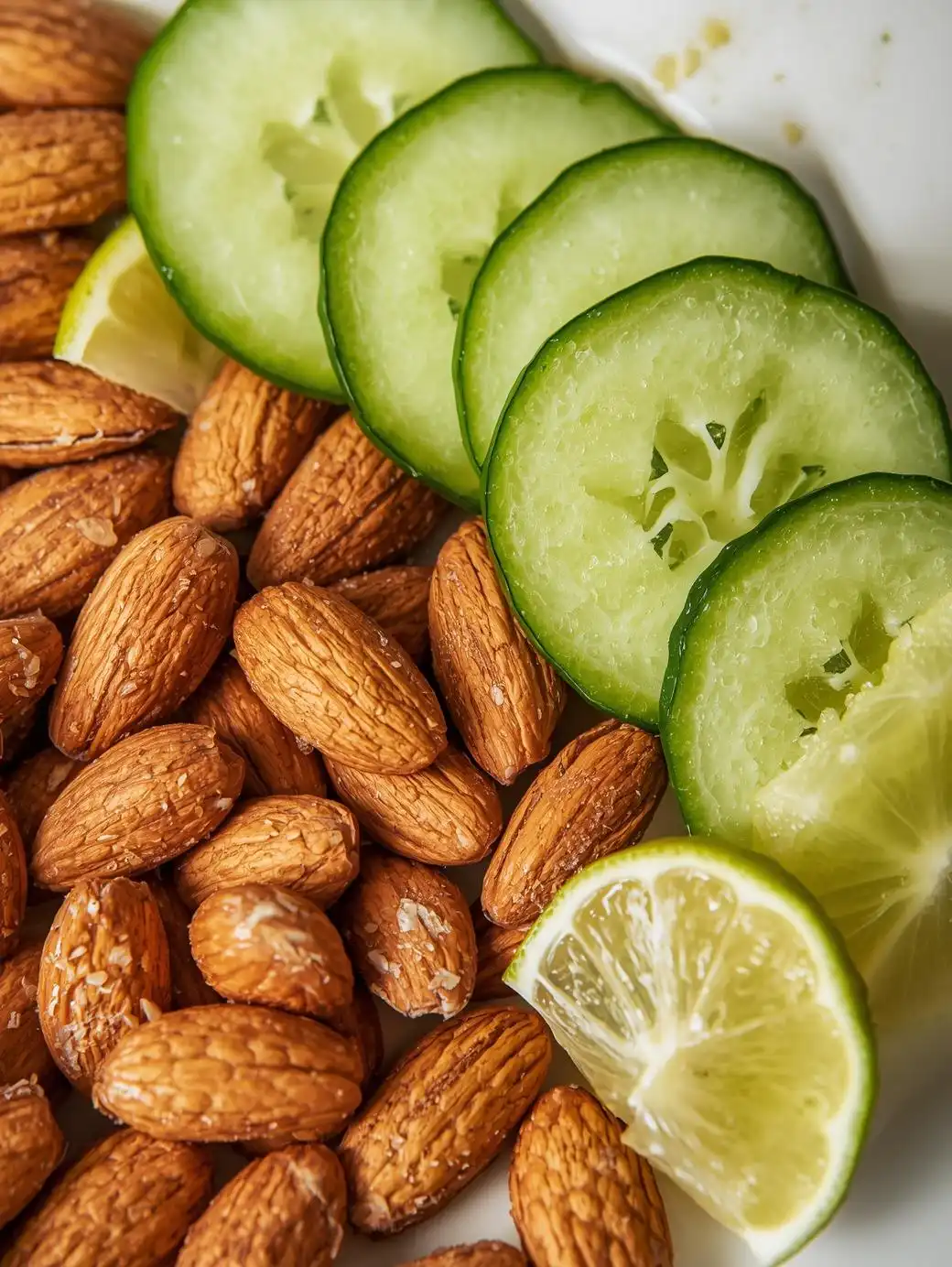
Snack: Unsalted almonds or cucumber slices with lime.
Day 3
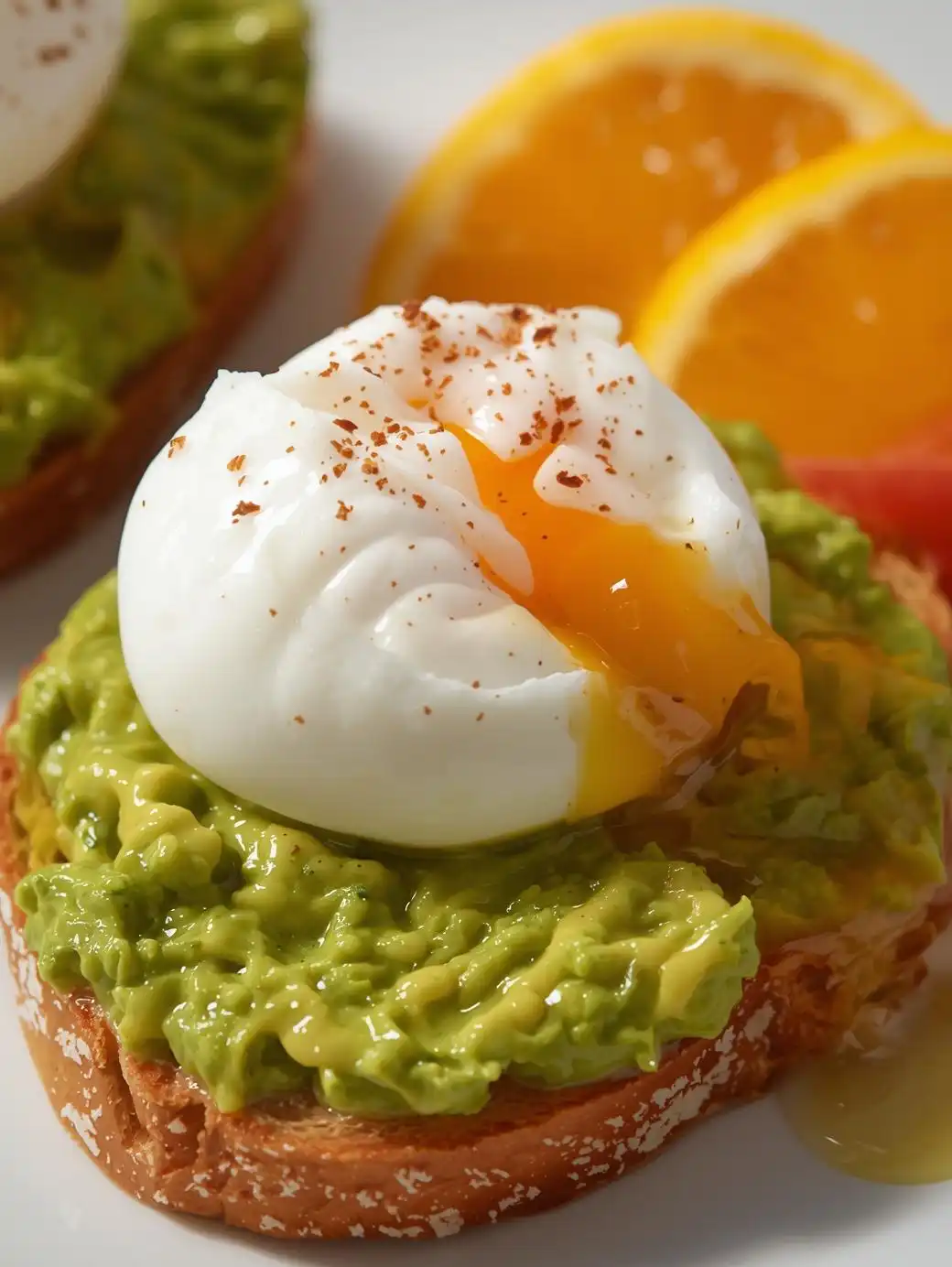
Breakfast: Avocado toast with a poached egg and a side of fresh orange slices.
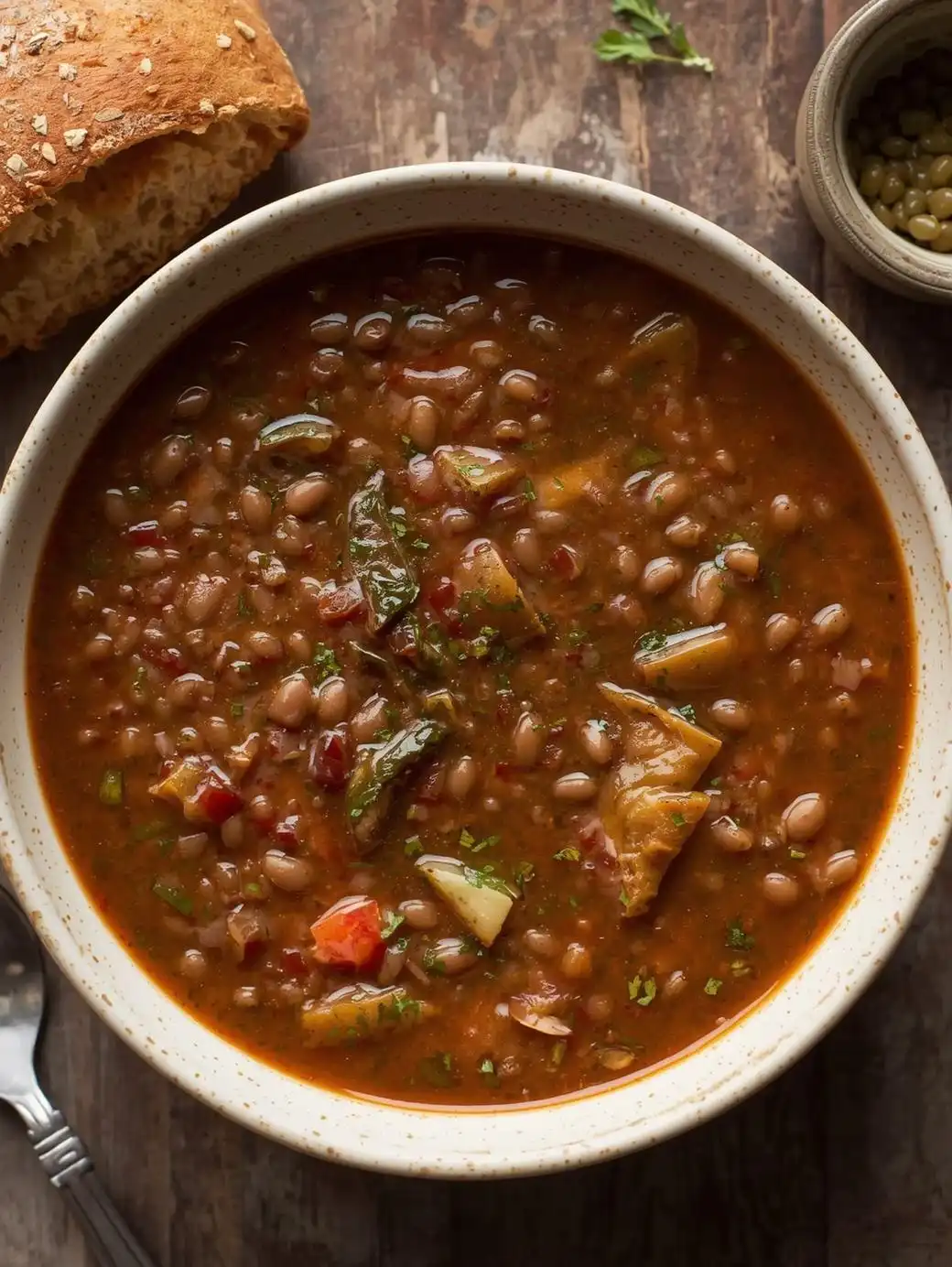
Lunch: Lentil soup made with low-sodium vegetable stock and a whole-grain roll.
Dinner: Grilled chicken breast with mashed sweet potatoes and sautéed green beans.
Snack: Air-popped popcorn with nutritional yeast.

Day 4–7: Variety-Packed Dishes Without the Salt Overload
Day 4
- Breakfast: Scrambled eggs with tomatoes and spinach on whole-grain toast.
- Lunch: Quinoa salad with chickpeas, cucumbers, and tahini dressing.
- Dinner: Baked cod with roasted Brussels sprouts and herbed new potatoes.
- Snack: Pear slices with Greek yogurt.
Day 5
- Breakfast: Chia pudding with coconut milk, kiwi, and a sprinkle of cinnamon.
- Lunch: Homemade tuna salad (using low-sodium tuna) with whole-grain crackers.
- Dinner: Roasted chicken bowl with mixed vegetables and barley.
- Snack: Mixed berries or a hard-boiled egg.
Day 6
- Breakfast: Cottage cheese with sliced peaches and nutmeg.
- Lunch: Falafel with crisp tabbouleh salad.
- Dinner: Turkey meatballs with roasted carrots and quinoa pilaf.
- Snack: Celery sticks with unsalted peanut butter and raisins.
Day 7
- Breakfast: Whole wheat pancakes with fresh strawberries and a drizzle of agave syrup.
- Lunch: Grilled veggie and hummus lettuce wrap.
- Dinner: Low-sodium seafood paella with shrimp, peas, and saffron rice.
- Snack: A banana or a handful of unsalted cashews.
Creative Ways to Add Flavor Without the Sodium
Spice It Up with Herbs and Spices
Herbs and spices are one of the easiest and healthiest ways to add incredible flavor to your meals without relying on salt. Fresh herbs like basil, cilantro, dill, and parsley can brighten up dishes, while dried spices such as paprika, cumin, turmeric, and cinnamon lend depth and warmth. For a bold kick, try chili flakes or smoked paprika, which add heat and smokiness. The great thing about herbs and spices is their versatility—you can mix and match to suit your personal taste preferences and the cuisine you’re cooking.
Tap into Zesty Citrus
Citrus fruits like lemons, limes, and oranges are a game-changer for flavoring food without sodium. A squeeze of lemon can enhance the natural flavors of roasted vegetables, fish, or salads, while lime juice pairs beautifully with grilled meats and Tex-Mex dishes. You can also use citrus zest to add an aromatic and tangy punch. A little goes a long way when it comes to citrus, making it an easy, low-calorie option for boosting flavor.
Experiment with Vinegars
Vinegars are another secret weapon for packing a flavorful punch in a low-sodium diet. Balsamic, apple cider, red wine, and rice vinegars each offer unique flavor profiles that can elevate meats, vegetables, and dressings. Use a splash to deglaze your pan for a rich, tangy sauce or drizzle over roasted veggies for added depth.
Incorporate Garlic and Onion
Garlic and onion are kitchen staples that can transform bland dishes into savory, flavorful delights. Sautéed, roasted, or caramelized, they add a natural sweetness and richness to your meals. Pair them together or use them with herbs for a layered, aromatic profile.
Get Creative with Umami-Rich Foods
Umami is known as the fifth taste, and it’s often associated with savory flavors. Foods like mushrooms, nutritional yeast, unsalted tomato paste, and roasted vegetables are rich in umami and can be used to add depth to soups, sauces, and casseroles. These ingredients make meals feel satisfying and full of flavor without relying on sodium.
By incorporating these ideas into your cooking, you can enjoy delicious, low-sodium meals that never lack flavor!
Also Read:
The Ultimate 7-Day Ozempic Diet Meal Plan for Weight Loss
Low FODMAP Diet Meal Plan (Complete 7-Day Guide)
7-Day Mediterranean Diet Meal Plan for Beginners
27 Keto Diet for Beginners Ideas to Jumpstart Your Journey
21 Anti-Inflammation Diet Ideas You Need to Try
Hidden Salt Traps: Foods to Watch Out For
The Sneaky Sodium Culprits Lurking in Your Diet
When following a low-sodium diet, it’s important to know that salt can be hiding in unexpected places. Many processed and packaged foods are loaded with sodium, even when they don’t taste overtly salty. Here are some common hidden salt traps to be aware of:
Breads and Baked Goods
While breads and rolls might not taste salty, they often contain significant amounts of sodium per slice or serving. Opt for low-sodium whole-grain bread or consider baking your own at home for better control over the salt content.

Canned Soups and Broths
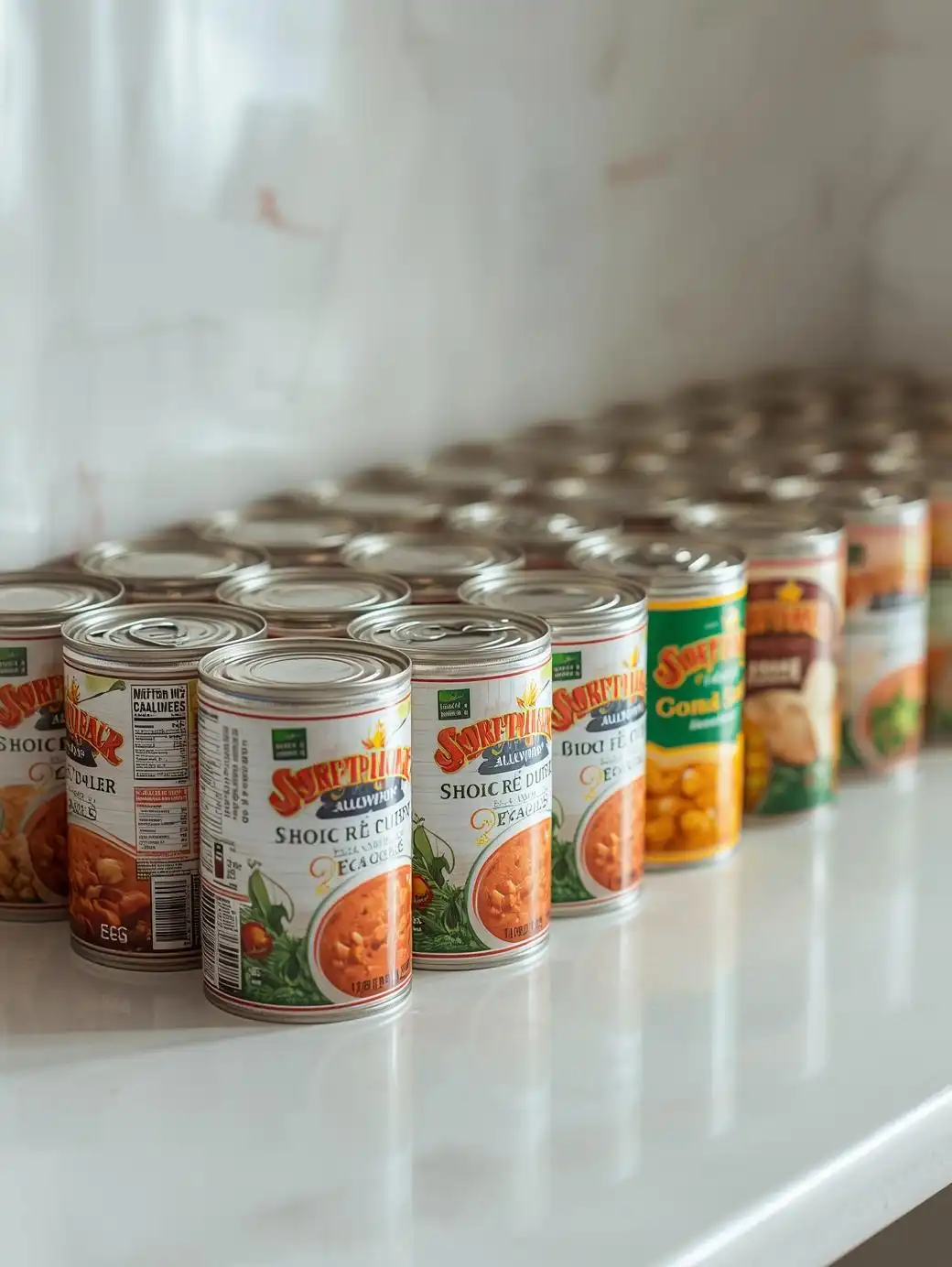
Pre-packaged soups and broths are notorious for their high sodium content. Even “light” or “reduced-sodium” options can sneak in more salt than expected. Making soup from scratch with fresh, low-sodium ingredients is a flavorful and healthier alternative.
Condiments and Sauces
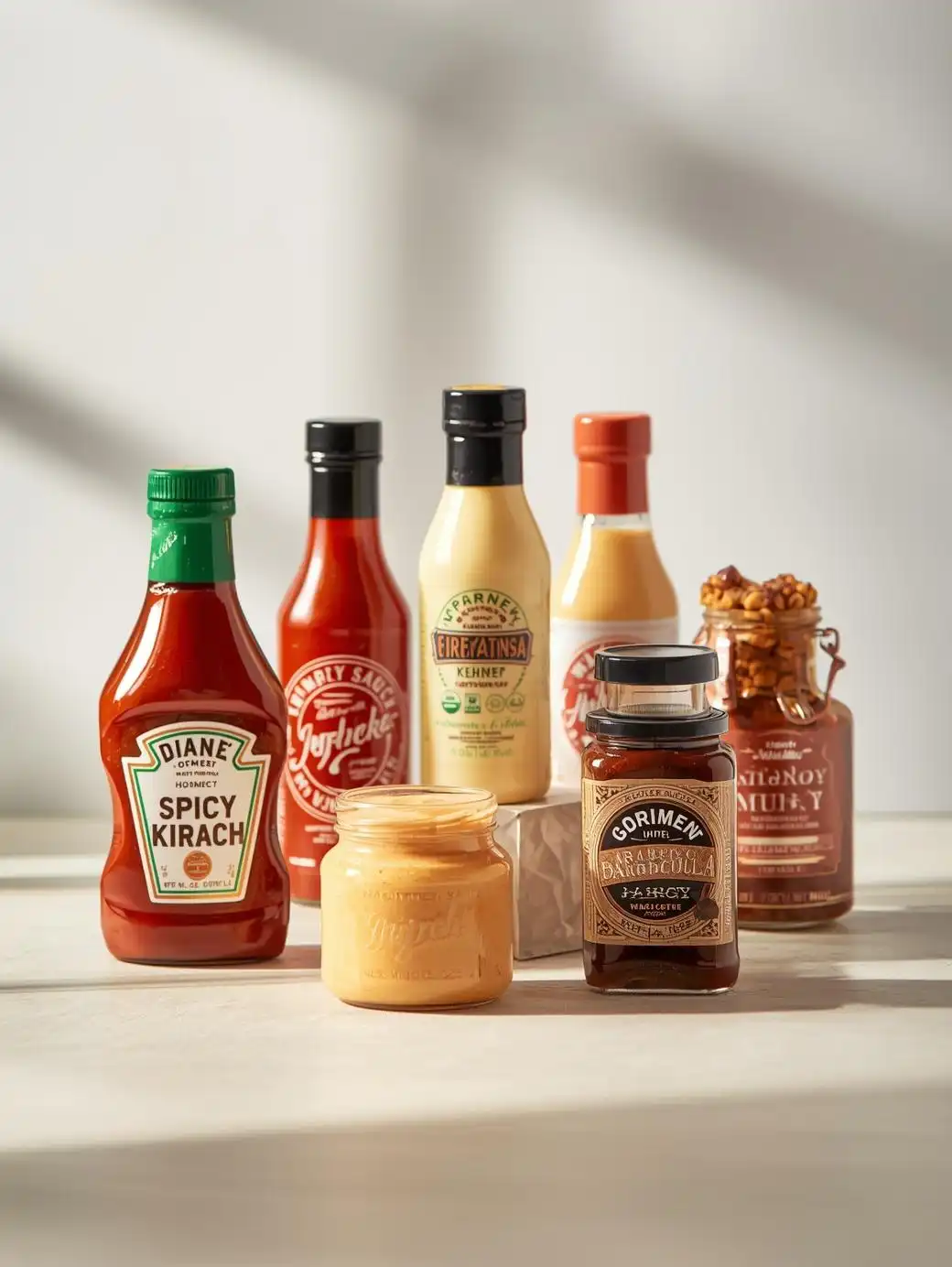
Ketchup, soy sauce, salad dressings, and barbecue sauces can pack a hefty sodium punch. Opt for no-added-salt versions or make homemade condiments to keep salt levels in check.
Cheese and Processed Meats
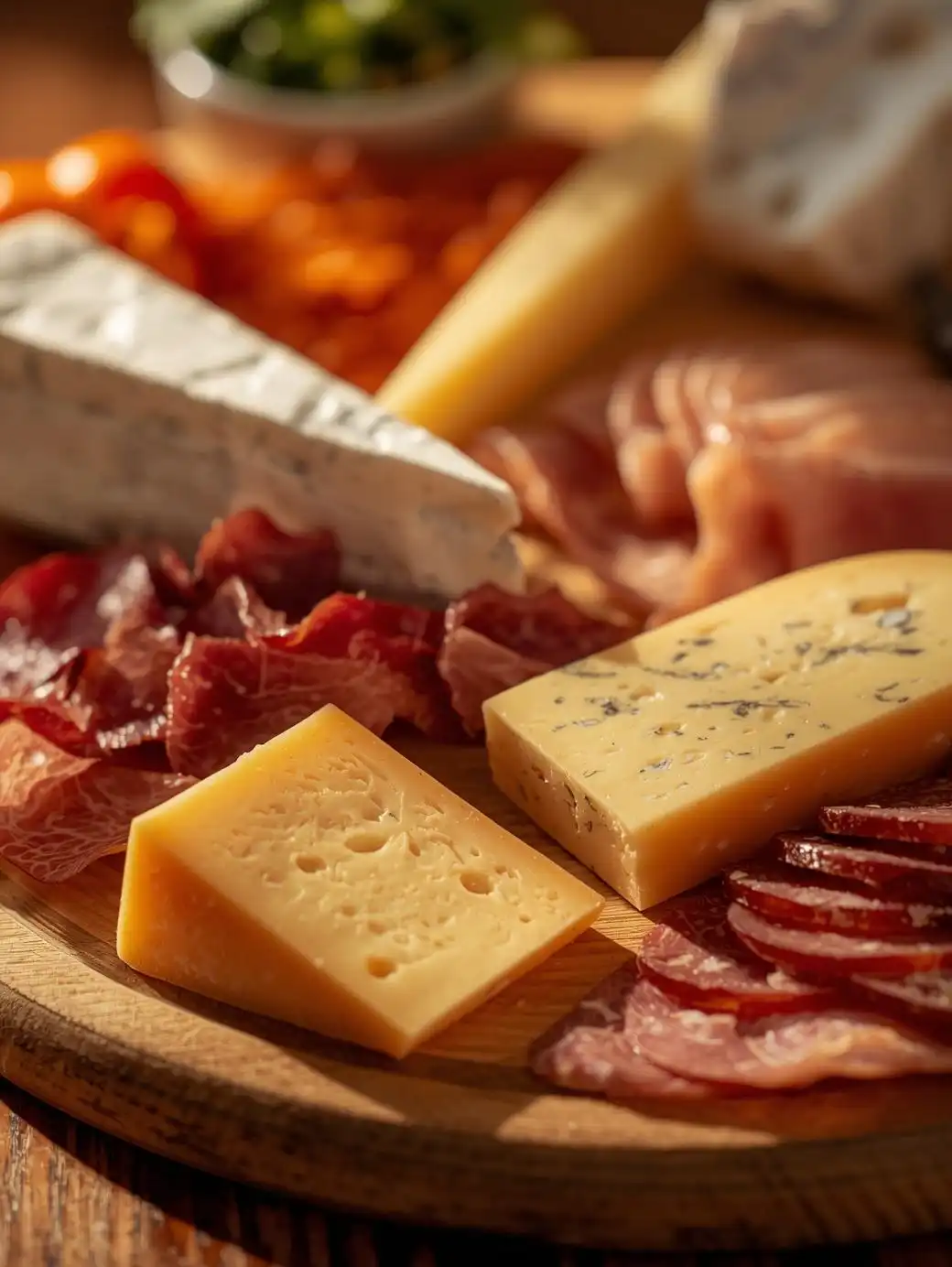
Cheeses, deli meats, bacon, and sausage contribute heavily to daily sodium intake. Look for low-sodium options or stick to fresh, unprocessed proteins like chicken, fish, or plant-based alternatives.
Snack Foods
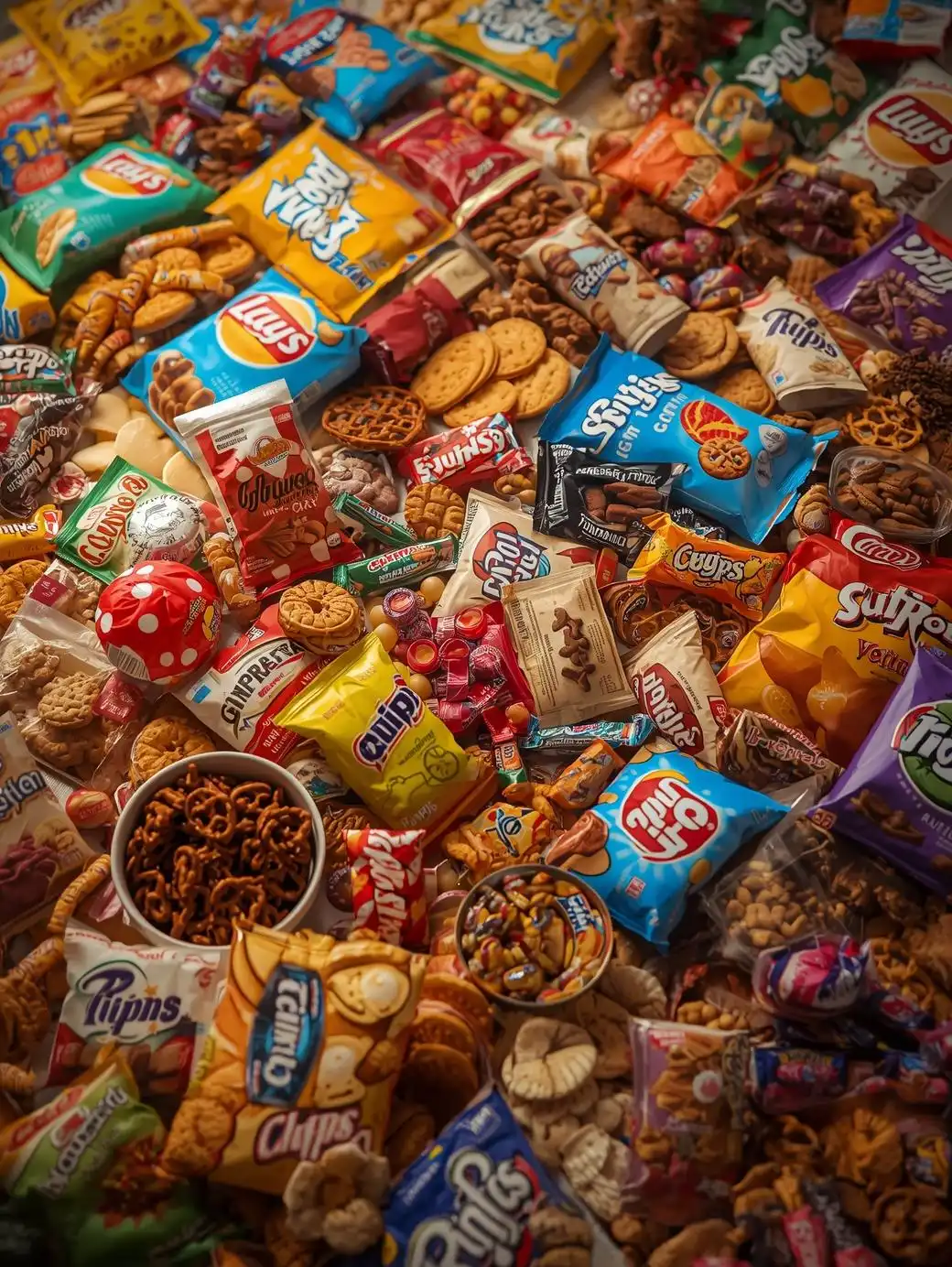
Chips, crackers, pretzels, and even some popcorn brands are laden with hidden sodium. Check labels carefully and choose unsalted or lightly salted snacks, or explore low-sodium recipes to make your own.
Understanding these hidden salt traps is key to maintaining a balanced, low-sodium diet. When meal planning, always check nutrition labels and aim to rely on fresh ingredients to create meals that are both satisfying and heart-healthy!
Staying Motivated: How to Stick to Your Low-Sodium Plan
Tips for Staying Motivated on Your Low-Sodium Journey
Sticking to a low-sodium plan can feel challenging at first, but with the right strategies, it’s possible to stay motivated and make lasting changes. Here are some practical tips to help you succeed:
Set Small, Achievable Goals
Breaking down your low-sodium plan into smaller steps can make the process feel less overwhelming. Start by reducing salt in one meal a day or swapping one high-sodium snack for a healthier alternative. Gradually, these small victories add up to big changes.
Experiment with Spices and Herbs
One of the best ways to stay motivated is by making your meals exciting and flavorful. Experiment with fresh herbs, citrus zest, garlic, and spices like paprika or cumin to enhance your dishes naturally—without relying on salt.
Plan and Meal Prep
Planning your meals ensures you have low-sodium options readily available, reducing the temptation to grab processed or high-sodium foods. Batch cooking and prepping can save time and help you stick to your plan during busy weeks.
Track Your Progress
Using a journal or a meal-tracking app to monitor sodium intake can help you stay on target. It’s also encouraging to look back and see how far you’ve come—progress, no matter how small, can fuel your motivation.
Keep Healthy Snacks Handy
Prevent cravings by keeping healthy, low-sodium snacks like unsalted nuts, fresh fruits, or raw veggies readily available. Smart snacking keeps you satisfied between meals without derailing your plan.
Celebrate Your Wins—Big or Small!
Every step forward is worth celebrating. Treat yourself to non-food rewards like a new cookbook, exercise gear, or a relaxing activity when you hit a milestone. This positive reinforcement helps you stay committed to your goals!
By following these tips, you’ll find it easier to maintain your low-sodium lifestyle while making the process empowering and enjoyable. Keep going—you’ve got this!
Quick Sodium Comparison: How Your Week Measures Up
Tracking Your Progress to Stay on Track
One of the best ways to ensure success with your low-sodium diet is to regularly evaluate how your weekly meals measure up to your sodium goals. Keeping track of your daily intake not only helps you stay accountable but also highlights areas where you’re excelling and where improvements might be needed. Aim to monitor your meals using tools like food diaries, meal-planning apps, or even simple notepads to log the sodium content of your food.
Start by comparing your actual sodium intake with the recommended limit, which is generally 2,300 milligrams per day, as per most health guidelines. For individuals with certain health conditions, doctors might suggest an even lower limit, such as 1,500–2,000 milligrams daily. Use this benchmark to identify patterns—are you staying within the recommendation, or are there meals that might need tweaking?
A great approach is to break down your week day by day. Evaluate whether there are specific meals, snacks, or even drinks causing higher sodium levels. For example, were there prepackaged or processed foods involved? Did dining out result in a saltier entrée? Identifying these trends can help you make smarter swaps, such as choosing fresh ingredients over processed items or flavoring your dishes with spices or herbs rather than salt.
Celebrating your wins is just as important here! If you notice significant improvements—like a full week of meeting sodium goals or successfully replacing salty snacks with healthier options—give yourself credit. The goal isn’t perfection but consistent progress. When equipped with a clear understanding of your weekly sodium intake, you can make proactive adjustments that empower you to stick with your low-sodium lifestyle long-term. Keep tracking and keep thriving!
When to Talk to a Nutritionist About Your Sodium Intake
How to Know It’s Time to Consult a Nutritionist About Sodium
While adopting a low-sodium lifestyle is commendable, sometimes navigating the specifics can be challenging. If you’re unsure about how much sodium is appropriate for your individual needs or if you’re struggling to meet dietary goals, seeking the expertise of a nutritionist can be highly beneficial. Individuals with certain health conditions, such as hypertension, kidney disease, or heart issues, may require stricter sodium limits and tailored advice to ensure their diet supports overall well-being.
One key indicator that it might be time to consult a nutritionist is if you’re experiencing symptoms like persistent bloating, swelling (especially in the hands or feet), or blood pressure levels that remain high despite your best efforts to reduce sodium. These could be signs that your sodium intake requires closer attention or that there are other dietary factors at play. Additionally, if you find the process of meal planning and label reading overwhelming or are unsure about hidden sources of sodium in processed foods, a nutritionist can help simplify and guide you toward smarter food choices.
For those transitioning to a low-sodium diet due to newly diagnosed conditions or simply wanting to improve their overall health, a nutritionist can provide personalized strategies to make the process sustainable and enjoyable. They can work with you to create a meal plan that aligns with your lifestyle, preferences, and nutritional requirements while ensuring you stay within healthy sodium limits. Never hesitate to reach out for professional help—your health is worth it!
A Healthier You Starts Here
Cutting back on sodium doesn’t mean cutting back on flavor or satisfaction. By following this meal plan and incorporating simple but effective strategies, you can take significant steps toward improved health.
Need more support? Explore our low-sodium recipes and resources for more ideas. Create a sustainable, delicious low-sodium lifestyle that feels effortless and fulfilling.