


For those managing irritable bowel syndrome (IBS) or frequent digestive discomfort, the low FODMAP diet has proven to be a game-changer. Designed to minimize gastrointestinal symptoms like bloating, gas, or pain, this diet isn’t about deprivation—but smart, informed choices. If you’re new to the world of low FODMAP eating, this guide will make the transition smoother and simpler, complete with a 7-day meal plan to kickstart your health.
What Is the Low FODMAP Diet and Who Is It For?
The low FODMAP diet eliminates foods that are high in “FODMAPs,” or fermentable oligosaccharides, disaccharides, monosaccharides, and polyols. These are types of carbohydrates that can be challenging to digest, leading to fermentation in the gut and, consequently, discomfort.
This diet is specifically helpful for those diagnosed with IBS or who experience consistent digestive issues. Studies have shown that eliminating high-FODMAP foods and gradually reintroducing them can reduce symptoms for up to 75% of people with IBS.
How the Low FODMAP Diet Works
The diet consists of three key phases:
Elimination Phase
Remove all high-FODMAP foods from your diet for 2–6 weeks. Use resources like the Monash FODMAP App to identify problematic foods.
Reintroduction Phase
Gradually bring back high-FODMAP foods, one category at a time, to observe and understand your personal tolerance levels.
Maintenance Phase
Once you’ve identified which foods trigger symptoms, maintain a personalized, gut-friendly plan that balances food variety with digestive comfort.
Foods to Eat and Avoid on a Low FODMAP Diet
Foods to Eat on a Low FODMAP Diet
While following a low FODMAP diet, there are plenty of delicious and nutritious foods you can enjoy. Low FODMAP fruits such as bananas, blueberries, oranges, and strawberries are excellent options. Vegetables like zucchini, bell peppers, carrots, spinach, and eggplant can add variety to your meals. Proteins are largely FODMAP-friendly, so lean meats, poultry, seafood, eggs, and firm tofu are great choices.
For grains, opt for gluten-free bread, rice, oats, quinoa, and corn-based products. Lactose-free dairy alternatives, such as almond milk, lactose-free yogurt, and aged cheeses like cheddar and Parmesan, are also safe options. Additionally, nuts and seeds such as almonds (in small amounts), peanuts, and chia seeds are perfect snacks within moderation.
Foods to Avoid on a Low FODMAP Diet
There are, however, certain high FODMAP foods that should be minimized or avoided during the elimination phase. High FODMAP fruits like apples, pears, watermelon, and cherries can trigger symptoms. Similarly, vegetables including onions, garlic, cauliflower, broccoli, and asparagus are known to be problematic.
Legumes such as lentils, black beans, and chickpeas also fall under the high FODMAP category. Dairy products made from cow’s milk, including whole milk, cream, soft cheeses, and regular yogurt, often contain high levels of lactose. Some grains, like wheat, rye, and barley, are typically high in FODMAPs unless specially processed to be gluten-free. Sweeteners like high fructose corn syrup, honey, and artificial sweeteners such as sorbitol or mannitol should also be avoided.
Understanding which foods to eat and avoid is key to successfully managing a low FODMAP diet. By carefully choosing your ingredients, you can create balanced meals that minimize symptoms and keep your digestive system happy.
Benefits of Following a Low FODMAP Meal Plan
Improved Digestive Comfort
One of the most significant benefits of following a low FODMAP meal plan is the noticeable improvement in digestive comfort. For individuals with conditions such as irritable bowel syndrome (IBS), foods high in fermentable short-chain carbohydrates can lead to uncomfortable symptoms like bloating, gas, and abdominal pain. A low FODMAP diet helps minimize these triggers, offering relief and allowing your digestive system to function more smoothly.
Personalized Approach to Better Health
The low FODMAP diet provides a customizable and tailored approach to eating. While the elimination phase helps reduce symptoms, the reintroduction phase allows you to identify specific food intolerances. This process empowers individuals to build a diet that meets their unique needs without unnecessarily cutting out a wide variety of foods. Over time, this personalization supports long-term gut health and ensures sustainable dietary habits.
Positive Impact on Overall Wellbeing
Digestive health is closely linked to overall physical and mental wellbeing. When digestive symptoms are reduced, individuals often report feeling less stressed and more energized, which significantly improves their quality of life. Following a low FODMAP diet can also lead to better sleep patterns, reduced fatigue, and increased focus due to the decrease in discomfort and inflammation associated with high FODMAP foods.
Supports Long-Term Gut Health
A well-planned low FODMAP diet includes plenty of nutrient-dense, gut-friendly foods. By focusing on fruits, vegetables, lean proteins, and low FODMAP grains, the diet fosters a healthy balance of gut bacteria. Combined with identifying your specific food triggers, you can better maintain the health of your digestive system and potentially reduce the frequency of symptoms in the long run.
Adopting a low FODMAP meal plan not only reduces digestive distress but also leads to better lifestyle habits and a greater sense of control over your health.
7-Day Low FODMAP Meal Plan for Beginners
Day 1
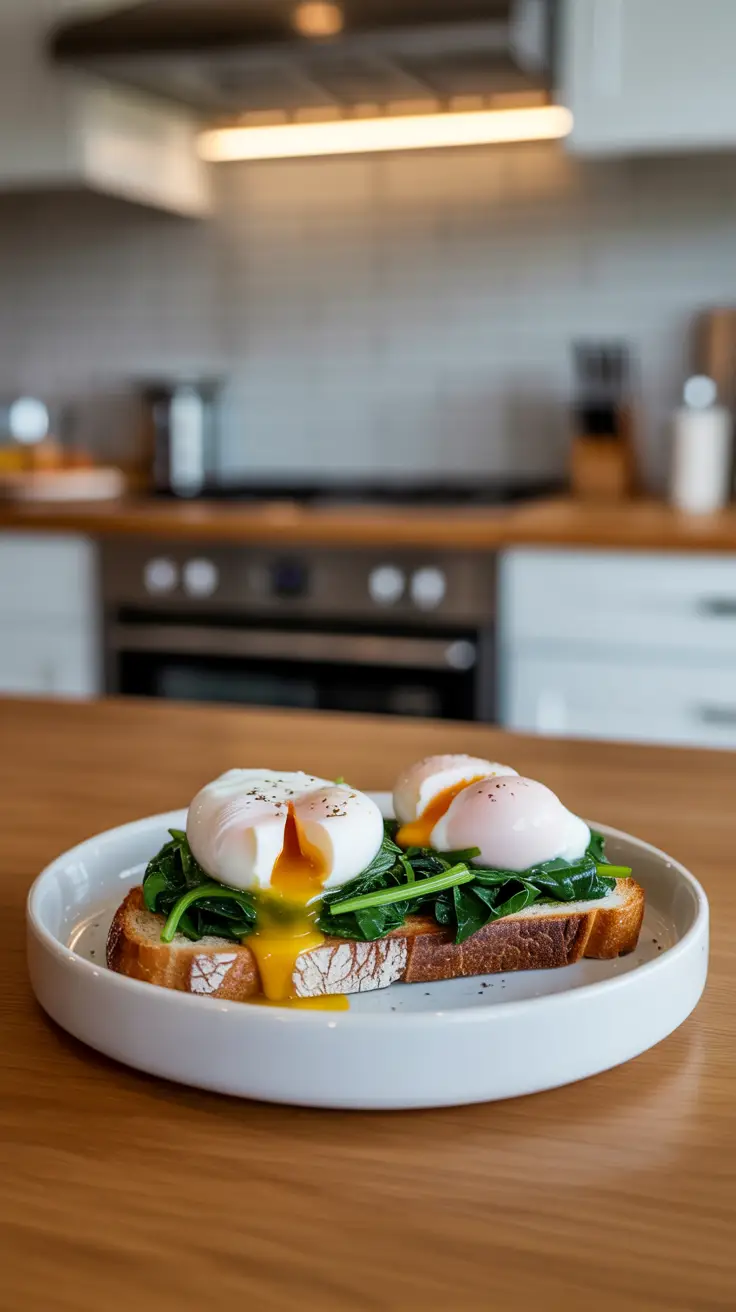
- Breakfast: Poached eggs on spelt sourdough with wilted spinach
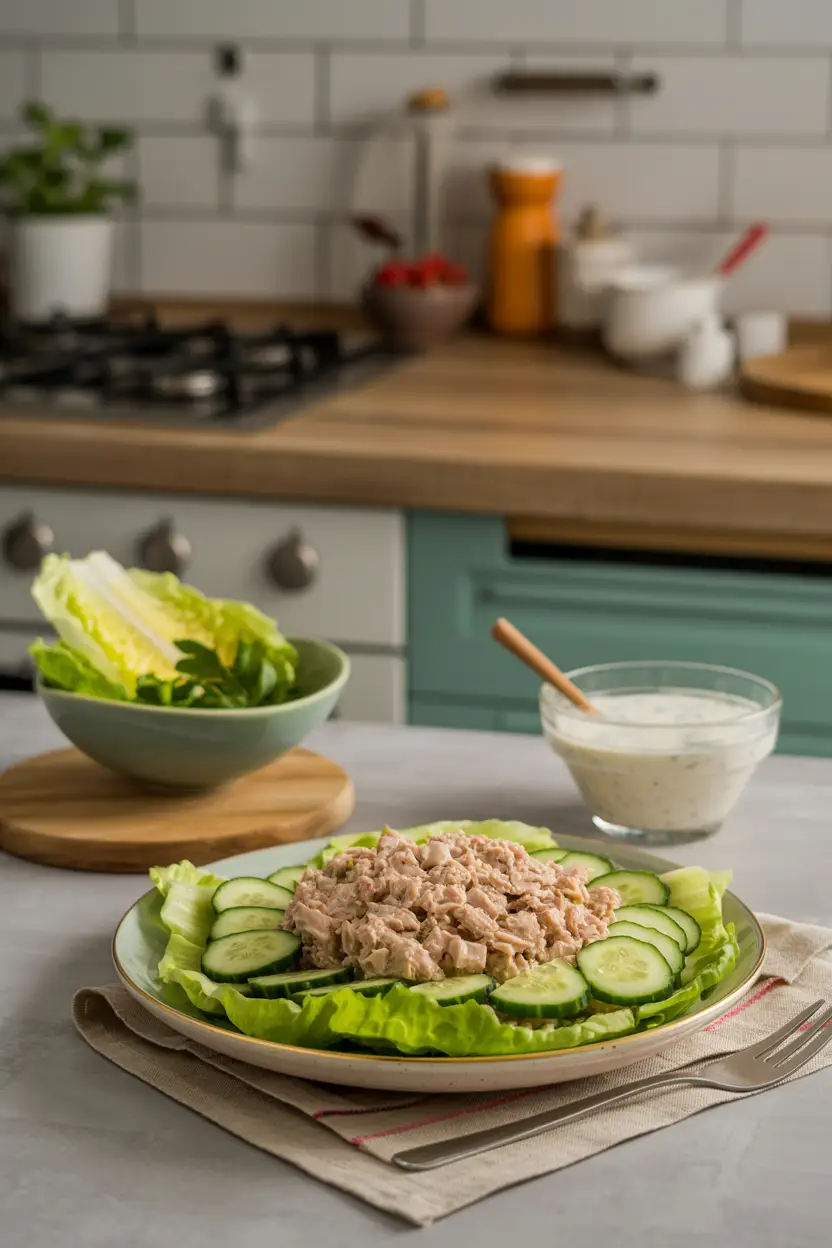
- Lunch: Tuna salad with cucumbers, lettuce, and lactose-free yogurt dressing
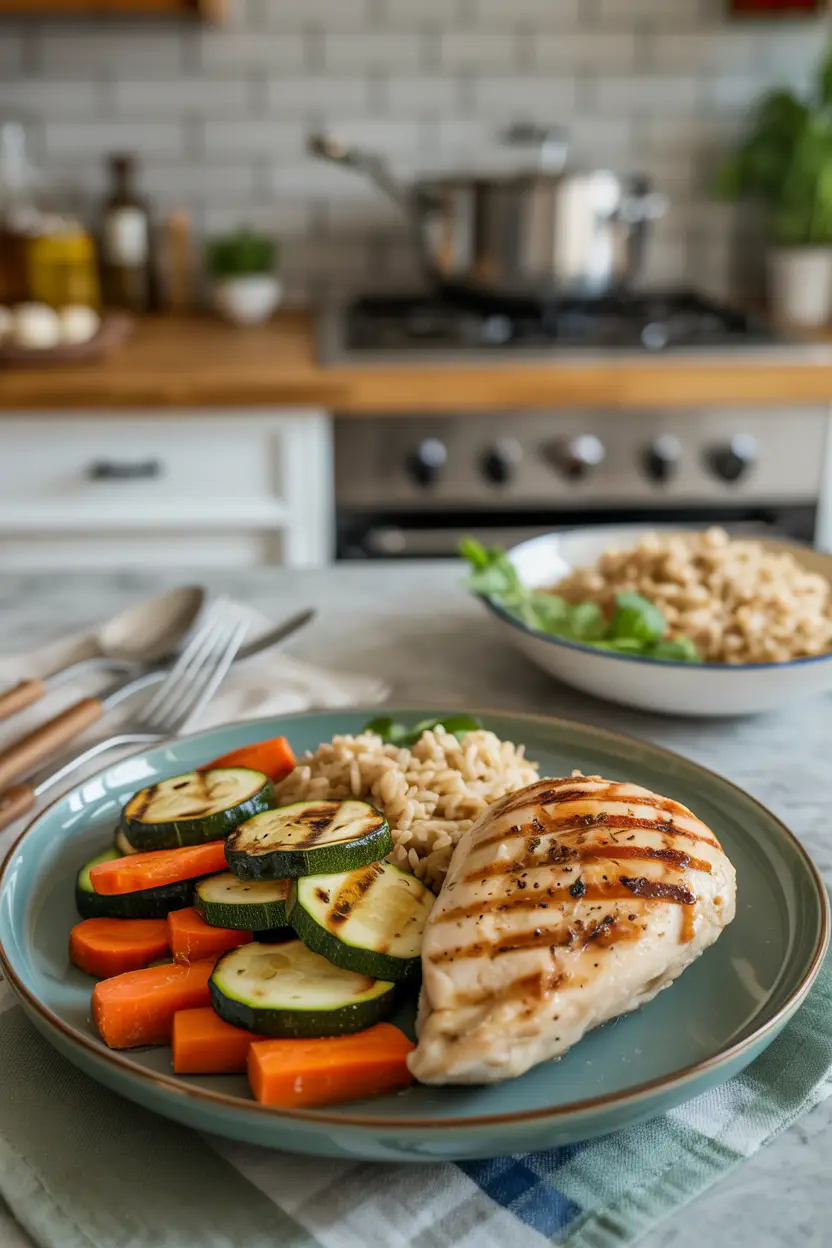
- Dinner: Grilled chicken with roasted zucchini, carrots, and brown rice
Day 1: Starting Strong
Breakfast: Poached Eggs on Spelt Sourdough with Wilted Spinach
Begin your low FODMAP journey with this protein-rich breakfast that provides sustained energy throughout the morning. Spelt sourdough bread is naturally lower in FODMAPs due to the fermentation process, which breaks down problematic carbohydrates. The combination of high-quality protein from eggs and iron-rich spinach creates a nutritionally complete meal.
To prepare, gently poach two eggs in simmering water with a splash of white vinegar. Meanwhile, wilt fresh spinach leaves in a pan with a small amount of garlic-infused oil, which provides flavor without the FODMAPs found in actual garlic. Toast two slices of spelt sourdough and arrange the wilted spinach on top, finishing with the perfectly poached eggs.
Lunch: Tuna Salad with Cucumbers, Lettuce, and Lactose-Free Yogurt Dressing
This refreshing midday meal combines lean protein with hydrating vegetables and probiotics from lactose-free yogurt. Tuna provides omega-3 fatty acids that support anti-inflammatory processes, while cucumbers offer hydration and a satisfying crunch.
Create the salad by combining canned tuna in spring water with diced cucumbers and crisp lettuce leaves. The dressing blends lactose-free Greek yogurt with fresh lemon juice, salt, and pepper. Add fresh chives for extra flavor and a pop of color. This combination provides approximately 25 grams of protein and plenty of fiber to support digestive health.
Dinner: Grilled Chicken with Roasted Zucchini, Carrots, and Brown Rice
End your first day with this balanced dinner that delivers complete nutrition. Chicken breast provides lean protein essential for muscle maintenance and satiety, while the colorful vegetables supply vitamins, minerals, and antioxidants.
Season the chicken with permitted herbs like rosemary and thyme, then grill until the internal temperature reaches 165°F. Roast sliced zucchini and carrots drizzled with olive oil at 400°F for 20-25 minutes. Serve alongside fluffy brown rice, which provides complex carbohydrates and fiber that support stable blood sugar levels.
Day 2
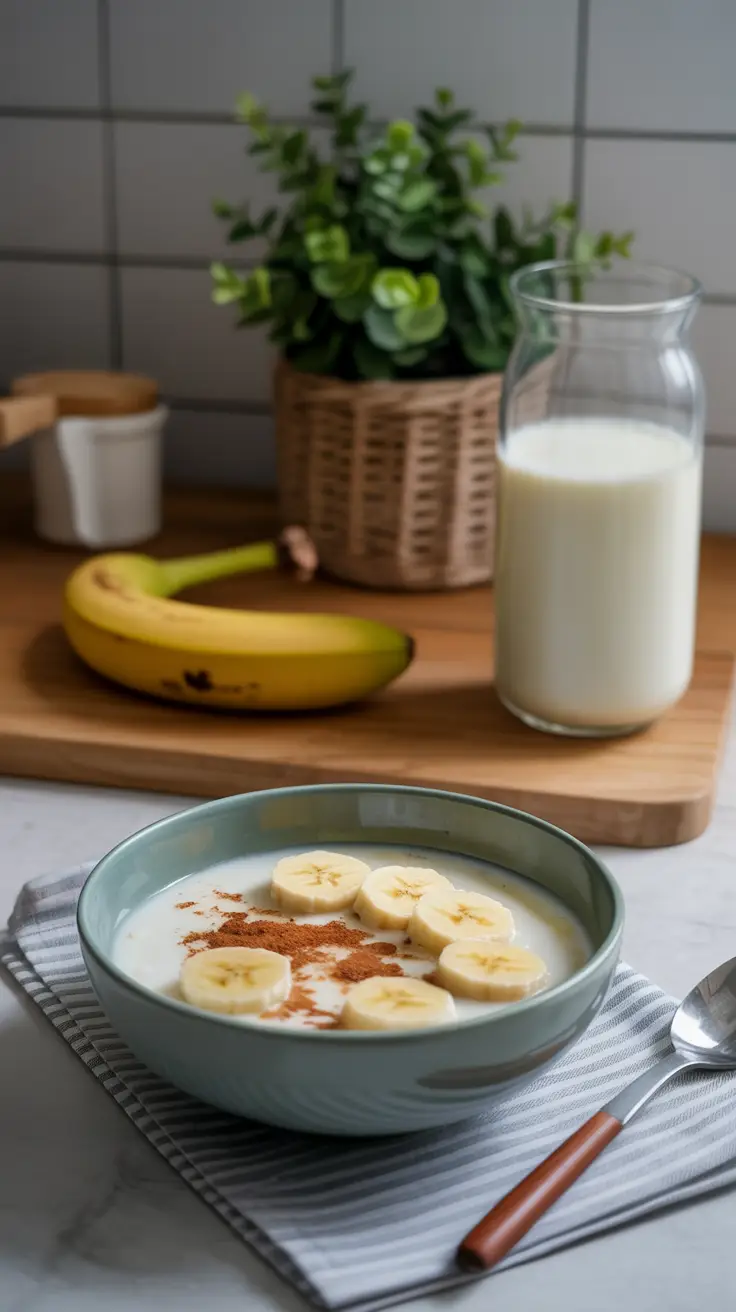
- Breakfast: Porridge with lactose-free milk, unripe banana, and cinnamon
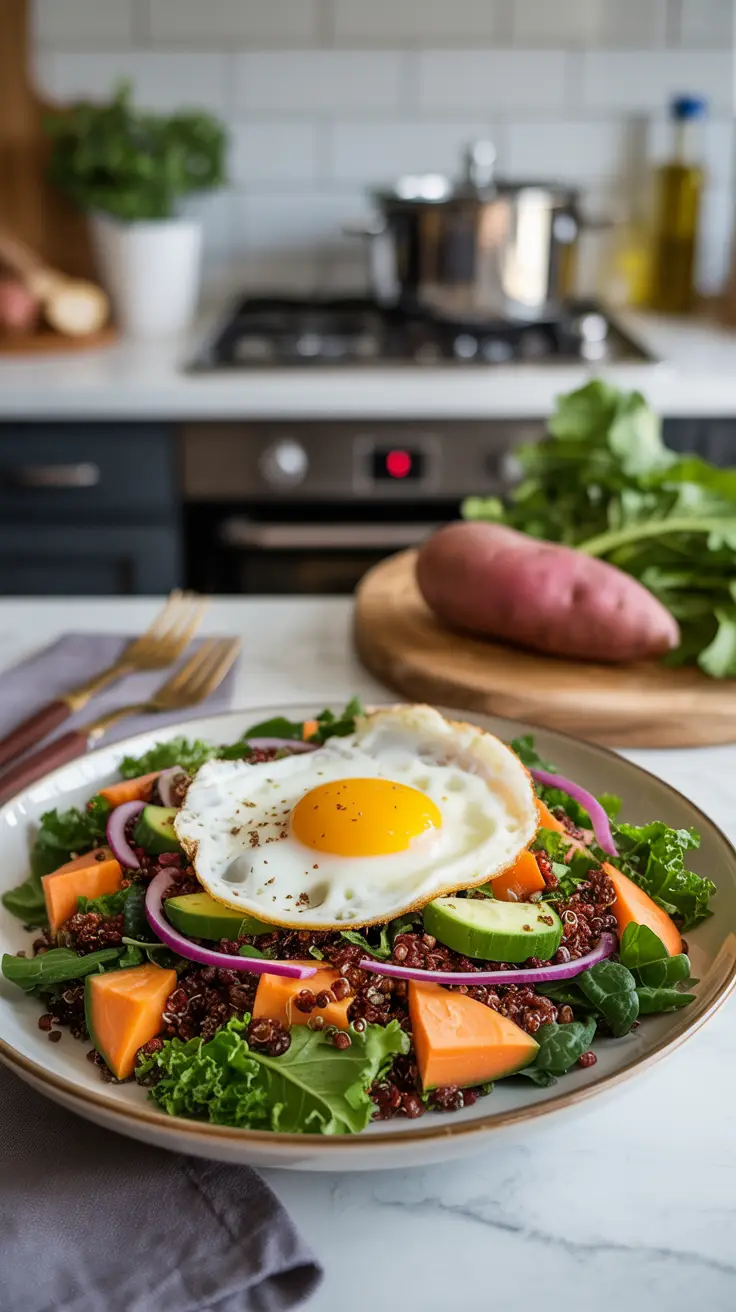
- Lunch: Quinoa salad with sweet potato, kale, and fried egg
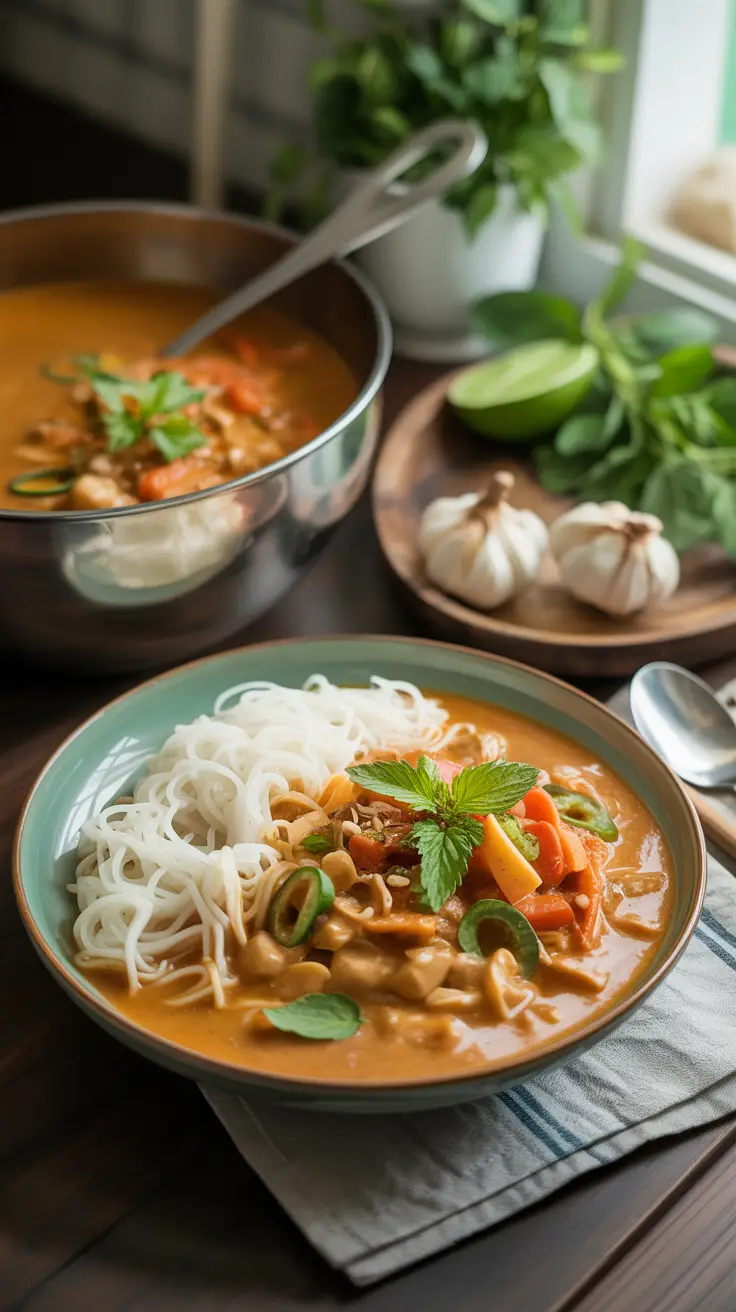
- Dinner: Vegan coconut curry with rice noodles
Day 2: Building Momentum
Breakfast: Porridge with Lactose-Free Milk, Unripe Banana, and Cinnamon
This warming breakfast provides slow-releasing energy and important nutrients. Oats contain beta-glucan fiber, which supports heart health and helps maintain steady blood sugar levels. Unripe bananas are lower in FODMAPs than ripe ones and add natural sweetness plus potassium.
Cook rolled oats with lactose-free milk until creamy, then stir in sliced unripe banana and a sprinkle of cinnamon. The cinnamon not only adds warming flavor but also provides antioxidants and may help with blood sugar regulation. This breakfast keeps you satisfied for hours while supporting digestive wellness.
Lunch: Quinoa Salad with Sweet Potato, Kale, and Fried Egg
Quinoa serves as a complete protein source, containing all essential amino acids your body needs. Combined with nutrient-dense kale and vitamin A-rich sweet potato, this lunch provides exceptional nutritional value.
Roast cubed sweet potato until tender and caramelized. Massage chopped kale with olive oil and lemon juice to break down tough fibers. Combine cooked quinoa with the roasted sweet potato and prepared kale, then top with a fried egg for additional protein and richness. The runny yolk creates a natural sauce that ties all flavors together.
Dinner: Vegan Coconut Curry with Rice Noodles
This plant-based dinner proves that low FODMAP eating can be both flavorful and satisfying. Coconut milk provides healthy fats and creates a rich, creamy base for the curry, while rice noodles offer easily digestible carbohydrates.
Sauté low-FODMAP vegetables like red bell peppers, eggplant, and green beans in coconut oil. Add canned coconut milk, fresh ginger, turmeric, and permitted curry spices. Simmer until vegetables are tender, then serve over cooked rice noodles. Garnish with fresh cilantro and a lime wedge for brightness.
Day 3
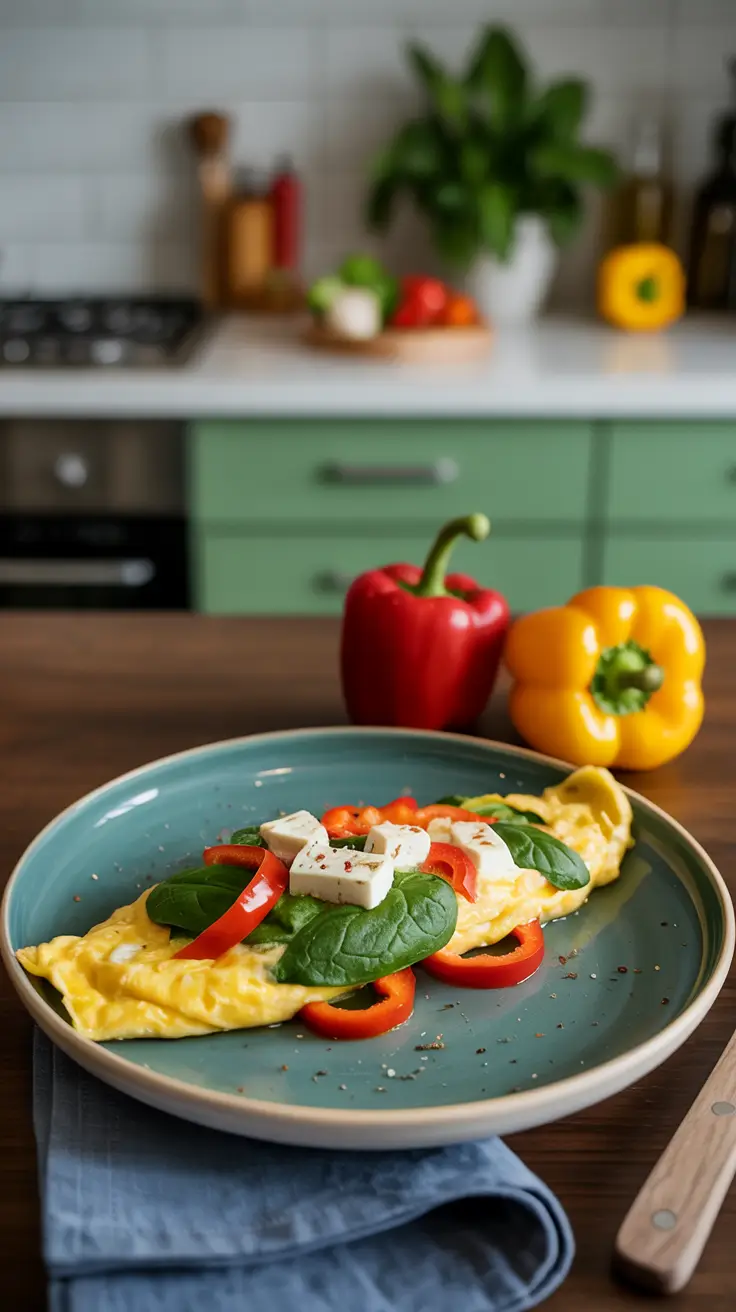
- Breakfast: Spinach and feta omelette with bell peppers
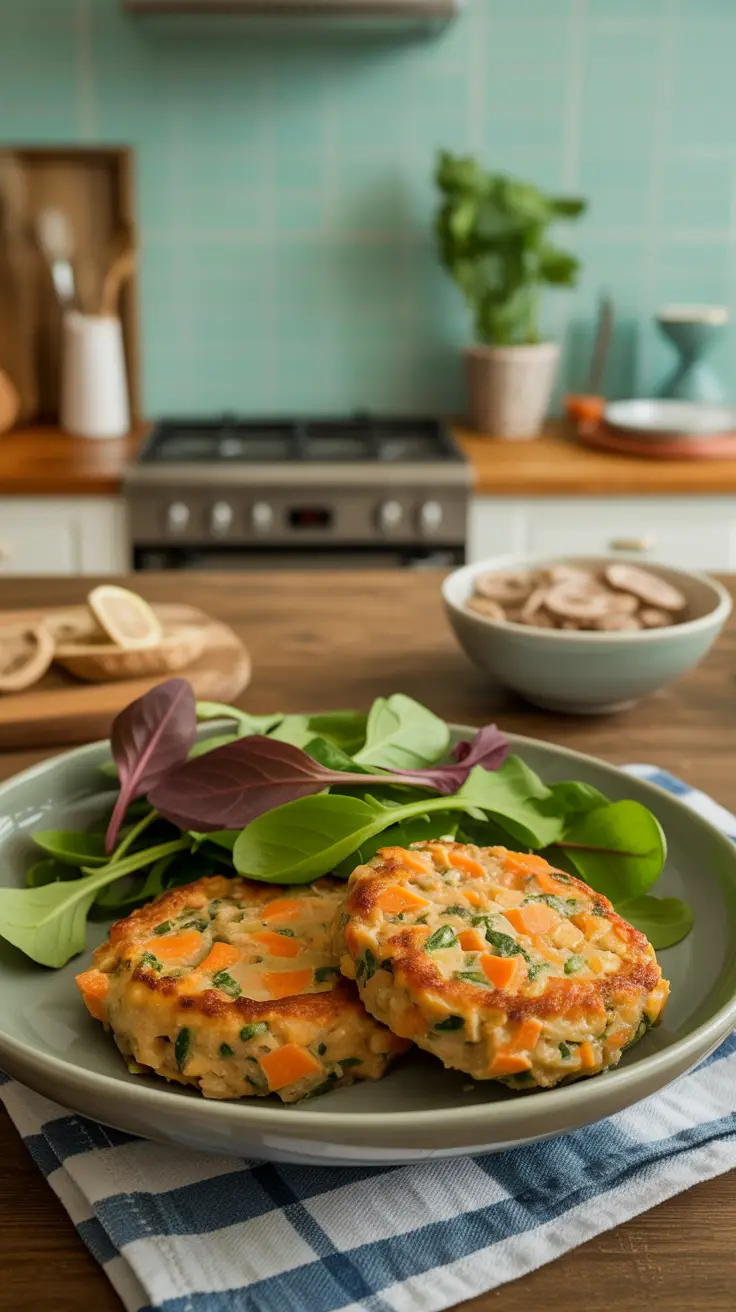
- Lunch: Tuna and sweet potato patties with mixed greens
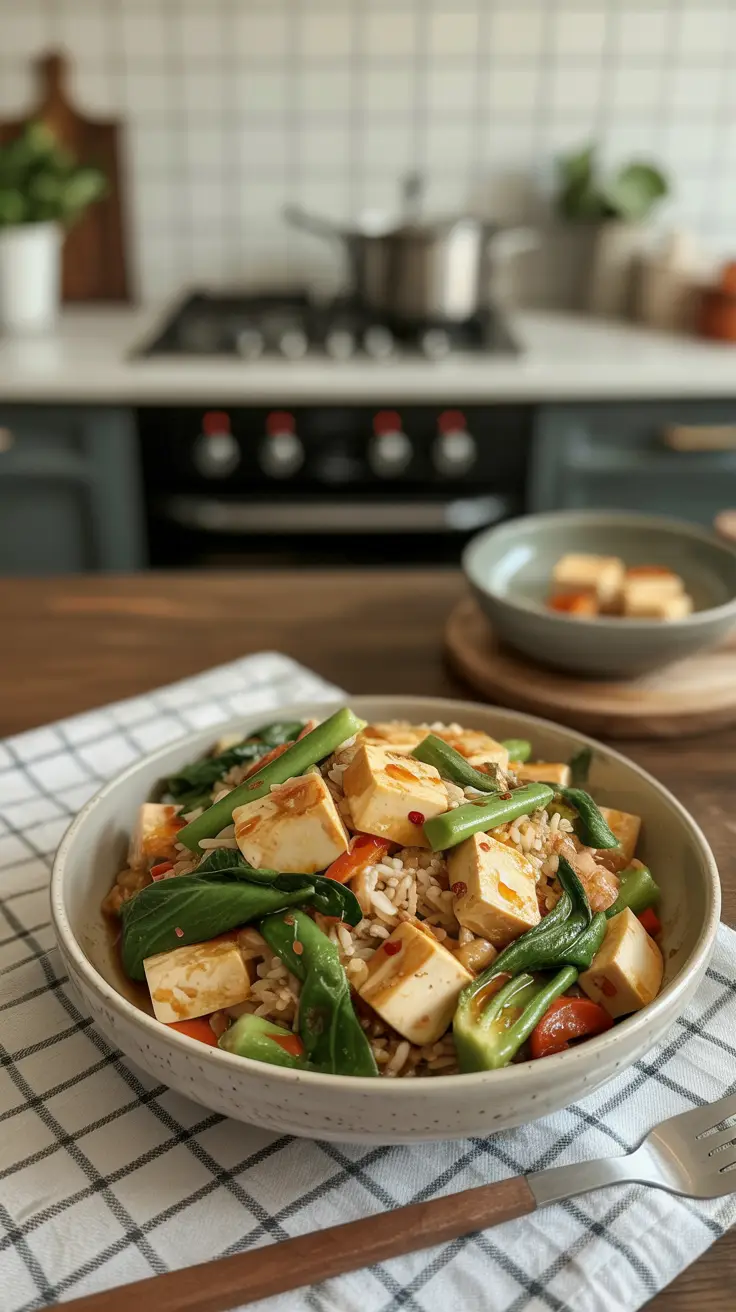
- Dinner: Stir-fried tofu with bok choy, green beans, and rice
Days 3-4: Finding Your Rhythm
Day 3 continues building variety with a spinach and feta omelette featuring colorful bell peppers, providing protein and calcium. Lunch showcases tuna and sweet potato patties, combining omega-3 fatty acids with beta-carotene. The day concludes with stir-fried tofu alongside bok choy and green beans, delivering plant-based protein and cruciferous vegetables that support detoxification.
Day 4
- Breakfast: Oat and banana pancakes with maple syrup

- Lunch: Spelt bread sandwich with cheddar cheese, alfalfa sprouts, and tomato

- Dinner: Grilled salmon with soy sauce, bok choy, and mashed sweet potato
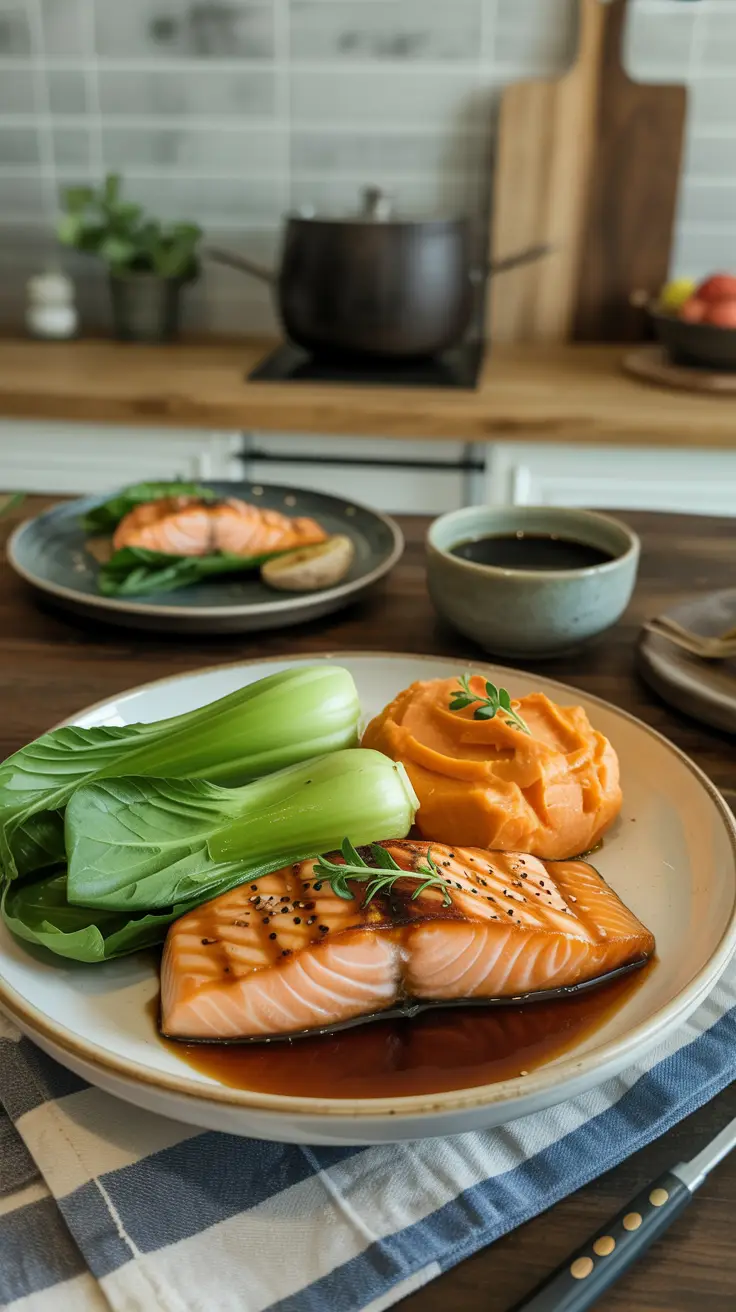
Day 4 starts with indulgent oat and banana pancakes drizzled with pure maple syrup, proving that low FODMAP eating doesn’t require sacrificing weekend treats. A hearty spelt bread sandwich with aged cheddar cheese provides calcium and probiotics for lunch. Dinner features grilled salmon with its anti-inflammatory omega-3s, paired with bok choy and creamy mashed sweet potato.
Day 5
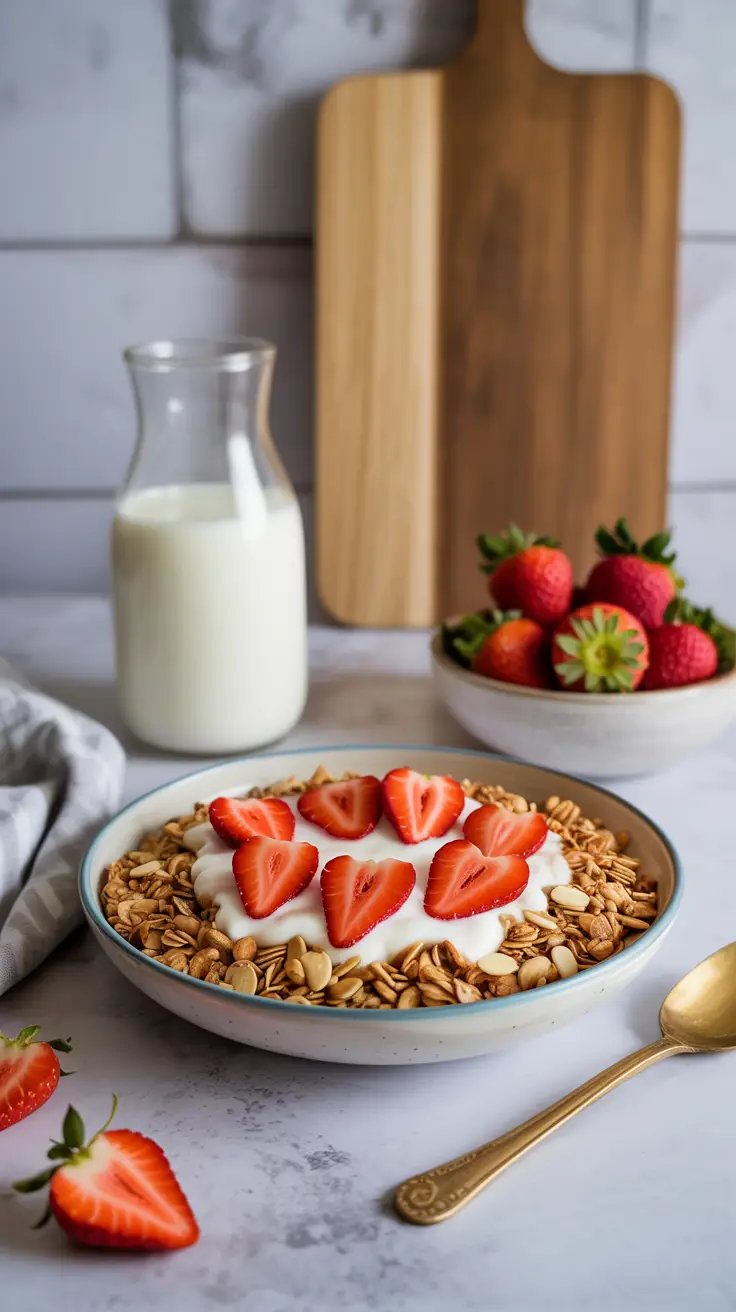
- Breakfast: Low FODMAP granola with almond milk and fresh strawberries
- Lunch: Lentil and tomato soup with a slice of gluten-free bread

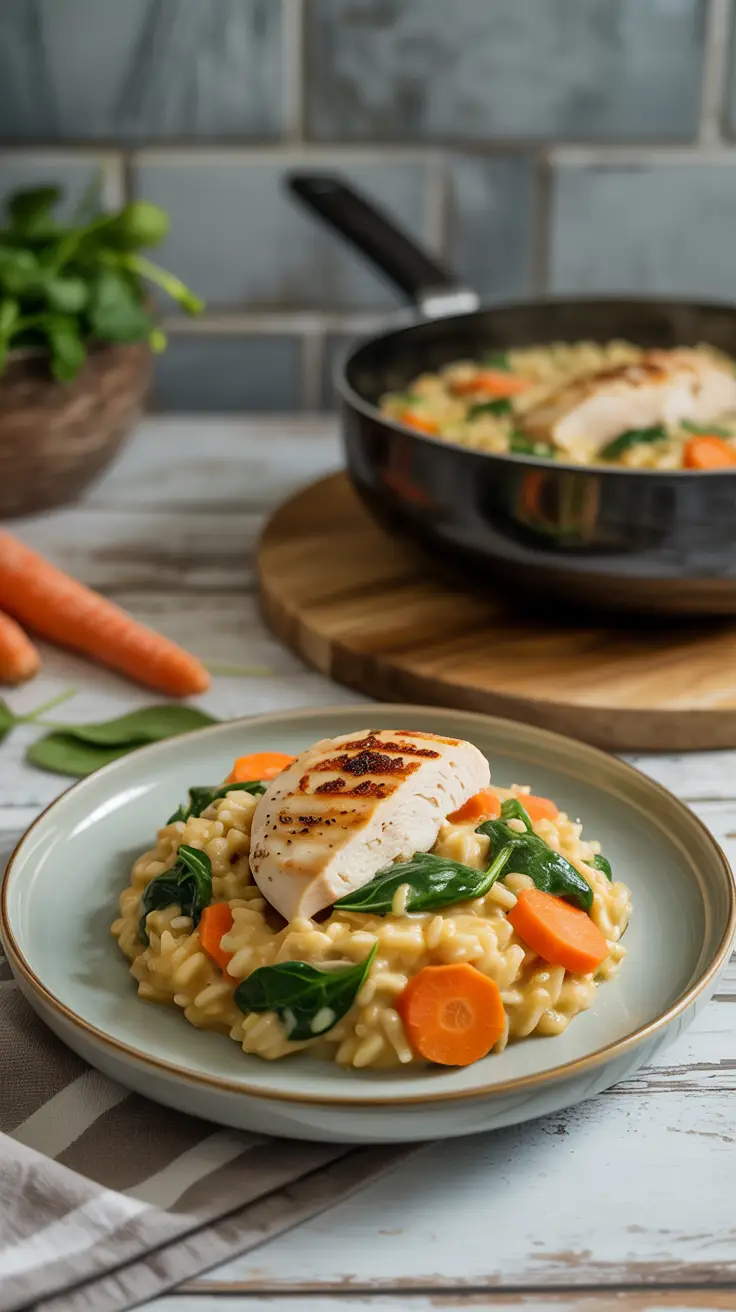
- Dinner: Chicken risotto with sautéed carrots and spinach
Days 5-7: Mastering the Plan
Day 5 introduces low FODMAP granola with almond milk and fresh strawberries, combining fiber-rich oats with antioxidant-packed berries. The warming lentil and tomato soup for lunch provides plant-based protein and lycopene. Chicken risotto with sautéed vegetables creates a comforting dinner that feels indulgent while remaining compliant.
Day 6
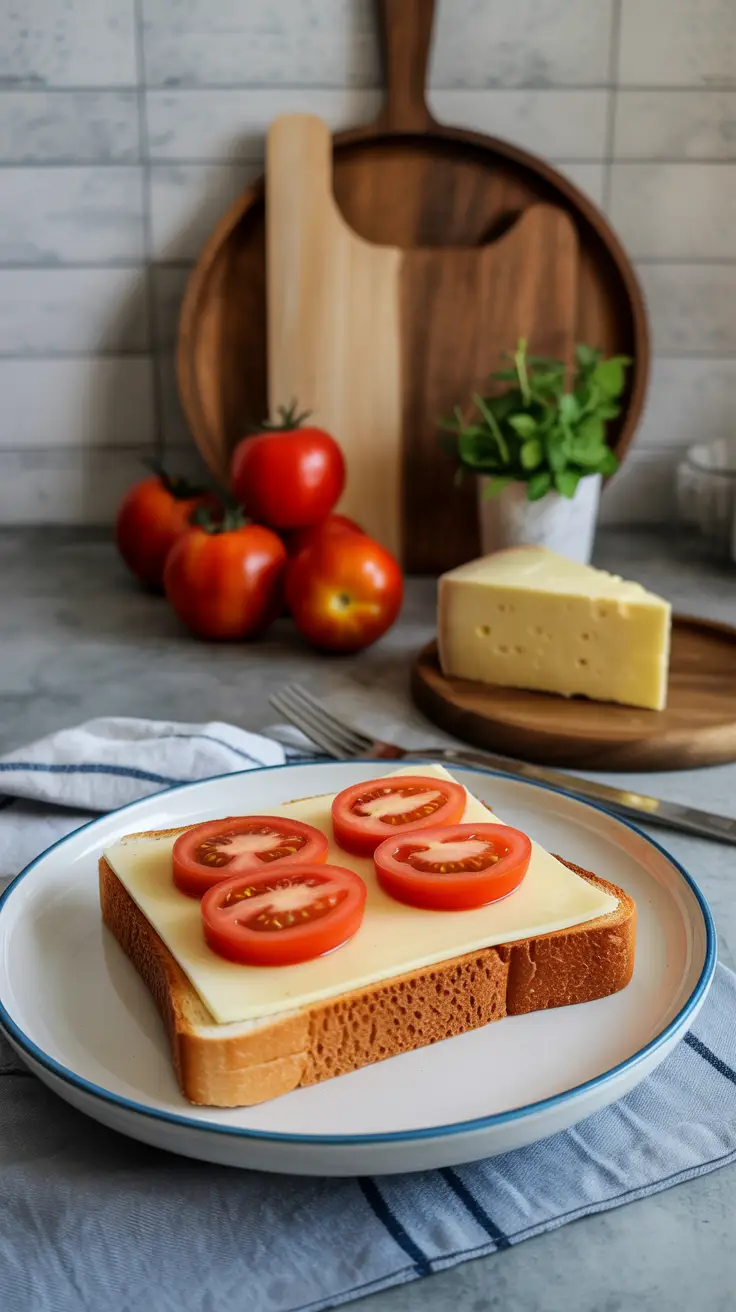
- Breakfast: Cheese and tomato on low FODMAP toast
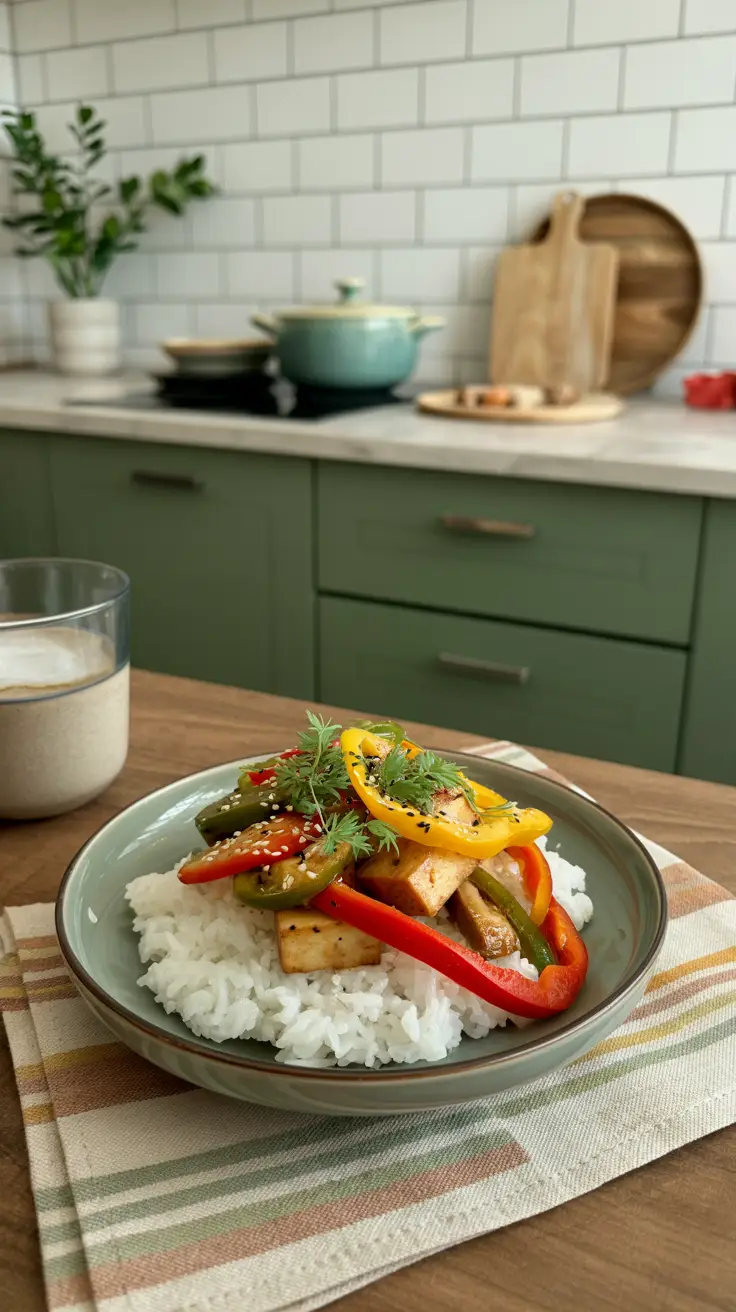
- Lunch: Rice bowl with sautéed tofu, roasted peppers, and sesame oil
- Dinner: Grilled steak with mashed potatoes and green beans
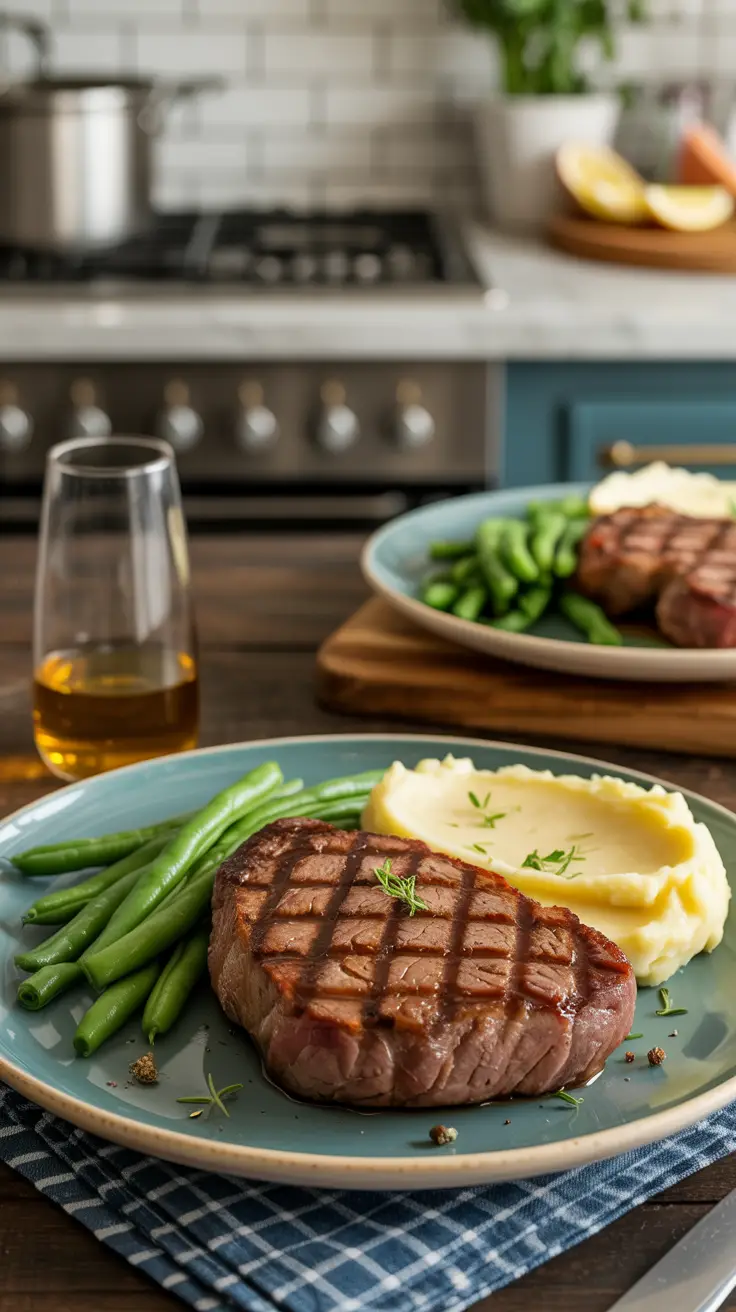
Day 6 features a simple cheese and tomato toast that’s both satisfying and quick to prepare. The rice bowl lunch with tofu and roasted peppers provides complete nutrition in an easily digestible format. Grilled steak with classic mashed potatoes and green beans offers a traditional dinner that happens to be perfectly low FODMAP.
Day 7
- Breakfast: Ricotta and sliced banana wrap

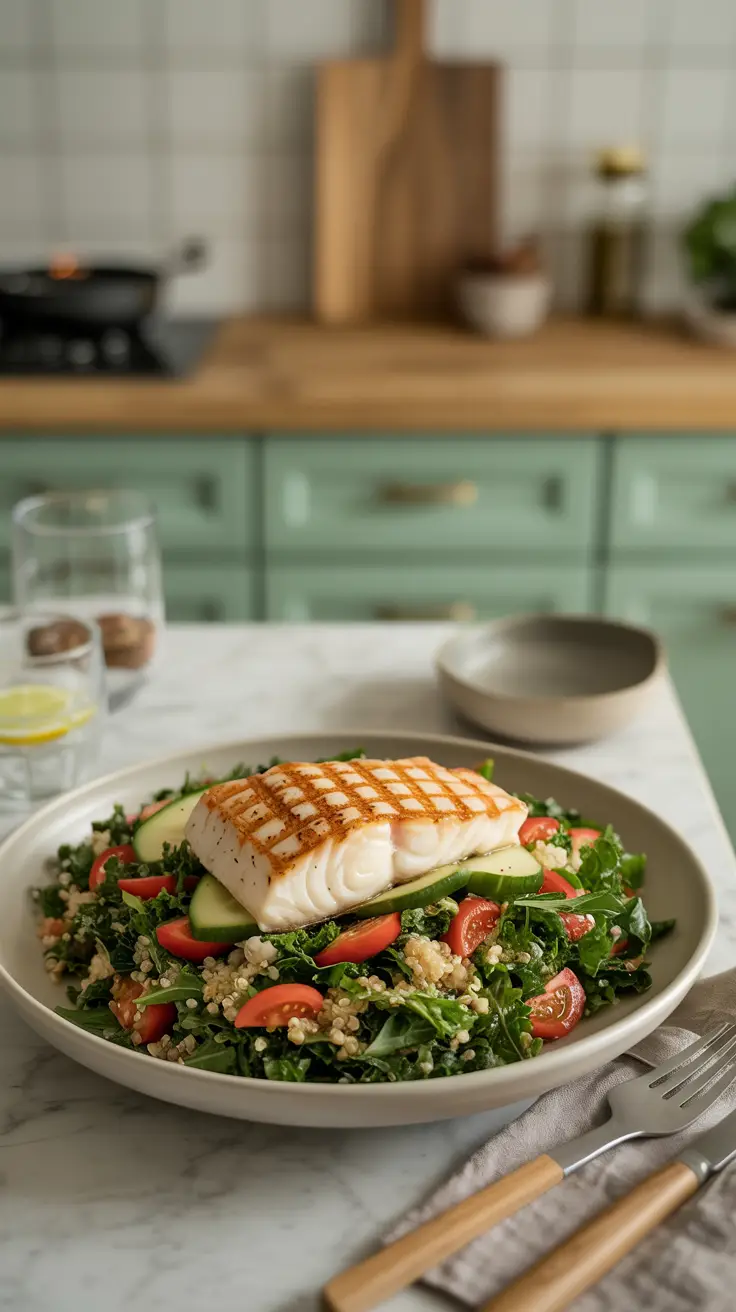
- Lunch: Kale and quinoa salad topped with grilled white fish
- Dinner: Sri Lankan beef curry with jasmine rice
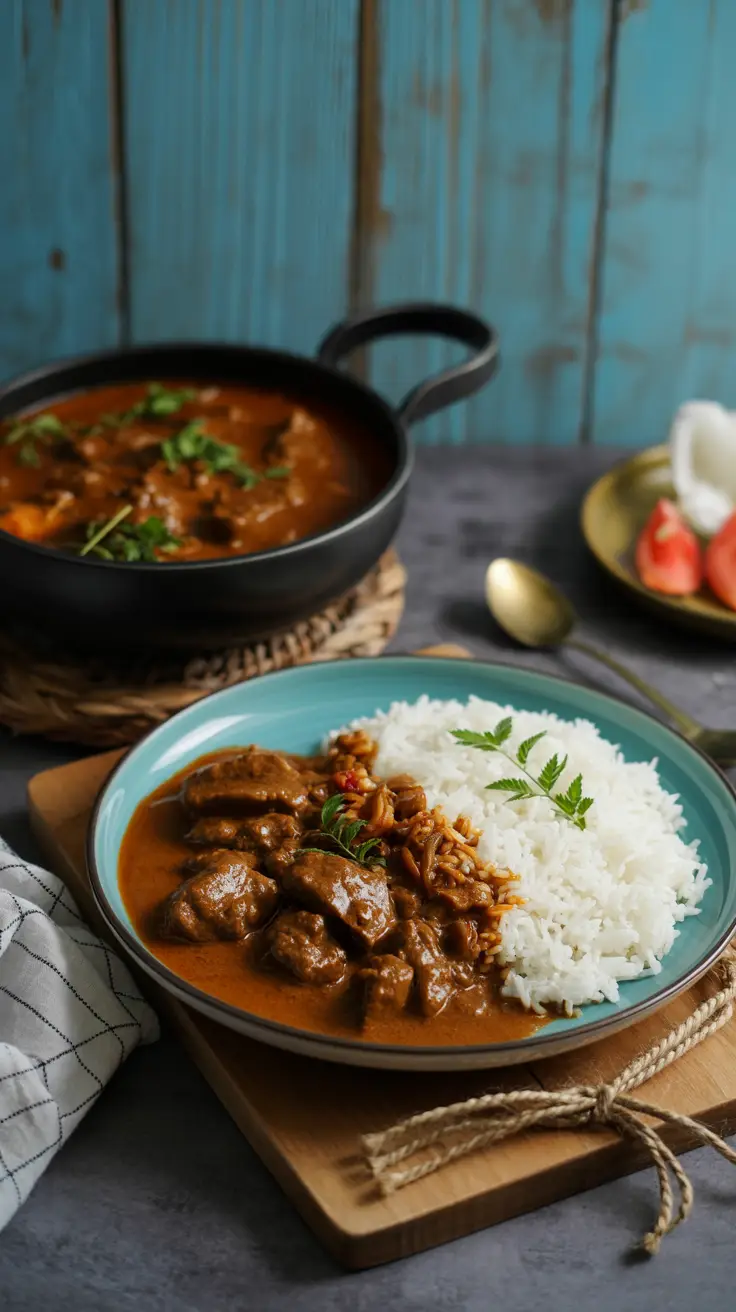
Day 7 concludes the week with a portable ricotta and banana wrap for busy mornings. The kale and quinoa salad topped with grilled white fish provides omega-3 fatty acids and leafy green nutrition. The week ends memorably with aromatic Sri Lankan beef curry served over jasmine rice, proving that dietary restrictions don’t limit culinary adventure.
Low FODMAP Snacks and Treats
Delicious and Convenient Low FODMAP Snacks and Treats
Finding satisfying snacks and treats on a low FODMAP diet doesn’t have to be challenging. With a bit of creativity and knowledge, you can enjoy a variety of options that cater to your dietary needs while keeping flavors vibrant and indulgent. Below are some great ideas to inspire your low FODMAP snacking arsenal:
Fresh Fruits in Moderation
Many fresh fruits are naturally low FODMAP when consumed in appropriate portions. Options like ripe bananas, oranges, kiwi, strawberries, blueberries, and pineapple make for a quick and juicy snack. Pair fruits with a handful of low FODMAP nuts for added texture and sustenance.
Nut Butters on Low FODMAP Bread or Crackers
Almond butter or peanut butter, free from high FODMAP additives like honey or high fructose corn syrup, can be paired with suitable low FODMAP bread or rice crackers for a delicious and satisfying treat.
Cheese and Rice Crackers
Lactose-free cheeses such as cheddar, mozzarella, or Swiss served with crispy rice crackers make an ideal savory snack. Add a touch of grape or blueberry jam (low FODMAP in small amounts) for extra flavor.
Dark Chocolate
High-quality dark chocolate (containing 70% cacao or higher) is another low FODMAP treat when enjoyed in moderation. Combine it with low FODMAP nuts or fruit for a decadent dessert-like snack.
Homemade Energy Balls
Blend low FODMAP ingredients like oats, peanut butter, dark chocolate chips, chia seeds, and a drizzle of maple syrup to create homemade energy balls. These are perfect for on-the-go snacking.
Low FODMAP Yogurt Parfaits
Layer lactose-free yogurt with a sprinkle of granola and fresh low FODMAP berries to make a tasty, nutrient-dense treat that is both satisfying and gut-friendly.
Experimenting with these options will not only help you stick to your low FODMAP diet but also ensure you enjoy delicious and nourishing snacks and treats throughout the day!
Tips for Grocery Shopping on a Low FODMAP Diet
Navigating the grocery store on a low FODMAP diet can seem daunting at first, but with some planning and know-how, it becomes much easier. Here are some practical tips to help you shop smartly and confidently while adhering to your dietary needs:
Make a List in Advance
Planning is key when following a low FODMAP diet. Before heading to the store, create a detailed shopping list that includes FODMAP-friendly foods and ingredients. Stick to your list to avoid confusion or impulse purchases.
Familiarize Yourself with Labels
Reading food labels is essential on a low FODMAP diet. Look for hidden high FODMAP ingredients, such as high-fructose corn syrup, inulin, onion powder, and garlic powder. Many packaged goods may contain these, so aim for items with simple, whole food ingredients wherever possible.
Focus on Fresh, Whole Foods
Fresh fruits, vegetables, meats, fish, and lactose-free dairy are excellent staples for a low FODMAP diet. Concentrate on purchasing unprocessed items—these are less likely to contain sneaky high FODMAP ingredients and offer a healthier approach overall.
Use Certified Low FODMAP Products
Some brands offer products certified as low FODMAP by organizations like Monash University. These can take the guesswork out of your shopping and are particularly helpful for staples such as sauces, snacks, and stock bases.
Check the App for Guidance
Use a trusted low FODMAP app, like the one from Monash University, while shopping. These apps provide clear information about what foods are considered safe and can help you make informed decisions on the go.
Shop in Bulk for Pantry Staples
Investing in low FODMAP essentials such as gluten-free flours, rice, quinoa, and lactose-free milk in bulk can not only save money but help you stay prepared with gut-friendly options at home.
By utilizing these tips, you’ll make grocery shopping efficient and stress-free while confidently adhering to your low FODMAP diet!
Meal Prep Hacks for Low FODMAP Success
- Plan Your Weekly Meals Ahead
Start your meal prep process by planning your meals for the week in advance. Create a balanced menu that integrates low FODMAP ingredients and ensures variety to avoid boredom. Having a clear plan prevents last-minute decisions that may lead to dietary missteps and ensures you’ll have all the items you need on hand.
Cook in Batches
Batch cooking is a time-saving hack, especially for a low FODMAP diet. Prepare large portions of gut-friendly recipes like soups, casseroles, or grilled proteins, and store them in individual containers in the fridge or freezer. This way, you’ll have ready-to-eat meals for busy days without the need to cook from scratch.
Pre-Chop Fruits and Vegetables
Save time during the week by washing and chopping low FODMAP fruits and vegetables like bell peppers, carrots, zucchini, or bananas. Store them in airtight containers to easily grab for snacks, salads, or stir-fries. Be mindful of portion sizes to adhere to FODMAP limits.
Use Portion-Sized Storage Containers
Invest in portion-sized containers to make meal prepping more organized. These containers help you stick to recommended low FODMAP portion sizes while making it effortless to pack meals for work, school, or travel. Labeling the containers with the meal type or day can further streamline your routine.
Incorporate Freezer-Friendly Recipes
Make use of freezer-friendly low FODMAP recipes to have meals that last longer. Options like gluten-free muffins, pre-cooked quinoa, and lactose-free dairy dishes can be frozen and quickly reheated when needed, saving you both time and stress.
Keep Snacks Handy
Prepping low FODMAP snacks such as boiled eggs, lactose-free yogurt, or low FODMAP protein bars ensures that hunger won’t lead you to non-compliant options. Store them in small bags or travel-friendly containers for convenience.
By mastering these meal prep hacks, you’ll set yourself up for long-term success while maintaining your low FODMAP lifestyle with ease and efficiency.
Eating Out While Staying Low FODMAP
Tips for Navigating Restaurants on a Low FODMAP Diet
Eating out while following a low FODMAP diet can be challenging, but with a little preparation, it’s entirely possible to enjoy a meal away from home without compromising your dietary needs. Here are some practical tips to make dining out stress-free and enjoyable:
Research Restaurants in Advance
Before heading out, take the time to research restaurants that offer customizable options or cater to specific dietary needs. Many establishments now provide allergen information or even low FODMAP menu items, so don’t hesitate to call ahead or check their website beforehand.
Know What to Avoid
Familiarize yourself with common high FODMAP ingredients often found in restaurant dishes, such as garlic, onion, wheat-based sauces, and certain vegetables. This knowledge will help you identify potential triggers on the menu and make informed choices about what to order.
Ask Questions About Preparation
Don’t be afraid to ask your server about how dishes are prepared. Questions like, “Does this sauce contain onion or garlic?” or “Can this dish be made without high FODMAP ingredients?” may help you avoid uncomfortable surprises. Most chefs are willing to accommodate dietary restrictions if communicated clearly.
Choose Simple Dishes
Opt for meals with straightforward ingredients like grilled proteins (chicken, fish, or steak) with steamed or roasted vegetables. Salads with oil and vinegar dressing or potato-based sides can also be good low FODMAP choices.
Bring Low FODMAP Essentials
Carry low FODMAP-friendly items, such as a garlic-infused oil or lactose-free creamer, to enhance your dish if needed. Having these essentials on hand can make the experience more enjoyable without feeling restricted.
By planning ahead, advocating for your needs, and selecting safe options, you can confidently maintain your low FODMAP lifestyle while enjoying meals at your favorite restaurants.
Common Mistakes to Avoid on the Low FODMAP Diet
- Ignoring Portion Sizes: Even low FODMAP foods can trigger symptoms in large amounts.
- Skipping the Reintroduction Phase: This phase is crucial for creating a sustainable diet.
- Not Consulting a Doctor or Dietitian: Professional guidance can prevent nutritional gaps.
When to Reintroduce High FODMAP Foods
How and When to Reintroduce High FODMAP Foods
The reintroduction phase of the low FODMAP diet is a critical step in identifying which high FODMAP foods you can tolerate and in what quantities. This process typically begins after the elimination phase, once your symptoms are under control and have been stable for at least 2-6 weeks. Reintroducing foods in a structured and gradual way is essential to accurately determine your personal dietary triggers.
To start, select one high FODMAP food to test at a time. Introduce it in small amounts first, gradually increasing the portion over a few days while closely monitoring your body’s response. Be sure to keep the rest of your diet consistent during this time to ensure that any symptoms experienced can be directly attributed to the specific food being reintroduced. Record your observations in a food and symptom journal to track patterns and reactions effectively.
It’s also important to give yourself a few symptom-free days before testing another food, allowing your digestive system to stabilize. Prioritize testing foods that are significant to your diet or that you frequently crave, such as dairy products, legumes, or certain types of fruits. This will help create a more varied and enjoyable long-term diet.
Remember, the goal of the reintroduction phase is not to permanently exclude all high FODMAP foods but to develop a personalized diet that supports both your health and quality of life. It’s highly recommended to consult with a dietitian during this phase, as they can guide you through the process and ensure all food groups are tested systematically. By following this methodical approach, you’ll gain confidence in managing your symptoms while expanding your dietary options.
Take Action for a Happier Gut
Navigating the low FODMAP diet may seem challenging, but with the right tools, support, and meal plans, you’ll quickly see improvements in your digestive health. For tailored advice, consult a FODMAP-trained dietitian.
Start your low FODMAP journey today and reclaim your mealtime peace.