

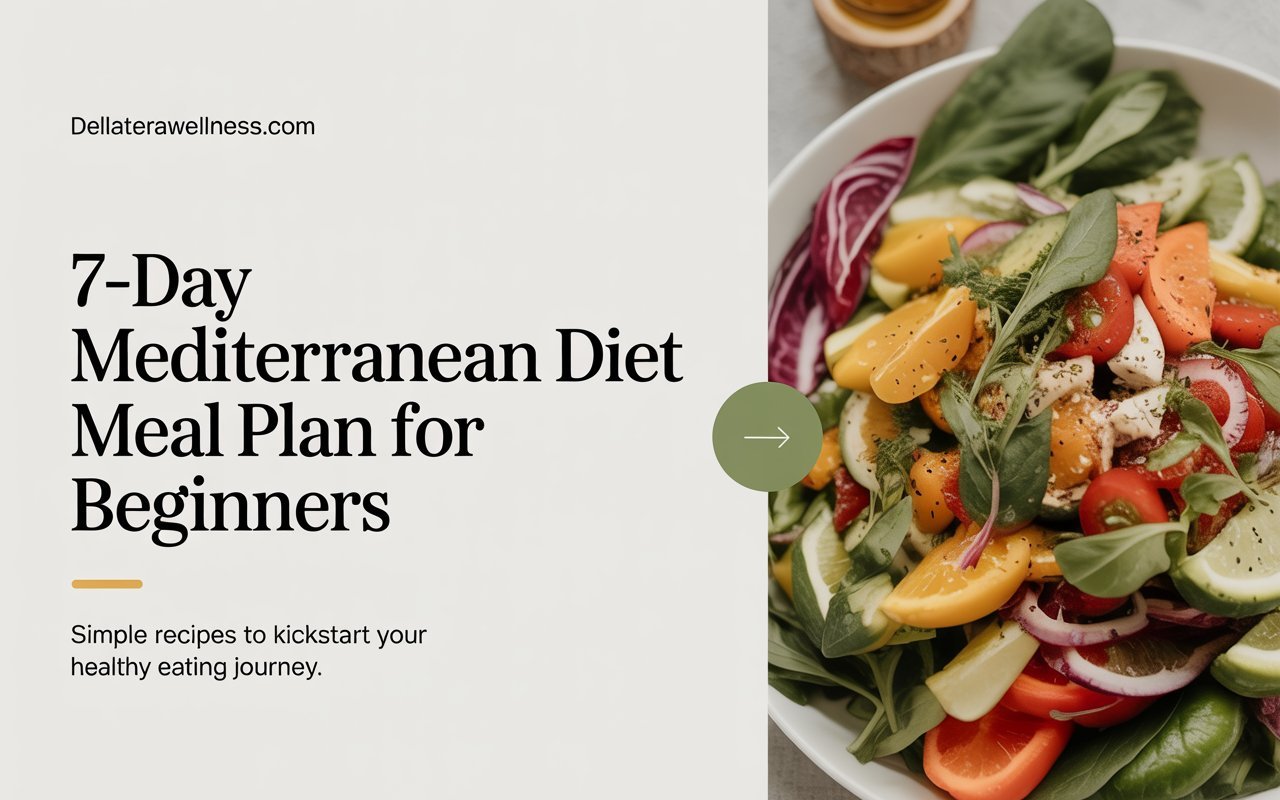
The Mediterranean diet is globally celebrated for its health benefits and deliciously fresh meals. Rooted in the eating habits of countries bordering the Mediterranean Sea, this lifestyle—not merely a diet—is a wholesome and sustainable path toward better health.
If you’re looking to enjoy meals that are not only heart-friendly but also rich in flavors, this guide will walk you through a 7-day Mediterranean diet meal plan complete with simple recipe ideas, health benefits, and tips to incorporate this eating style into your daily life.
Why Choose the Mediterranean Diet?
The Health Benefits of the Mediterranean Diet
The Mediterranean diet is widely celebrated for its substantial health benefits, which are backed by decades of research. One of its most renowned advantages is its ability to support heart health. The abundant use of olive oil, a staple in this diet, along with nuts, seeds, and fatty fish like salmon, provides healthy unsaturated fats that can reduce bad cholesterol levels and lower the risk of cardiovascular diseases.
Beyond heart health, this diet is also linked to improved brain function. Studies suggest that the antioxidant-rich ingredients, such as leafy greens, berries, and whole grains, may help reduce inflammation and protect against cognitive decline, potentially preventing conditions like Alzheimer’s disease.
The Mediterranean diet promotes weight management, thanks to its emphasis on whole, unprocessed foods that are naturally high in fiber and nutrients. By leaning on filling ingredients such as legumes, vegetables, and whole grains, it becomes easier to limit calorie-dense, nutrient-poor options without feeling deprived.
Additionally, incorporating this eating pattern has been shown to regulate blood sugar levels, making it a fantastic choice for individuals managing type 2 diabetes. The balanced approach to carbohydrates, combined with healthy fats and proteins, helps stabilize energy and keep glucose levels in check.
Lastly, but no less importantly, this diet encourages a well-rounded and sustainable approach to eating. It’s less about strict rules and more about enjoying wholesome food in moderation, alongside social connections and physical activity. Combined, these factors contribute not only to longevity but also to an enhanced overall quality of life.
By adopting the Mediterranean diet, you’re not just nourishing your body but also building a foundation for long-term health and well-being.
Grocery List: What to Buy for the Week
Grocery List Essentials for the Mediterranean Diet
To follow a Mediterranean-style diet effectively, you’ll want to stock your kitchen with fresh, wholesome ingredients that form the foundation of this healthy eating pattern. Here’s a helpful list of items to guide your weekly grocery shopping:
Fresh Produce
- Fruits and vegetables are staples of the Mediterranean diet. Fill your cart with a colorful array of options to maximize nutrition:
- Vegetables: Tomatoes, leafy greens (spinach, kale, arugula), zucchini, eggplant, bell peppers, cucumbers, broccoli, and artichokes.
- Fruits: Berries, citrus (oranges, lemons, and grapefruits), apples, peaches, figs, and pomegranates.
Whole Grains
- These are key sources of fiber and energy:
- Quinoa, farro, bulgur, whole-grain pasta, and brown rice.
- Whole-wheat bread or pita.
Healthy Fats
- Healthy fats are a hallmark of the Mediterranean diet, especially olive oil:
- Extra virgin olive oil for cooking and dressings.
- Avocados and olives for snacks or topping salads.
Protein
- Plant-based and lean proteins are central to this eating style:
- Legumes: Chickpeas, lentils, and black beans.
- Seafood (aim for 2-3 servings a week): Salmon, sardines, tuna, and shrimp.
- Other Proteins: Eggs, nuts (almonds, walnuts, pistachios), and seeds (chia, flaxseeds, sunflower seeds).
Dairy
- Select unsweetened or minimally processed options:
- Greek yogurt, plain unsweetened.
- Feta or parmesan cheese (used in moderation).
- Herbs and Spices
- Add flavor naturally without extra sodium:
- Basil, oregano, rosemary, parsley, dill, paprika, and cumin.
This well-rounded grocery list ensures you’re prepared to cook delicious meals rich in nutrients. By keeping these items on hand, you’ll support your health goals while enjoying the vibrant flavors of the Mediterranean diet.
7-Day Mediterranean Meal Plan
Day 1: Starting Strong with Mediterranean Classics
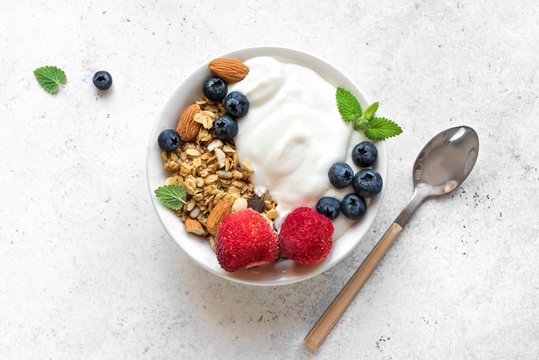
Breakfast: Greek Yogurt Berry Bowl
Begin your Mediterranean journey with this protein-rich breakfast that combines creamy Greek yogurt with antioxidant-packed berries. The addition of walnuts provides heart-healthy omega-3 fatty acids, while honey adds natural sweetness without refined sugar.
Per Serving:
- Calories: 285
- Fats: 12g
- Protein: 18g
- Carbs: 32g
- Fiber: 6g
- Sugar: 24g
The thick, creamy texture of Greek yogurt provides probiotics for digestive health, while the mixed berries deliver vitamin C and fiber. Walnuts contribute essential fatty acids that support brain function and reduce inflammation.
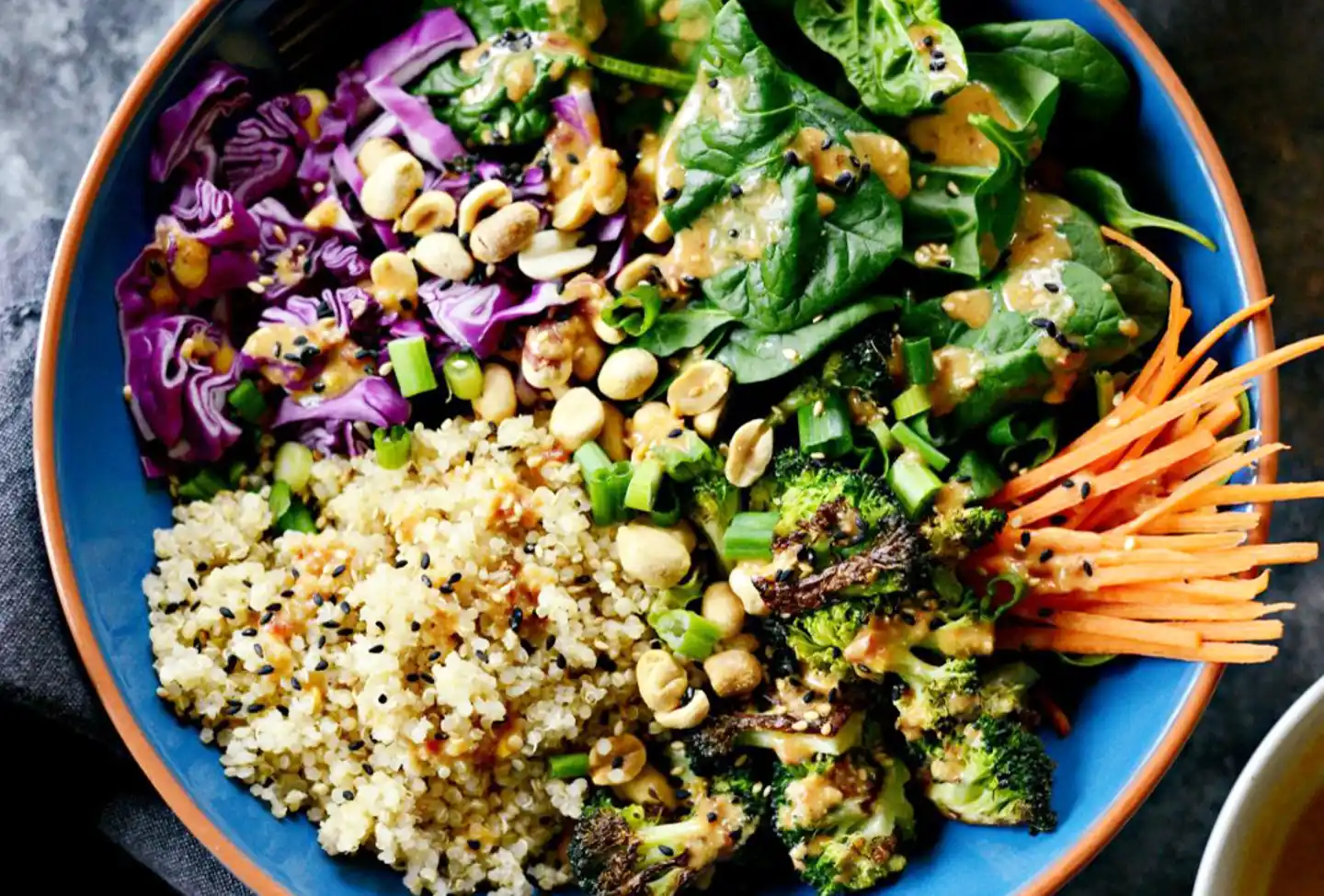
Lunch: Mediterranean Quinoa Bowl
This colorful quinoa bowl showcases the vibrant vegetables that make Mediterranean cuisine so appealing. Roasted zucchini, bell peppers, and cherry tomatoes create a satisfying meal that’s both nutritious and filling.
Per Serving:
- Calories: 420
- Fats: 18g
- Protein: 12g
- Carbs: 58g
- Fiber: 8g
- Sugar: 12g
Quinoa serves as a complete protein, containing all nine essential amino acids. The olive oil and lemon juice dressing provides healthy monounsaturated fats that help your body absorb fat-soluble vitamins from the vegetables.
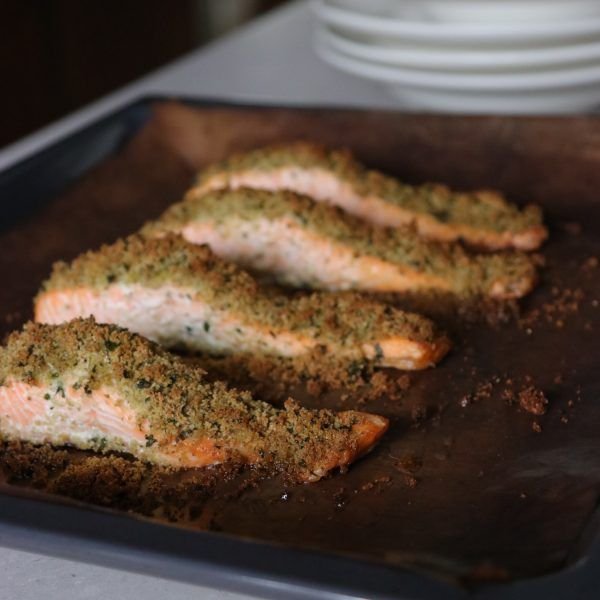
Dinner: Herb-Crusted Salmon with Sweet Potatoes
End your first day with this omega-3 rich salmon dinner. The garlic-herb olive oil dressing infuses the fish with Mediterranean flavors, while sweet potatoes provide complex carbohydrates and beta-carotene.
Per Serving:
- Calories: 485
- Fats: 22g
- Protein: 35g
- Carbs: 38g
- Fiber: 7g
- Sugar: 8g
Salmon delivers high-quality protein and essential omega-3 fatty acids that support heart and brain health. The steamed spinach adds iron and folate, making this a nutritionally complete meal.
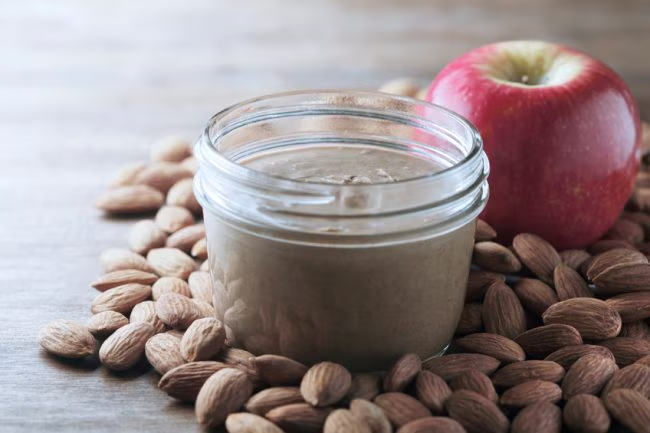
Snack: Apple and Almonds
This simple snack combines the natural sweetness of apples with the satisfying crunch of almonds.
Per Serving:
- Calories: 190
- Fats: 14g
- Protein: 6g
- Carbs: 15g
- Fiber: 5g
- Sugar: 11g
Day 2: Embracing Mediterranean Staples
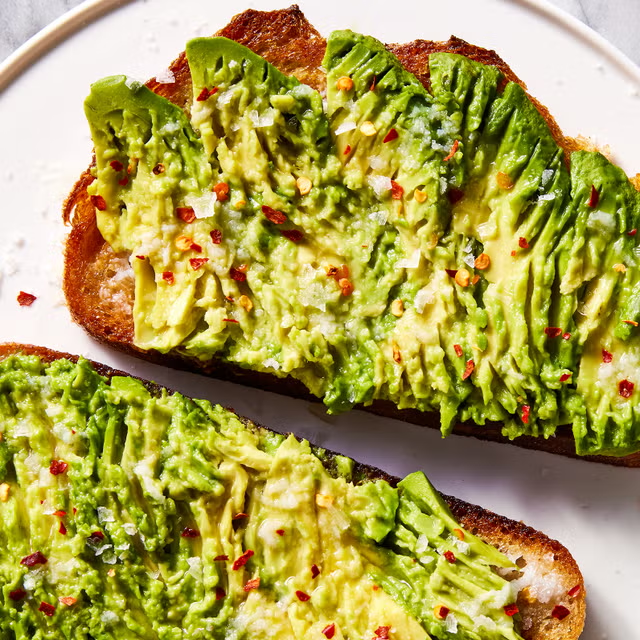
Breakfast: Avocado Toast with Poached Egg
This modern Mediterranean breakfast combines creamy avocado with protein-rich eggs on fiber-filled whole-grain bread. The chili flakes add a gentle heat that awakens your taste buds.
Per Serving:
- Calories: 340
- Fats: 20g
- Protein: 15g
- Carbs: 28g
- Fiber: 10g
- Sugar: 3g
Avocados provide heart-healthy monounsaturated fats and potassium, while eggs contribute high-quality protein and essential nutrients like choline for brain health.
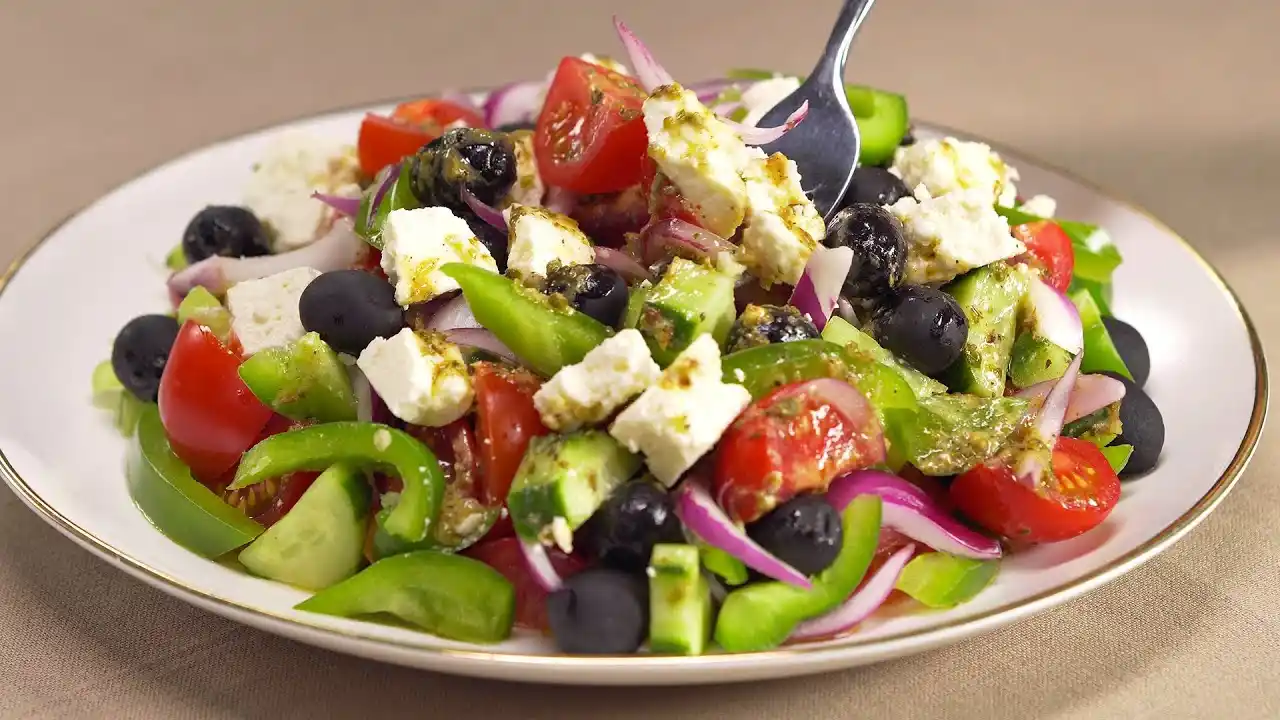
Lunch: Traditional Greek Salad
This authentic Greek salad celebrates the fresh, simple ingredients that define Mediterranean cuisine. The combination of crisp vegetables, briny olives, and tangy feta cheese creates a satisfying midday meal.
Per Serving:
- Calories: 380
- Fats: 28g
- Protein: 12g
- Carbs: 24g
- Fiber: 6g
- Sugar: 14g
Kalamata olives provide healthy fats and antioxidants, while feta cheese adds calcium and protein. The whole-grain pita bread offers complex carbohydrates for sustained energy.
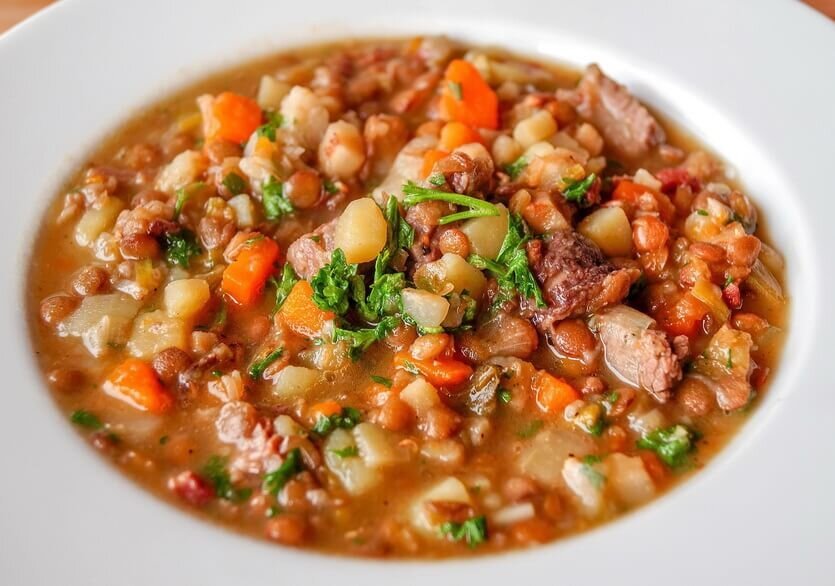
Dinner: Warming Lentil Stew
This hearty lentil stew showcases the Mediterranean love for legumes. Seasoned with warming spices like cumin and turmeric, it’s both comforting and nutritious.
Per Serving:
- Calories: 425
- Fats: 8g
- Protein: 20g
- Carbs: 68g
- Fiber: 16g
- Sugar: 8g
Lentils are nutritional powerhouses, providing plant-based protein, fiber, and folate. The whole-grain couscous adds additional fiber and B vitamins.
Snack: Hummus and Carrots
This classic Mediterranean snack pairs protein-rich hummus with crunchy carrots for a satisfying afternoon treat.
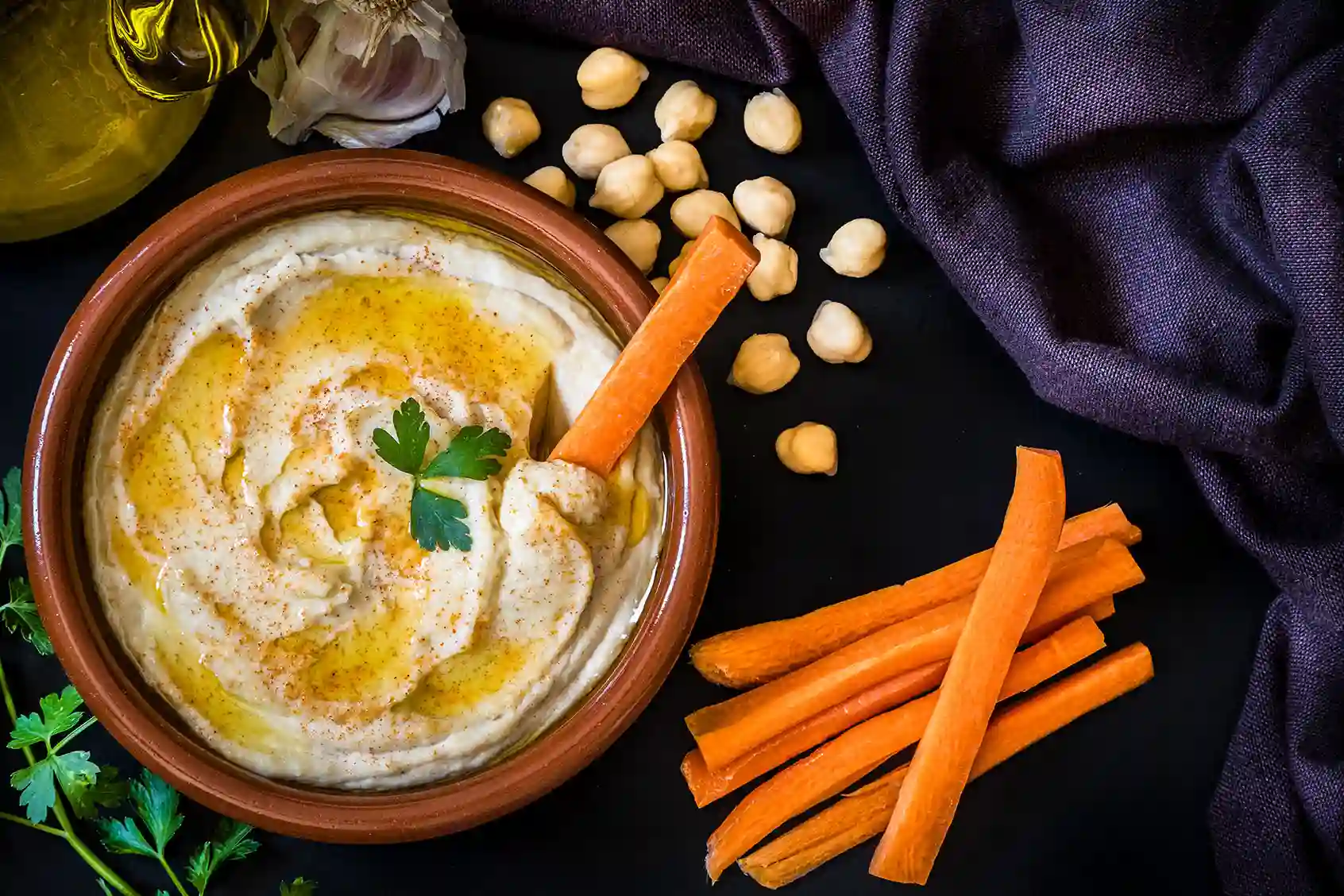
Per Serving:
- Calories: 120
- Fats: 6g
- Protein: 4g
- Carbs: 14g
- Fiber: 4g
- Sugar: 6g
Day 3: Exploring Flavor Combinations
Breakfast: Tahini Banana Oatmeal
Start your third day with this creamy oatmeal topped with sliced bananas and nutty tahini. Chia seeds add omega-3 fatty acids and create a pudding-like texture.
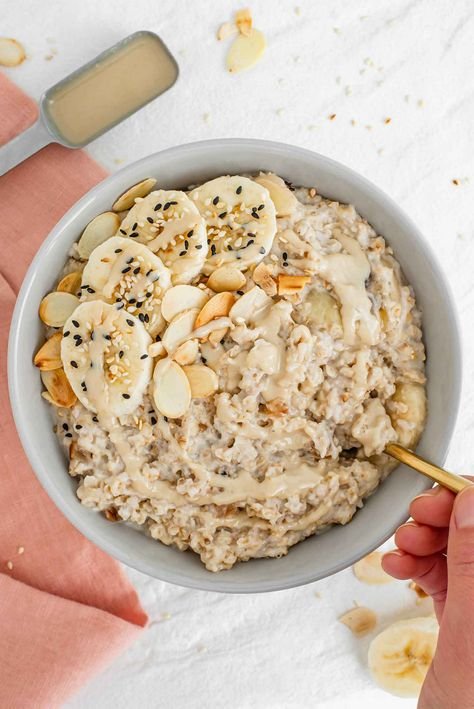
Per Serving:
- Calories: 395
- Fats: 16g
- Protein: 12g
- Carbs: 56g
- Fiber: 10g
- Sugar: 18g
Steel-cut oats provide sustained energy through complex carbohydrates, while tahini contributes calcium and healthy fats. Bananas add natural sweetness and potassium.
Lunch: Fresh Chickpea Salad
This refreshing chickpea salad features fresh herbs and vegetables tossed in a light vinaigrette. It’s a perfect example of how simple ingredients can create extraordinary flavors.
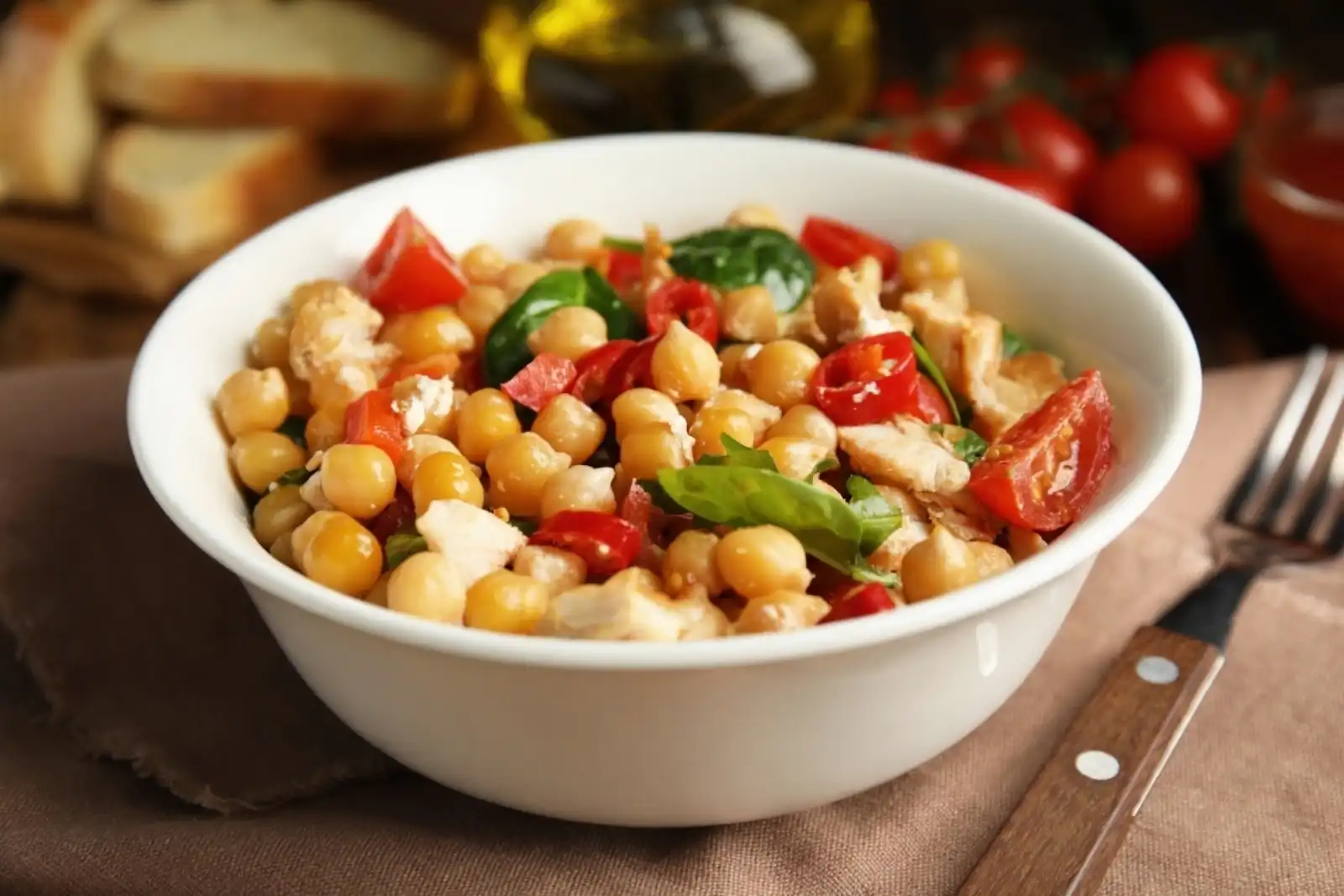
Per Serving:
- Calories: 350
- Fats: 12g
- Protein: 15g
- Carbs: 48g
- Fiber: 12g
- Sugar: 8g
Chickpeas provide plant-based protein and fiber, while fresh herbs like parsley and mint add antioxidants and bright flavors that make this salad incredibly satisfying.
Dinner: Herb-Roasted Chicken with Brown Rice
This protein-rich dinner features tender chicken breast paired with fragrant herbed brown rice pilaf and nutritious steamed broccoli.
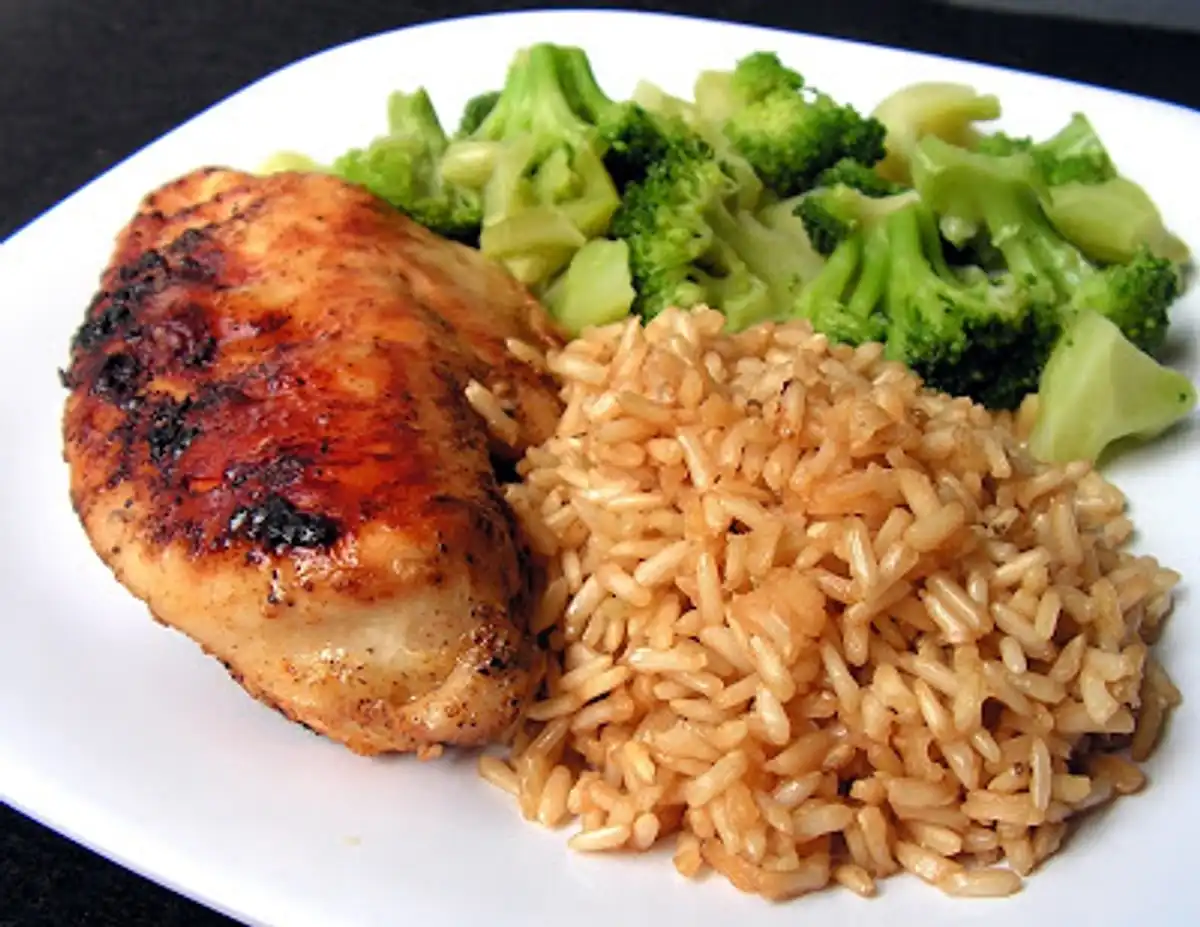
Per Serving:
- Calories: 520
- Fats: 18g
- Protein: 42g
- Carbs: 48g
- Fiber: 6g
- Sugar: 4g
Chicken breast provides lean protein essential for muscle maintenance, while brown rice offers complex carbohydrates and B vitamins. Broccoli adds vitamin C and cancer-fighting compounds.
Snack: Mediterranean Trail Mix
This homemade trail mix combines dried apricots, pumpkin seeds, and dark chocolate for a balanced snack that satisfies both sweet and savory cravings.
Per Serving:
- Calories: 180
- Fats: 12g
- Protein: 5g
- Carbs: 16g
- Fiber: 3g
- Sugar: 12g
Day 4: Midweek Mediterranean Motivation
Breakfast: Vegetable Omelet
This protein-packed omelet cooked in olive oil showcases fresh vegetables while providing sustained energy for your morning activities.
Per Serving:
- Calories: 295
- Fats: 18g
- Protein: 22g
- Carbs: 18g
- Fiber: 4g
- Sugar: 6g
Egg whites provide high-quality protein without excess cholesterol, while the vegetables add fiber, vitamins, and minerals. The whole-grain bread contributes complex carbohydrates.
Lunch: Simple Pasta Primavera
This light pasta dish celebrates the Mediterranean tradition of letting simple, high-quality ingredients shine. Cherry tomatoes and spinach create a colorful, nutritious meal.
Per Serving:
- Calories: 445
- Fats: 16g
- Protein: 16g
- Carbs: 62g
- Fiber: 8g
- Sugar: 8g
Whole wheat pasta provides more fiber and nutrients than refined pasta, while extra virgin olive oil contributes healthy monounsaturated fats and vitamin E.
Dinner: Grilled Mackerel with Roasted Vegetables
This omega-3 rich dinner features grilled mackerel paired with Mediterranean vegetables and a refreshing fennel-orange salad that adds brightness to the meal.
Per Serving:
- Calories: 465
- Fats: 28g
- Protein: 32g
- Carbs: 24g
- Fiber: 8g
- Sugar: 16g
Mackerel is one of the richest sources of omega-3 fatty acids, supporting heart and brain health. The roasted eggplant provides fiber and antioxidants.
Snack: Greek Yogurt with Pomegranate
This antioxidant-rich snack combines creamy Greek yogurt with jewel-like pomegranate seeds and a drizzle of honey.
Per Serving:
- Calories: 145
- Fats: 4g
- Protein: 12g
- Carbs: 20g
- Fiber: 2g
- Sugar: 18g
Day 5: Fresh and Energizing Choices
Breakfast: Green Smoothie
Start your day with this nutrient-dense smoothie that packs vegetables and fruits into an easy-to-consume format. The spinach adds iron and folate without affecting the sweet mango flavor.
Per Serving:
- Calories: 285
- Fats: 8g
- Protein: 8g
- Carbs: 48g
- Fiber: 10g
- Sugar: 32g
Almond milk provides calcium and vitamin E, while chia seeds contribute omega-3 fatty acids and create a satisfying, thick texture.
Lunch: Pesto Vegetable Sandwich
This satisfying sandwich features roasted Mediterranean vegetables with aromatic pesto on whole-grain ciabatta bread.
Per Serving:
- Calories: 425
- Fats: 22g
- Protein: 14g
- Carbs: 48g
- Fiber: 8g
- Sugar: 12g
The combination of roasted vegetables and pesto creates a flavor-packed meal that demonstrates how plant-based ingredients can be incredibly satisfying.
Dinner: Mediterranean Baked Cod
This light yet satisfying dinner features flaky cod topped with a vibrant tomato-caper sauce, served alongside protein-rich quinoa tabbouleh.
Per Serving:
- Calories: 390
- Fats: 12g
- Protein: 35g
- Carbs: 38g
- Fiber: 6g
- Sugar: 8g
Cod provides lean protein and essential minerals like selenium, while the tomato-caper sauce adds lycopene and antioxidants.
Snack: Dark Chocolate and Nuts
This satisfying snack combines the antioxidant power of dark chocolate with the healthy fats and protein from mixed nuts.
Per Serving:
- Calories: 195
- Fats: 16g
- Protein: 5g
- Carbs: 8g
- Fiber: 3g
- Sugar: 4g
Day 6: Weekend Mediterranean Flavors
Breakfast: Fig and Almond Butter Toast
This sophisticated breakfast combines the natural sweetness of fresh figs with protein-rich almond butter on whole-grain bread.
Per Serving:
- Calories: 320
- Fats: 16g
- Protein: 10g
- Carbs: 38g
- Fiber: 8g
- Sugar: 20g
Fresh figs provide fiber and potassium, while almond butter contributes healthy fats, protein, and vitamin E for sustained energy.
Lunch: Classic Nicoise Salad
This French-influenced Mediterranean salad combines protein-rich tuna and eggs with fresh vegetables and a classic olive oil and lemon dressing.
Per Serving:
- Calories: 485
- Fats: 28g
- Protein: 32g
- Carbs: 28g
- Fiber: 6g
- Sugar: 8g
Tuna provides high-quality protein and omega-3 fatty acids, while the variety of vegetables adds vitamins, minerals, and antioxidants.
Dinner: Chicken Souvlaki
This Greek-inspired dinner features marinated chicken skewers with refreshing tzatziki and served over whole-wheat pita bread.
Per Serving:
- Calories: 495
- Fats: 18g
- Protein: 45g
- Carbs: 38g
- Fiber: 6g
- Sugar: 8g
The lean chicken provides high-quality protein, while the tzatziki adds probiotics and calcium. Whole-wheat pita contributes fiber and B vitamins.
Snack: Olive Tapenade with Vegetables
This savory snack features the bold flavors of olive tapenade paired with fresh, crunchy vegetables.
Per Serving:
- Calories: 85
- Fats: 6g
- Protein: 2g
- Carbs: 7g
- Fiber: 2g
- Sugar: 4g
Day 7: Completing Your Mediterranean Week
Breakfast: Cinnamon Date Oatmeal
End your week with this warming oatmeal topped with naturally sweet dates, crunchy almonds, and aromatic cinnamon.
Per Serving:
- Calories: 375
- Fats: 12g
- Protein: 12g
- Carbs: 58g
- Fiber: 10g
- Sugar: 24g
Steel-cut oats provide sustained energy and beta-glucan fiber for heart health, while dates contribute natural sweetness and potassium.
Lunch: Mediterranean Veggie Wrap
This portable lunch features creamy hummus and roasted vegetables wrapped in a whole-grain tortilla, served with fresh seasonal fruit.
Per Serving:
- Calories: 425
- Fats: 16g
- Protein: 14g
- Carbs: 62g
- Fiber: 12g
- Sugar: 20g
The combination of hummus and roasted vegetables provides plant-based protein, fiber, and a variety of vitamins and minerals.
Dinner: Baked Eggplant Parmesan
This hearty vegetarian dinner layers tender baked eggplant with tomatoes, onions, and Parmesan cheese, served alongside nutty wild rice.
Per Serving:
- Calories: 445
- Fats: 16g
- Protein: 18g
- Carbs: 62g
- Fiber: 12g
- Sugar: 16g
Eggplant provides fiber and antioxidants, while Parmesan cheese adds calcium and protein. Wild rice contributes complex carbohydrates and minerals.
Snack: Roasted Chickpeas
These crunchy, seasoned chickpeas make a satisfying snack that’s high in protein and fiber.
Per Serving:
- Calories: 135
- Fats: 3g
- Protein: 6g
- Carbs: 22g
- Fiber: 6g
- Sugar: 4g
Your Mediterranean Journey Continues
This 7-day meal plan provides a solid foundation for adopting Mediterranean eating patterns into your daily routine. Each meal has been carefully crafted to provide balanced nutrition while introducing you to the diverse flavors and ingredients that make this way of eating both healthful and enjoyable.
The nutritional information provided with each meal helps you understand how different foods contribute to your overall health goals. Notice how the combination of lean proteins, healthy fats, complex carbohydrates, and plenty of fiber creates meals that are both satisfying and nutritionally complete.
As you continue your Mediterranean diet journey, feel free to swap similar ingredients based on your preferences and seasonal availability. The principles remain the same: emphasize whole foods, include plenty of vegetables and fruits, choose healthy fats like olive oil, and enjoy meals with friends and family when possible.
Remember that sustainable change happens gradually. Use this meal plan as your starting point, then begin incorporating Mediterranean principles into your favorite recipes and family traditions.
Also Read:
31 Mediterranean Diet Grocery List Ideas for Healthy Meals
17 Easy Mediterranean Dessert Ideas You’ll Love
15 Mediterranean Diet Snack Ideas You’ll Crave
27 Mediterranean Diet Ideas for Beginners That Taste Amazing
17 Mediterranean Breakfast Recipes for a Healthy Start
17 Easy Mediterranean Diet Recipes Ideas to Try Today
Tips for Success with This Meal Plan
Prepare in Advance
To make sticking to this meal plan as effortless as possible, take some time at the start of the week to prepare key ingredients. Chop vegetables, cook grains like quinoa or rice, and portion out snacks in containers. This approach not only saves time but also reduces the temptation to stray from the plan due to lack of convenience.
Shop Smart
Create a shopping list based on the meal plan and stick to it. Focus on fresh produce, whole grains, lean proteins, and healthy fats like olive oil and nuts. Buying in bulk for ingredients like oats, legumes, and spices can also be cost-effective. By avoiding processed items, you’ll ensure you have healthy options readily available.
Customize for Preferences
While the meal plan provides a solid foundation, keep in mind that it’s perfectly okay to swap out ingredients to better suit your preferences or dietary needs. For example, if you’re not fond of eggplant for dinner on Day 7, try substituting with zucchini or bell peppers. The key is to maintain the balance of nutrients.
Stay Hydrated
Drinking enough water is vital for overall health. Aim to drink at least 8 glasses of water a day, and consider starting meals with a glass of water to help with portion control and digestion. If plain water feels monotonous, infuse it with slices of lemon, cucumber, or mint for added flavor.
Listen to Your Body
Everyone’s energy needs are different. If you notice you’re hungrier on certain days, stay flexible and include a small nutrient-dense snack like a handful of nuts or a boiled egg. On the other hand, if you feel full, don’t force yourself to eat beyond your comfort level.
Enjoy the Process
This meal plan isn’t just about hitting health goals—it’s about enjoying delicious, nourishing food that supports your well-being. Try to savor each bite and make mealtime a mindful experience. Whenever possible, sit down at the table without distractions and truly engage with your food.
By following this meal plan and incorporating these tips, you can establish sustainable eating habits that energize your body and mind. The goal is not perfection, but consistency and balance—small, intentional changes lead to lasting success!
Discover the Mediterranean Lifestyle
The Mediterranean diet is as much about joy as it is about health. Make time to eat slowly, savor the flavors, and share meals with friends or family to enrich your experience.
Interested in learning more or customizing your plan? Consult with a dietitian or explore professional Mediterranean diet recipe books tailored to your needs.